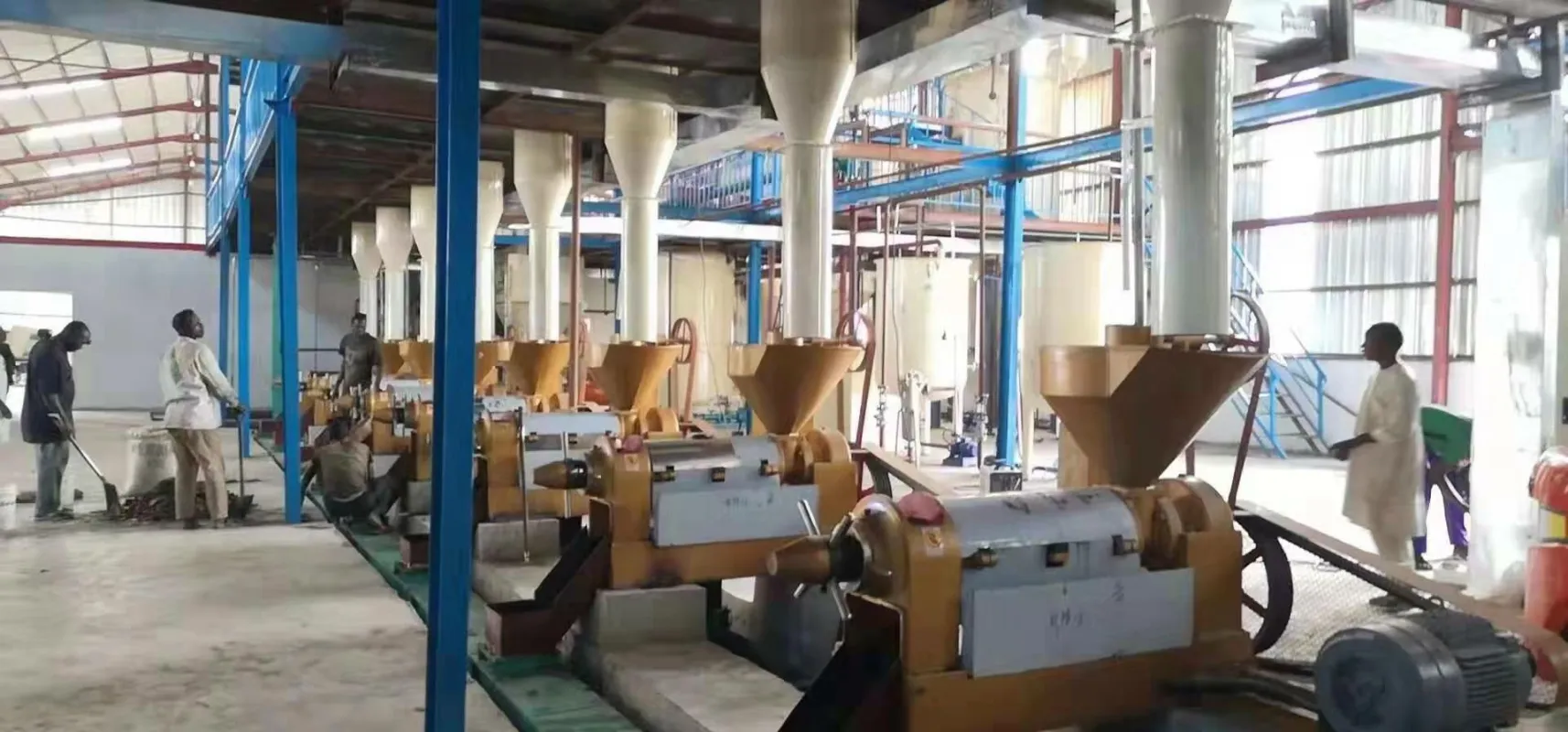
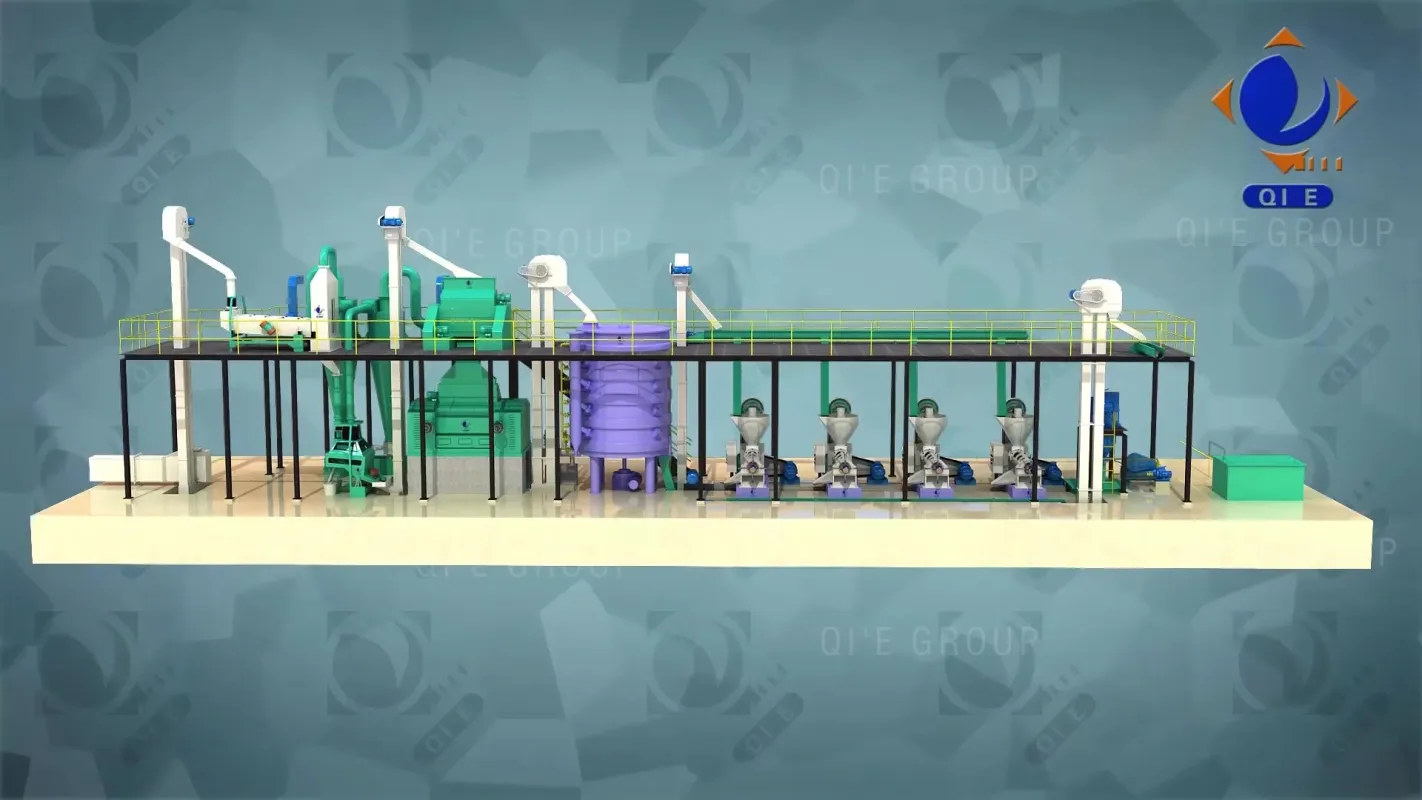
In the realm of high - end rapeseed oil production, solvent extraction has emerged as a pivotal technology. This process significantly enhances oil extraction efficiency and purity while maintaining the nutritional integrity of the oil, catering to the demand for top - notch products in the market.
Solvent extraction operates on the principle of using a specific solvent to dissolve the oil in rapeseed. Usually, a proper solvent can extract up to 98% of the oil, which is far higher than the extraction rate of traditional cold - pressing methods. The process involves multiple steps. First, the rapeseed is prepared, and then it is mixed with the solvent in an extraction tank. After a certain period, the oil - solvent mixture is separated from the solid residue. The mixture is then sent to a distillation unit for solvent recovery. The recovered solvent can be reused, which not only reduces costs but also makes the process more environmentally friendly.
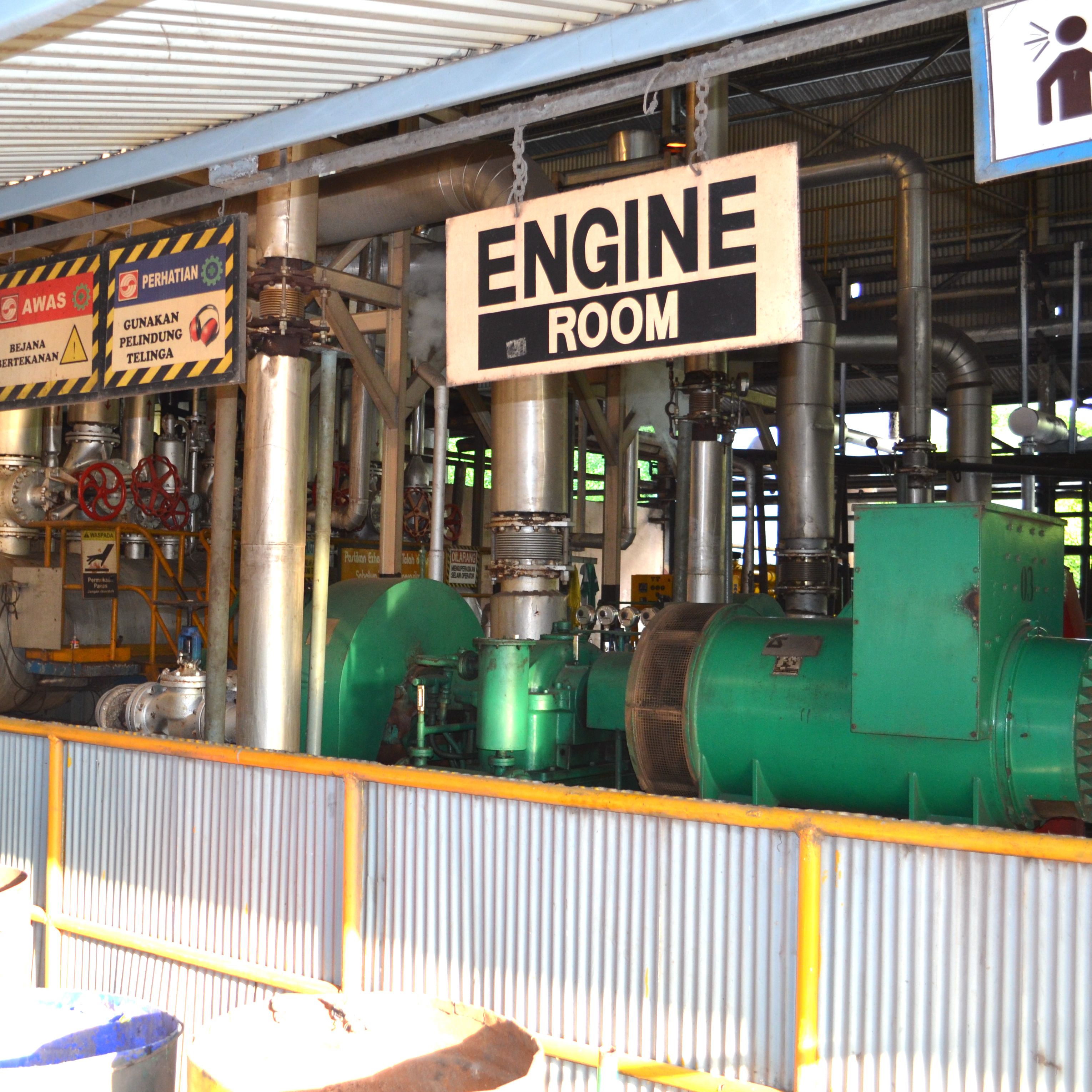
When comparing solvent extraction with traditional cold - pressing methods, the differences in extraction rate, purity, and nutrition retention are stark. Cold - pressing typically has an extraction rate of around 70 - 80%. Although it is a more natural method, it leaves a significant amount of oil in the residue. In terms of purity, solvent - extracted oils can achieve a purity level of over 99%, while cold - pressed oils may contain some impurities due to the mechanical nature of the process. Regarding nutrition retention, both methods can preserve most of the essential nutrients in rapeseed oil, such as vitamin E and unsaturated fatty acids. However, solvent extraction can be optimized to better retain these nutrients through proper control of the process conditions.
Safety is of utmost importance in solvent extraction. The solvents used are often flammable and volatile, so strict safety regulations must be followed. For example, all equipment should be properly grounded to prevent electrostatic discharges. Workers need to wear appropriate protective gear, and regular safety training sessions should be organized. In addition, environmental protection is also a key concern. The use of environmentally friendly solvents and efficient solvent recovery technologies can minimize the environmental impact. Modern solvent recovery systems can achieve a recovery rate of over 95%, reducing waste and pollution.
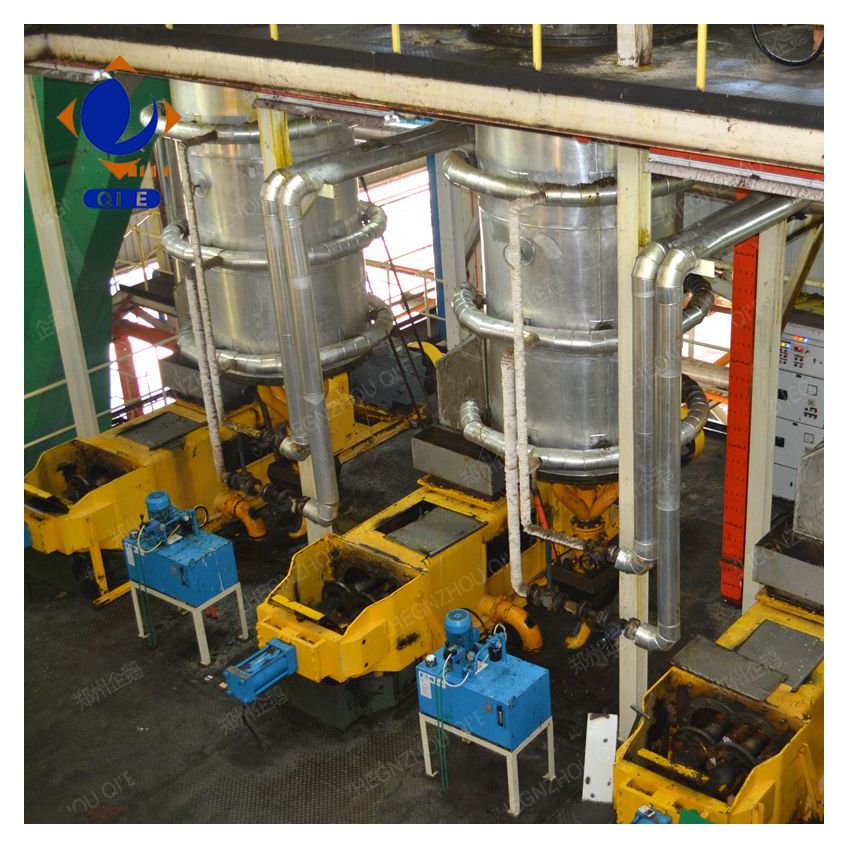
In real - world applications, there are several common issues in the solvent extraction process. For instance, emulsion formation during the separation of the oil - solvent mixture can slow down the process. To address this problem, appropriate demulsifiers can be added, and the process parameters such as temperature and agitation speed can be adjusted. In some cases, the solvent may leave a small amount of residue in the oil, which can affect the quality. High - precision distillation and refining processes can be used to remove these residues.
By analyzing industry case studies, it is clear that the optimization of solvent extraction technology can significantly improve production efficiency and product quality. For technical personnel, continuous improvement of process parameters and the adoption of new technologies are essential. For procurement decision - makers, choosing a reliable and advanced production line is crucial.
The processing technology plays a vital role in ensuring the nutrition and high - end quality of rapeseed oil. The right solvent extraction process can effectively retain the beneficial nutrients in rapeseed oil. For example, by controlling the extraction temperature and time, the oxidation of unsaturated fatty acids can be minimized. Moreover, advanced refining processes can further improve the clarity, flavor, and stability of the oil, meeting the high - standards of the market for premium oils.
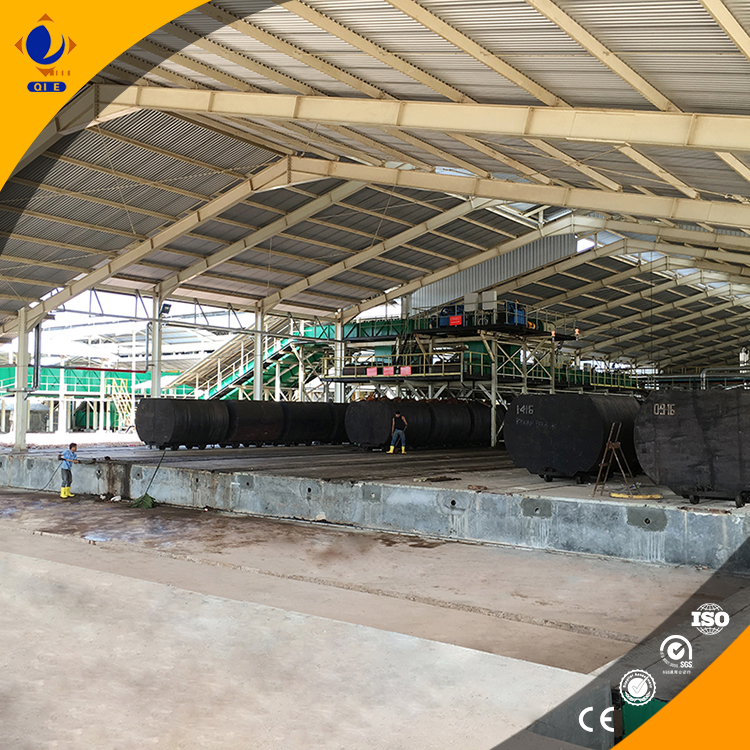
QIE Group high - quality rapeseed oil production line is at the forefront of this technology. With cutting - edge equipment and advanced control systems, it can provide high - efficiency, high - quality, and environmentally friendly solvent extraction solutions. In addition, our comprehensive after - sales service ensures that you receive continuous support during the operation of the production line.
Discover QIE Group Rapeseed Oil Production Line Now!