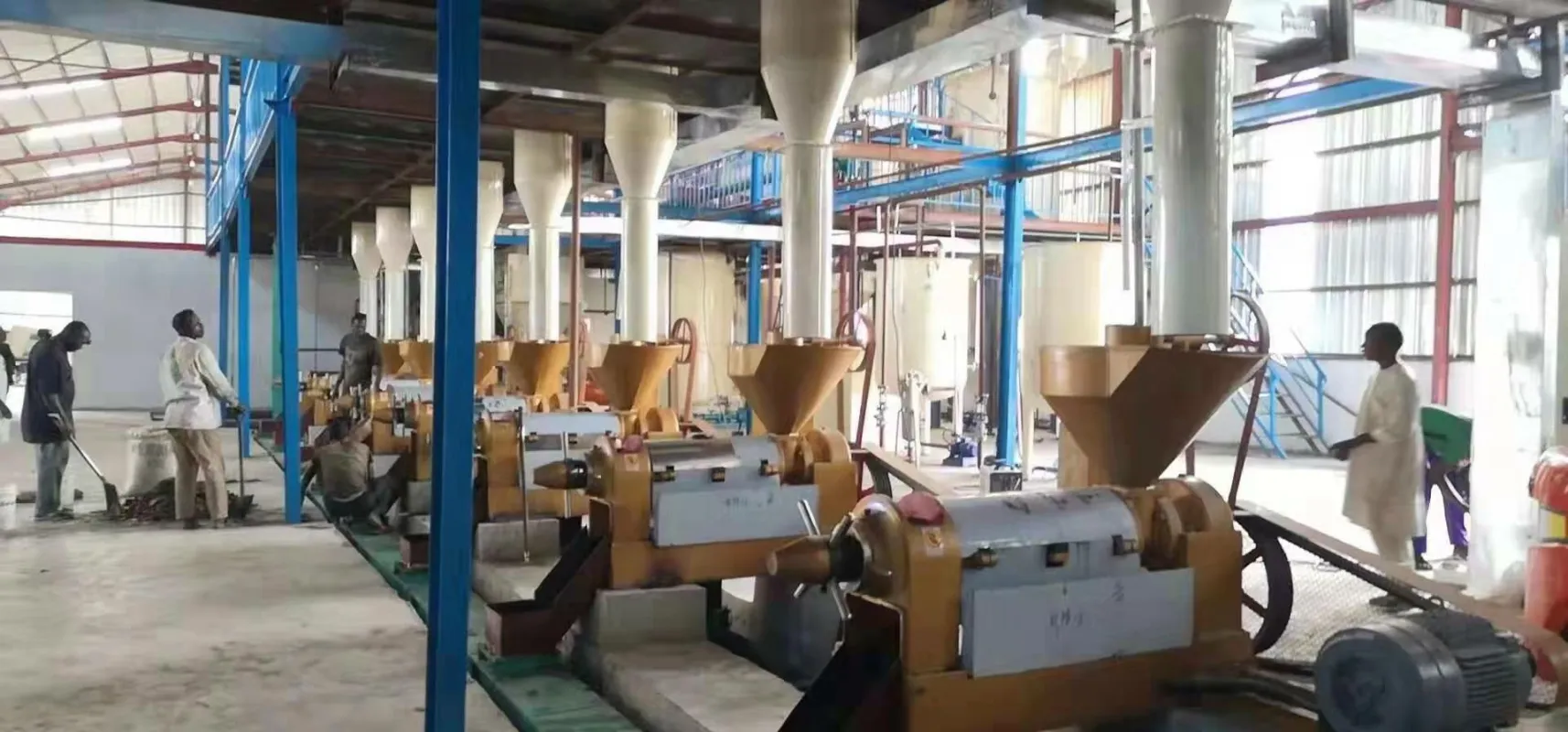
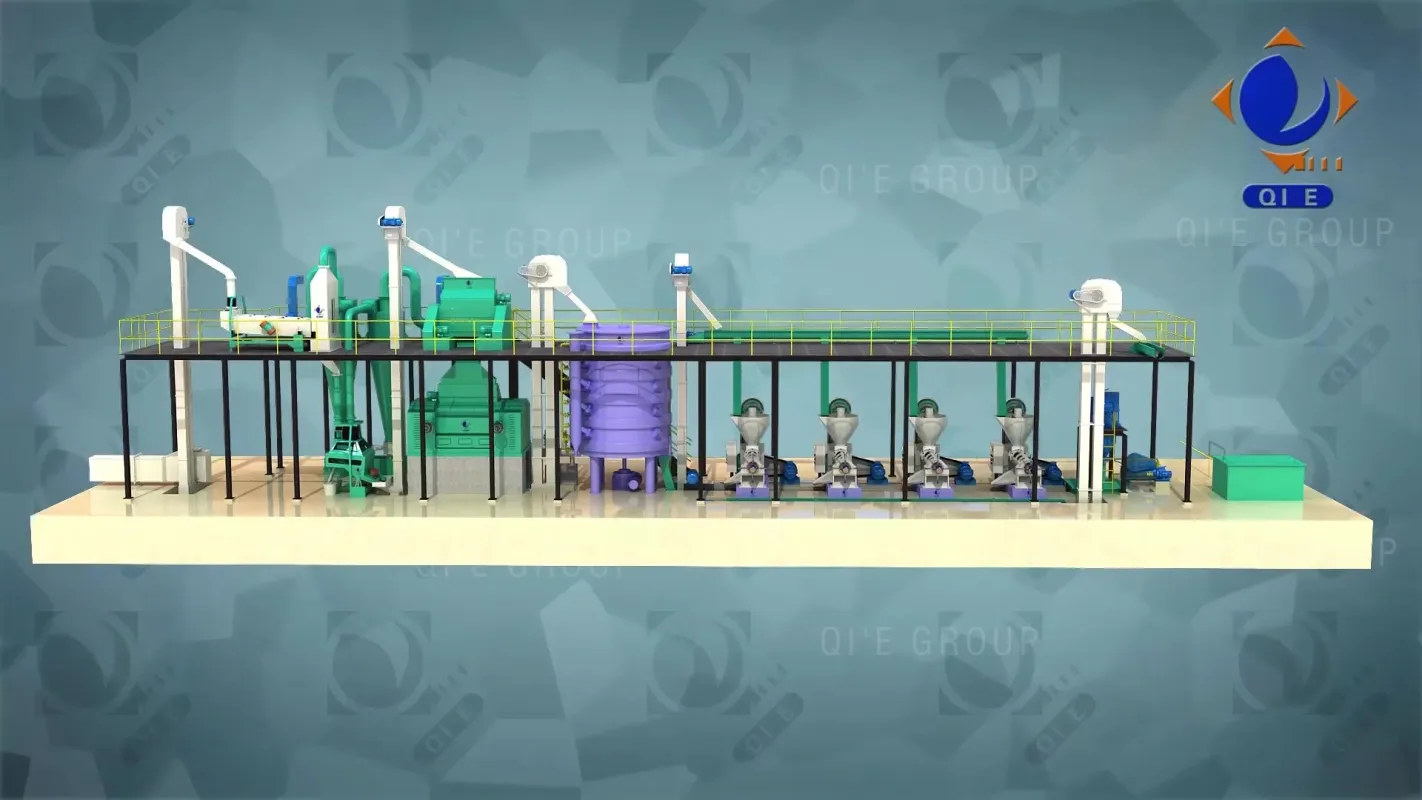
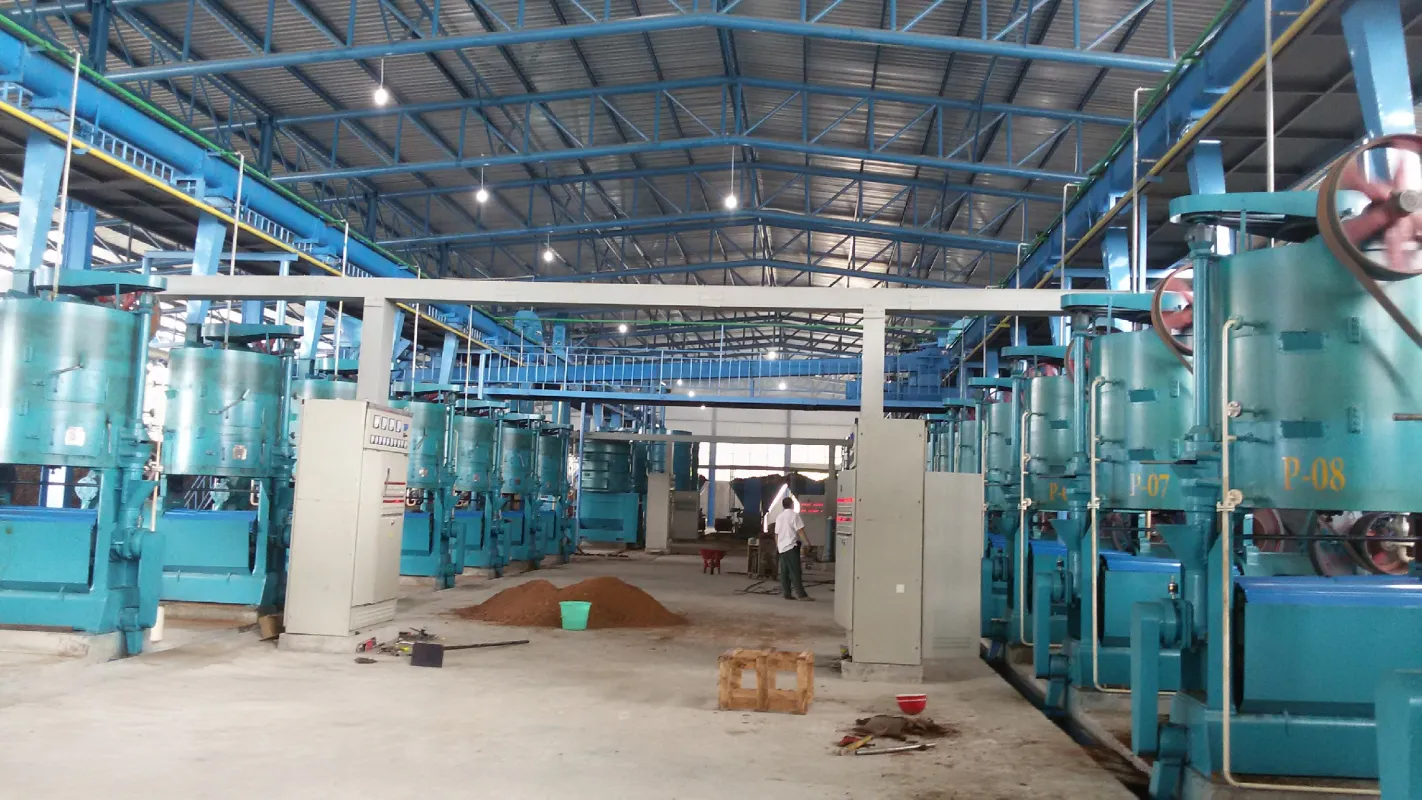
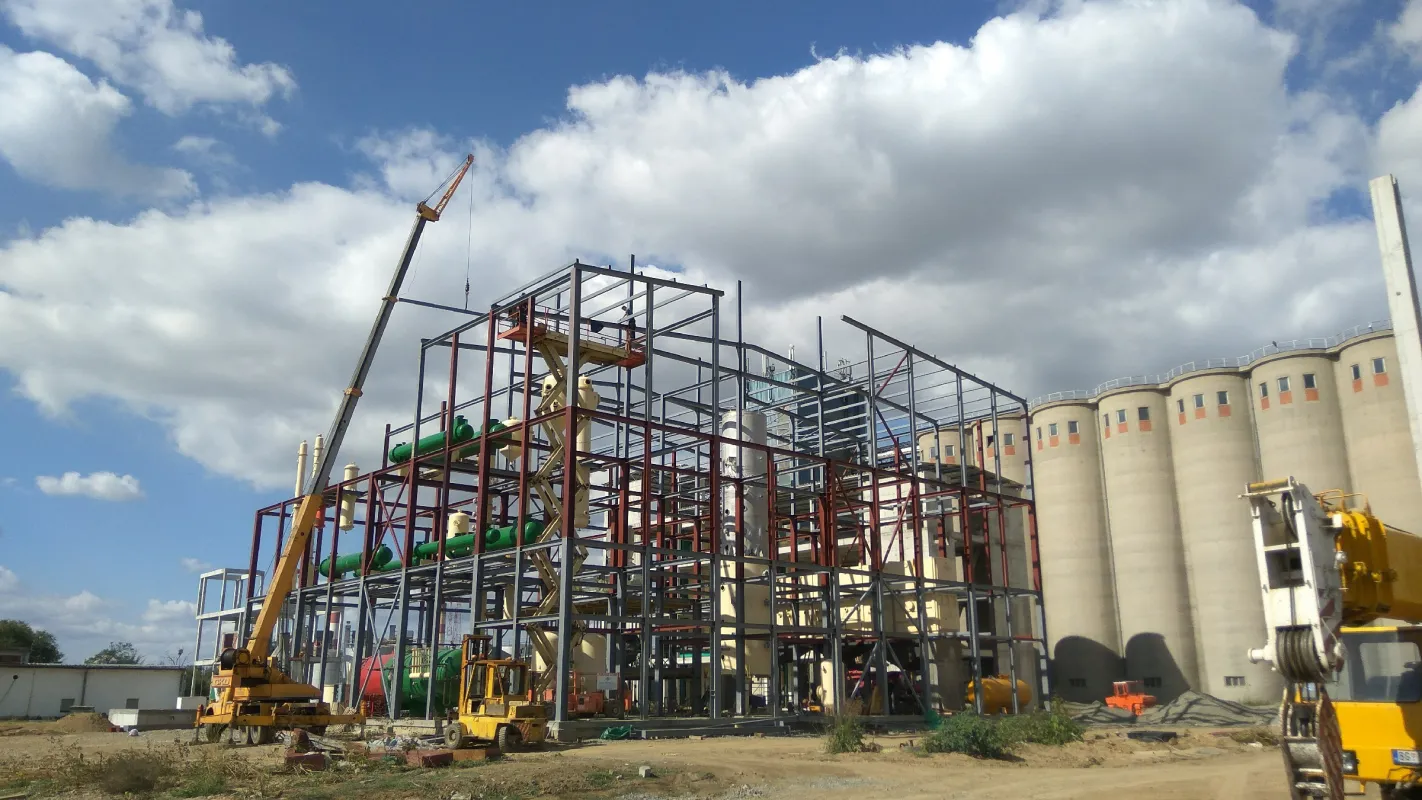
In the rapeseed oil processing industry, the selection of equipment plays a crucial role in determining production efficiency and product quality. There are two main types of production lines: cold - pressing and solvent extraction. Cold - pressing is a physical method that retains the natural nutrients of rapeseed oil. Approximately 90 - 95% of the original nutritional components such as vitamins and polyphenols can be preserved compared to other methods. This makes the oil more popular among consumers who value healthy and natural products. It is suitable for small - scale and high - end product production, and the annual production capacity of a typical cold - pressing line can range from 100 to 500 tons.
On the other hand, solvent extraction utilizes solvents to extract oil from rapeseeds, which is a highly efficient method. It can achieve an oil extraction rate of up to 98%, making it a preferred choice for large - scale production. The annual production capacity of solvent extraction lines usually ranges from 500 to several thousand tons, meeting the high - demand market. However, this method may involve the use of chemical solvents, which requires strict control to ensure product safety.
Production efficiency is a major concern for B2B enterprises. Cold - pressing lines generally have a lower processing speed, with a processing capacity of about 1 - 5 tons per day, while solvent extraction lines can process 10 - 50 tons or more per day. The choice between the two depends on the enterprise's production scale and market demand.
As mentioned earlier, cold - pressing can better preserve the nutrients in rapeseed oil. In terms of product quality, cold - pressed oil has a more natural flavor and color, which is favored by high - end consumers. Solvent - extracted oil, although with a high extraction rate, may require additional refining processes to meet quality standards.
Modern control systems are revolutionizing the rapeseed oil processing industry. They can automate the production process, reducing the need for manual intervention. By using sensors and intelligent algorithms, the control systems can monitor and adjust parameters such as temperature, pressure, and flow rate in real - time. This not only improves production efficiency but also reduces the risk of human error. For example, with an automated control system, the production efficiency can be increased by about 20 - 30%, and the defect rate can be reduced by 15 - 20%.
In addition, the modern control systems enhance the operation convenience. Operators can control the entire production line through a simple touch - screen interface, which greatly shortens the training time for new employees.
ISO and other international certification standards are essential for ensuring the safety and hygiene of rapeseed oil processing equipment. Equipment that meets ISO standards has undergone strict quality inspections, including material safety, environmental protection, and production process control. For enterprises, using certified equipment can not only enhance product credibility in the international market but also reduce potential legal risks. According to market research, products with ISO certification are 30 - 40% more likely to win the trust of international buyers.
Let's take a look at an actual case. A rapeseed oil processing enterprise in Europe upgraded its production line to a modern control system and adopted ISO - certified equipment. As a result, its production efficiency increased by 25%, and the product defect rate decreased by 18%. In the market, there is a growing trend towards high - efficiency, automated, and environmentally - friendly equipment. New technologies such as artificial intelligence and big data are also being gradually applied in the rapeseed oil processing industry.
When making procurement decisions, enterprises should first assess their production scale and market demand. If targeting the high - end market, cold - pressing equipment may be a better choice; for large - scale mass production, solvent extraction equipment is more suitable. Secondly, pay attention to the performance and stability of the equipment, as well as whether it has international certifications. Finally, consider the after - sales service and technical support provided by the equipment supplier.
Ready to take your rapeseed oil processing to the next level? Download our detailed equipment manual or book a free technology demonstration now! Click Here