Solvent extraction technology has emerged as a game - changer in the rapeseed oil production industry. This article will comprehensively explore the core principles, processes, and advantages of this technology, aiming to assist technical personnel and procurement decision - makers in fully understanding how it can significantly enhance the extraction rate and purity of rapeseed oil.
The principle of solvent extraction technology is based on the solubility of oil in specific solvents. By selecting the appropriate solvent, the oil in rapeseed can be effectively dissolved and separated from other components. The choice of solvent is crucial as it directly affects the extraction efficiency. For example, hexane is a commonly used solvent in the industry due to its high solubility for oil and relatively low boiling point, which facilitates subsequent separation and recovery processes. According to industry data, using an appropriate solvent can increase the oil extraction rate by up to 95%, compared to the 80 - 85% extraction rate of traditional cold - pressing methods.
When making procurement decisions, it is essential to understand the differences between solvent extraction and traditional cold - pressing technology. Traditional cold - pressing is a physical method that retains the natural flavor and some nutrients of rapeseed oil. However, its extraction rate is relatively low, and the oil yield is limited. In contrast, solvent extraction technology can achieve a much higher extraction rate, but there are concerns about the potential impact on the flavor and nutritional value of the oil. By comparing these two methods, procurement decision - makers can accurately determine the most suitable process for their specific production needs.
In addition to extraction efficiency, environmental protection and production safety are also important considerations. Solvent recovery technology plays a vital role in reducing solvent consumption and environmental pollution. Through advanced recovery processes, up to 90% of the solvent can be recycled, which not only saves costs but also meets environmental requirements. At the same time, strict safety operation procedures must be followed to ensure the safety of workers and the production environment. For example, proper ventilation systems should be installed in the extraction workshop, and workers should receive professional training on solvent handling.
In practical applications, there are often some common problems, such as solvent residues in the oil and blockages in the extraction equipment. By analyzing real - world industry cases, we can identify these problems and propose corresponding optimization strategies. For example, by improving the solvent recovery process, the solvent residue in the oil can be reduced to within the safe range. These practical optimization methods can enhance the practical value of the technology and help enterprises improve production efficiency.
One of the significant advantages of solvent extraction technology is its ability to maintain the nutritional value and quality of rapeseed oil. Through strict process control, the loss of nutrients such as vitamin E and unsaturated fatty acids can be minimized. This is particularly important for high - end market segments that demand high - quality and nutritious products.
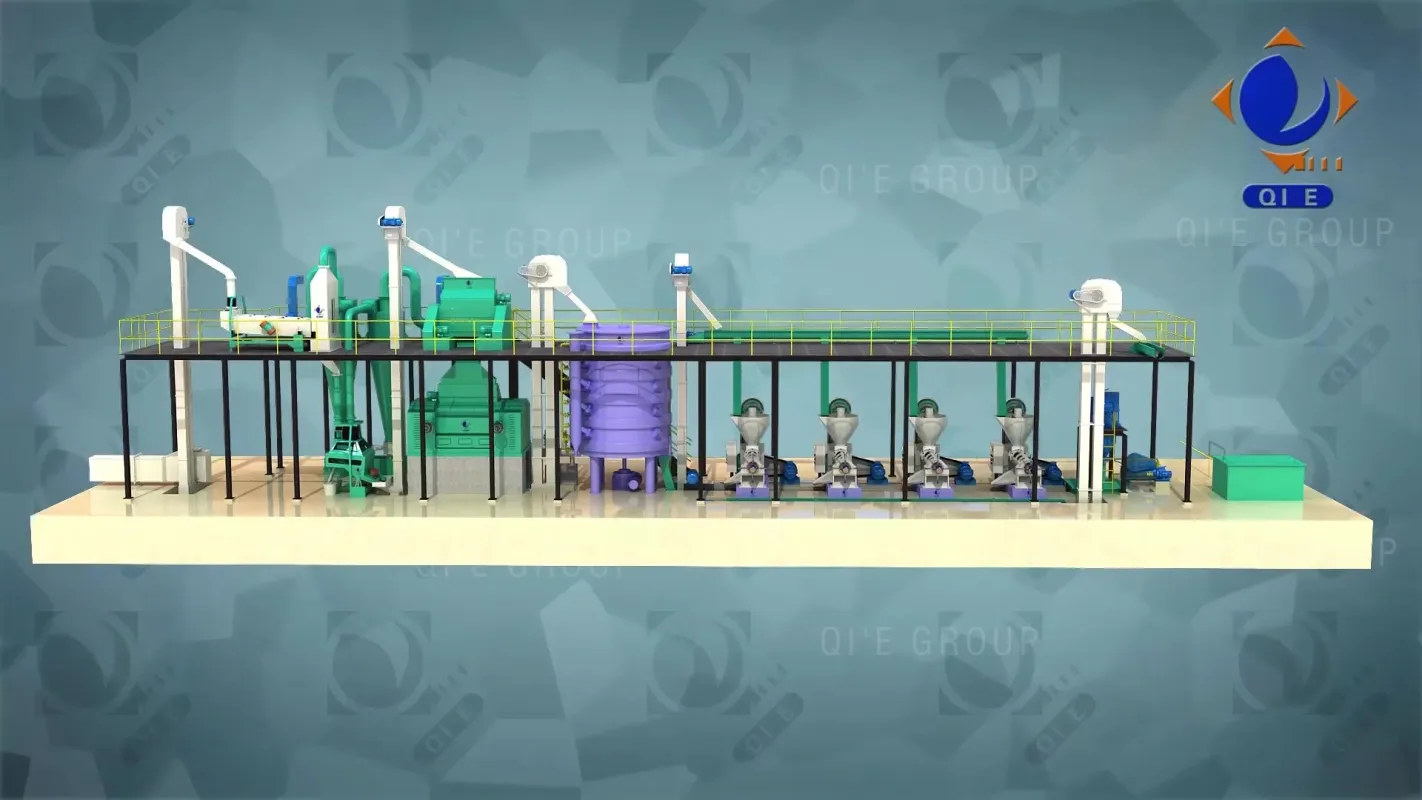
If you are looking for a reliable partner to improve your rapeseed oil production process, QIE Group advanced rapeseed oil production line is your ideal choice. Our production line integrates the latest solvent extraction technology, ensuring high - efficiency production, environmental protection, and product quality. Click here to learn more about QIE Group rapeseed oil production line and start your journey towards higher - quality rapeseed oil production!