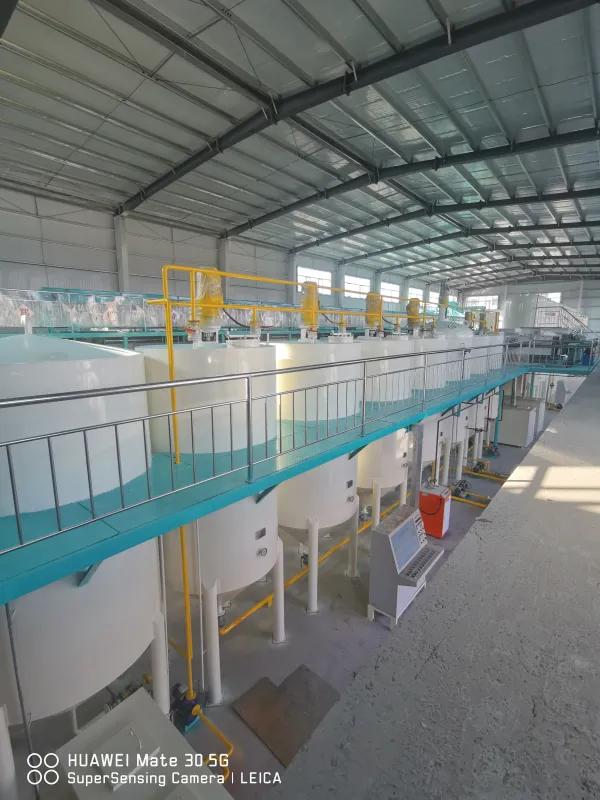
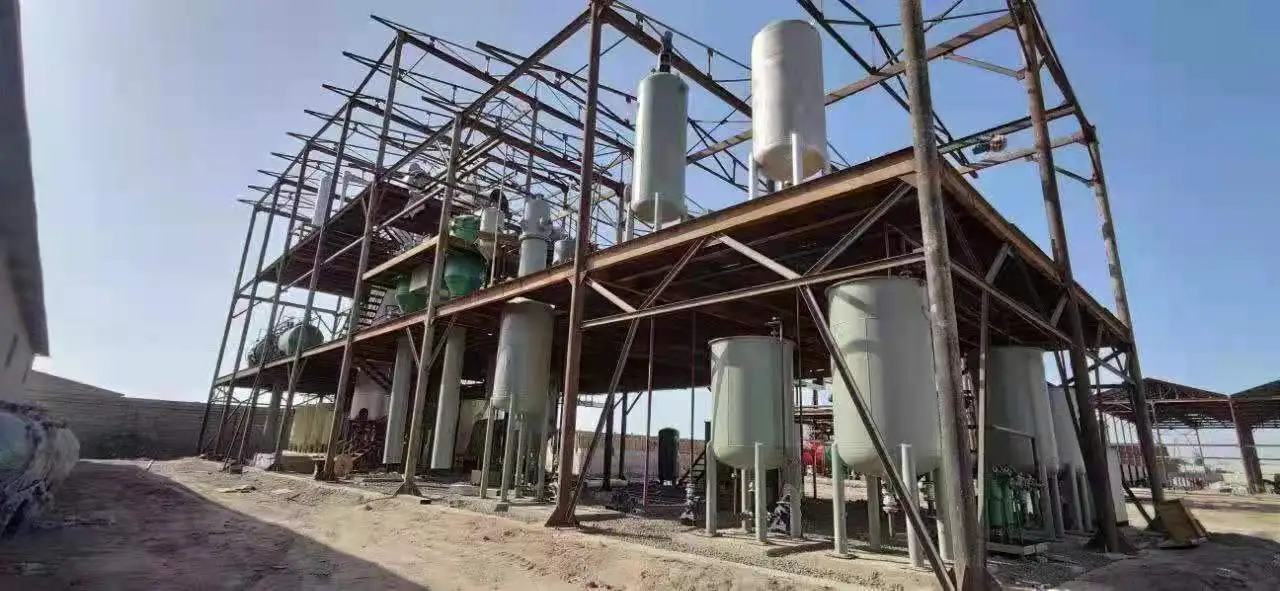
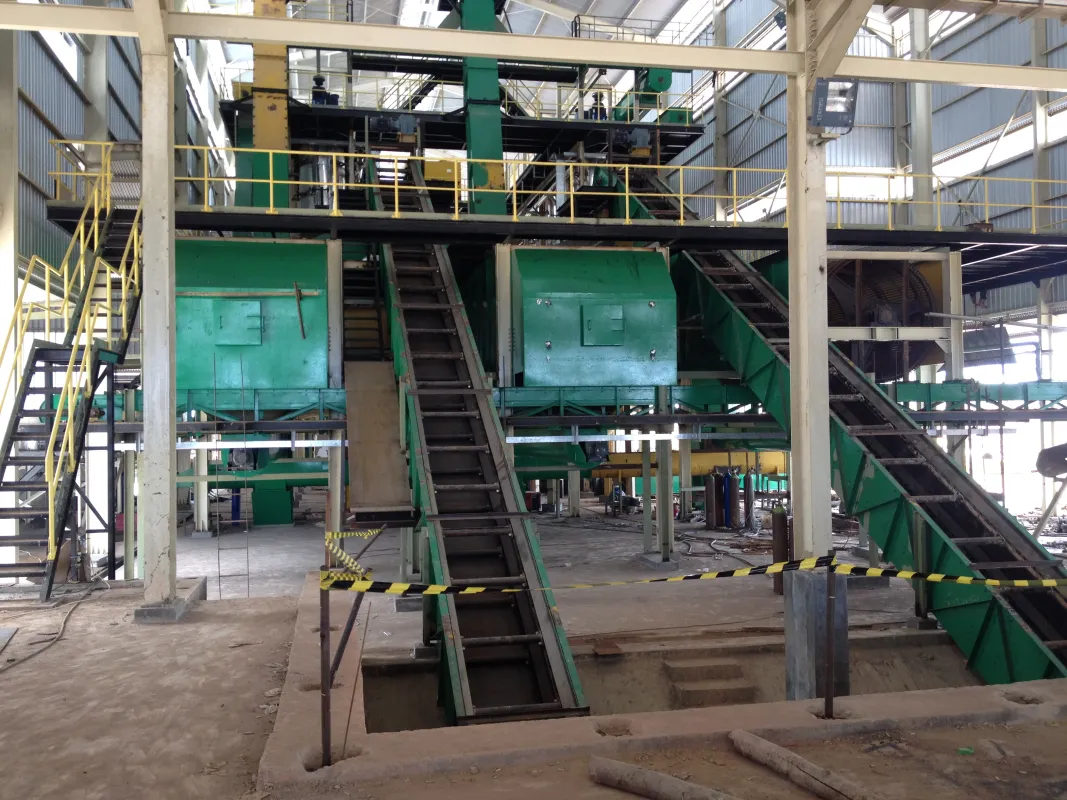
For food processing facilities aiming to maximize yield while maintaining safety and regulatory compliance, solvent extraction remains the gold standard in rapeseed oil production. According to industry data from FAO (2023), solvent-based systems can extract up to 95% of oil content—significantly higher than cold pressing (~70–80%). But with great efficiency comes responsibility: proper handling, recovery, and environmental stewardship are non-negotiable.
| Feature | Cold Pressing | Solvent Extraction |
|---|---|---|
| Oil Yield (%) | 70–80% | 92–95% |
| Energy Use (kWh/kg oil) | ~3.5 | ~2.0 |
| Residual Solvent (ppm) | N/A | ≤5 ppm (after full recovery) |
“The key to safe solvent extraction lies not just in the process—it’s in the system design.” — Dr. Lena Müller, Food Process Engineer at EUFOODS Institute
According to ISO 22000:2018 and EU Regulation (EC) No 178/2002, solvent handling must follow strict procedures:
Modern plants achieve >99% solvent recovery via distillation units—reducing waste by over 80% compared to older models. This isn’t just good for the environment; it directly impacts cost-efficiency. A case study from a Malaysian plant showed that implementing automated recovery reduced solvent consumption by 18% annually—saving ~$45,000 per year.
And here's what many buyers overlook: well-designed systems preserve the nutritional profile of rapeseed oil—especially tocopherols and phytosterols—which is critical for premium markets like Europe and North America.
Pro Tip: When evaluating new equipment, ask suppliers for third-party test reports showing residual solvent levels (<5 ppm), energy efficiency metrics, and compliance with FDA 21 CFR §173.250 or EFSA guidelines.
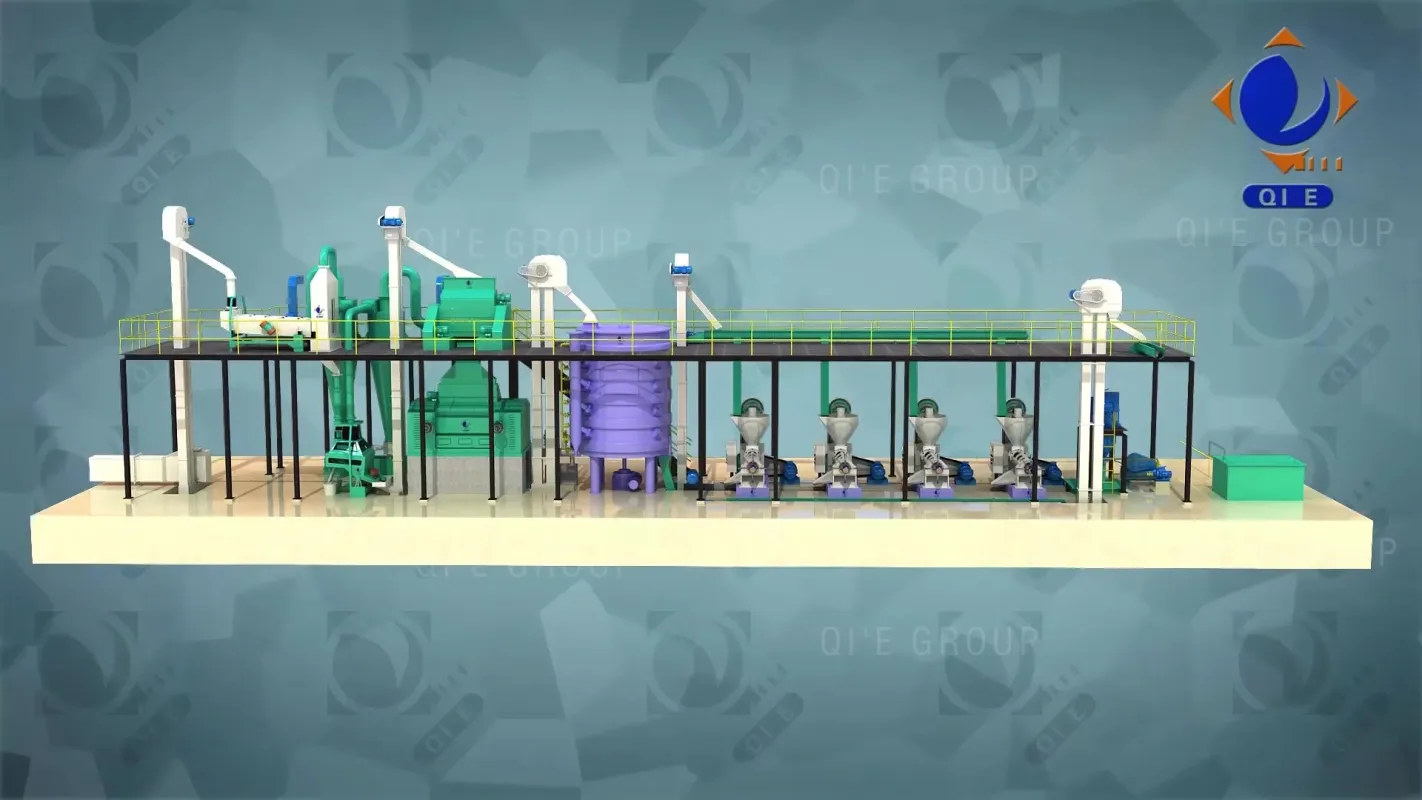
QIE Group’s latest generation of solvent extraction lines integrate real-time monitoring, AI-driven leak detection, and modular solvent recovery units—all designed for global compliance. Their systems have been installed in over 120 facilities across Asia, Europe, and Latin America, consistently delivering yields above 94% while meeting international food safety standards.
Discover How QIE Group’s Smart Rapeseed Oil Line Enhances Safety & Efficiency