In the global edible oil industry, maximizing yield while preserving quality is no longer optional—it’s a competitive necessity. For manufacturers of rapeseed oil, solvent extraction has emerged as the gold standard for efficiency and purity. This article explores how this proven method outperforms traditional cold pressing in real-world applications, supported by data from leading production lines across Europe and Asia.
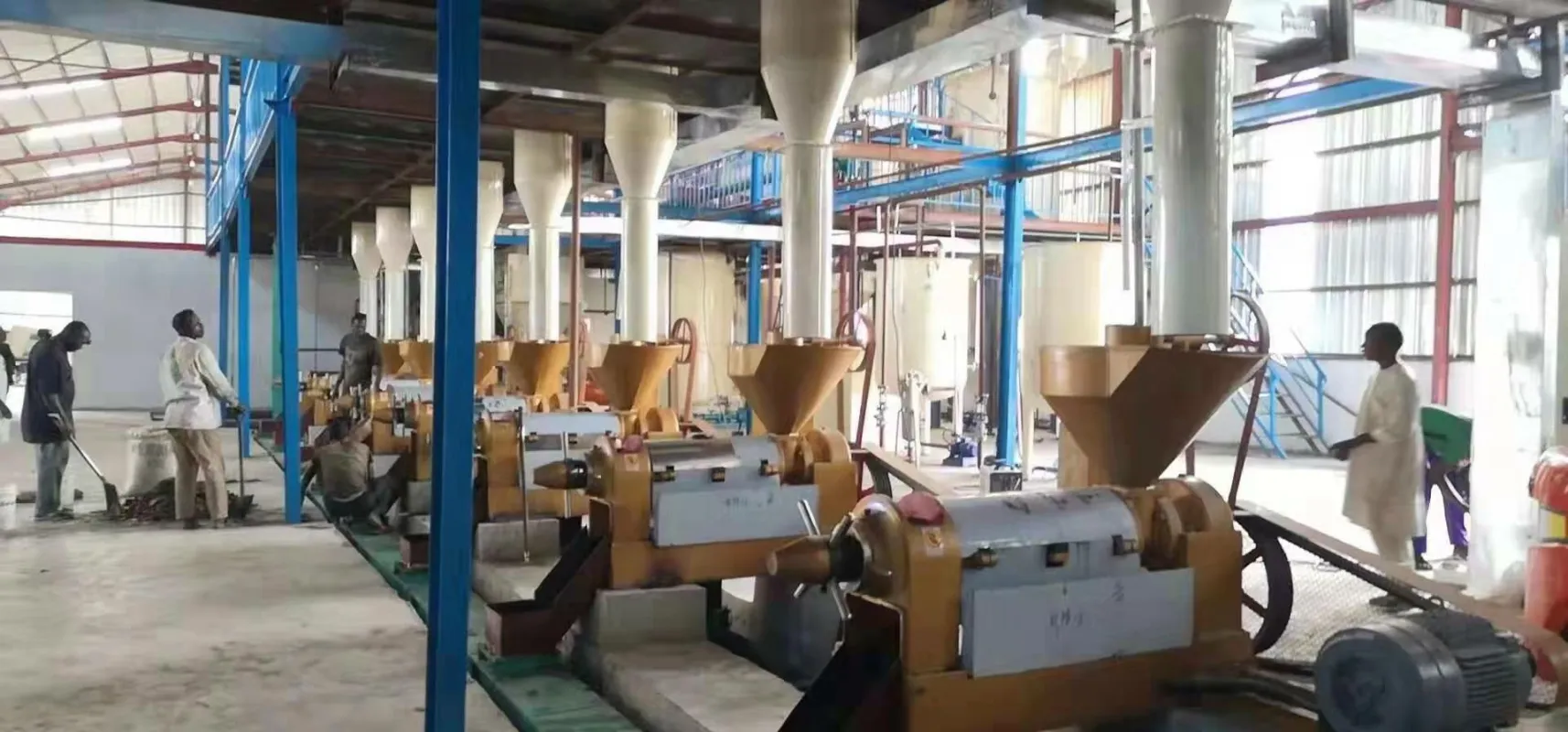
Solvent extraction uses hexane (a low-boiling-point hydrocarbon) to dissolve oil from crushed rapeseed meal. Unlike mechanical pressing—which typically extracts only 70–80% of available oil—solvent-based systems can recover up to 95–98% of total oil content, according to the International Oleochemical Society (IOS). This translates into significant cost savings per ton of raw material processed.
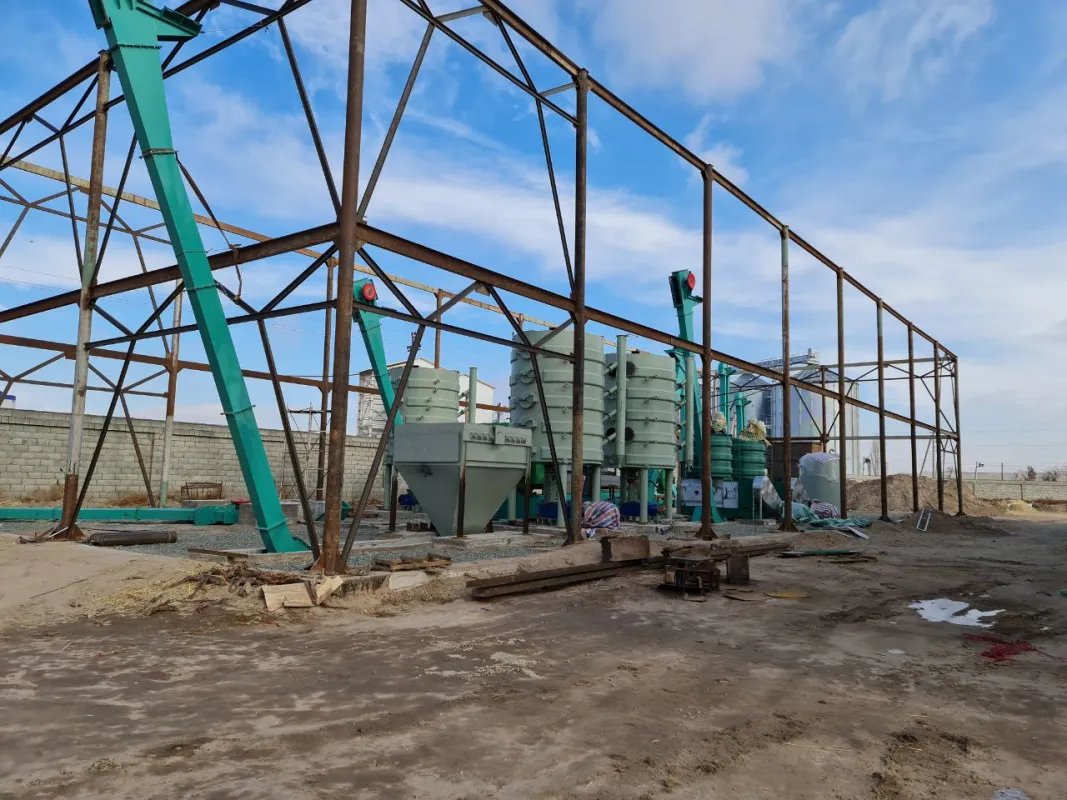
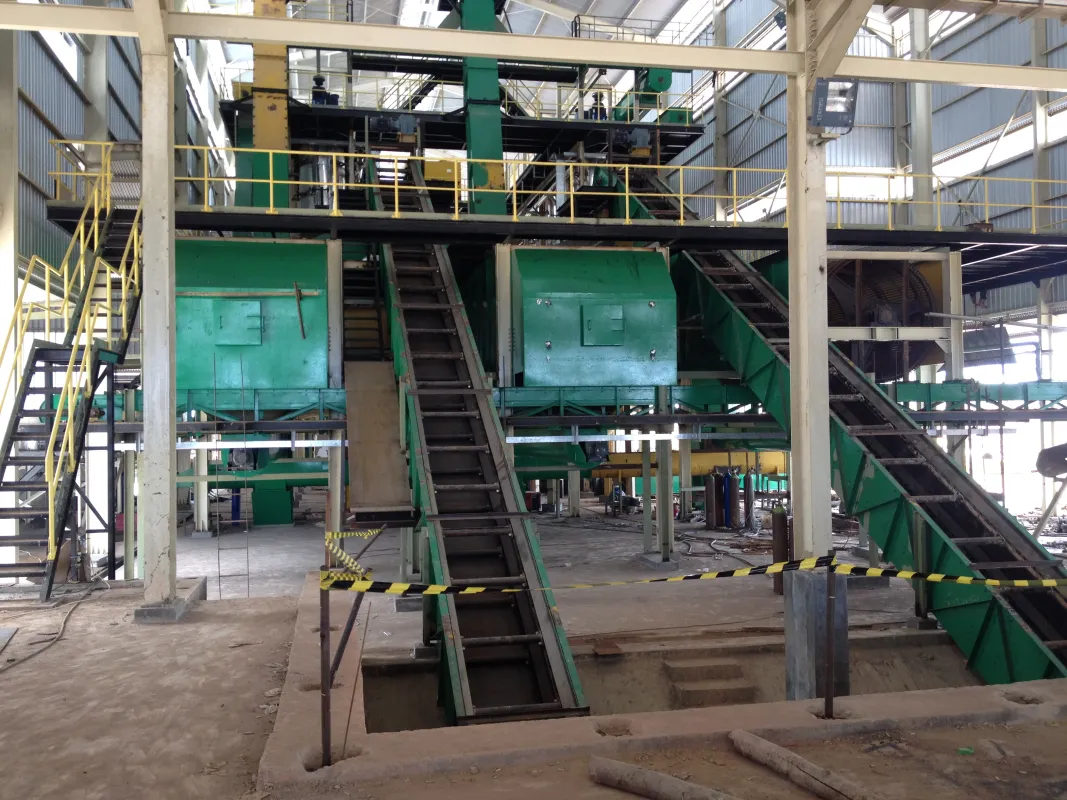
Key steps include: pre-treatment (flaking and conditioning), solvent contact (in extractor columns), oil separation, and finally, solvent recovery via distillation. Each stage must be tightly controlled—not just for yield but also for safety and compliance with ISO 22000 food safety standards.
Hexane isn’t chosen arbitrarily—it meets strict technical criteria:
Proper ventilation, leak detection systems, and closed-loop recycling ensure both worker safety and environmental responsibility—a key selling point for ESG-conscious buyers in Germany and Scandinavia.
| Parameter | Cold Pressing | Solvent Extraction |
|---|---|---|
| Oil Recovery Rate | 70–80% | 95–98% |
| Final Oil Purity | ~90% (with free fatty acids) | ~99% (refined grade) |
| Energy Consumption | High (mechanical pressure) | Moderate (distillation + recycling) |
Even experienced operators face issues like incomplete solvent recovery or residual hexane traces. Based on case studies from Indian and Polish refineries, here are actionable fixes:
A common misconception is that solvent extraction degrades nutrients—but modern processes actually preserve tocopherols and phytosterols better than high-temperature refining methods. One study published in the Journal of Food Engineering showed that solvent-extracted rapeseed oil retained over 85% of its natural antioxidants compared to 65% in cold-pressed samples after 6 months of storage.
This makes it ideal for premium markets such as North America and Japan, where consumers demand not just quantity but clean-label, nutrient-rich oils.
Want to know how your facility can integrate solvent extraction without major downtime?
Ask our engineers directly: What’s your current extraction rate? Can we help you boost it by 15%+?
Discover how Qingdao QIE Group advanced solvent extraction system helped a client in Turkey increase their annual output by 18%, reduce solvent loss by 90%, and meet EU food-grade certifications—all within six months.
Explore Our Advanced Rapeseed Oil Production Line