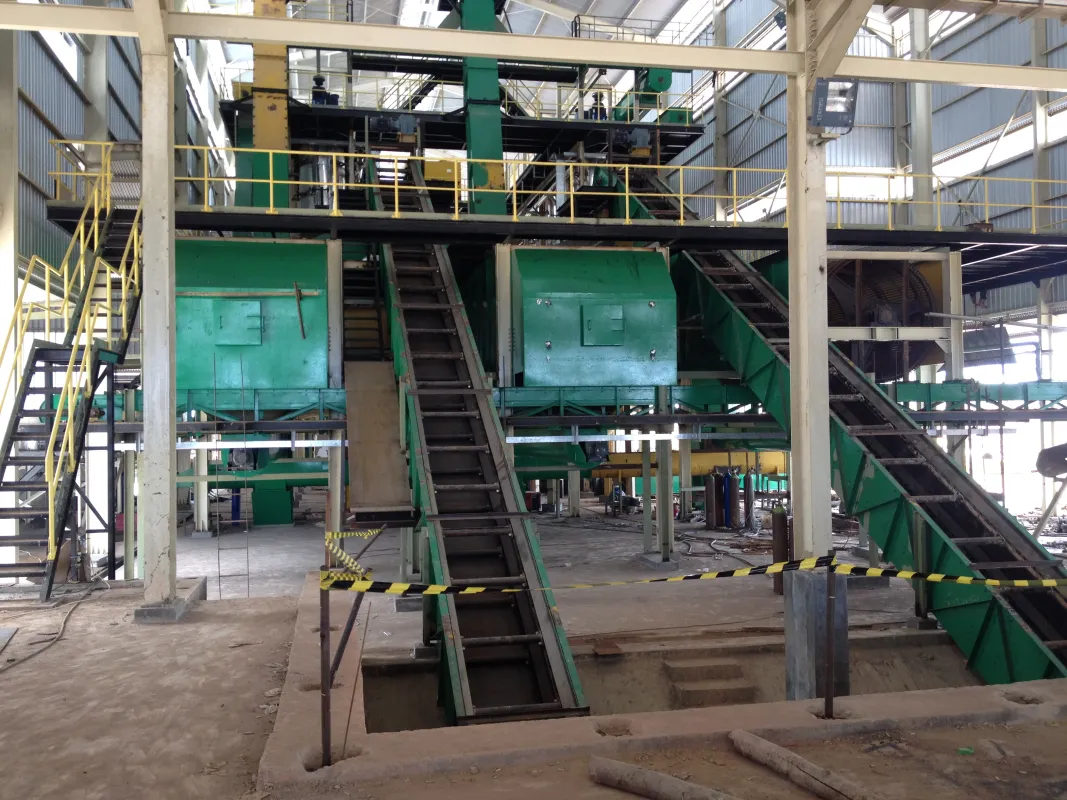
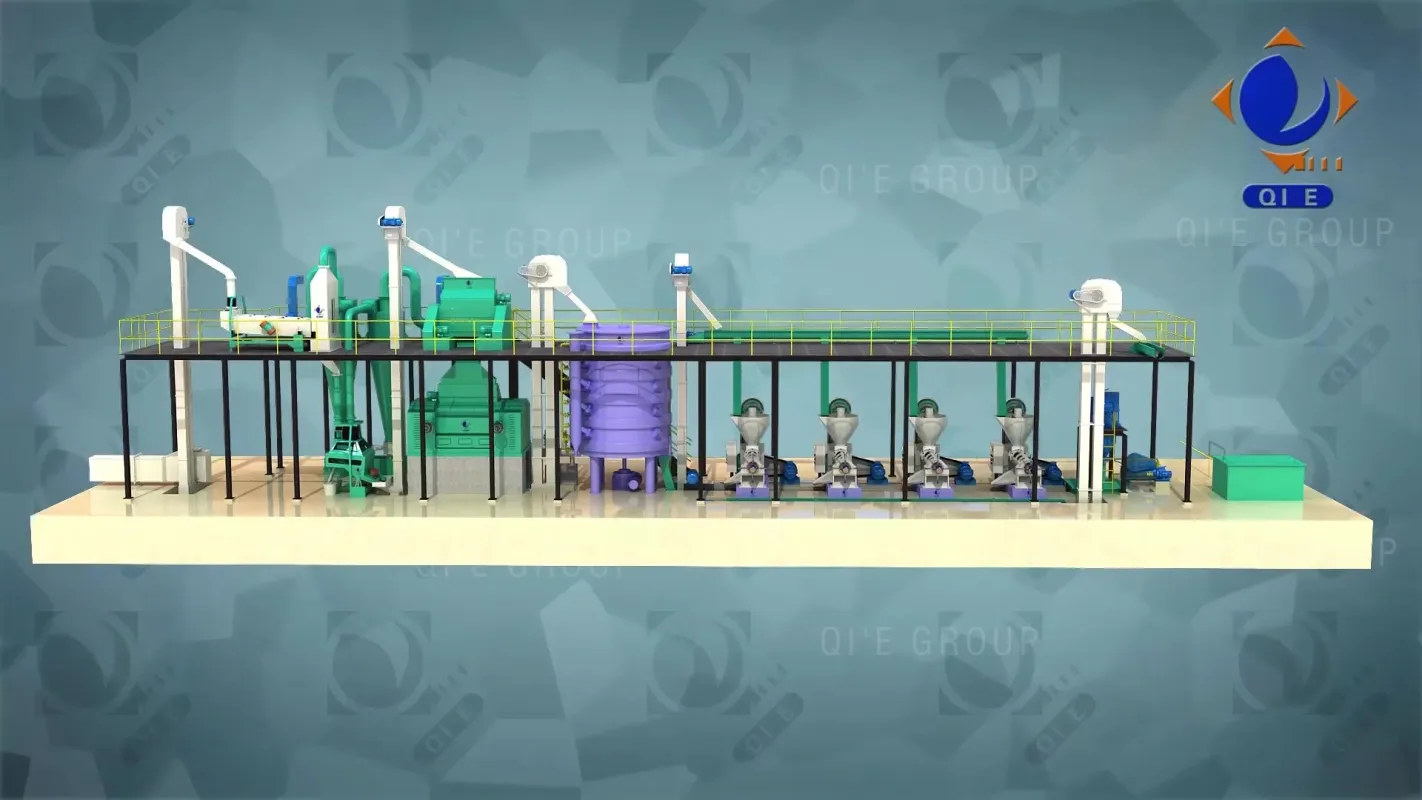
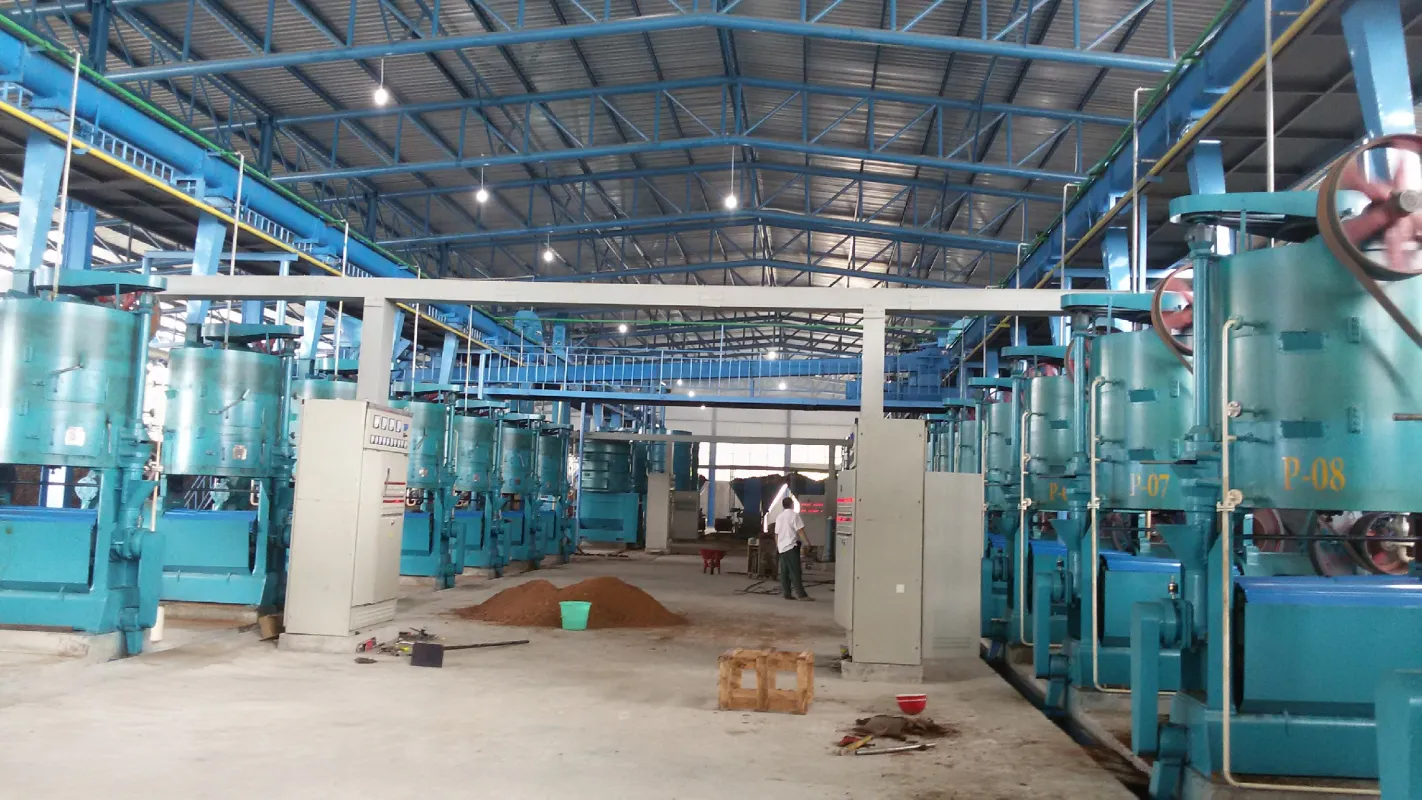
Solvent extraction remains a pivotal technique for the efficient recovery of rapeseed oil, offering superior extraction rates compared to traditional cold-pressed methods. At the molecular level, non-polar solvents such as n-hexane or n-heptane dissolve the triglycerides within rapeseed cell matrices by disrupting intermolecular forces, ensuring a rigorous oil-to-solvent interaction that can achieve extraction efficiencies exceeding 98%. This high yield significantly enhances production throughput for industrial-scale operations.
The solvent extraction processe is systematically segmented into critical stages:
Integration of automated controls in each phase maintains parameter consistency, reduces human error, and guarantees stable product quality essential for high-end markets.
Commonly, n-hexane serves as the preferred solvent due to its optimal volatility and solvency power. However, its flammability necessitates strict adherence to explosion-proof standards and continuous solvent vapor monitoring systems within extraction facilities.
Additionally, sustainable solvent recovery units employ condensation and adsorption technologies, achieving solvent recycling rates upward of 99%, effectively reducing environmental footprint and operational costs.
"Implementing robust solvent recovery and safety mechanisms is crucial not only for compliance with international food safety standards but also for safeguarding operational continuity," asserts Dr. Helen Morrison, a leading process engineer in edible oil production.
Quantitative evaluation underscores significant divergences between solvent extraction and cold pressing:
| Parameter | Solvent Extraction | Cold Pressing |
|---|---|---|
| Oil Yield | ~98%+ | ~70-75% |
| Energy Consumption | Higher (due to solvent recovery) | Lower |
| Cost Efficiency | More cost-effective at scale | Higher product price per unit |
| Nutrient Retention | Good with optimized low-temp processing | Excellent |
Appropriate method selection depends heavily on desired yield, product positioning, and regulatory framework. For enterprises prioritizing maximum extraction and operational scalability, solvent extraction paired with advanced process controls is quintessential.
Operators often encounter issues such as solvent residues exceeding regulatory limits and equipment fouling from waxes and gums. Best practices derived from successful implementations include:
These measures, backed by case studies from leading manufacturers, ensure prolonged operational uptime and regulatory compliance.
Contrary to concerns, solvent extraction can preserve sensitive bioactive compounds when employing controlled low-temperature desolventizing and potent antioxidant technologies. For instance, retention levels of Vitamin E and phytosterols can remain above 85% compared to raw seeds, owing to minimized thermal degradation.
Discover Our Advanced Automated Solvent Extraction Systems for Rapeseed Oil Production