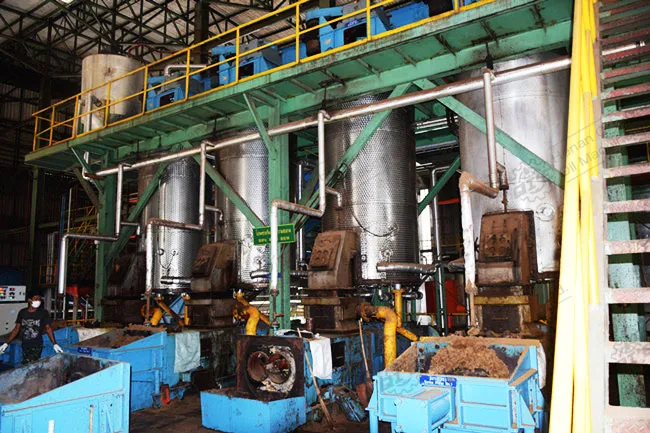
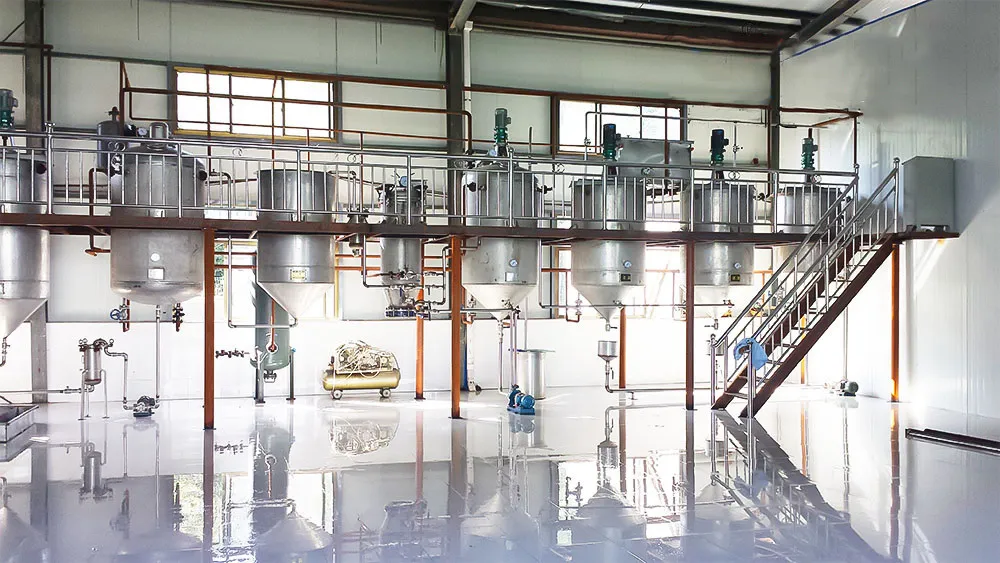
Modern sesame oil processors are increasingly upgrading from segmented manual operations to more coordinated and data-supported production. Qi'e Grain and Oil Machinery Co., Ltd. provides sesame oil production line solutions that combine process equipment with practical automation options for washing, drying, pressing, filtration, and bottling.
A smart sesame oil production line is designed to improve process coordination, support consistent operating parameters, and make production information easier to monitor. The appropriate automation level depends on production capacity, equipment compatibility, maintenance requirements, operator training, and energy and environmental objectives. Automation does not necessarily mean completely unmanned production; it means using suitable control technologies to make production more stable, manageable, and traceable.
Sesame oil quality is influenced by raw material preparation, processing parameters, equipment coordination, filtration performance, and handling conditions. When each stage is operated independently, it can be more difficult to maintain consistent timing and settings. PLC control, sensors, and production data monitoring help connect the main processing stages so operators can manage the line according to defined production requirements.
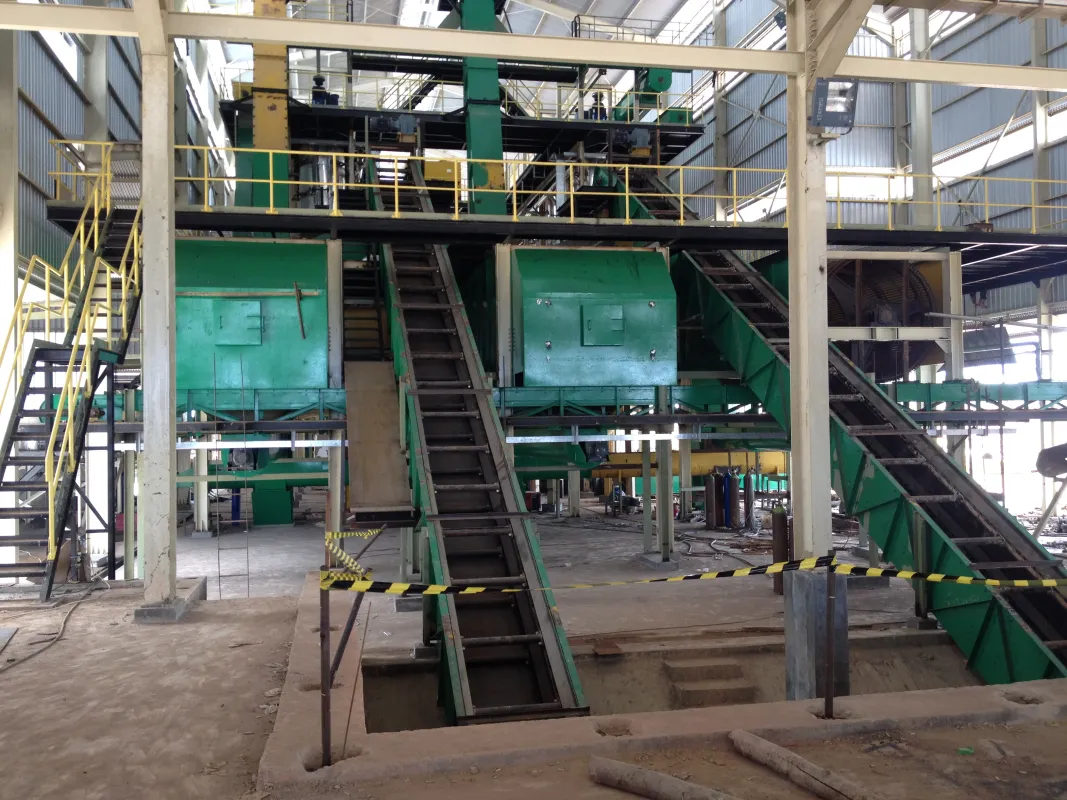
The preparation stage can be coordinated with downstream equipment to support a continuous workflow. Suitable monitoring helps operators manage the movement and treatment of sesame seeds before drying and pressing.
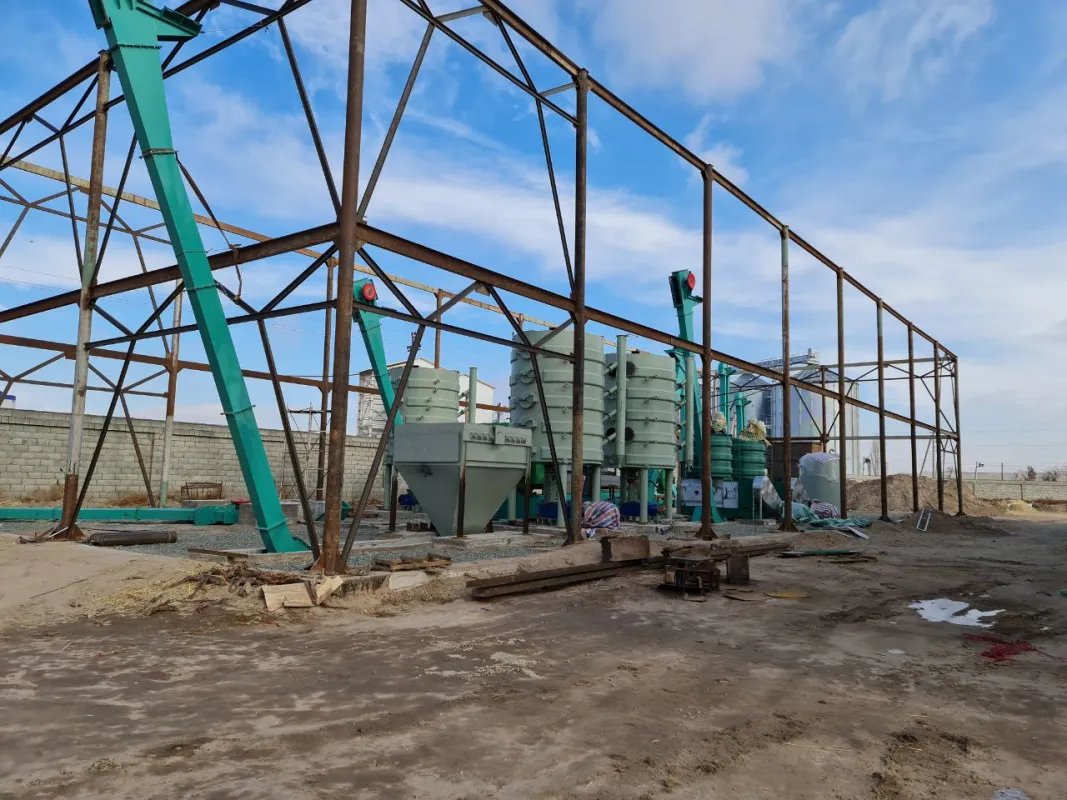
Sensors and control logic can support the coordination of drying equipment with material flow. This helps the production team monitor operating conditions and prepare sesame for the next processing stage.
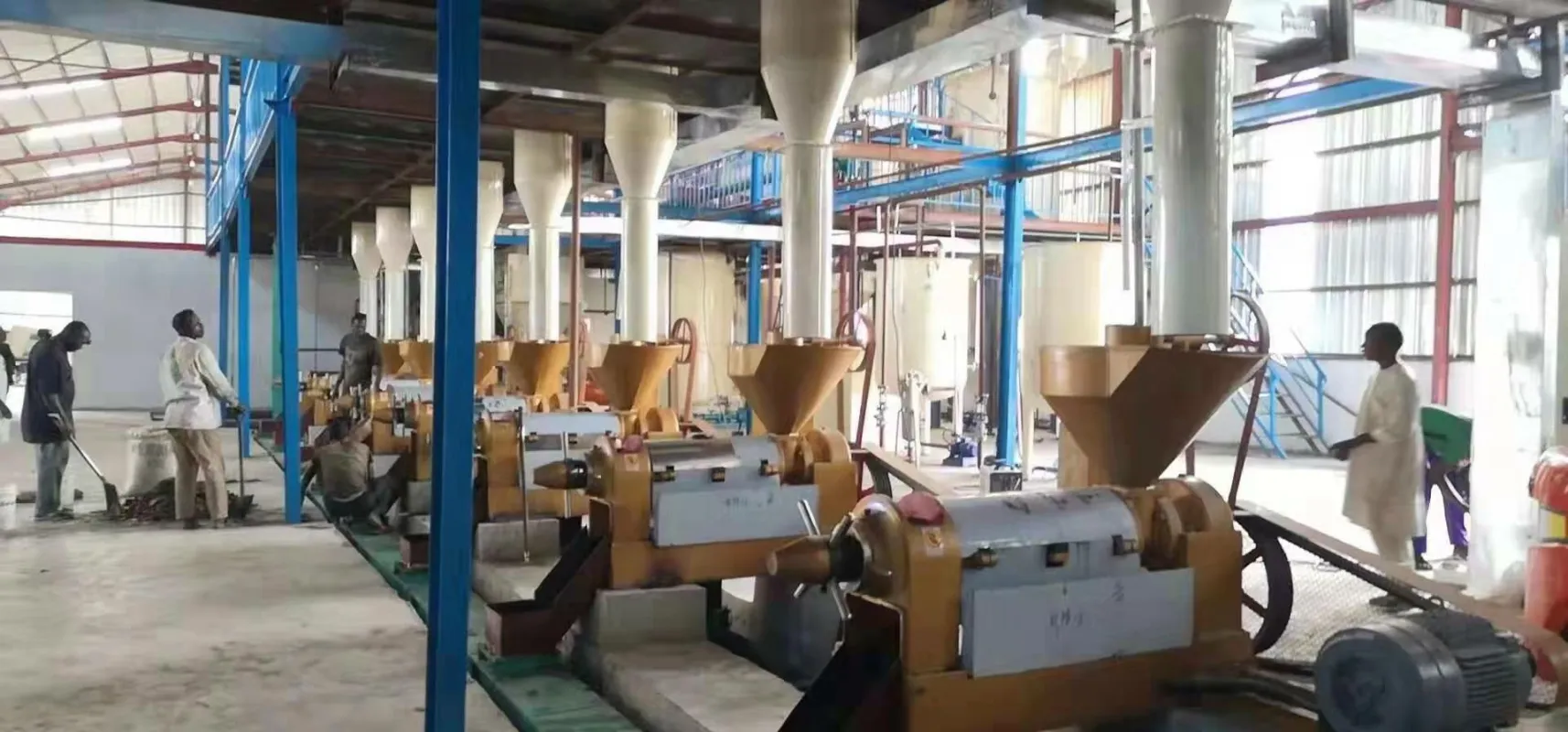
PLC-based coordination can help connect the sesame oil press with feeding and material-handling equipment. Operators can use monitored parameters to support stable production and respond to abnormal conditions.
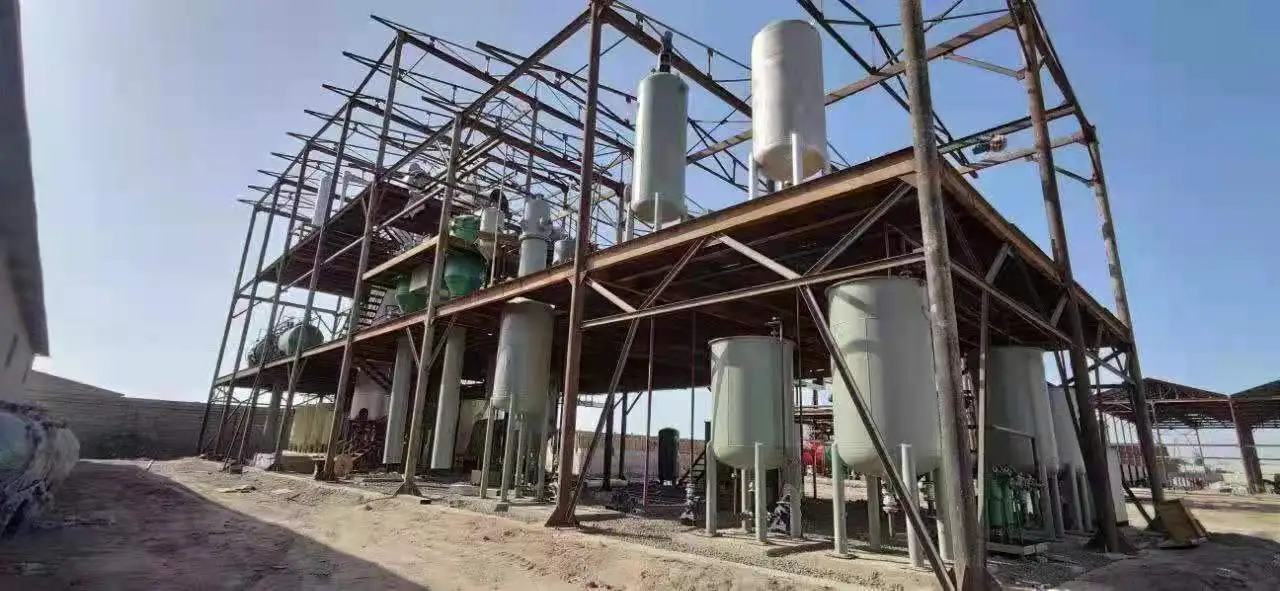
An efficient filtration system is an important part of sesame oil processing. Coordinated control and monitoring can support filtration management and help maintain the quality requirements of the finished oil.
Bottling can be linked with the preceding filtration stage to reduce unnecessary interruptions and support an organized finished-product workflow.
| Automation component | Role in production management | Practical value |
|---|---|---|
| PLC control system | Coordinates equipment operation and defined process sequences. | Supports more consistent operation and reduces dependence on isolated manual control. |
| Sensors | Collect information related to operating conditions and equipment status. | Helps operators identify deviations and take action when required. |
| Production data monitoring | Presents process information for production supervision and review. | Supports process traceability, maintenance planning, and informed operational decisions. |
Automation should be matched to the actual project rather than added as an isolated feature. Before selecting a sesame oil production line, processors should consider:
Qi'e Grain and Oil Machinery Co., Ltd. offers sesame oil production line solutions for customers starting a new sesame oil processing business as well as existing plants planning capacity or automation upgrades. The line can be discussed according to the customer’s process requirements, workshop conditions, target capacity, and preferred level of automation.
A new project can consider equipment layout, process connections, control architecture, installation requirements, and personnel training as one coordinated solution.
An existing facility can evaluate targeted improvements to equipment coordination, data monitoring, filtration, pressing, or other selected production stages.
Production capacity specifications and equipment configuration can be discussed according to the customer’s operating plan and investment scope.
Automation performance depends on more than the control cabinet. Equipment selection, installation quality, commissioning, operator training, and routine maintenance all influence the stability of a sesame oil production line. Qi'e Grain and Oil Machinery Co., Ltd. provides comprehensive customer support covering equipment installation, commissioning, and personnel training, together with project-oriented technical communication.
The goal of automation is to create a suitable and manageable production system—one that supports quality control, equipment coordination, operational visibility, and the customer’s long-term processing requirements.
Share your expected capacity, raw material information, processing objectives, workshop conditions, and automation expectations with Qi'e Grain and Oil Machinery Co., Ltd. Our team can help assess a suitable sesame oil production line configuration, including washing, drying, pressing, filtration, bottling, control, installation, commissioning, and training requirements.