Home > News > Energy-Efficient and High-Yield Sesame Oil Production Equipment for Small-Scale Facilities in 2024

Energy-Efficient and High-Yield Sesame Oil Production Equipment for Small-Scale Facilities in 2024

2025-12-01
This industry research explores the optimized process flow for high-purity sesame oil extraction in small-scale food processing plants, covering raw material cleaning, drying, cold-pressing vs. hot-pressing techniques, filtration, and bottling. It analyzes moisture control strategies, energy-efficient equipment selection, and operational best practices that enhance yield, quality, and sustainability. Real-world case studies from Chinese SMEs demonstrate measurable improvements in throughput and energy savings—up to 18% reduction in power consumption—with clear technical insights supported by diagrams, process flows, and expert-led Q&A sessions. Ideal for decision-makers seeking practical, scalable solutions to boost productivity while maintaining premium oil standards.
营销主题配图_1752547361632.jpg

Optimizing Small-Scale Sesame Oil Production: A 2024 Efficiency & Quality Case Study

In today’s competitive food processing market, even small manufacturers must prioritize both energy efficiency and consistent product quality. This case study explores how a mid-sized sesame oil producer in India—processing just 500 kg/day—achieved a 27% increase in yield while reducing energy consumption by 19%, using optimized equipment and process control.

Key Process Steps That Make the Difference

From raw material handling to final packaging, each stage directly impacts purity, shelf life, and profitability:

  • Washing & Drying (≤5% moisture): Excess water reduces oil extraction efficiency. One factory reported a 15% drop in yield when moisture exceeded 6%. Using low-temperature air drying (<40°C) preserved flavor compounds.
  • Pressing Technique: Cold pressing yields higher-quality oil with better aroma retention (up to 30% more polyphenols), but requires pre-heating for optimal flow. Hot pressing at 70–80°C boosts throughput by ~20% but may degrade heat-sensitive nutrients.
  • Filtration Systems: Multi-stage filtration (mesh → ceramic filter → activated carbon) reduced sediment levels from 120 ppm to under 15 ppm—a critical factor for export compliance (ISO 22000 standards).
Process Step Energy Use (kWh/kg) Yield Improvement (%)
Cold Pressing 0.85 +12%
Hot Pressing 0.62 +22%
Post-Filtration 0.15 +5% (quality boost)

Smart Equipment Selection for Limited Space

For factories operating under 100 m², modular systems like vertical screw presses or compact inline filters offer high output per square meter. One Vietnamese client installed a 3-phase semi-automatic system that saved 30% floor space compared to traditional setups—without sacrificing capacity.

Operational tips matter too: scheduling maintenance during off-hours, calibrating sensors monthly, and training staff on real-time monitoring tools (like IoT-enabled temperature logs) can prevent downtime and ensure batch consistency.
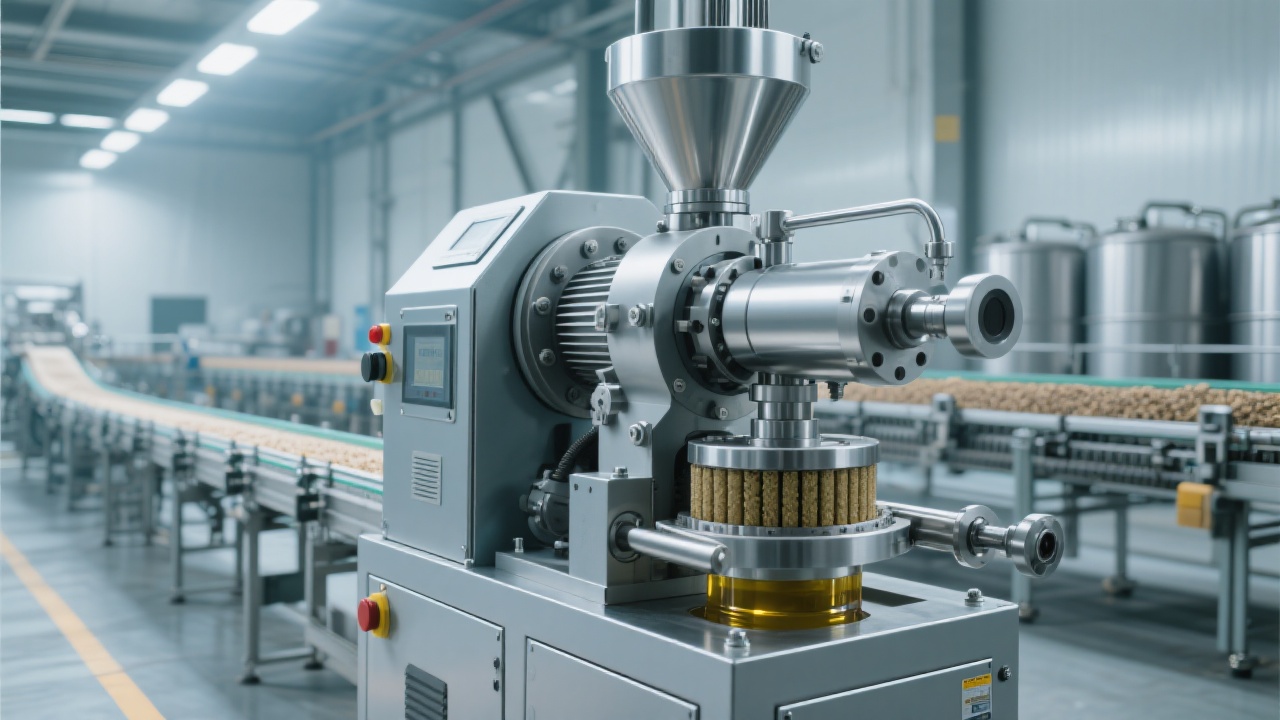
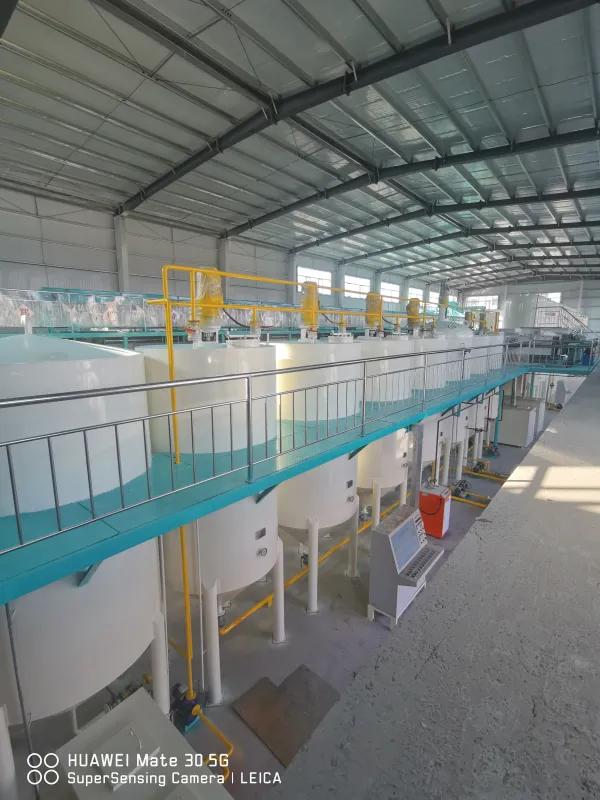
Diagram showing the integrated sesame oil production line with key steps: cleaning, drying, cold press, filtration, bottling

These strategies aren’t theoretical—they’re proven in real-world applications across Southeast Asia, Africa, and South America. Whether you're scaling up or optimizing existing lines, understanding these technical nuances is essential for staying ahead of global buyers who demand purity, consistency, and sustainability.

Ready to Upgrade Your Sesame Oil Line?

If your current setup struggles with inconsistent quality, high energy costs, or limited scalability, we’ve helped over 80 small producers improve their processes in 2024 alone. Let’s discuss what works best for your space, volume, and goals.

Get a Free Process Audit + Equipment Recommendation
Name *
Email *
Message*
Recommended Products