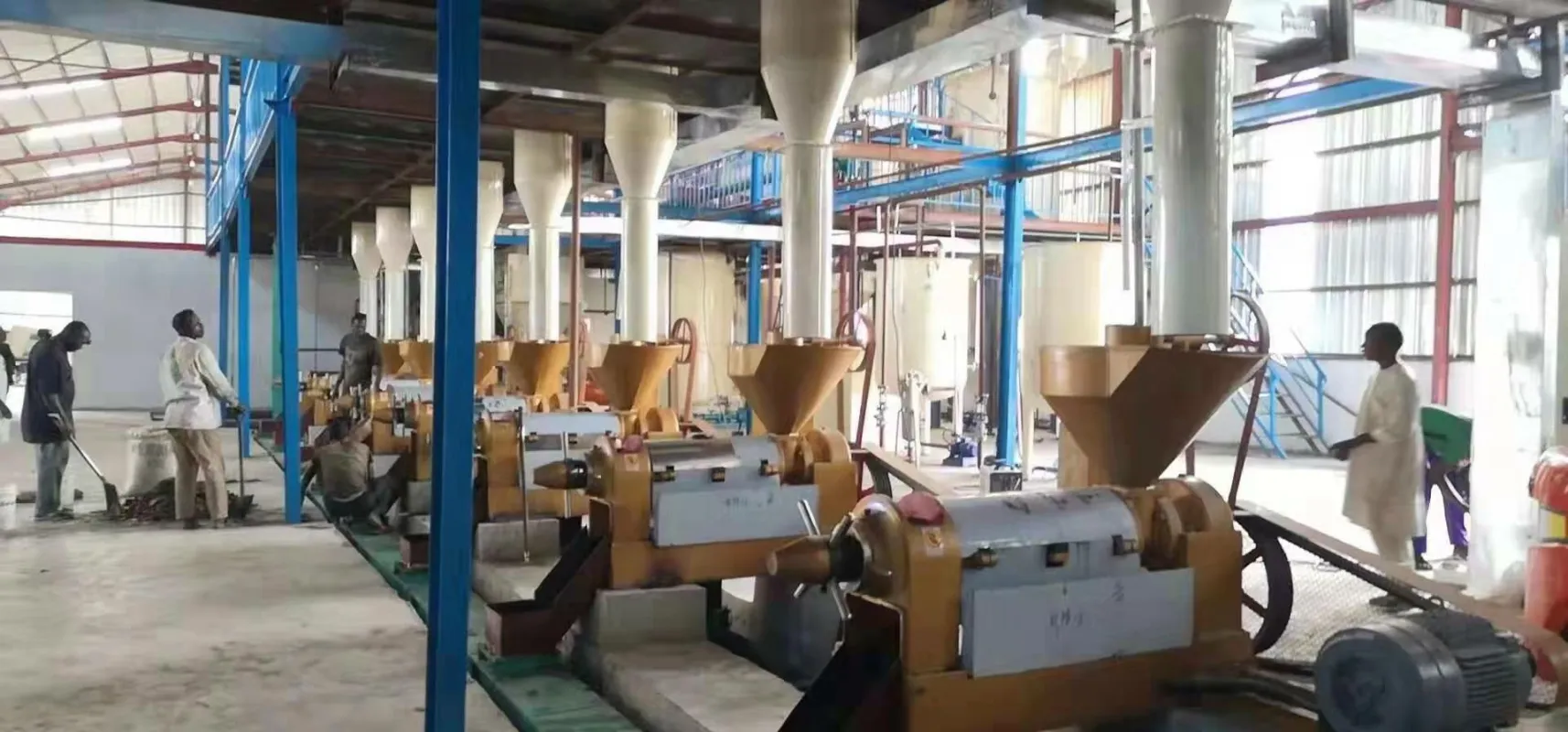
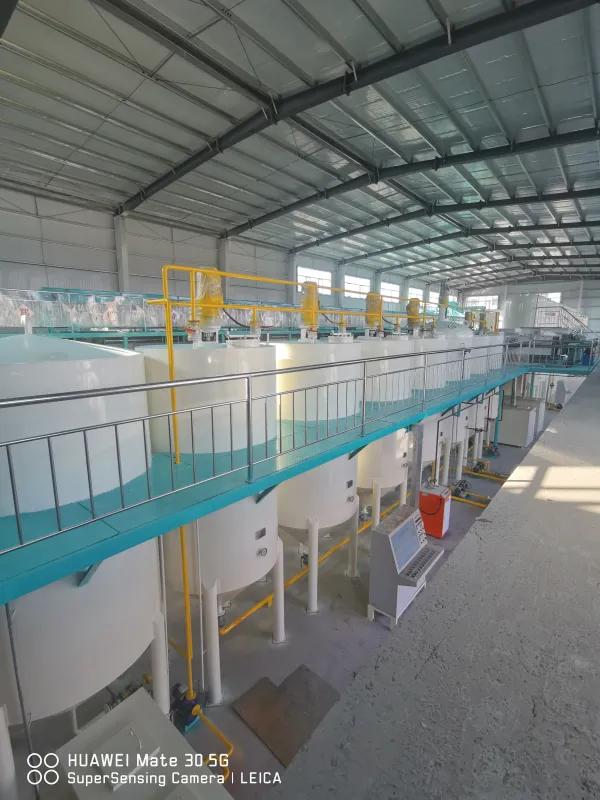
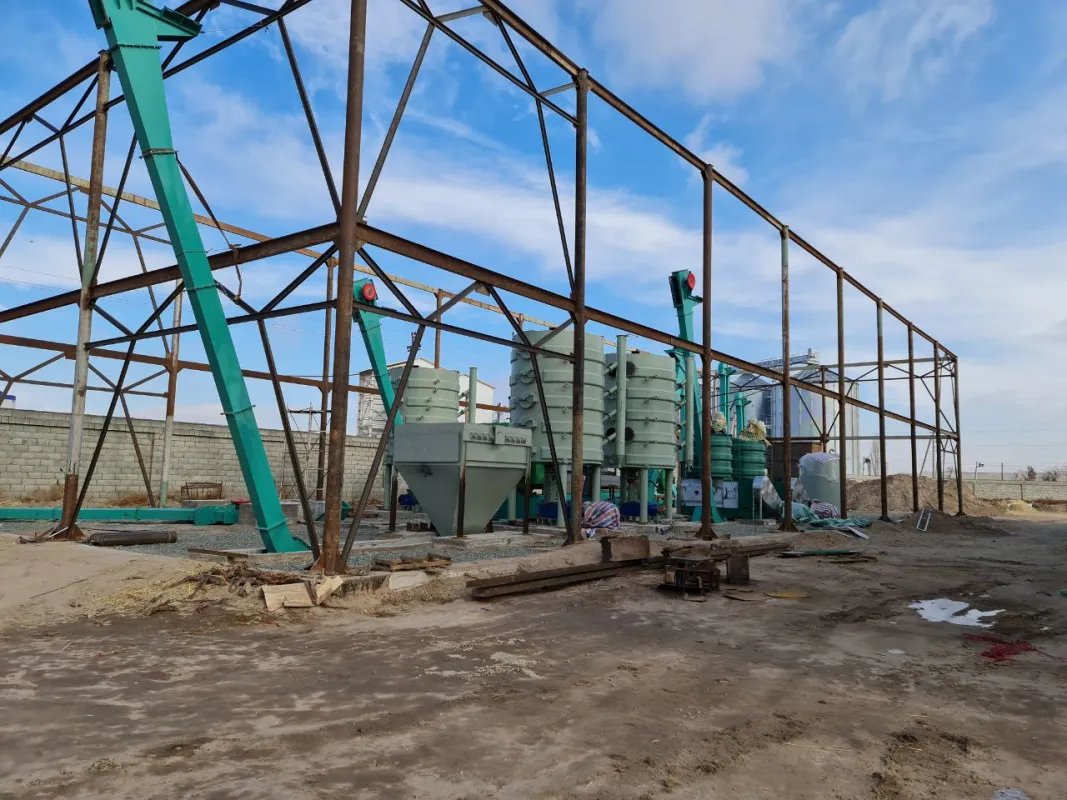
When you're looking to start a small - scale sesame oil processing business, the first step is to set a daily production goal. For small factories, an ideal daily output ranges from 50 to 200 kg. Once you've determined this, understanding the modular equipment configuration logic becomes crucial. Each module in the production line plays a specific role, contributing to the overall efficiency and quality of the sesame oil production.
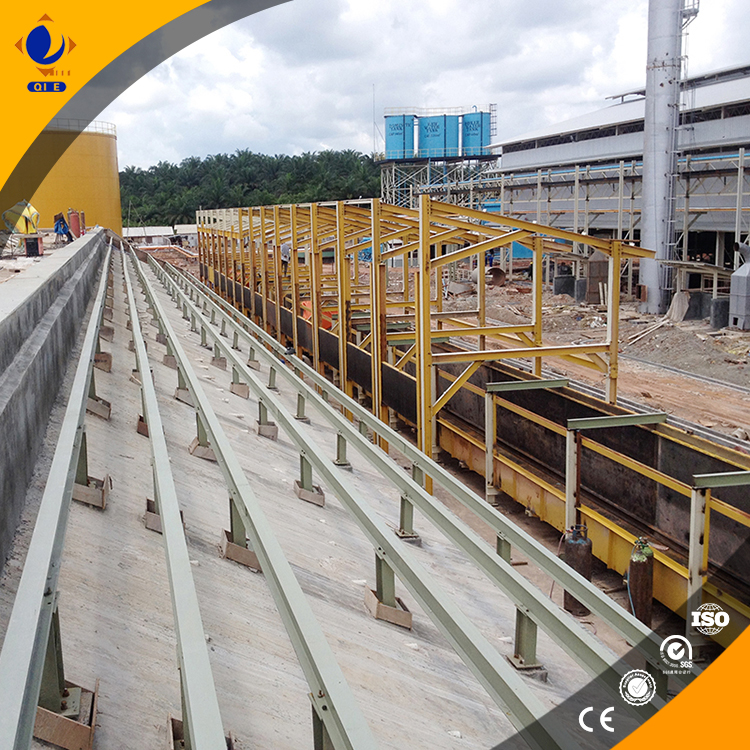
Let's take a closer look at the key equipment in the sesame oil production line. The washer is responsible for removing impurities from the sesame seeds. A high - quality washer can ensure that only clean seeds enter the next stage, which directly affects the purity of the final product. The dryer then reduces the moisture content of the seeds to an optimal level for pressing. If the moisture is too high or too low, it can impact the oil extraction rate.
The screw oil press is the heart of the production line. Its performance parameters, such as pressing pressure and rotation speed, determine how much oil can be extracted from the seeds. After pressing, the filter removes any remaining solids from the crude oil, and finally, the filling line packages the refined oil into containers. Each piece of equipment's performance parameters has a significant impact on the quality and efficiency of the entire production process.
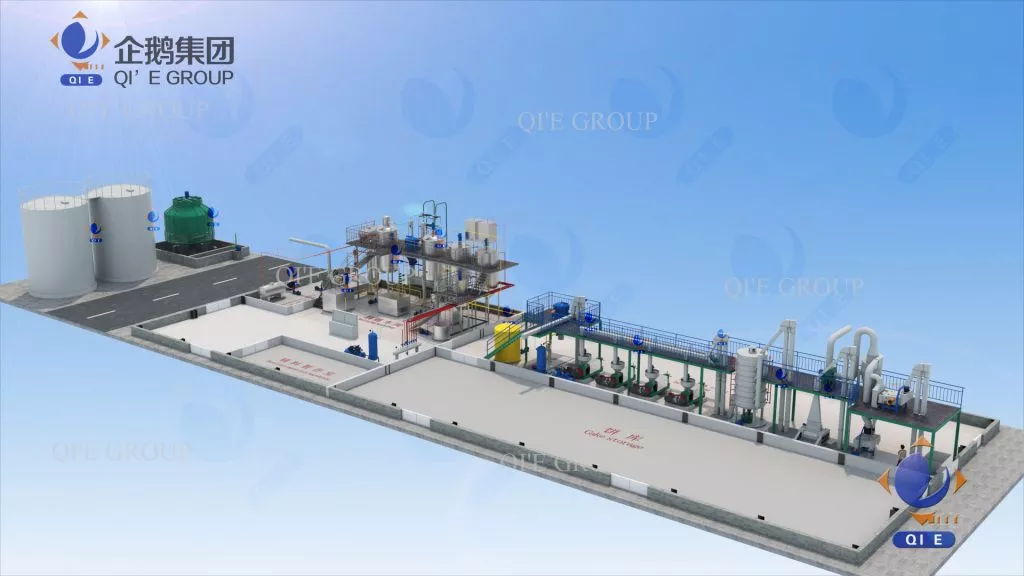
One of the most effective ways to save energy in sesame oil processing is through a thermal energy recovery system. This system captures the waste heat generated during the production process and reuses it. For example, the heat from the dryer can be redirected to pre - heat the seeds before pressing. By implementing this system, small factories with a daily output of 50 - 200 kg can reduce their energy consumption by up to 30%. The following table shows a comparison of energy consumption before and after the implementation of the thermal energy recovery system:
| Stage | Energy Consumption Before (kWh) | Energy Consumption After (kWh) |
|---|---|---|
| Overall Production | 100 | 70 |
Using variable - frequency motors in the production line can also lead to significant energy savings. These motors adjust their speed according to the actual load requirements. For instance, when the production demand is low, the motor can operate at a lower speed, consuming less electricity. This strategy, combined with an automated control system, can further optimize energy use.
Let's look at a real - world example. A small sesame oil factory decided to implement an energy - saving transformation project. Before the transformation, the factory had an energy consumption of 150 kWh per day. After installing the thermal energy recovery system, adopting variable - frequency motor control, and an automated control system, the daily energy consumption dropped to 105 kWh, a 30% reduction. In terms of investment return, the initial investment for the energy - saving equipment was $10,000. With the energy cost savings of $50 per day, the factory was able to recoup its investment in less than a year.
"After implementing the energy - saving solutions, we not only reduced our production costs but also improved our overall efficiency. The thermal energy recovery system was a game - changer for us." - Factory Owner
To help you make more informed decisions, we provide a production capacity calculation table and an equipment selection reference tool. These tools can assist you in determining the most suitable equipment for your production scale and energy - saving requirements.
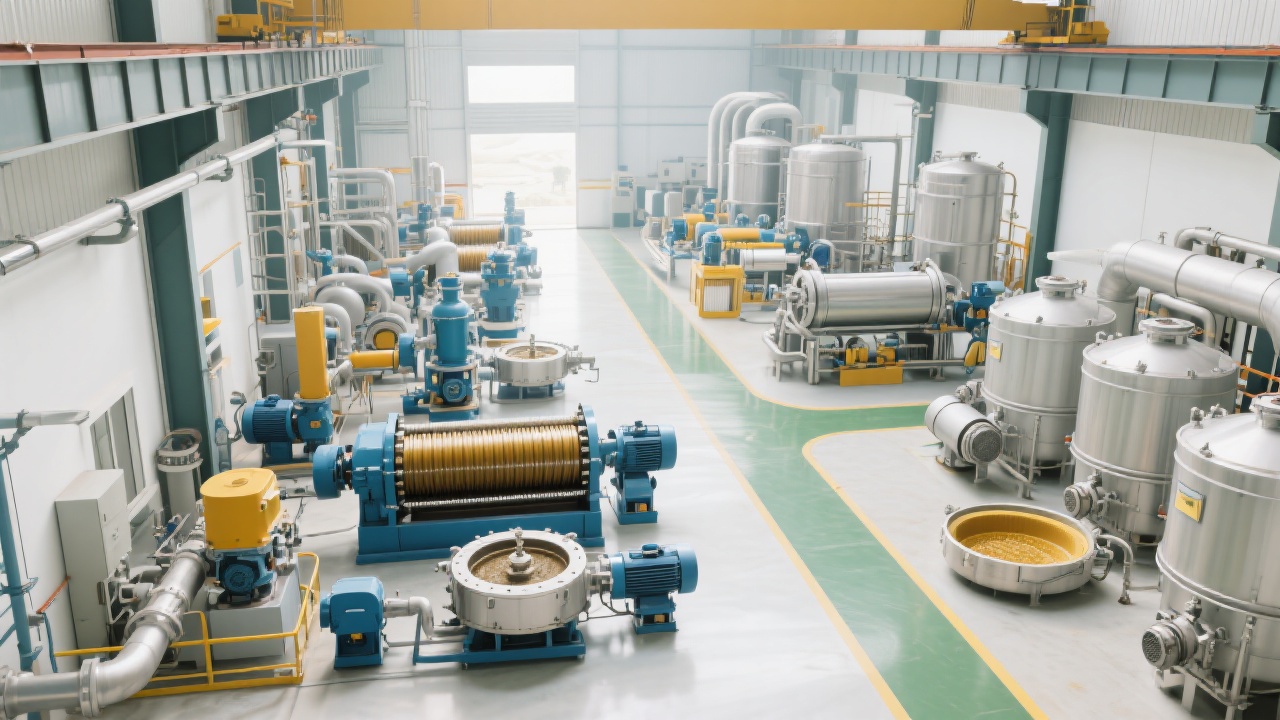
QIE Group high - purity sesame oil extraction system comes with remarkable energy - saving advantages. It integrates the latest energy - saving technologies we've discussed, ensuring that your production process is both efficient and cost - effective. Additionally, the system is backed by comprehensive after - sales support, giving you peace of mind throughout the operation.
Are you interested in optimizing your sesame oil production with our energy - saving solutions? Do you want to know if your factory is a good fit for this energy - saving plan? Click here to learn more and start your energy - saving journey today!