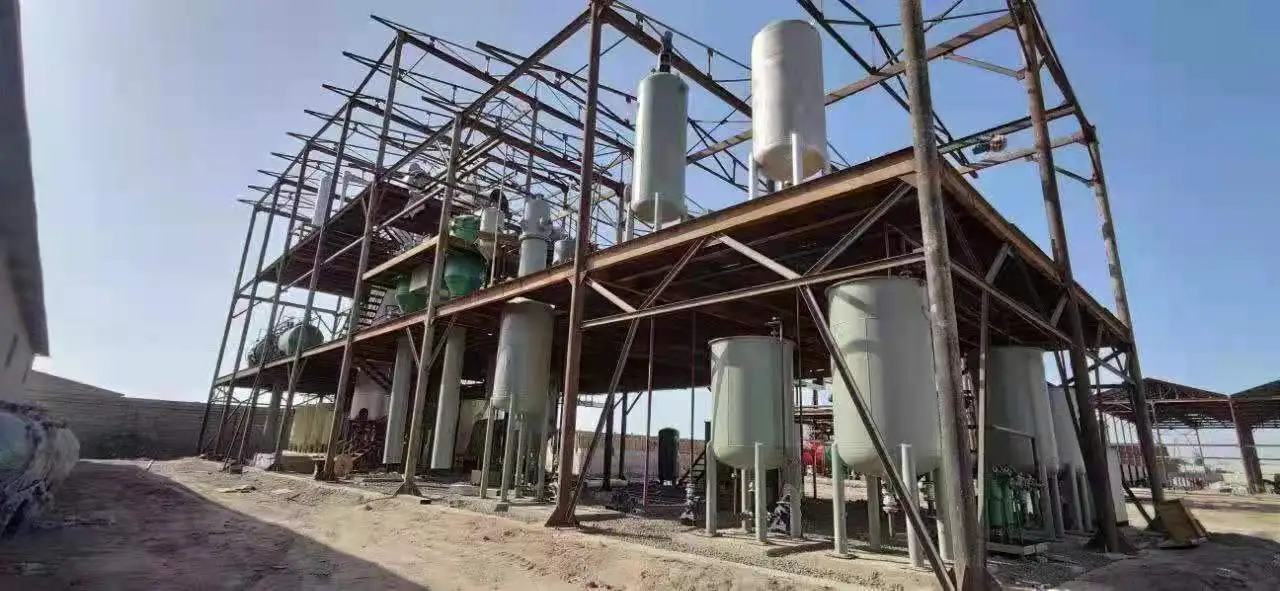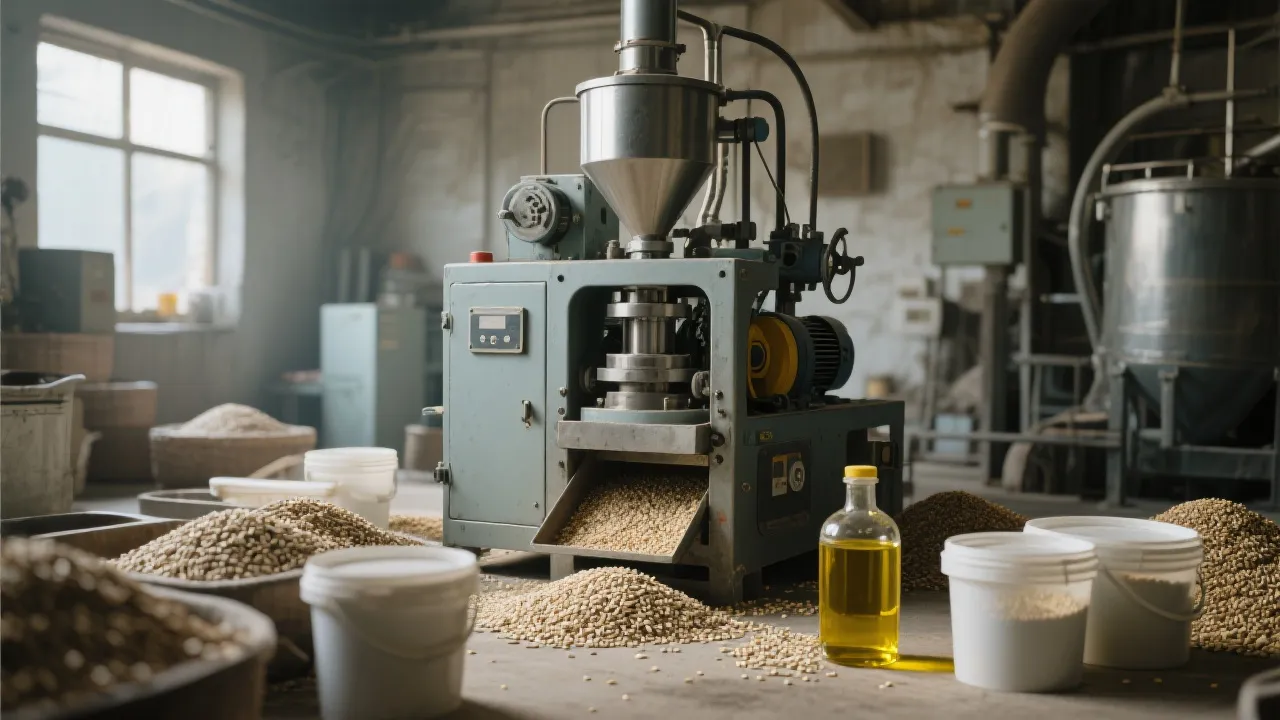
For small to mid-sized food processors aiming to boost yield and purity in sesame oil production, understanding the core technical steps is essential—not just for compliance, but for profitability. Our analysis of real-world operations shows that optimizing moisture control alone can increase extraction efficiency by up to 12%, while proper filtering reduces sediment levels from 1.5% to under 0.2%—critical for shelf life and premium positioning.
The journey begins with raw material preparation: cleaning and drying. Experts recommend maintaining grain moisture at 6–8% before pressing—a range where oil release peaks without compromising seed integrity. In one case study from a Malaysian processor, reducing moisture from 12% to 7% increased daily output by 18% using existing equipment.
| Process Step | Key Parameter | Impact on Yield/Purity |
|---|---|---|
| Drying | Moisture content (6–8%) | ↑ 12% higher oil recovery |
| Pressing | Cold vs. hot press temp | Cold: better flavor, lower yield; Hot: higher yield, risk of oxidation |
| Filtration | Mesh size (10–20 µm) | Reduces turbidity by 80% |
Choosing between cold-press and hot-press depends on your target market. Cold-pressed oil retains more antioxidants and has a stronger aroma—ideal for gourmet or health-conscious buyers in Europe and North America. Hot-pressed oils offer higher throughput and are preferred in mass-market regions like Southeast Asia. Both methods benefit from precision temperature control during pressing (±2°C tolerance) to avoid degradation.
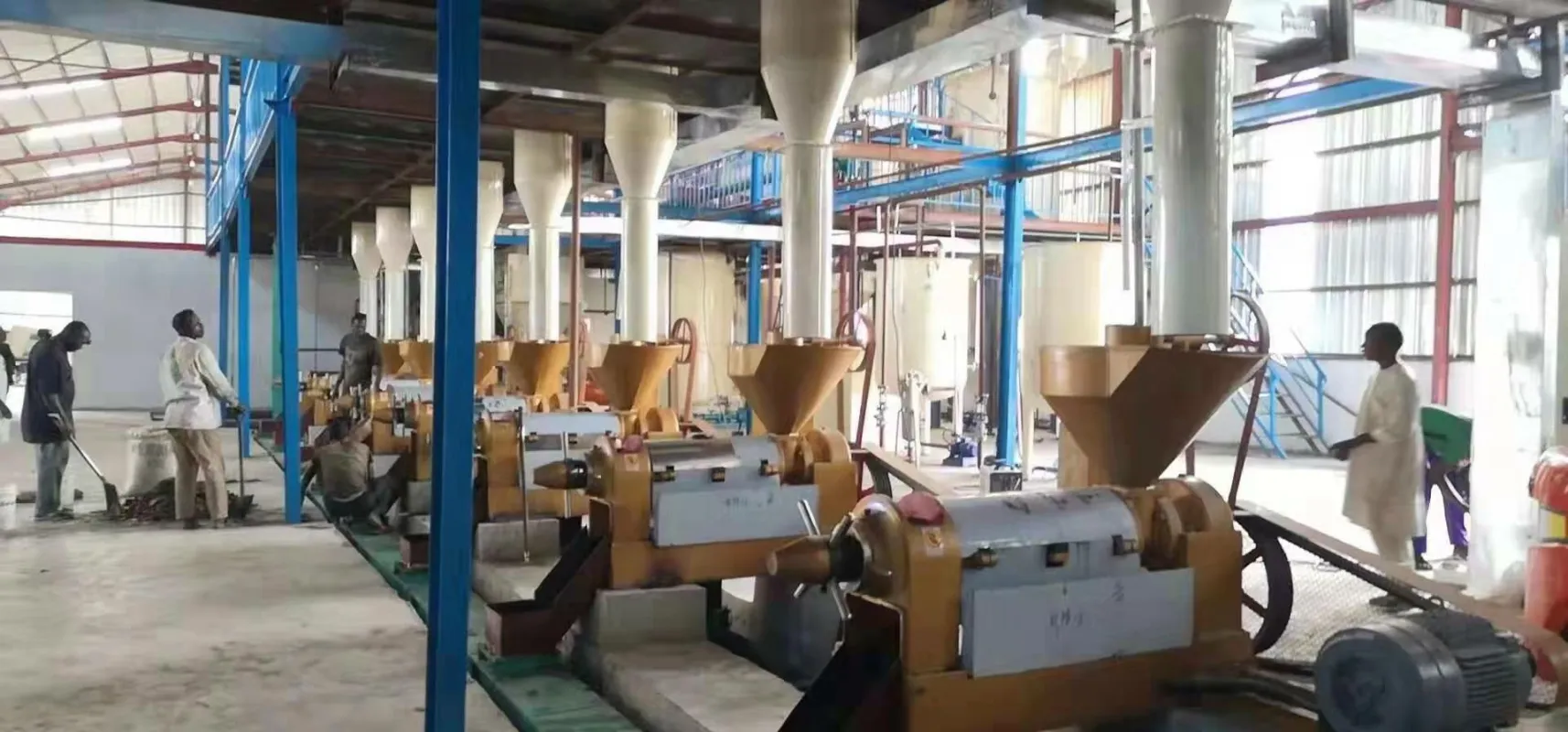
Small factories often overlook compact yet efficient systems. A well-configured setup—including a single-stage screw press, multi-layer filter unit, and automated filling machine—can handle 150–200 kg/hour with minimal footprint. One Indian manufacturer reported saving 22% on energy costs after switching to an optimized system with variable-speed drives and heat recovery units.
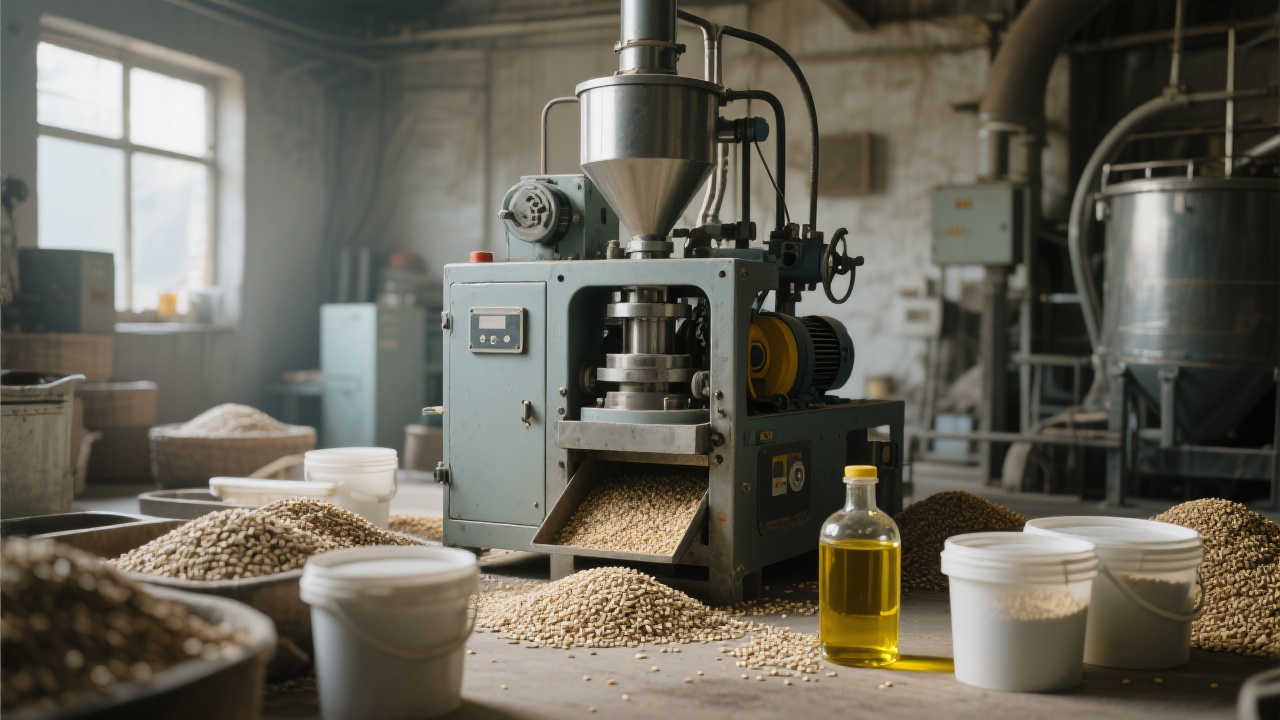
Operational discipline matters too. Regular maintenance checks, real-time monitoring of pressure and temperature, and consistent batch testing ensure quality stability—especially important when targeting B2B clients who demand traceability and consistency.
If you’re serious about producing high-purity, high-yield sesame oil in a cost-effective way, it’s time to upgrade your approach—not just your equipment. We’ve helped over 50 small-scale producers across Africa, South Asia, and Latin America achieve measurable gains in both efficiency and product quality through tailored technical support and smart automation.
Get Your Free Technical Audit + Equipment Recommendations
Let us review your current setup and provide actionable insights tailored to your factory size, budget, and goals.
👉 Request Your Customized Plan Now