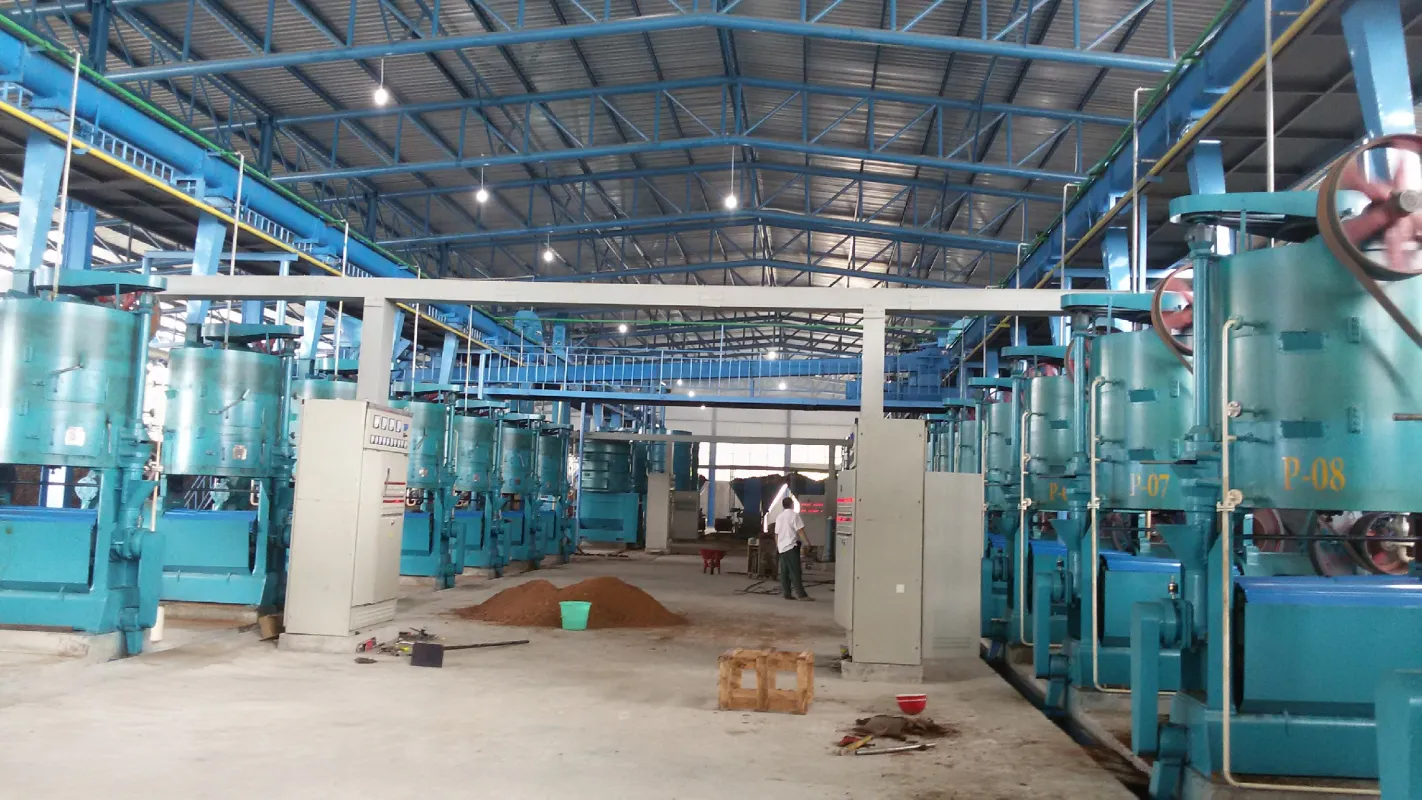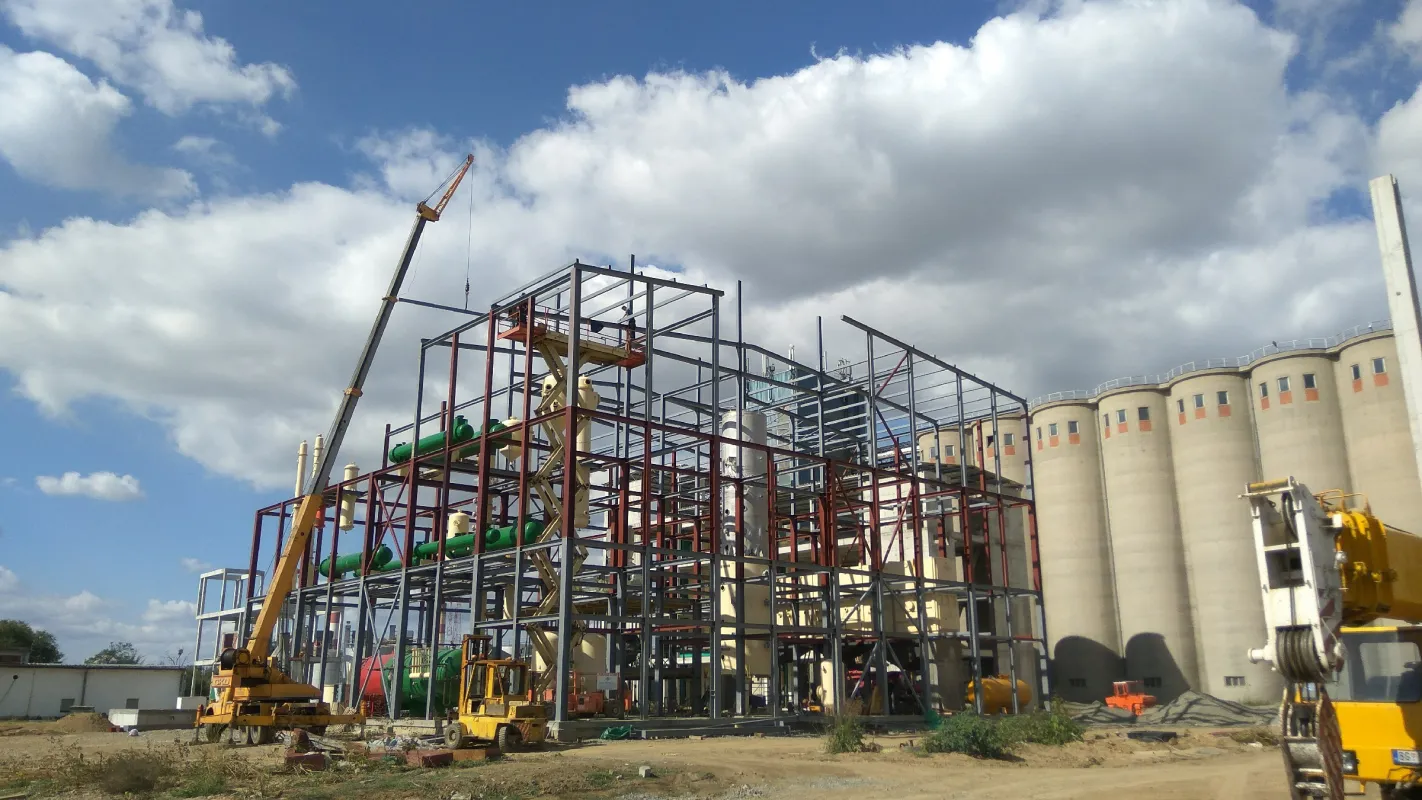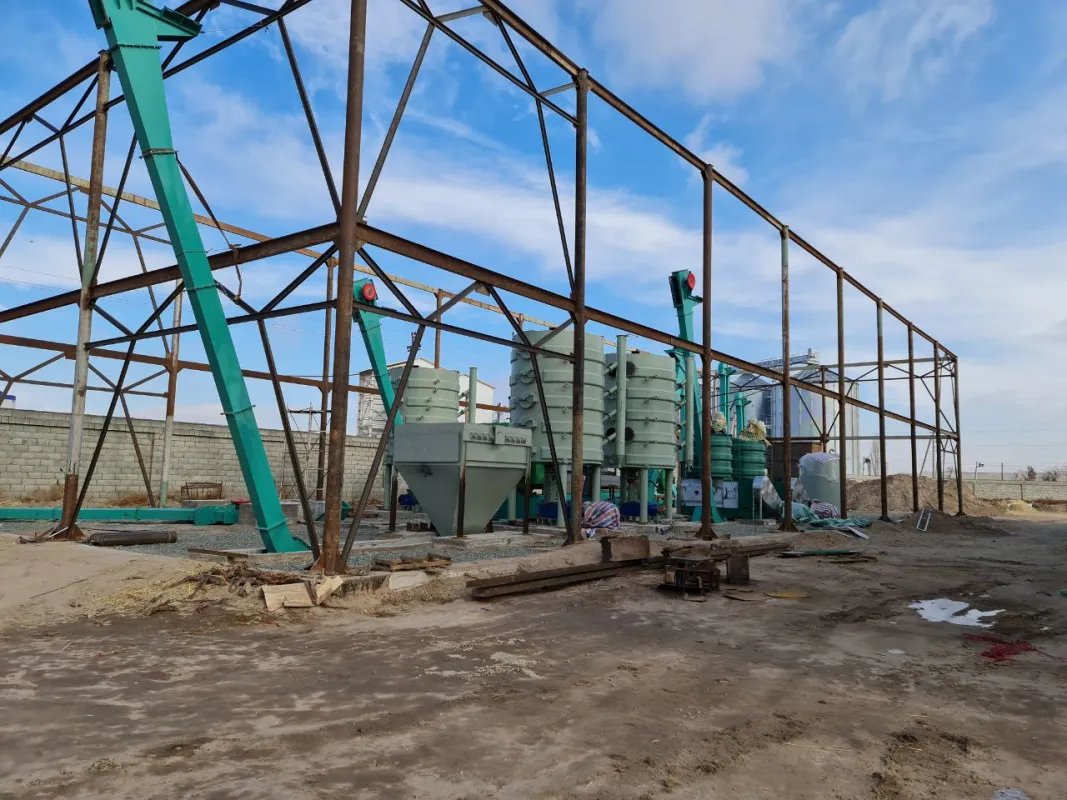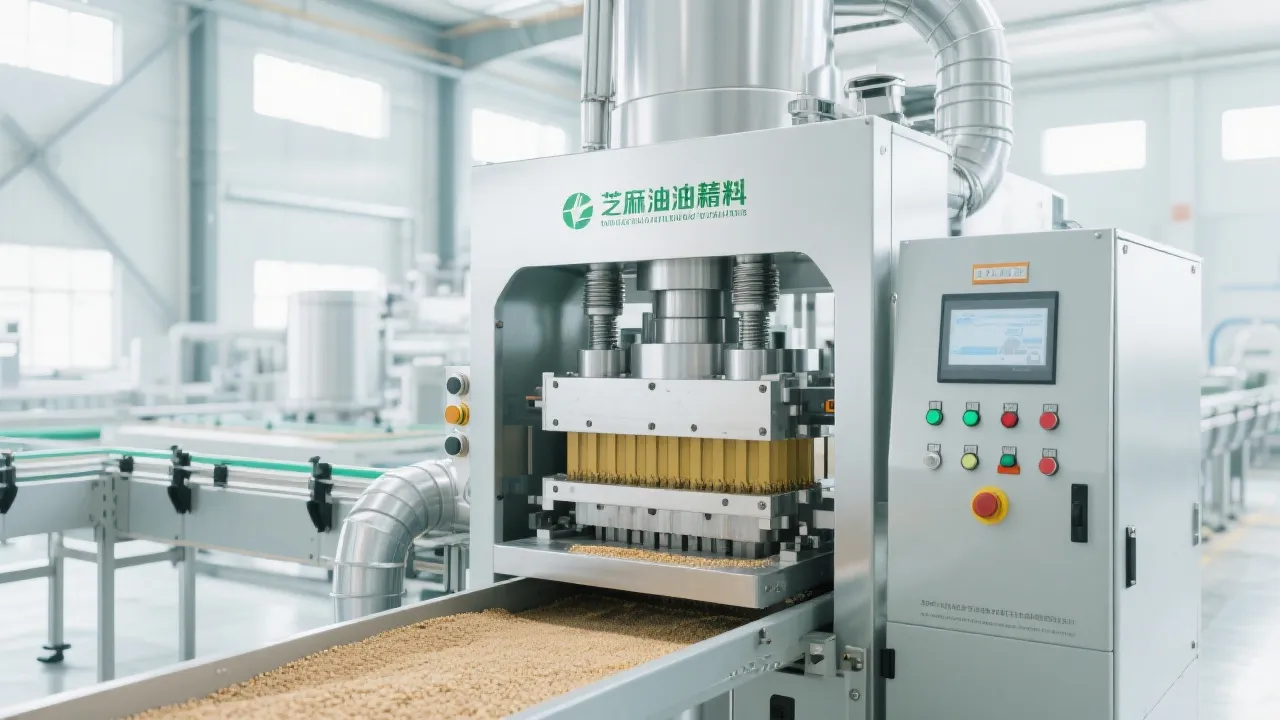
Your factory, as a small - to - medium - sized sesame oil processing enterprise, is constantly seeking ways to achieve high - purity, low - energy production. Let's start by dissecting the entire production process from raw material cleaning to filling.
When it comes to raw material cleaning, the quality of the sesame seeds is crucial. Impurities in the seeds can affect the final oil quality. For example, stones and dust can cause abrasion to the equipment and reduce the oil's purity. You should ensure that the cleaning process can remove at least 95% of these impurities. After cleaning, the drying process is next. The drying temperature has a significant impact on the oil yield. Generally, a drying temperature between 80 - 100°C can increase the oil yield by about 5 - 10% compared to lower temperatures. This is because proper drying reduces the moisture content in the seeds, making it easier for the oil to be extracted.
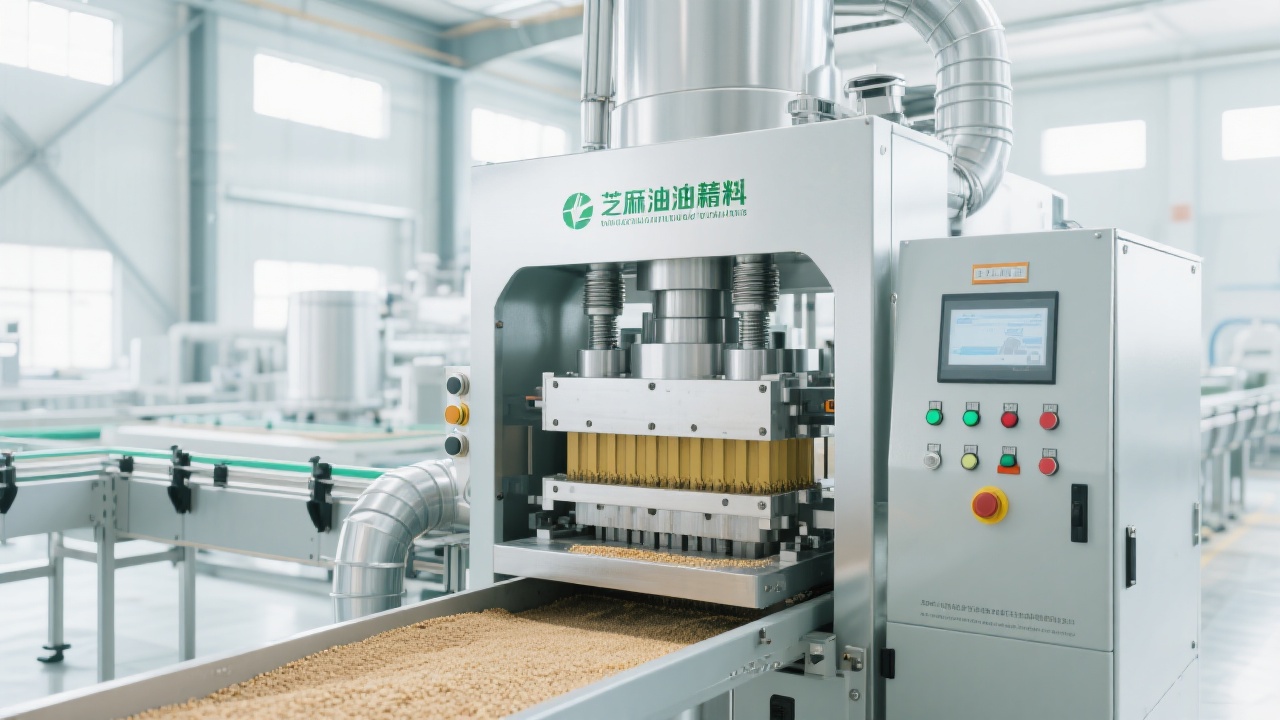
The choice between cold - pressing and hot - pressing technologies is also a key decision. Cold - pressing is known for retaining more nutrients in the oil, such as vitamins and antioxidants. However, the oil yield is relatively low, usually around 30 - 35%. On the other hand, hot - pressing can increase the oil yield to 40 - 45%, but it may destroy some of the heat - sensitive nutrients. You need to balance between quality and quantity according to your market demand.
Another important aspect is the filtration system. The filtration precision is directly related to the removal of impurities. A high - precision filtration system can remove up to 99% of impurities, ensuring high - purity sesame oil. For instance, a filter with a pore size of 1 - 5 microns can effectively remove fine particles and sediment.
Based on your factory's floor area, production volume requirements, and energy - consumption budget, here are some suitable equipment combination suggestions for small - to - medium - sized enterprises.
When considering the cleaning equipment, you should choose a model with a high - efficiency cleaning function. For a factory with a daily production of 1 - 5 tons of sesame oil, a vibrating screen cleaner with a capacity of 2 - 5 tons per hour is a good choice. It has a relatively small footprint and can effectively clean the seeds.
For the pressing equipment, if you focus on high - quality cold - pressed oil, a hydraulic cold - press machine is recommended. It has a relatively low energy consumption, about 1 - 2 kWh per ton of seeds. If you want to increase the production volume, a screw hot - press machine is more suitable. Although its energy consumption is slightly higher, around 3 - 5 kWh per ton of seeds, it can significantly improve the oil yield.
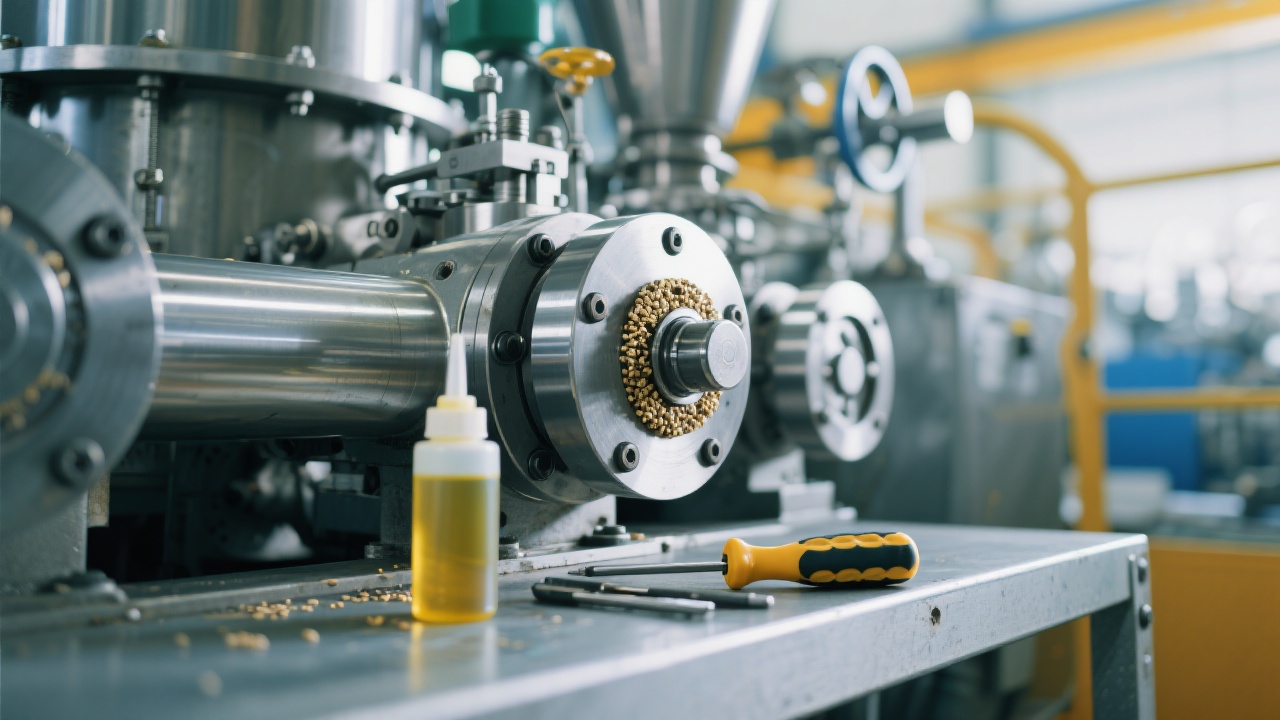
The filtration equipment should have a high degree of automation and be easy to maintain. A plate - and - frame filter press is a popular option. It can be adjusted according to the filtration precision requirements and is easy to clean and replace filter plates. In addition, a closed - design equipment is preferred as it can prevent the oil from being contaminated by the external environment and reduce the loss of volatile components.
To ensure continuous production, you need to have a reasonable production plan. For example, you can arrange a buffer storage area for raw materials and semi - finished products. This can prevent production interruptions caused by raw material shortages or equipment failures. You should also conduct regular equipment maintenance to ensure its stable operation. For instance, cleaning the pressing chamber and replacing worn - out parts every 100 - 200 production hours.
Energy - consumption monitoring is also crucial. You can install energy - consumption meters on each piece of equipment to record the energy usage. By analyzing the data, you can identify energy - consuming equipment and take measures to optimize it. For example, adjusting the operating parameters of the drying equipment to reduce energy waste.
To control the quality consistency, you need to establish a strict quality control system. Sampling and testing the oil at different production stages, such as after pressing, after filtration, and before filling. By setting clear quality indicators, such as acid value, peroxide value, and color, you can ensure that the final product meets the market requirements.
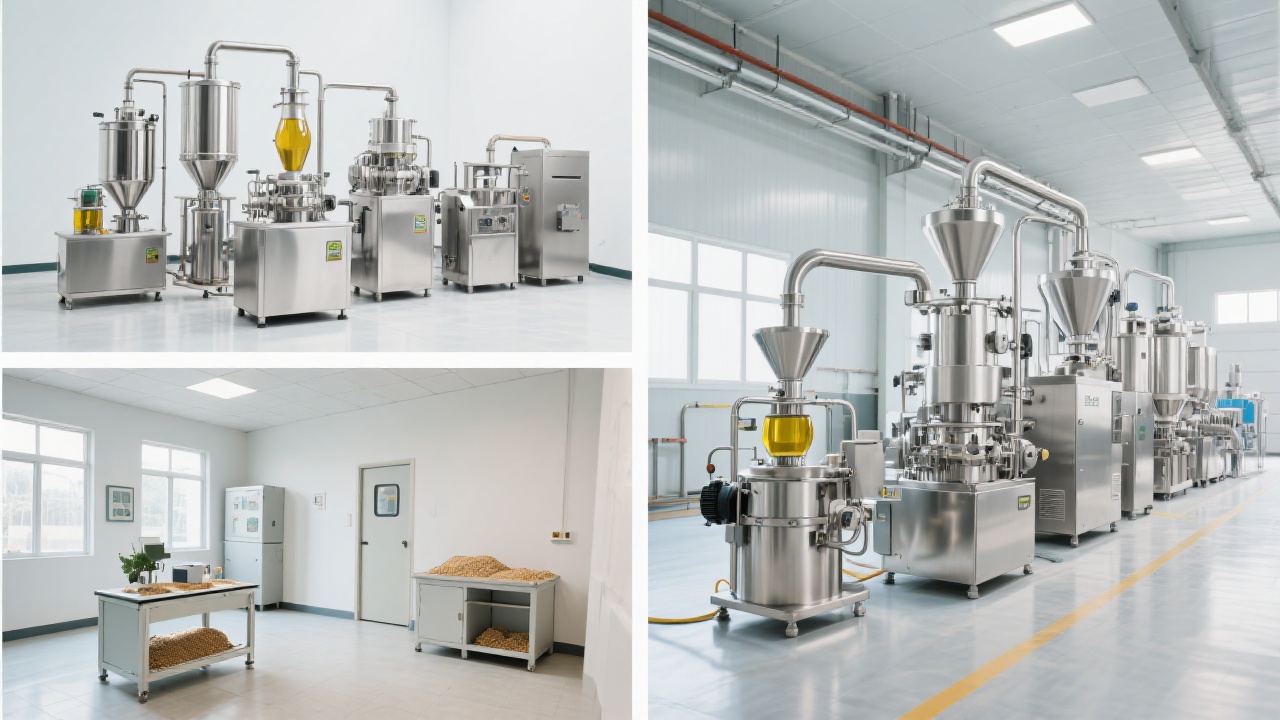
Get Your Exclusive Sesame Oil Equipment Configuration Plan Now!