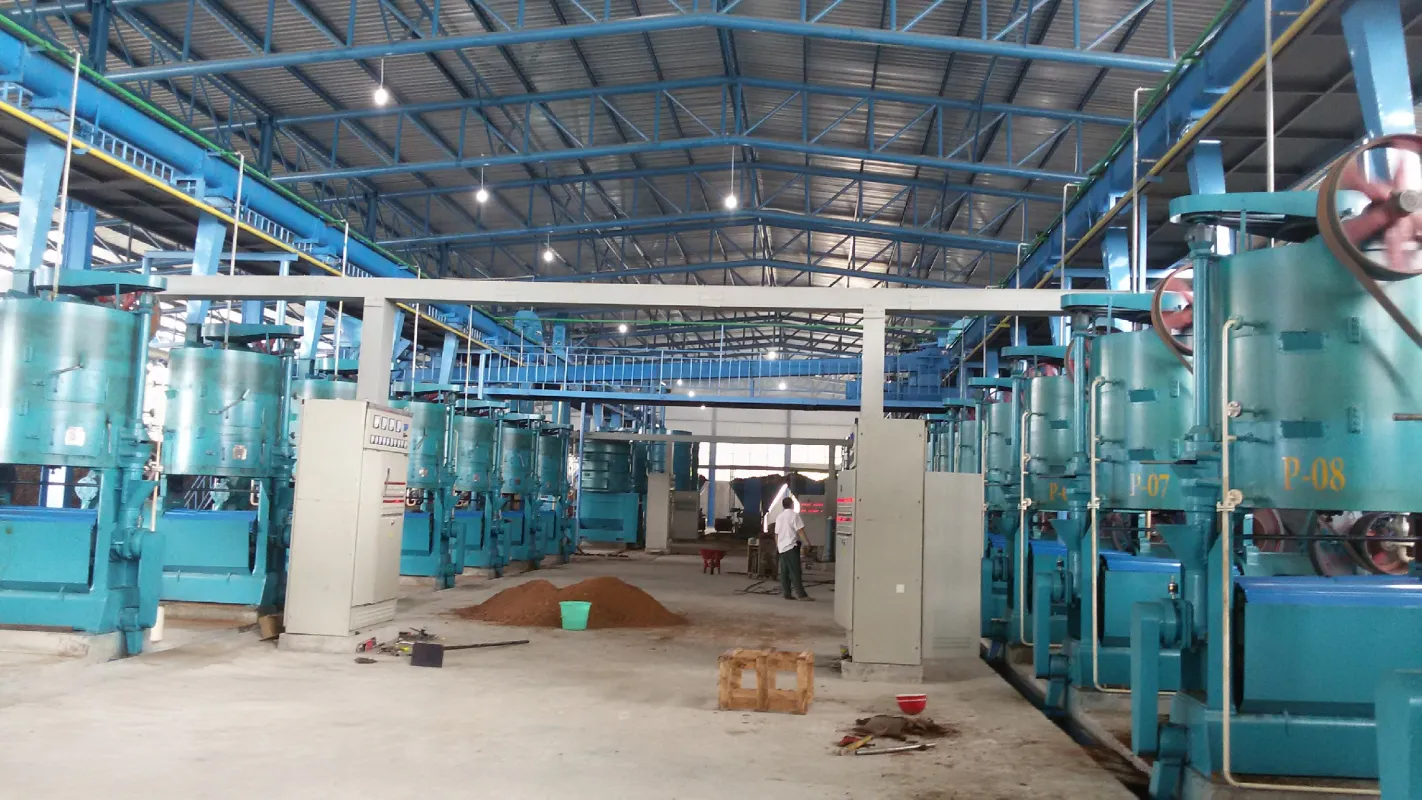
If you're building a small-scale sesame oil production line—from 50kg to 200kg per day—you’re likely asking: “Which machines deliver the best yield without wasting energy?” The answer lies not in buying the cheapest equipment, but in understanding how three core components—cleaning machine, drying machine, and screw press—work together to boost output, reduce waste, and improve consistency.
Many new producers skip proper cleaning, thinking it’s just "removing dirt." But that’s where inefficiency begins. A standard washing unit can remove up to 95% of dust, sand, and foreign particles from raw sesame seeds. Without this step, your screw press may clog or underperform due to impurities, reducing daily throughput by 10–15%. In one real-world case, a Nigerian processor saw a 12% increase in oil yield after installing an automated rotary washer—a change that paid for itself in under 3 months.
Key Insight: Clean seeds = fewer mechanical issues + higher extraction rate. Don’t cut corners here—it’s the foundation of your operation.
Sesame seeds need to be dried to between 6–8% moisture before pressing. Too wet? Your screw press struggles with viscosity, leading to lower oil flow and increased downtime. Too dry? You risk cracking seeds, which reduces oil yield and increases fines (waste). A well-calibrated hot-air dryer can maintain optimal moisture levels while cutting energy use by up to 25% compared to older drum-type models.
| Drying Method | Avg. Energy Use (kWh/kg) | Oil Yield Gain (%) |
|---|---|---|
| Traditional Drum Dryer | 1.8–2.2 | +7% |
| Modern Hot-Air Dryer | 1.3–1.6 | +14% |
Among all machines, the screw press offers the most predictable performance when paired correctly with upstream steps. For 50–200kg/day operations, a single-stage hydraulic screw press (like our 30HP model) delivers consistent results across varying seed quality. It achieves 65–75% oil extraction efficiency—not just because of pressure, but because of precise temperature control and slow feed speed.
In contrast, cheaper centrifugal extractors often fail under variable input conditions. They may give high yields on perfect seeds—but drop below 50% if moisture or cleanliness isn’t ideal. That’s why smart operators choose modular systems: clean → dry → press, each stage optimized for the next.
Pro Tip: Add a simple heat recovery system to reuse exhaust air from drying into pre-heating the press chamber—it can save another 10–15% in fuel costs monthly.
You don’t have to guess anymore. Our high-purity sesame oil extraction system has helped over 300 small factories across Africa, Southeast Asia, and Latin America scale efficiently—with minimal training and maximum ROI. Whether you're planning your first setup or upgrading an existing line, we’ll help match your daily needs with the right combination of machines.
Get Your Customized Sesame Oil Line Plan Today