In the food processing industry, sesame oil is a highly sought - after product known for its unique flavor and health benefits. For small and medium - sized food processing enterprises, mastering the full - process operation skills and quality control methods of sesame oil extraction is crucial for achieving stable product quality, increasing production capacity, and controlling energy consumption.
The first step in sesame oil extraction is raw material cleaning. High - quality sesame seeds should be selected, and impurities such as stones, dust, and broken seeds should be removed. After cleaning, proper drying is essential. The moisture content of sesame seeds significantly affects the oil yield and quality. Research shows that when the moisture content of sesame seeds is controlled between 5% - 7%, the oil yield can be increased by about 3% - 5% compared to seeds with higher moisture content. For example, a small - scale factory in a certain region achieved a significant improvement in oil yield after strictly controlling the moisture content of raw materials.
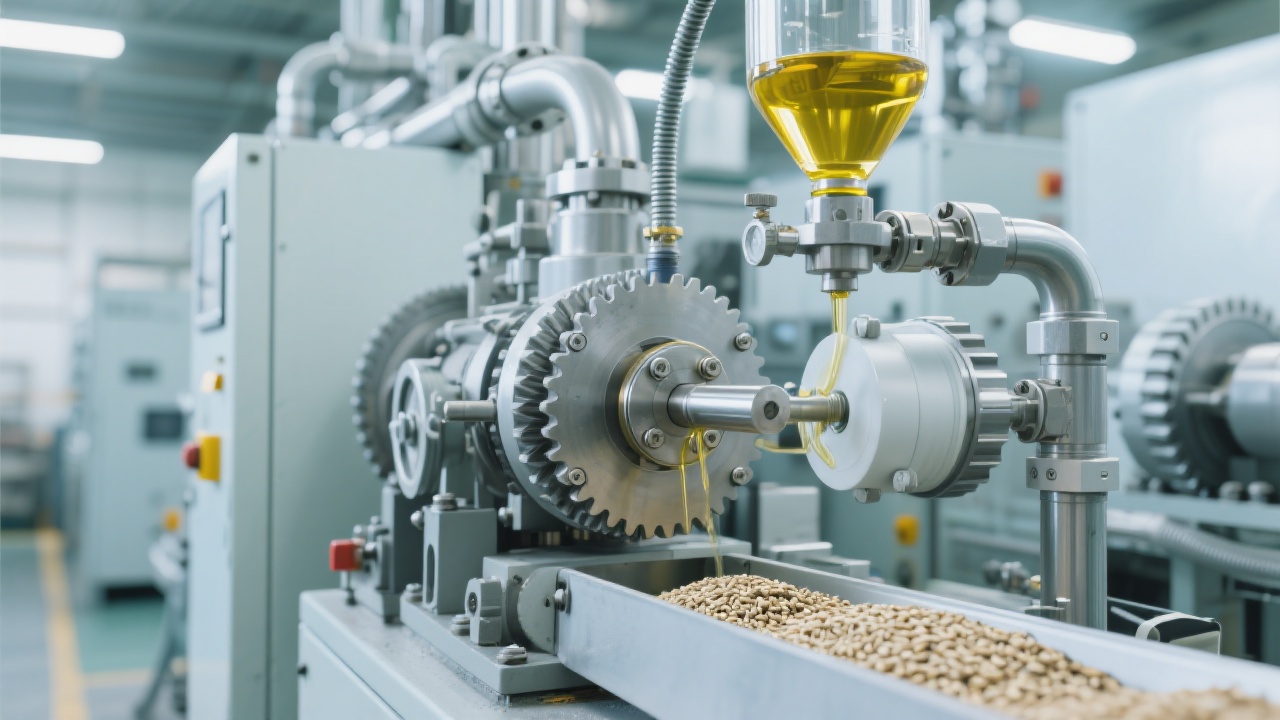
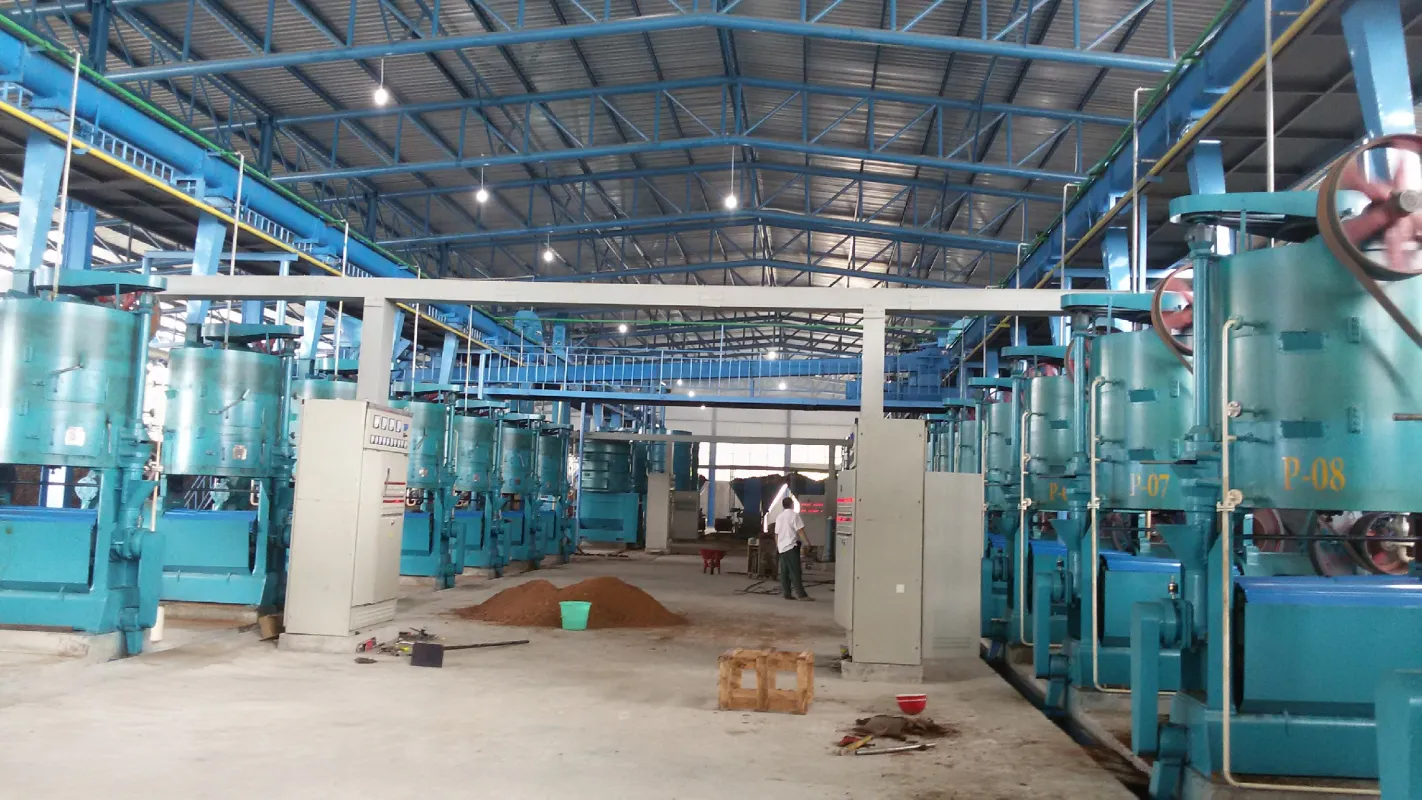
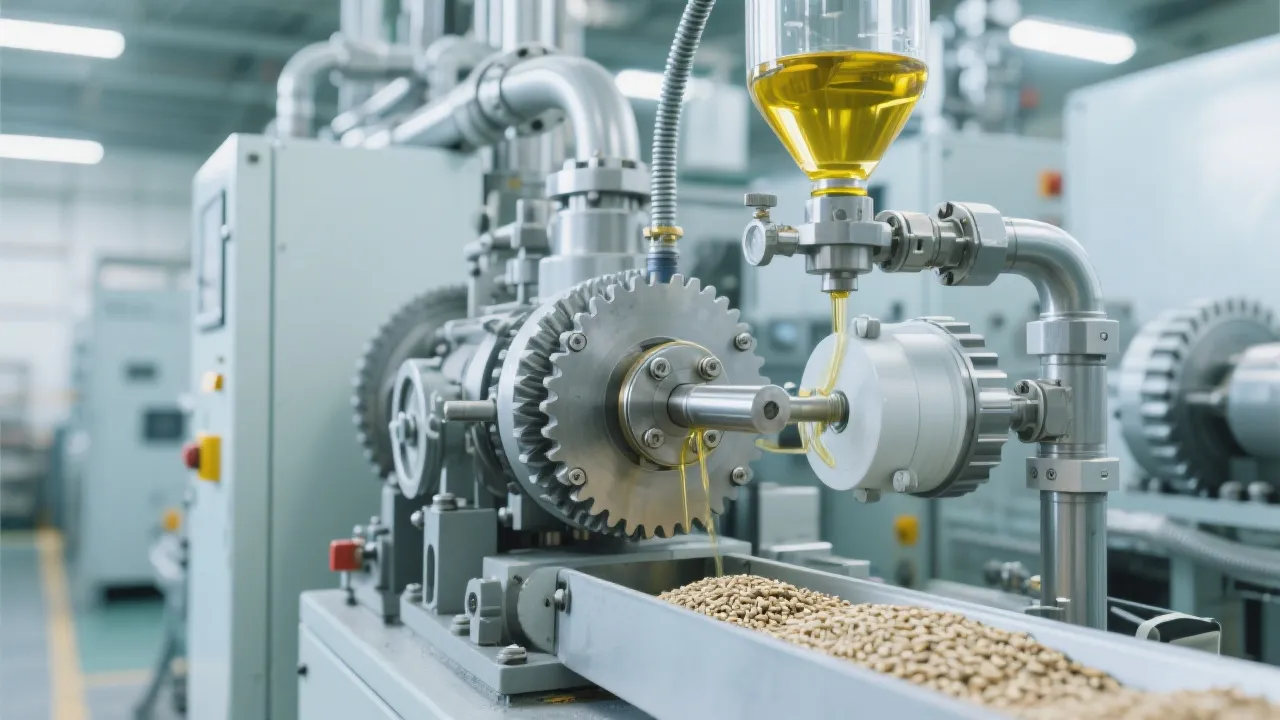
There are two main pressing methods: low - temperature cold pressing and high - temperature hot pressing. Low - temperature cold pressing is carried out at a temperature below 60°C, which can preserve the natural nutrients and flavor of sesame oil. However, the oil yield is relatively low, usually around 35% - 40%. On the other hand, high - temperature hot pressing, which is conducted at a temperature of 120°C - 180°C, can increase the oil yield to 45% - 50%, but it may also destroy some nutrients. Small and medium - sized factories should choose the appropriate pressing method according to their product positioning and market demand.
The filtration system plays a vital role in improving the purity of sesame oil. A good filtration system can effectively remove impurities such as residual sesame meal, fine particles, and colloids. By using a multi - stage filtration system, the purity of sesame oil can reach over 99%. For instance, a small factory installed a high - efficiency filtration system, and the impurity content in the final product decreased from 1% to less than 0.1%, greatly improving the product quality.
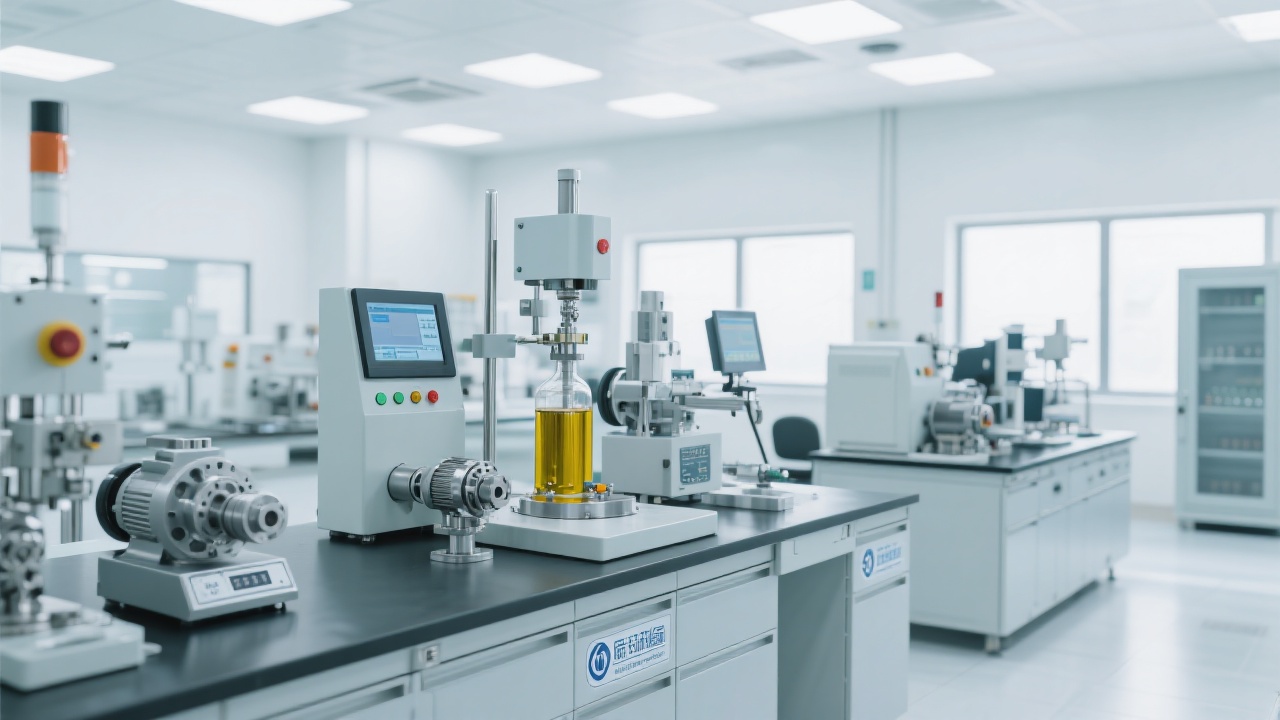
After filtration, the sesame oil needs to be filled into appropriate containers. During the filling process, it is necessary to ensure the cleanliness and sterility of the containers to prevent secondary pollution. The filling speed and accuracy also affect the production efficiency. Using automated filling equipment can improve the filling efficiency by about 30% - 40% compared to manual filling.
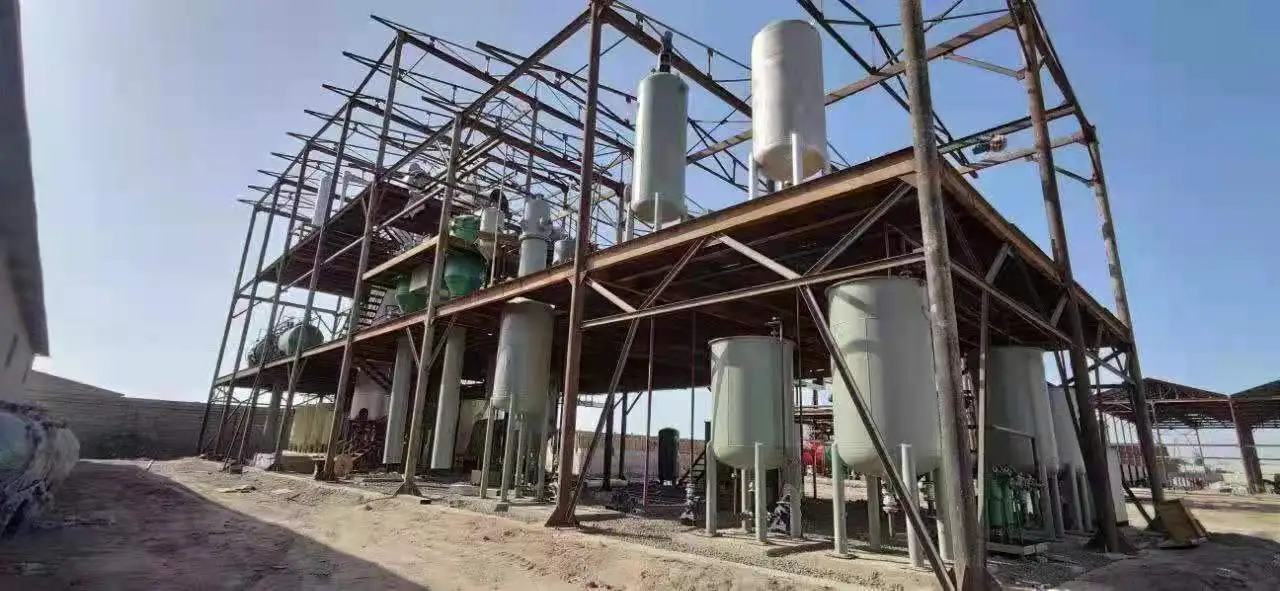
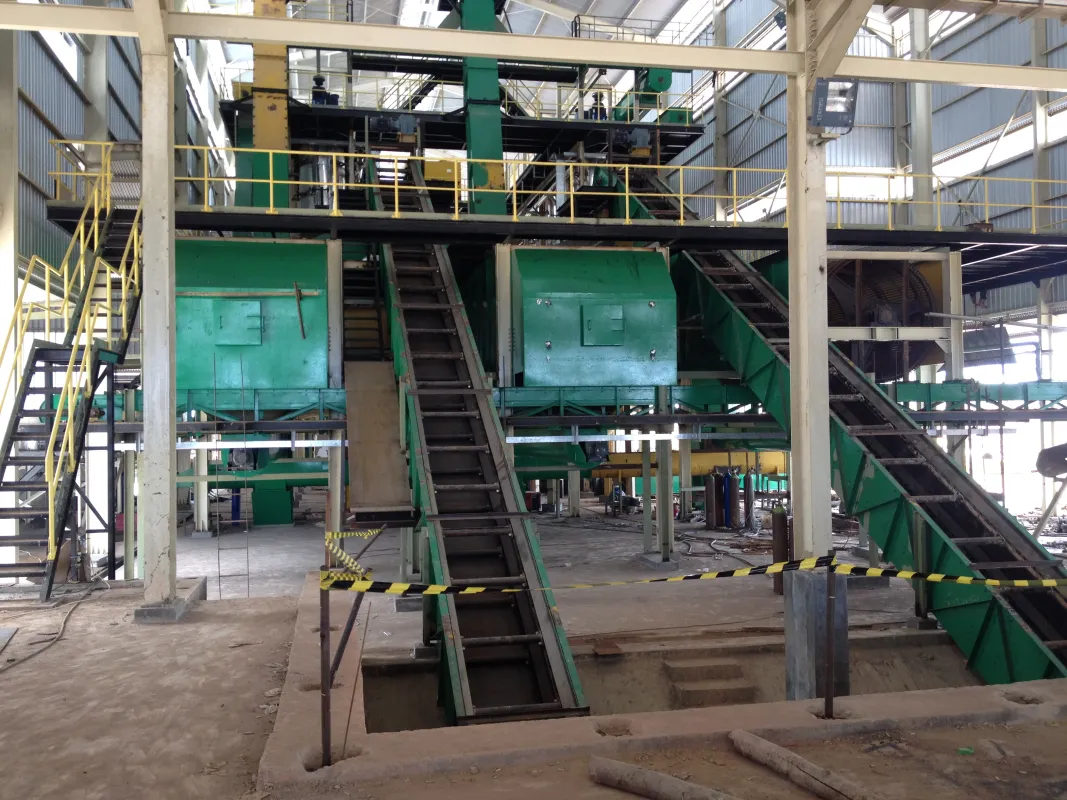
For small and medium - sized factories, energy - efficient equipment selection is crucial. When choosing equipment, factors such as production capacity, energy consumption, and maintenance cost should be considered. In addition, reasonable space utilization can also improve production efficiency. For example, arranging equipment in a U - shaped or linear layout can reduce the transportation distance of materials and improve the overall production efficiency.
To ensure continuous production, it is necessary to establish a scientific production plan and maintenance system. Regularly monitor energy consumption and product quality. For example, by installing sensors on equipment, real - time monitoring of energy consumption can be achieved, and timely adjustment can be made to reduce energy waste. At the same time, a quality control system should be established to conduct regular inspections on raw materials, semi - finished products, and finished products.

Are you looking to enhance your sesame oil production process? Our company offers a range of high - quality equipment and professional after - sales services to help you achieve stable product quality, increased production capacity, and energy - efficient operation. Click here to learn more about our products and services!