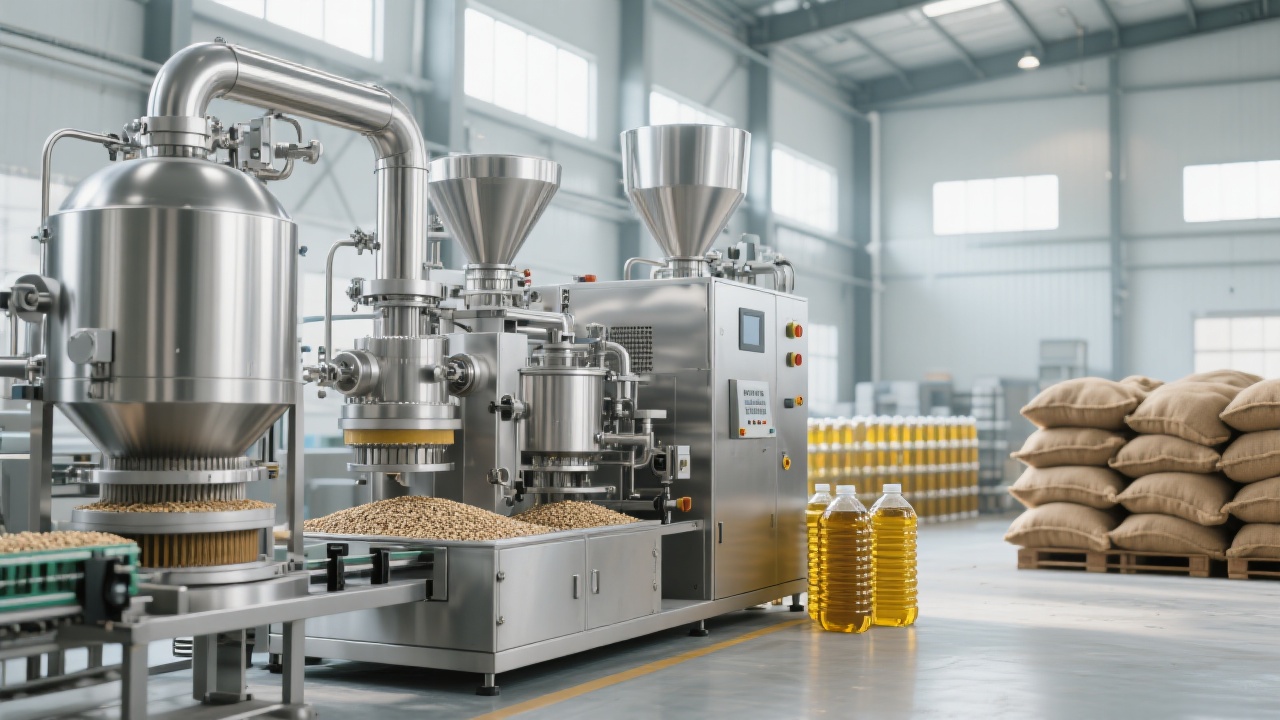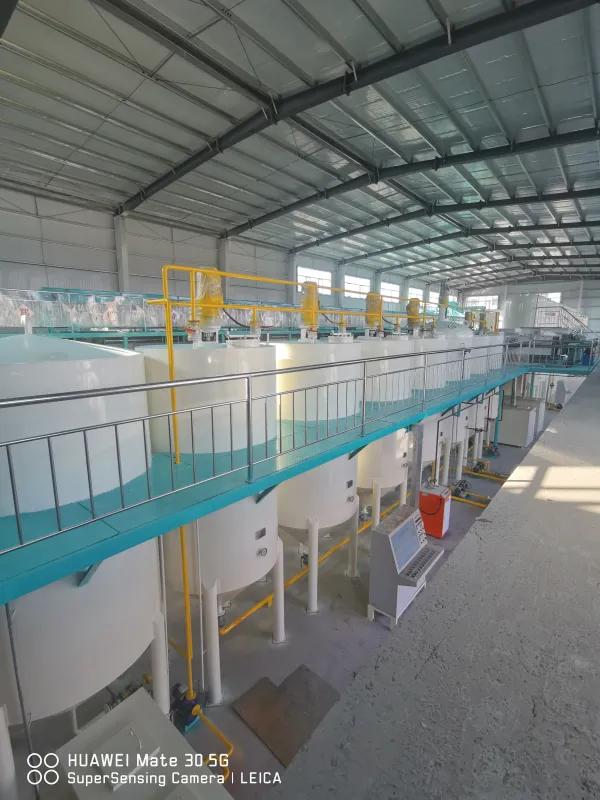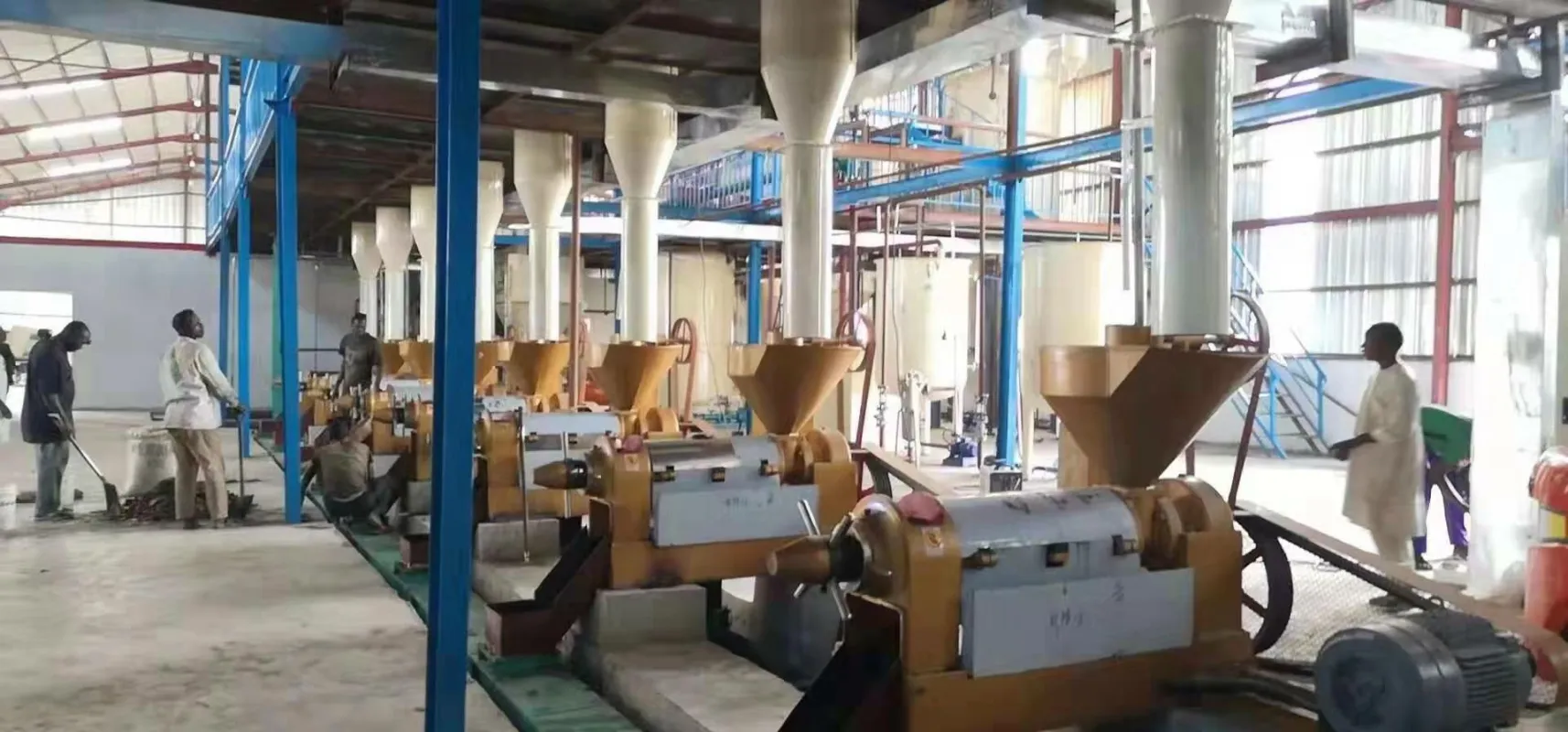
In the evolving landscape of edible oil production, small-scale sesame oil extraction factories are embracing advanced processes and equipment to achieve high-purity oils while optimizing energy consumption and operational efficiency. This article dissects the critical stages of sesame oil production, emphasizing best practices and technical nuances tailored to compact production units. From raw material preparation to final packaging, it highlights practical approaches to ensure product consistency and sustainable growth for SMEs.
Effective sesame oil production begins with meticulous raw sesame seed pre-treatment. The cleaning phase removes impurities such as stones, dust, and shells, essential for preventing equipment damage and contamination. Industry data shows that inefficient cleaning can reduce oil purity by 5-7% due to residual contaminants.
Followed by cleaning is the drying stage, critical for controlling seed moisture content. Optimal moisture ranges between 6-7% to maximize yield and preserve flavor integrity. Both over-drying and under-drying adversely affect oil quality and extraction efficiency. Small factories often adopt rotary drum dryers or fluidized bed dryers optimized for lower batch volumes, balancing throughput and space constraints.
The pressing step determines the oil’s purity, nutritional profile, and aroma. Two primary methods are adopted:
For small-scale factories, cold pressing aligns well with producing premium, high-purity sesame oil. However, hybrid models combining mild heating with mechanical pressing offer a balance between yield and quality.

Post-pressing filtration is paramount to eliminate fine particulates and suspended solids that can hasten rancidity. Employing multi-stage filtration systems—starting with coarse mesh filters followed by microfiltration membranes—can elevate oil clarity above 99% purity.
Recent industry certifications, such as ISO 22000 for food safety management, increasingly mandate such filtration standards. Small factories benefit from compact membrane filters, which consume less power (circa 1 kW per 500L batch) and require minimal maintenance.
Equipment choice directly impacts operational costs and product consistency. For sesame oil processing at small-scale facilities (capacity between 500-2000 liters/day), critical factors include footprint, energy consumption, and automation level.
| Equipment Type | Energy Usage (kWh/ton) | Footprint (m²) | Estimated Yield (%) |
|---|---|---|---|
| Cold Press Expeller | 80-100 | 10-12 | 42-45% |
| Hot Press Expeller | 120-150 | 15-18 | 50-52% |
| Multi-Stage Filtration | 15-20 | 5-6 | 99% clarity |
Ensuring steady production flow and quality requires rigorous moisture control combined with real-time monitoring of pressing parameters. Many small factories integrate sensors for seed humidity, temperature, and oil density, enabling adaptive control mechanisms that minimize downtime.
Energy consumption can be reduced by scheduling drying and pressing cycles during off-peak electricity hours and employing variable frequency drives (VFD) on motors. These optimization efforts often cut operational costs by 10-15% annually.

Compliance with international food safety standards, including ISO 9001 and HACCP, is increasingly mandatory for penetrating export markets. Regular lab testing for free fatty acid content (ideal below 2%) and peroxide values (under 10 meq O2/kg) ensures freshness and chemical stability.
Small processors are encouraged to implement process traceability through digital record-keeping, which enhances transparency and supports certification efforts.