Optimizing Sesame Oil Extraction: Achieving Continuous Production and Consistent Quality
Struggling to produce high-purity sesame oil efficiently in a small-scale facility? This practical guide breaks down the five core steps—cleaning, drying, pressing, filtration, and filling—highlighting critical control points like moisture management, press temperature, and filter precision. Learn how to boost yield by up to 12%, reduce energy consumption through smart equipment selection, and maintain batch-to-batch consistency using proven operational strategies. Tailored for mid-sized food processors, this tutorial delivers actionable insights backed by real-world case studies and expert validation.
Optimize Your Sesame Oil Extraction Process for Consistent Quality & Continuous Production
Are you running a small-scale sesame oil plant and struggling with inconsistent output, high energy use, or quality fluctuations? You're not alone — many food processors face these challenges when scaling from batch to continuous operation.
Step-by-Step Process Control: From Raw Material to Bottled Product
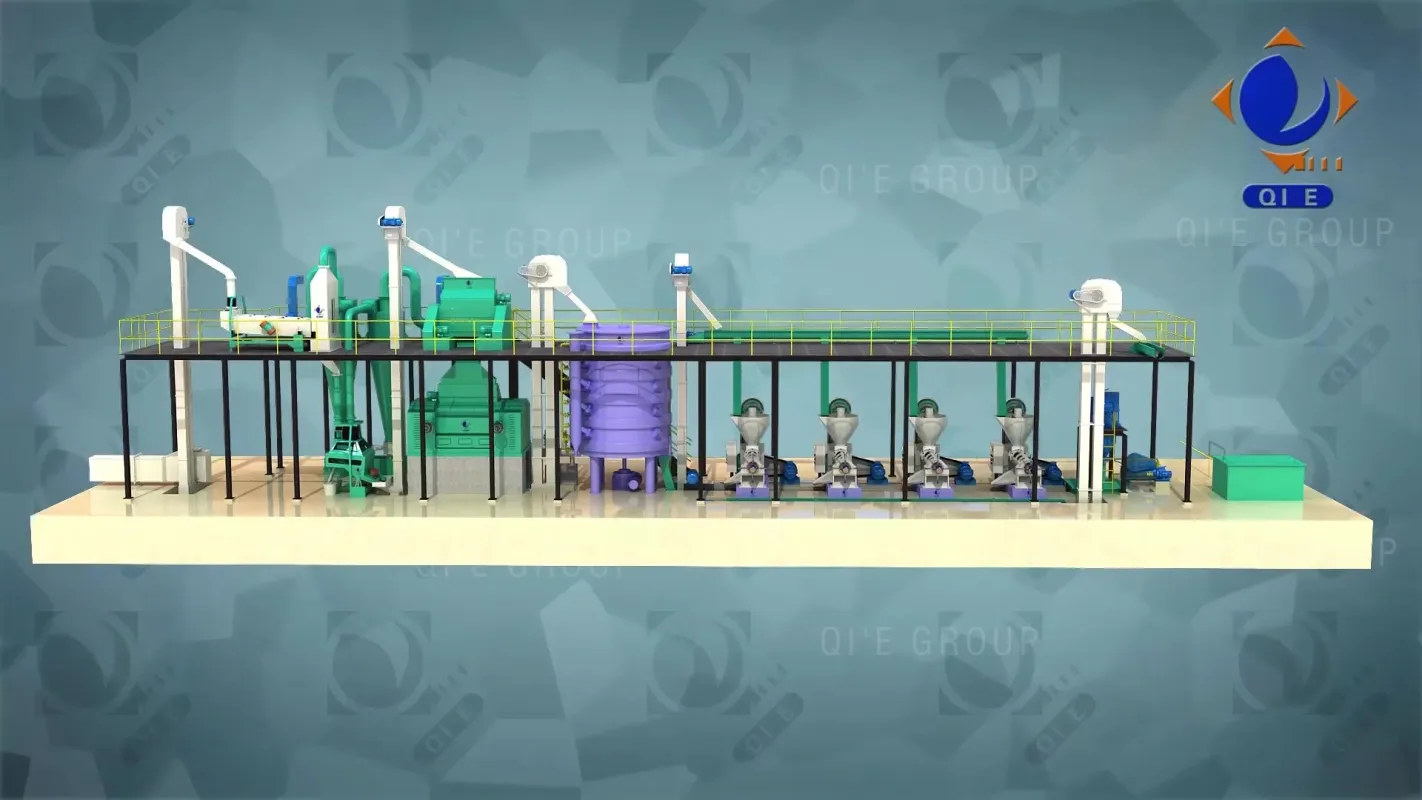
Here’s how to master the five critical stages:
- Raw Material Cleaning: Remove dust, stones, and moisture before processing. Even 1% excess moisture can reduce oil yield by up to 7% (based on industry data from FAO).
- Drying: Maintain grain temperature below 45°C to preserve flavor compounds. Over-drying (>6%) leads to brittle seeds and lower extraction efficiency.
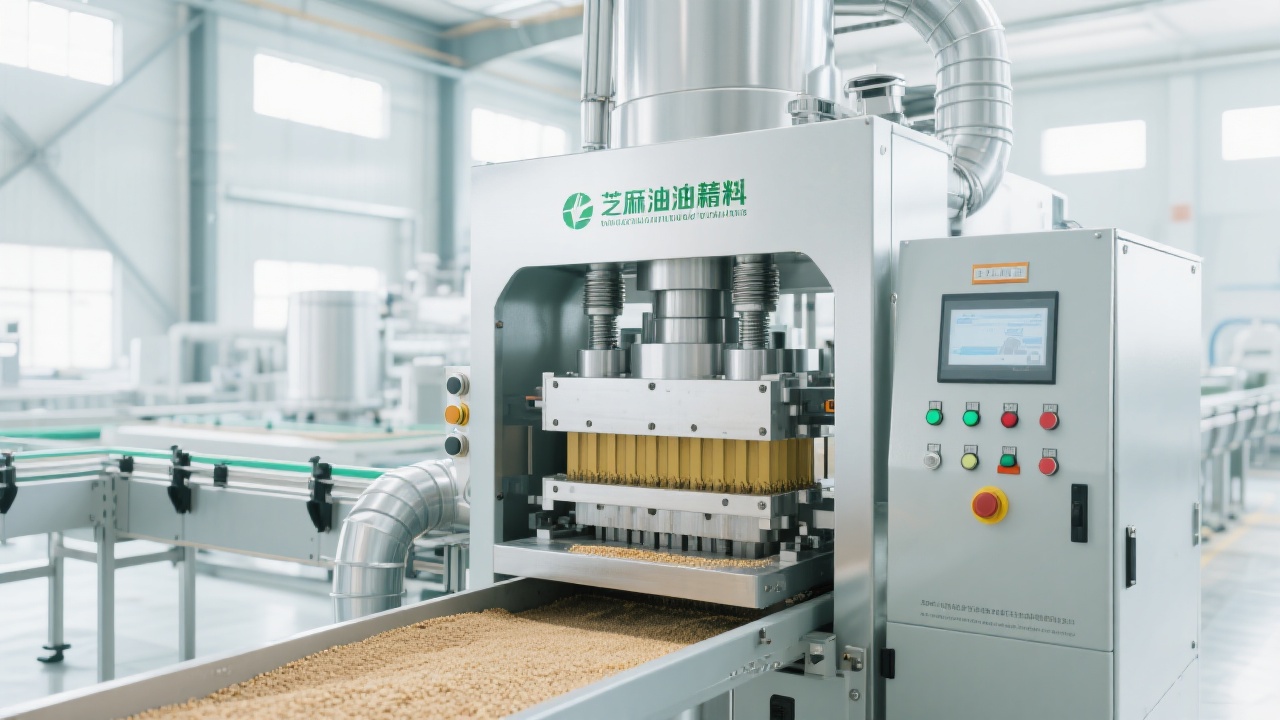
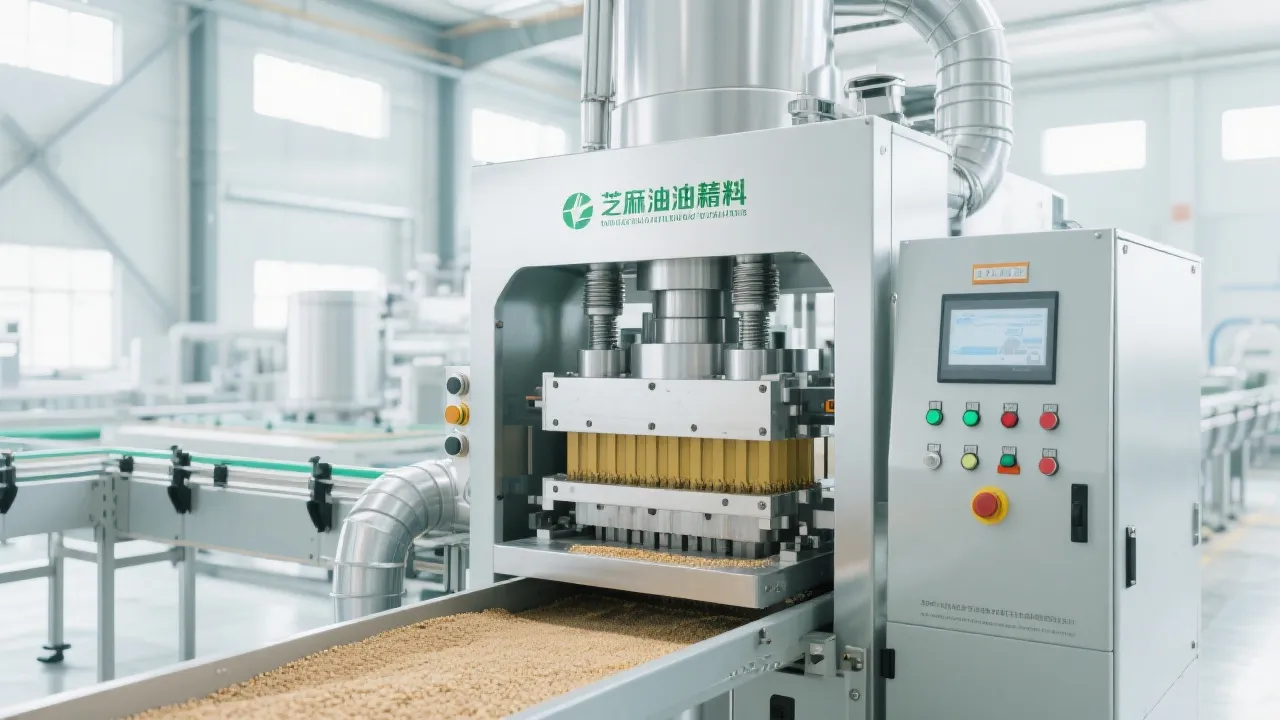
- Pressing: Cold pressing at 40–45°C yields higher-quality oil with better aroma retention compared to hot pressing (which increases oxidation risk).
- Filtration: Use 5–10 micron filters for final clarity — this step boosts shelf life by reducing sediment and microbial load.
- Filling: Automated filling systems minimize air exposure and ensure consistent weight per bottle — crucial for brand trust.
| Process Step |
Key Metric |
Target Range |
| Moisture Content |
Pre-press |
6–8% |
| Press Temperature |
Cold vs Hot |
40–45°C / 80–90°C |
| Filter Precision |
Final Output |
5–10 microns |
“After implementing our optimized cold-press system, one client saw a 12% increase in yield and reduced downtime by 30%. That’s real ROI.”
– Dr. Ahmed El-Sayed, Food Engineering Consultant, Egypt
Smart Equipment Selection for Small Factories
Choose compact, energy-efficient machines that match your production volume (5–50 kg/h). For example:
- Manual screw press + automated filter = ideal for startups
- Electric hydraulic press with temperature control = best ROI at scale
- Mini bottling line with flow meter = ensures accuracy without waste
Our clients report 15–25% lower power consumption using modern equipment versus outdated gear — all while maintaining compliance with ISO 22000 standards.
Why This Matters to Buyers
International buyers don’t just want quantity — they demand consistency. Whether exporting to Europe, the Middle East, or Southeast Asia, your ability to deliver stable quality matters more than ever. With clear process documentation, regular lab testing, and traceable inputs, you build trust faster and close deals quicker.
Ready to Transform Your Production?
Download our free “Continuous Sesame Oil Production Playbook” — packed with checklists, equipment specs, and real-world case studies from successful factories like yours.
Get the Full Guide Now