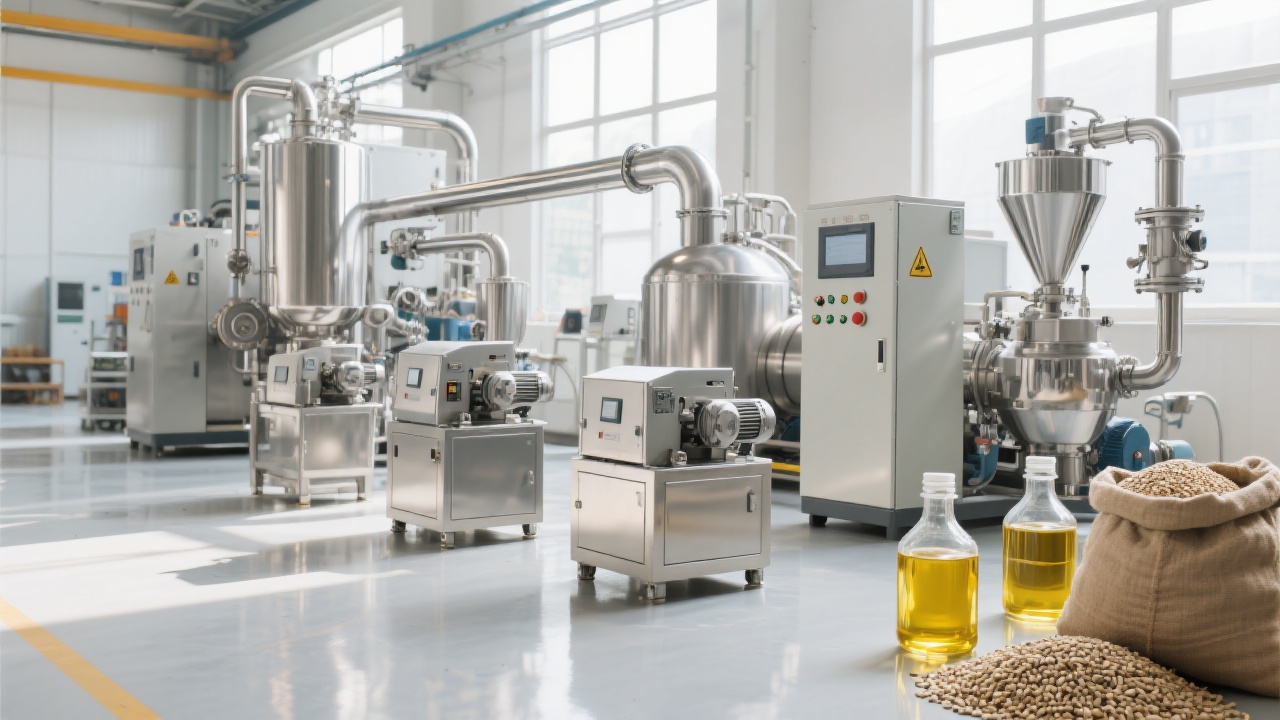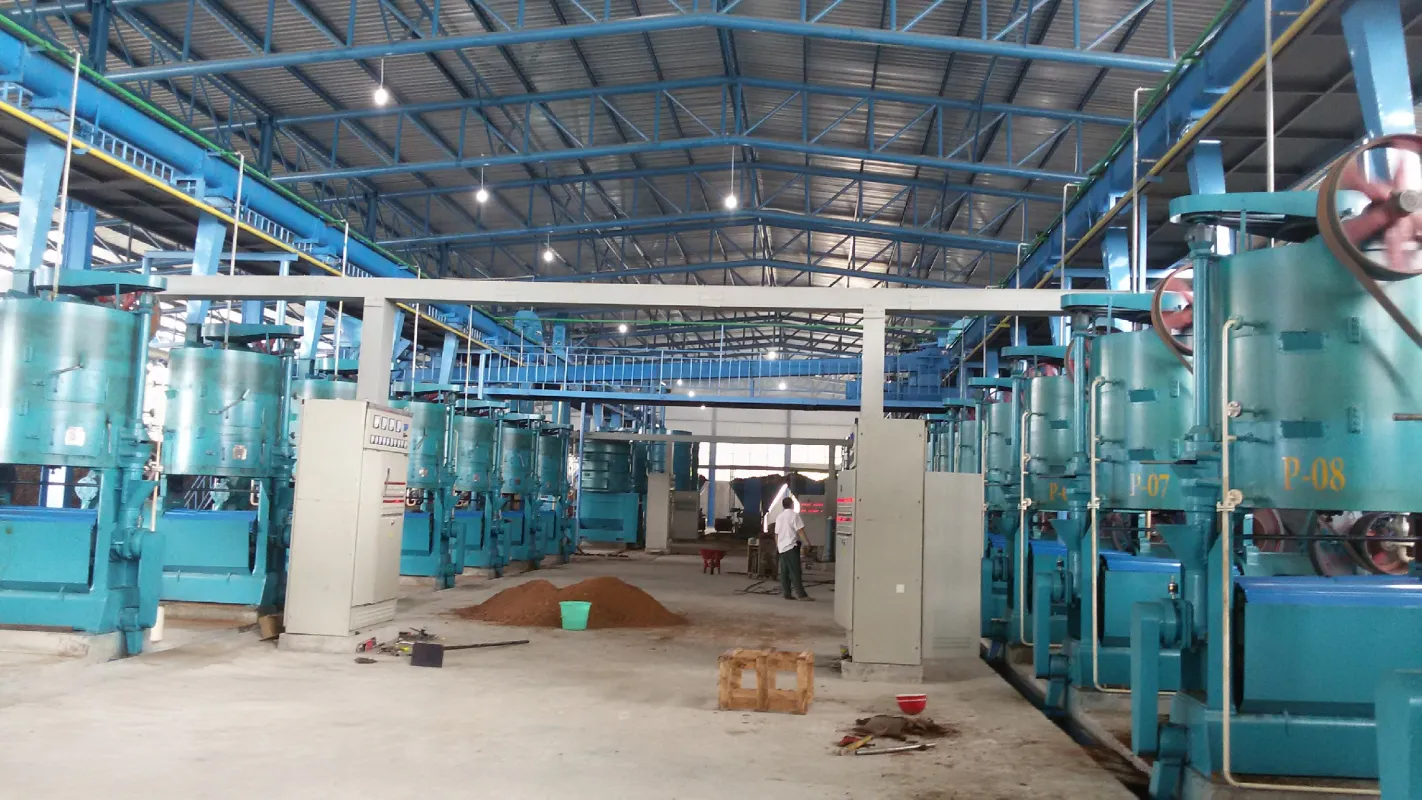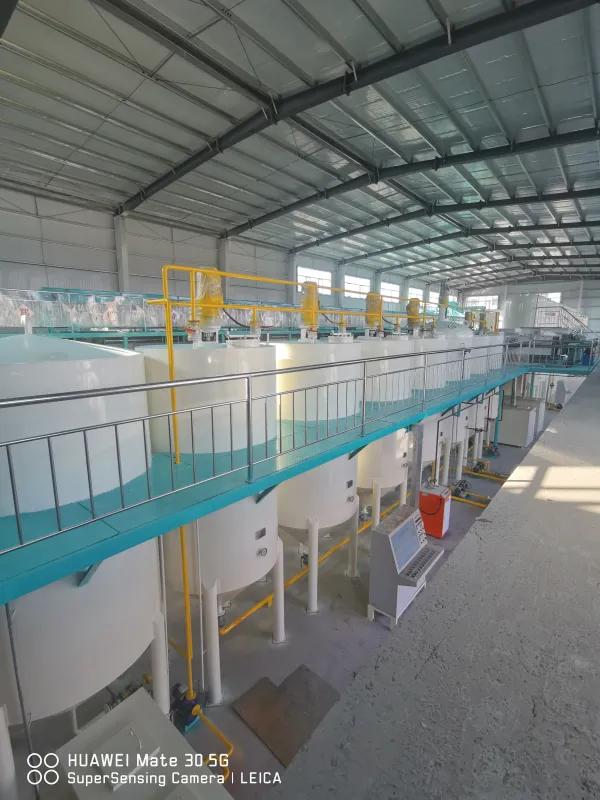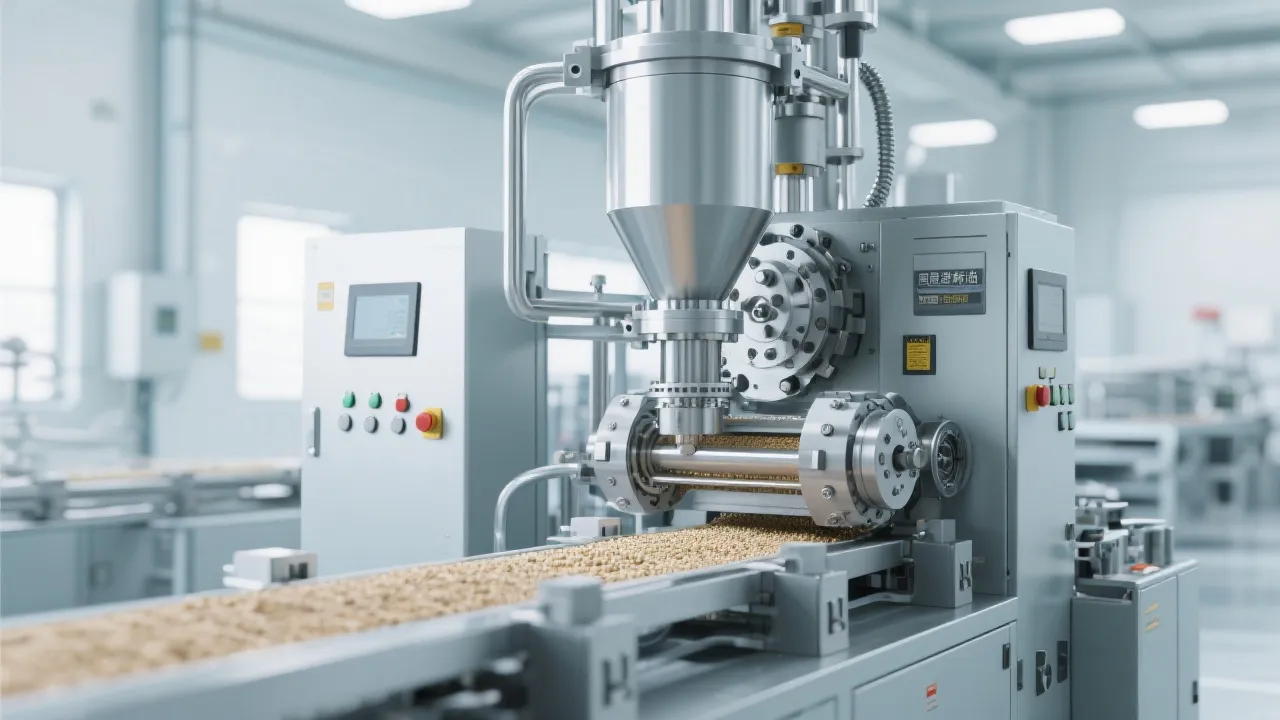
For small and medium-sized food processing factories, producing high-purity sesame oil efficiently requires a holistic approach to equipment selection and process management. From raw material washing to final bottling, the balance between energy conservation, consistent yield, and maintaining oil quality is critical. This guide dives into technical nuances such as moisture control, pressing methods, and filtration precision, helping you configure a reliable sesame oil extraction system designed for sustainable profitability.
The first step in maximizing oil purity is thorough cleaning of sesame seeds to remove dirt, stones, and impurities. Automated vibrating sieves combined with water-based washers are recommended, reducing manual labor and minimizing seed damage.
Moisture content plays a pivotal role in extraction efficiency and oil stability. Ideal moisture levels for pressing are generally between 5%-7%. Excess moisture dilutes oil content and can degrade quality, while overly dry seeds may reduce oil yield. Integrated drying systems using controlled hot air (45-60°C) ensure moisture uniformity without harming seed integrity.
Choosing the pressing method substantially affects oil purity and production costs.
| Pressing Type | Oil Quality | Yield Efficiency | Energy Consumption |
|---|---|---|---|
| Cold Pressing | Higher flavor retention, antioxidant-rich | Approximately 85%-90% of oil extracted | Lower, no external heat needed |
| Hot Pressing | Slight loss of flavor but higher volume | Up to 95%-98% oil extraction | Higher due to heating (up to 150°C) |
For small-scale operators prioritizing flavor and organic claims, cold pressing with modular screw presses is advisable. When production volume and cost efficiency take precedence, hot pressing can be optimized with waste heat recovery systems.
The filtration stage removes fine particulates that impair oil clarity and accelerate oxidation. Multi-stage filtration combining coarse mesh filters with activated carbon or diatomaceous earth filters can achieve a turbidity reduction to below 5 NTU, guaranteeing a longer shelf life.
Industry Insight: According to the Food Processing Technology Association, a well-maintained filtration system improves oil stability by up to 20% during storage, significantly reducing off-flavor development.
Small factories benefit from modular equipment layouts allowing flexible upgrades and space optimization. Compact combination units integrate seed cleaning, drying, pressing, and filtering within a footprint under 30m², maximizing workspace usage.
Opt for machines designed with full-enclosed operation to minimize dust and contamination risks, simultaneously reducing environmental footprint. Energy-saving motors and variable frequency drives (VFDs) can cut electrical costs by up to 15%-20%.
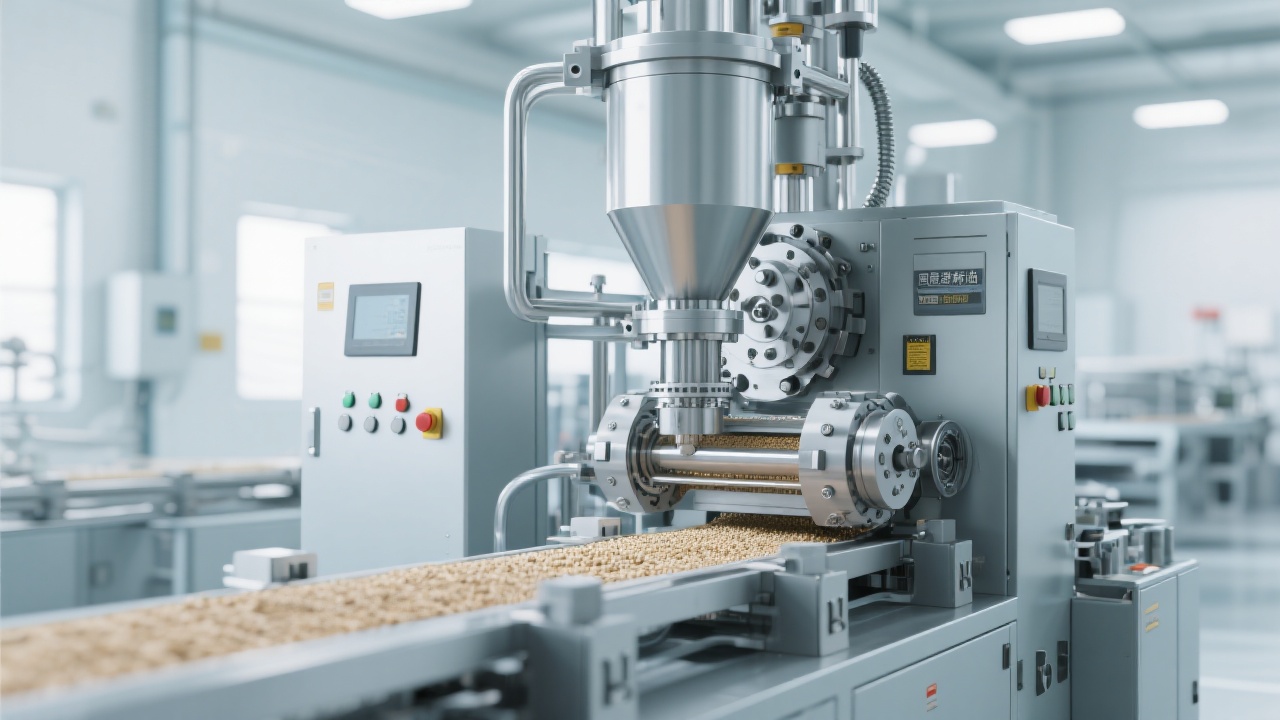
We have helped over 200 medium and small sesame oil factories stabilize continuous production with equipment tailored for local raw material variability and power grid constraints. For example, a client in East Asia leveraged a modular cold pressing system combined with precision moisture control, increasing monthly yield by 12% while reducing energy consumption by 18%.
Key operational recommendations include:
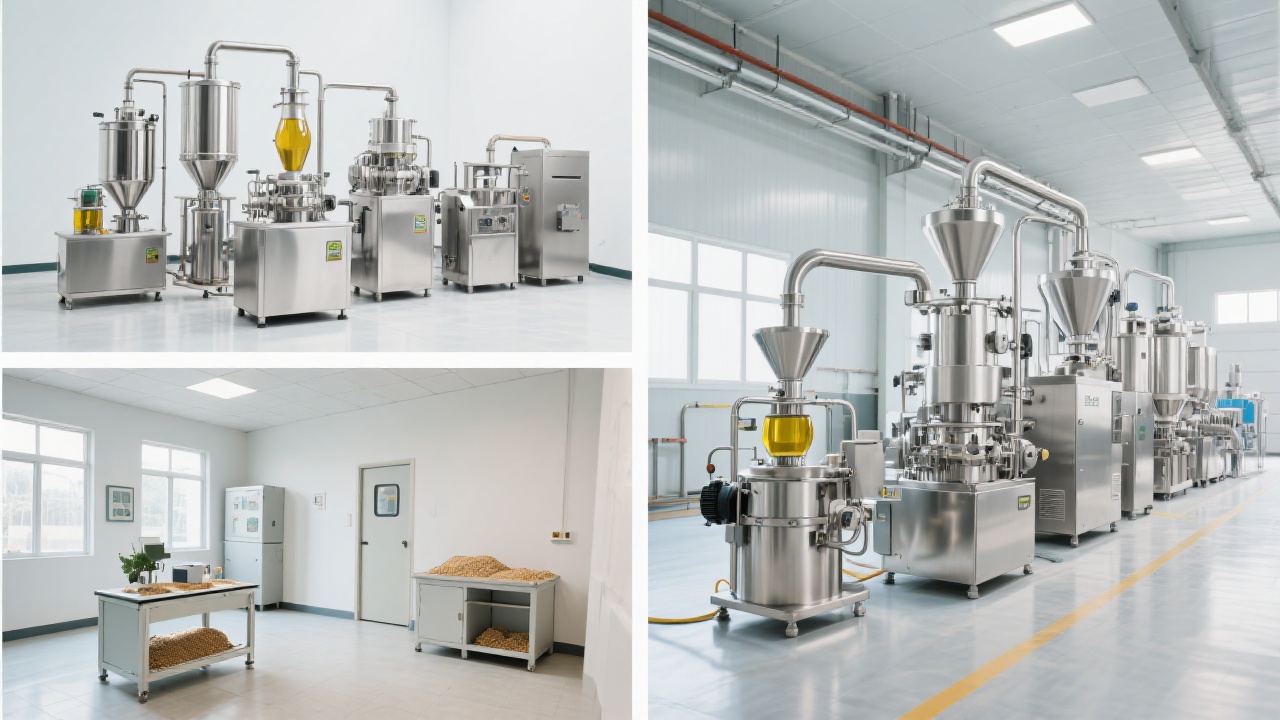
Equipment reliability is enhanced through comprehensive after-sales support including remote diagnostics, spare parts availability, and operator training workshops. Partner with suppliers offering multi-tiered service contracts structured around your production volume for optimized costs.