In the competitive world of edible oil manufacturing, especially in sesame oil production, microbial contamination isn’t just a quality issue—it’s a compliance and brand risk. According to FDA data from 2023, over 68% of food safety recalls in Asia were linked to inadequate cleaning protocols in closed-loop systems like those used in modern sesame oil plants.
Many small-to-mid-sized sesame oil producers assume that manual cleaning is sufficient—until they face a failed audit or a customer complaint about off-taste or microbial presence. A study by the International Association of Food Protection found that 73% of contamination incidents occurred not during processing but during post-production cleaning gaps.
That’s where a properly designed CIP (Clean-in-Place) system becomes your first line of defense—not just a luxury feature.
Modern CIP systems for sesame oil lines integrate three critical components:
| Component | Purpose | Recommended Standard |
|---|---|---|
| Food-Grade Stainless Steel (304/316L) | Prevents leaching & corrosion | ASME BPE compliant |
| Double-Seal Valve Assembly | Eliminates dead zones | ISO 2852 certified |
| Automated pH & Temperature Monitoring | Ensures consistent chemical efficacy | FDA 21 CFR Part 11 |
These aren't just technical specs—they’re the foundation of an HACCP-compliant operation. When implemented correctly, such systems reduce microbiological risks by up to 92%, based on real-world validation from a leading Indian oil mill using our integrated CIP solution.
Here’s what top-performing sesame oil factories do differently:
Failure to follow these steps leads to biofilm formation—a silent killer that can cause repeated non-conformance reports even when raw materials are clean.
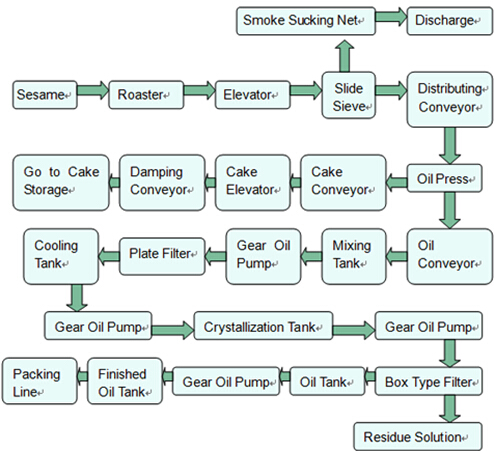
A Malaysian sesame oil processor faced a major recall due to Listeria monocytogenes contamination. Post-audit analysis revealed poor drainage design and inconsistent cleaning intervals. After installing our modular CIP system with remote monitoring, they achieved zero microbial failures in 12 consecutive months—and saw a 22% increase in export orders from EU buyers who now trust their hygiene controls.
We’ve also built a free downloadable PDF guide with step-by-step checklists, maintenance logs, and troubleshooting tips. It includes a QR code linking directly to our video library for hands-on training—because knowledge should be actionable, not theoretical.
Get your custom CIP system design consultation today—no obligation, no fluff.
Download Free CIP Implementation Checklist Now