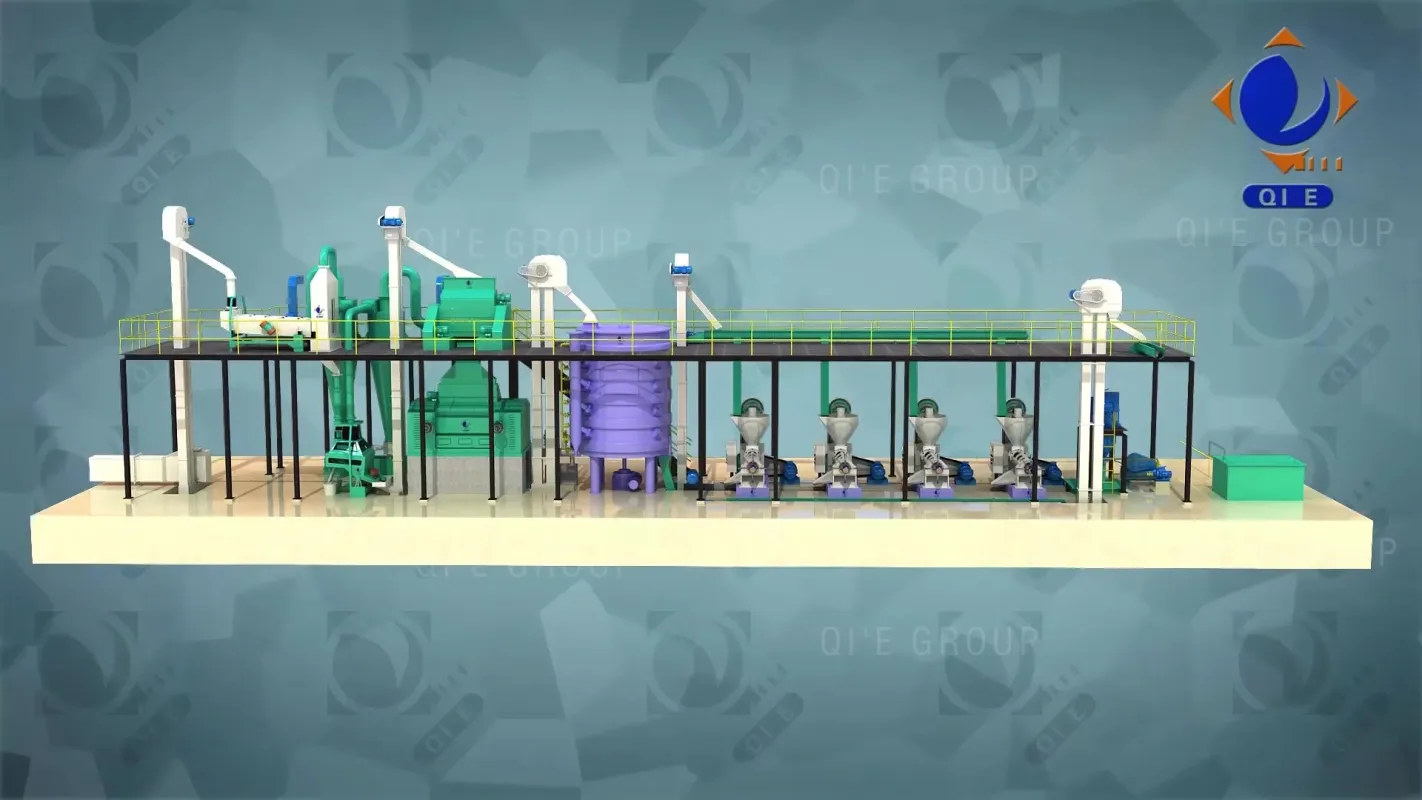
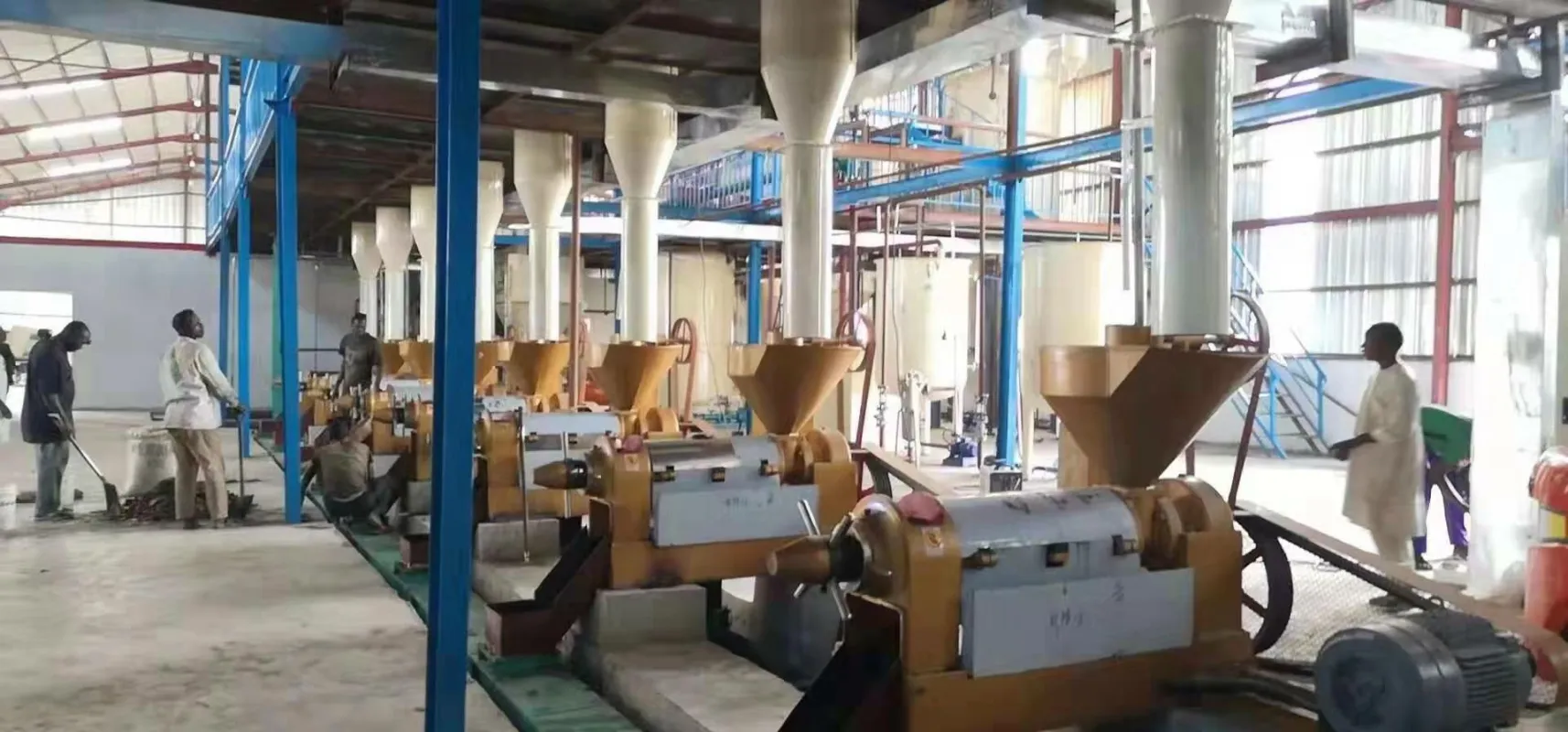
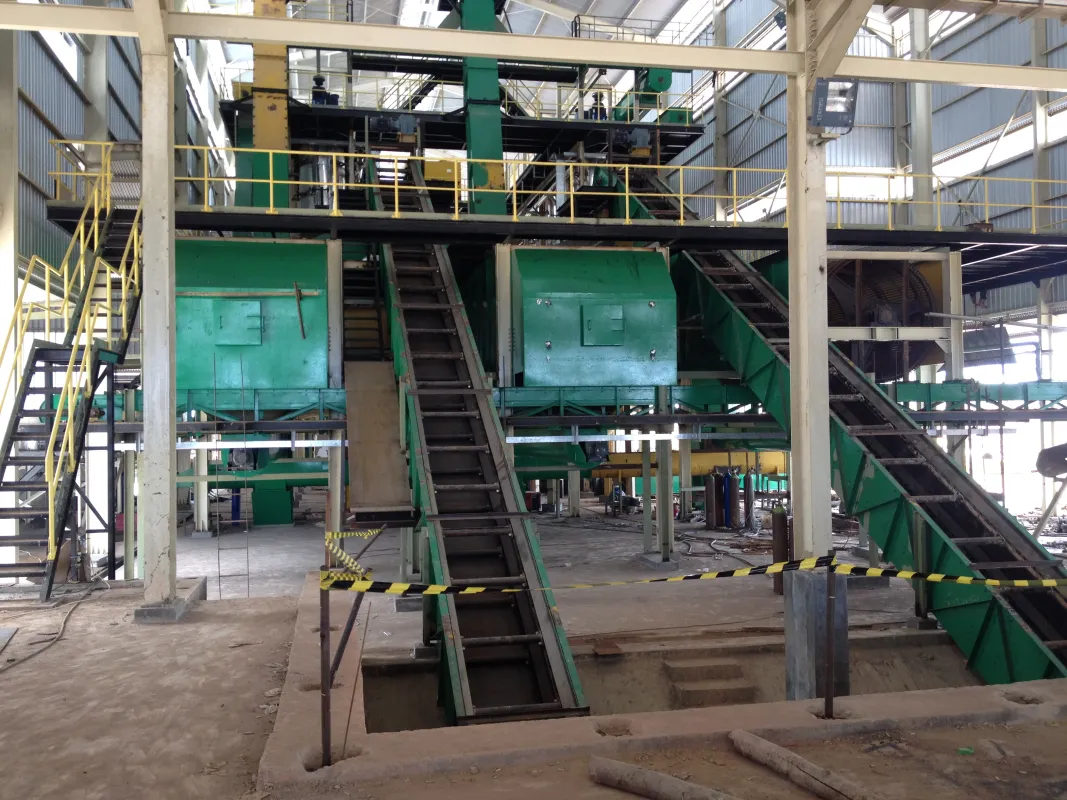
Solvent extraction is a crucial process in rapeseed oil production. Choosing the right solvent is the first step. For example, hexane is a commonly used solvent due to its excellent solubility for oils. The extraction process involves several key steps and strict parameter control. The solvent is mixed with the rapeseed, and through a series of physical and chemical reactions, the oil is separated from the solid components. By adjusting parameters such as temperature, pressure, and solvent - ratio, the efficiency and quality of extraction can be optimized.
| Solvent | Solubility for Rapeseed Oil | Boiling Point | Safety Considerations |
|---|---|---|---|
| Hexane | High | 69°C | Flammable, proper ventilation required |
When it comes to rapeseed oil production, two main methods are often discussed: cold - pressing and solvent extraction. Cold - pressing is a mechanical method that obtains oil by physically pressing the rapeseed. It is known for its high nutritional retention and natural flavor. However, the extraction rate is relatively low, usually around 30 - 35%. On the other hand, solvent extraction can achieve an extraction rate of over 90%, but it may cause some loss of heat - sensitive nutrients.
| Aspect | Cold - Pressing | Solvent Extraction |
|---|---|---|
| Extraction Rate | 30 - 35% | Over 90% |
| Purity | High - quality, some impurities | High - purity |
| Cost | Higher due to low efficiency | Lower for large - scale production |
| Nutritional Retention | High | Some loss of heat - sensitive components |
In the solvent extraction process, several common problems may occur. One of the most significant issues is solvent residue exceeding the standard. To address this, advanced distillation and evaporation techniques can be used to ensure that the solvent residue in the final product is within the acceptable range. For equipment blockages, regular maintenance and the installation of appropriate filtration devices can prevent this problem. When the recovery efficiency drops, optimizing the process parameters and upgrading the recovery equipment can effectively improve the situation.
Safety and environmental protection are of utmost importance in rapeseed oil production. A well - designed closed - system can prevent solvent leakage and reduce environmental pollution. The solvent recovery rate should be at least 98% to meet the requirements of sustainable production. In addition, all operations should comply with ISO standards to ensure product quality and safety.
To ensure the nutritional value of rapeseed oil during the extraction process, special attention should be paid to reducing the loss of heat - sensitive components. Low - temperature extraction techniques can be used to preserve the natural nutrients in the oil. This is especially important for products targeting the high - end market, where consumers value the nutritional content of the oil.
Let's take a look at a real - world case. A customer who used the equipment of QIE Group achieved significant improvements. After implementing the optimized solvent extraction process, their overall efficiency increased by 30%, and the solvent residue in the product dropped to below 0.5 ppm. This case demonstrates the effectiveness of the solutions provided in this article.
Are you facing similar challenges in your rapeseed oil production? Leave a comment below or ask questions, and our experts will respond to you. 立即咨询我们的工程师团队,获取专属产线配置建议