For industrial canola oil producers aiming to boost yield while ensuring safety and sustainability, understanding solvent extraction and its recovery systems is no longer optional—it’s essential. According to the International Olive Council (IOC), solvent-based extraction achieves up to 98% oil recovery rate, significantly outperforming traditional cold pressing (typically 75–85%). But with great efficiency comes responsibility—especially when handling volatile solvents like hexane.
Unlike mechanical cold pressing—which relies on physical pressure and leaves behind more residual oil—solvent extraction uses a chemical process that dissolves oils from crushed seeds. This method is ideal for large-scale facilities where maximizing output per ton of raw material matters. In fact, studies show that solvent-extracted canola oil has an average purity level of 99.2%, compared to 96.5% for cold-pressed variants, making it preferred by food manufacturers requiring consistent quality.
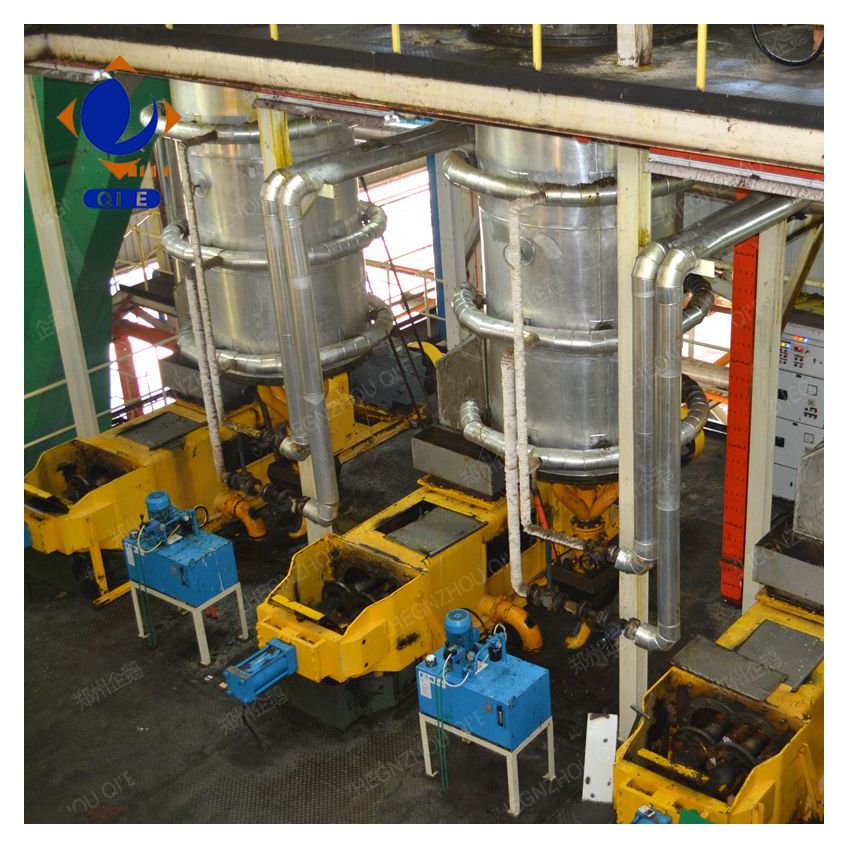
Hexane, though effective, poses fire and health risks if mishandled. The ISO 22000 standard mandates strict protocols: storage tanks must be grounded and ventilated, solvent transfer lines require leak detection sensors, and emergency shutdown systems should activate within 3 seconds of any detected leak. Producers who ignore these guidelines risk fines, production halts, or worse—a single incident can cost over $500,000 in downtime and reputational damage.
Pro tip: Install automated monitoring systems with real-time alerts—this reduces human error by up to 60% according to a 2023 study by the European Food Safety Authority (EFSA).
The key to profitability lies in recovering >95% of used solvent through distillation and condensation. Modern closed-loop systems reduce fresh solvent consumption by 40–60% annually—meaning lower procurement costs and fewer emissions. For example, one Malaysian processor reported saving $120,000/year after upgrading their recovery unit to a multi-stage vacuum distillation system.
If your target buyers are premium health-conscious consumers (e.g., in North America or Germany), cold-pressed may win favor due to perceived “natural” benefits—even though it yields less oil. However, for bulk buyers in Asia, Middle East, or Latin America, solvent extraction offers better value, scalability, and compliance with food-grade standards. Knowing this helps you tailor your product messaging effectively.
Common issues include solvent residue exceeding 5 ppm (regulated by FDA) or clogged filters from impurities. Quick fixes? Implement continuous filtration during extraction and use gas chromatography for routine checks. One Indian refinery reduced solvent residue from 12 ppm to under 3 ppm in just two months using this approach.
Did You Know? Properly managed solvent extraction preserves heat-sensitive nutrients like tocopherols and omega-3s—critical for meeting growing demand for functional oils in the EU and US markets.
Ready to optimize your canola oil production safely and efficiently? Whether you're scaling up or modernizing existing lines, our team at QIE Group delivers end-to-end solutions—from compliant design to smart automation. Explore Our Advanced Canola Oil Line Safety Features & Smart Controls