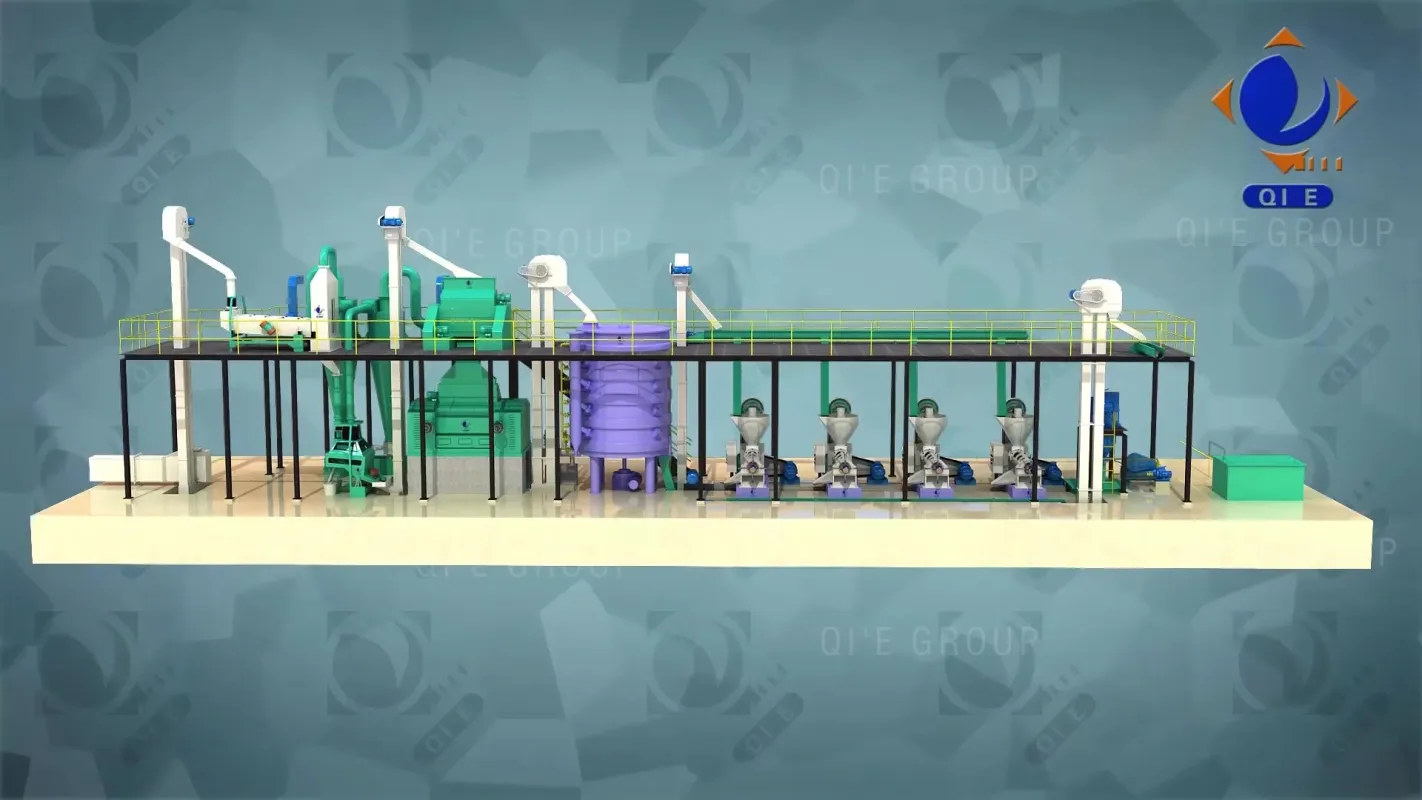
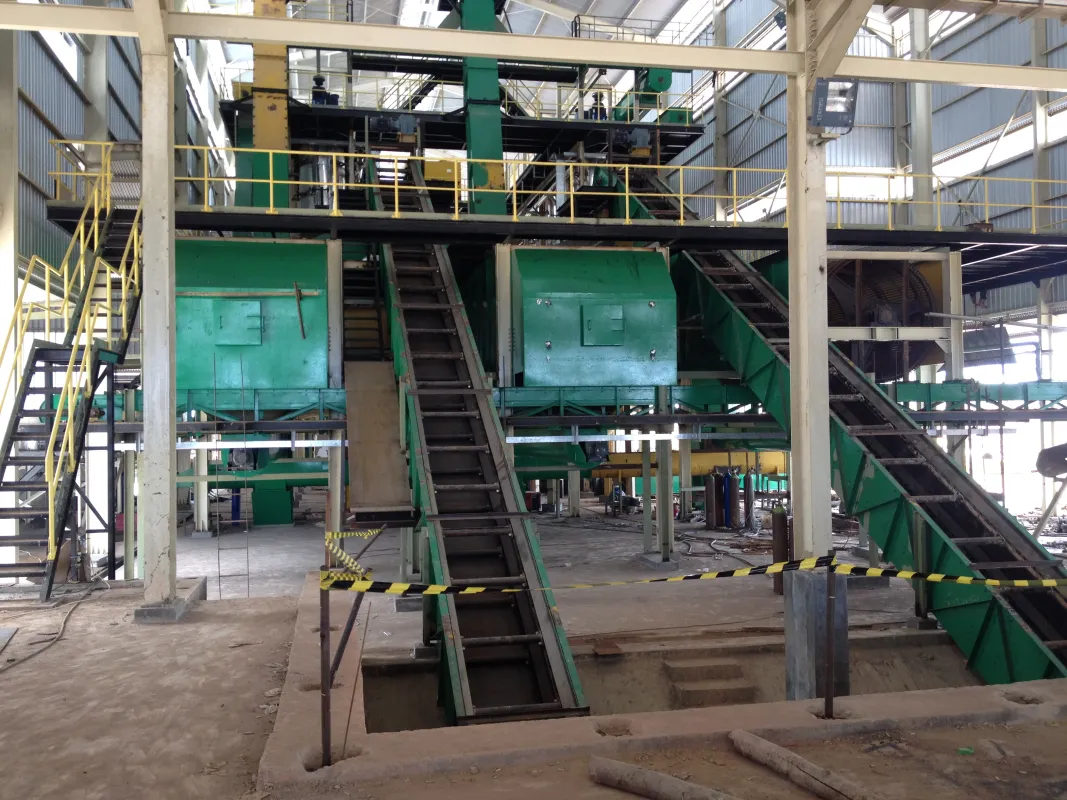
The production of high-quality canola oil demands a meticulously controlled process integrating advanced technology with rigorous quality management. Penguin Group’s cutting-edge canola oil production line exemplifies this by incorporating every essential step—from raw material preparation and cold pressing to solvent extraction and refined oil purification—underpinned by modern control systems and international safety standards. This article breaks down the critical stages of the production workflow, emphasizing operational excellence, maintenance strategies, and compliance to elevate product quality and manufacturing efficiency.
The journey begins with the selection and processing of canola seeds. Effective pretreatment involves cleaning, drying, dehulling, and conditioning the seeds to prepare them for extraction. Clean seeds with moisture content around 7-8% are ideal to maximize oil yield and maintain nutrient integrity. This stage eliminates impurities such as dust, stones, and plant residues which can degrade oil quality or damage equipment.
Key control points include:
Cold pressing is the first mechanical process that gently extracts oil by exerting pressure without excessive heat, thus preserving delicate nutrients like omega-3 fatty acids and vitamin E. Following this, solvent extraction using food-grade hexane captures residual oil, increasing overall recovery rates to an industry benchmark of 95-98%.
Integration of programmable logic controllers (PLC) stabilizes pressing parameters—pressure, temperature, and throughput—ensuring consistent oil quality. Meanwhile, solvent extraction units utilize automated solvent recovery systems to minimize evaporation losses and meet environmental emission standards.
After extraction, crude oil undergoes separation to remove solid residues and solvent traces. Centrifugal separators eliminate suspended solids, while steam stripping removes hexane to meet safety thresholds (<1 ppm solvent residue).
The purification pipeline includes degumming, neutralization, bleaching, and deodorization, fine-tuning oil characteristics:
Penguin Group aligns its production with ISO 22000 and HACCP standards to rigorously monitor microbial, chemical, and sensory parameters throughout the process. Continuous inline sensors track acidity, moisture, peroxide value, and color metrics, feeding data into centralized SCADA systems for real-time trend analysis and alarm triggers.
Maintaining operational safety, extensive preventive maintenance schedules cover equipment lubrication, gasket replacements, and electrical system inspections, reducing unplanned downtime by 15%-20% annually. Written SOPs (Standard Operating Procedures) complemented by operator training sessions ensure compliance with international workplace safety regulations.
Routine equipment audits include:
Adopting predictive maintenance software reduces reactive repairs by 25%, optimizes spare parts stock, and schedules services during low production periods, safeguarding continuous throughput.
Advanced automation with programmable systems enables:
By empowering operators with dashboards and alarm notifications, Penguin Group minimizes human error and enhances responsiveness to process deviations.
Discover how Penguin Group’s integrated production lines combine technology, safety, and expert support to boost your canola oil quality and manufacturing efficiency. Elevate your operations with our advanced equipment and comprehensive after-sales service designed for long-term success.
Explore Penguin Group Production Solutions