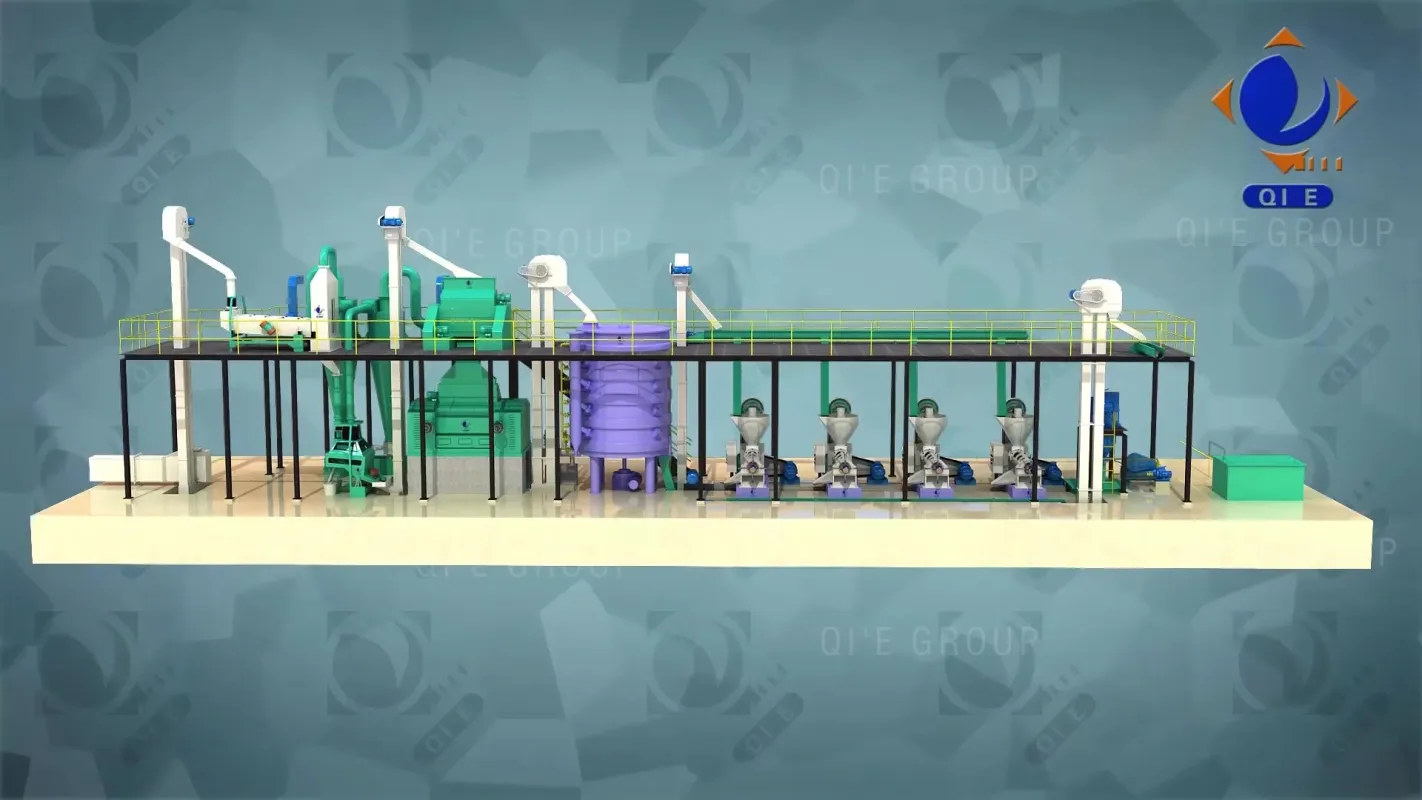
Canola oil production is a multifaceted industrial process that demands precision, advanced technology, and stringent quality control to ensure a premium final product with optimal nutrition and market competitiveness. This detailed guide elucidates the entire production line of canola oil, focusing on the critical stages — from raw material preprocessing, cold pressing, solvent extraction, through to refined oil purification. Highlighting the operational parameters, maintenance protocols, and international compliance, the content aims to equip industry professionals and plant managers with actionable insights to maximize yield, maintain safety standards, and uphold downstream quality.
The journey begins with rigorous sorting and cleaning of canola seeds, removing impurities like dust, stems, and broken seeds to avoid oil contamination and equipment wear. Moisture content is optimized to a consistent 7-9%, crucial for efficient pressing and extraction. Modern ultrasonic seed treating systems enhance seed permeability, accelerating oil release in subsequent steps.
Precise temperature and humidity controls during seed conditioning improve oil yield by up to 5% compared to untreated batches.
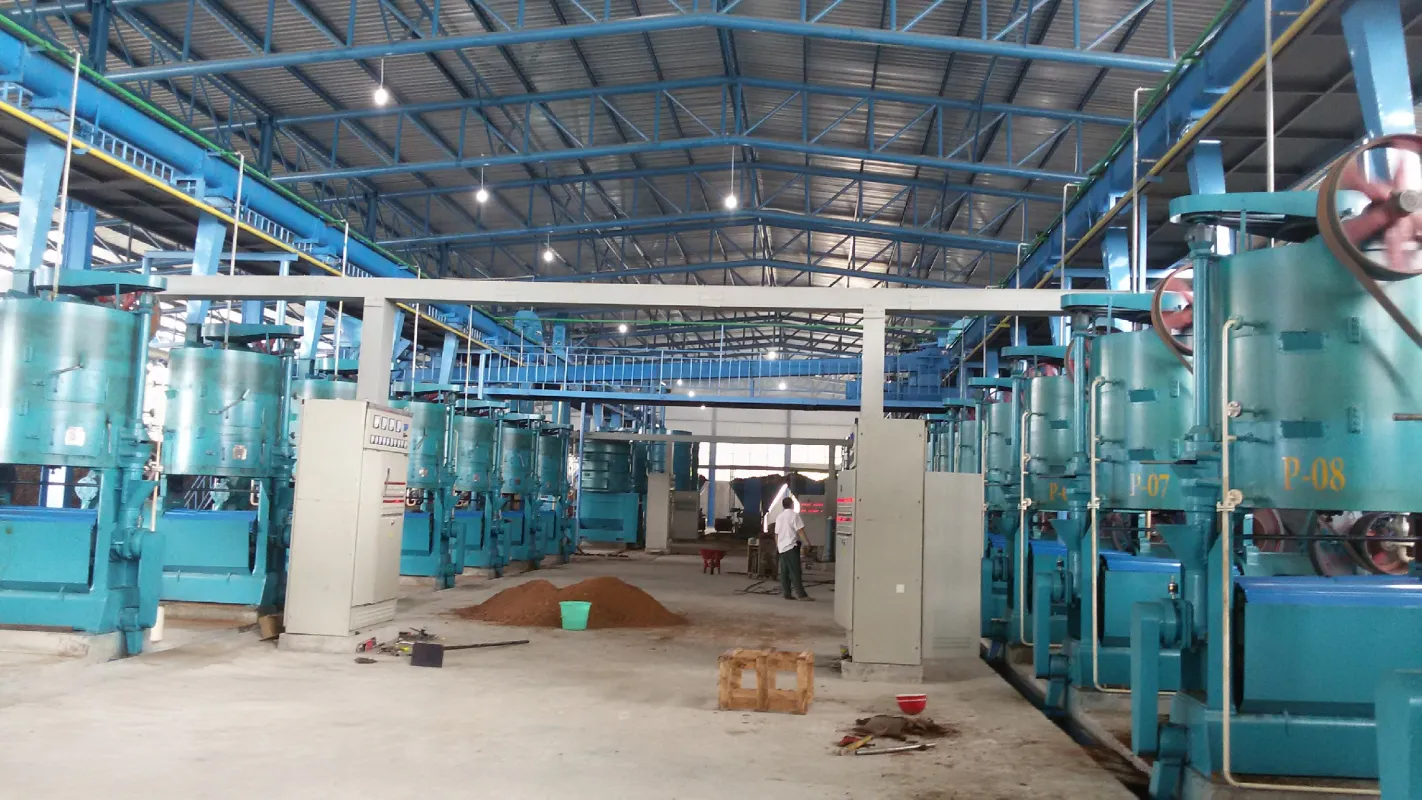
Cold pressing applies mechanical force below 50°C to extract oil without compromising heat-sensitive nutrients like omega-3 fatty acids and natural antioxidants. Optimal screw press parameters—rotational speed (40-60 RPM), gap clearance, and preheating temperature (40-45°C)—are critical for maximizing oil throughput while maintaining low free fatty acid (FFA) levels, ideally below 1%.
Advantages include minimal chemical residues, higher antioxidant retention, and a superior flavor profile favored in premium organic markets. However, oil recovery is typically 75-80%, necessitating supplementary solvent extraction for commercial-scale capacity.
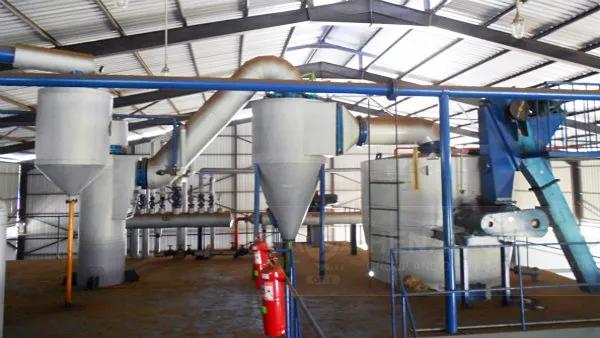
Post-cold pressing, the residual oil is extracted using a solvent such as hexane under controlled temperature (55-60°C) and vacuum conditions, boosting oil recovery rates up to 98%. Critical parameters include solvent-to-meal ratio (typically 4:1 to 6:1), extraction time (approx. 3 hours), and rigorous solvent recovery and degumming to remove traces.
Automated control systems monitor solvent concentration and flow rates, minimizing environmental emissions and ensuring compliance with safety standards such as ISO 22000 and GMP. Operators must adhere to strict maintenance schedules to prevent leaks, which are both safety and product quality hazards.
Extracted crude oil undergoes multiple purification steps:
Efficiency and product stability hinges on precise control of temperature (180-220°C) and residence time (20-60 minutes) during deodorization. Automated sensors and real-time monitoring reduce batch variability and ensure compliance with international edible oil standards such as Codex Alimentarius.
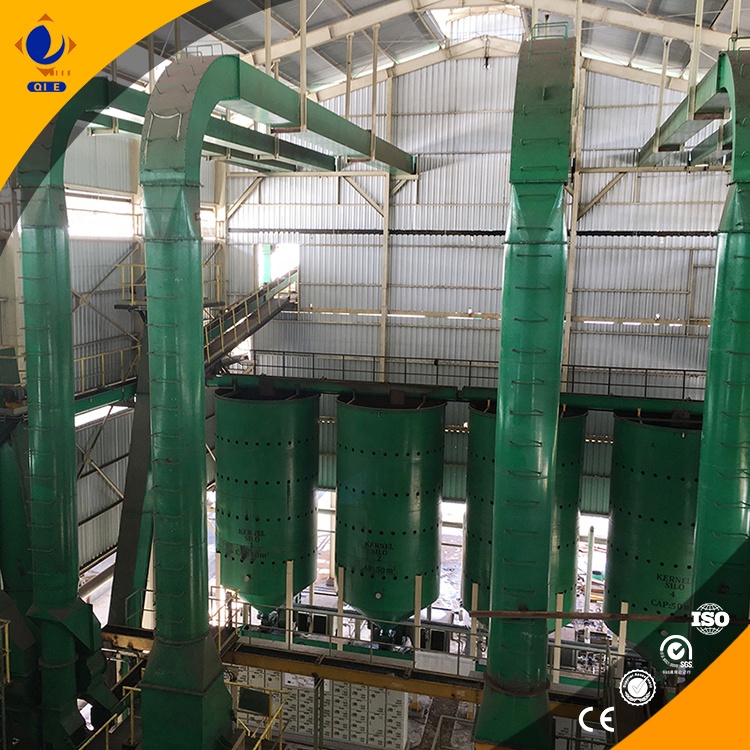
Daily equipment inspection including screw press, extractor, and refinery units is vital. Cleaning protocols emphasize:
Common issues such as solvent leaks, press blockages, and filter clogging require immediate action via standard operating procedures enhanced by AI-based predictive maintenance platforms, minimizing downtime and preserving product consistency.
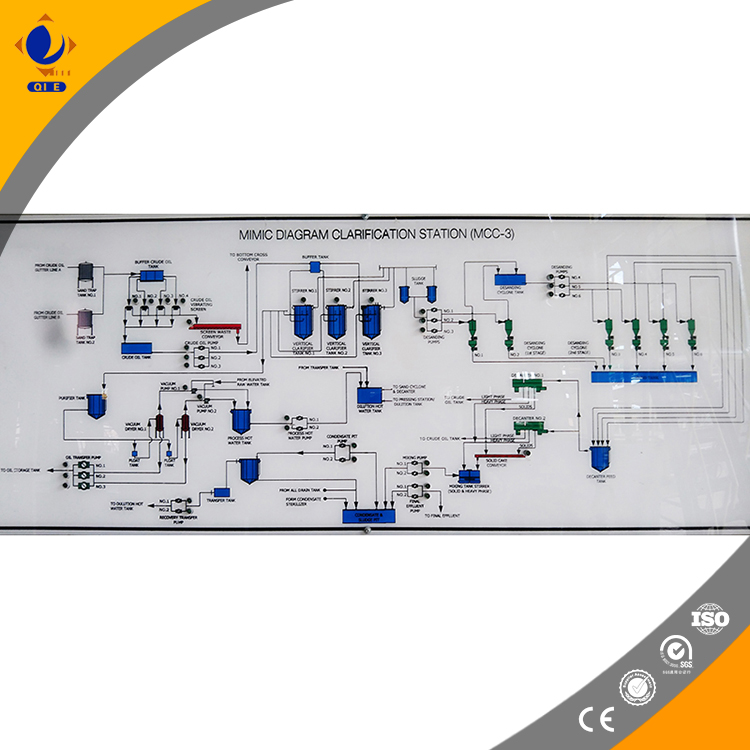
Adhering to international certifications such as ISO 9001, HACCP, and non-GMO project verification is indispensable for market access and customer trust. The integrated management system at the penguin group production facilities ensures traceability from seed to bottle, aligning operational safety, hygiene, and environmental protocols.
Regular third-party audits and internal inspections underpin sustained compliance, while training programs elevate operator competence in safety and quality. Implementation of such standards not only satisfies regulatory bodies but also enhances the end consumers' confidence, bolstering brand reputation globally.