In today’s highly competitive edible oil market, production precision and process stability are paramount for maintaining product quality and operational efficiency. Canola oil manufacturers like QIE Group have increasingly embraced advanced control technologies to optimize their production lines. Through intelligent automation and real-time monitoring, these modern systems ensure consistent output quality, maximize nutrient retention, and minimize downtime — addressing key challenges that traditional operations often face.
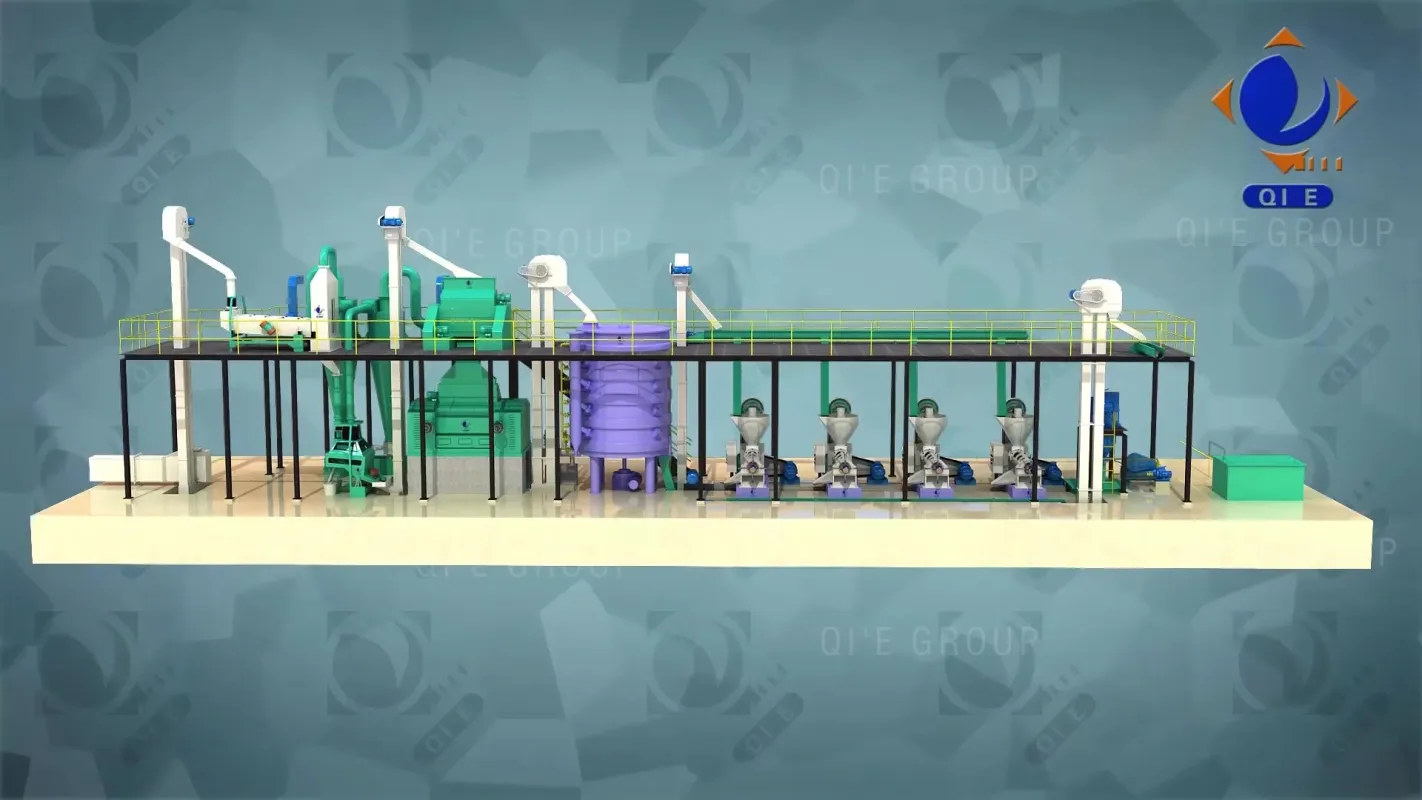
The canola oil production line typically encompasses several critical stages: raw material pre-treatment, cold pressing, solvent extraction, and final product purification. Each stage demands strict adherence to operational protocols to sustain oil quality and yield.
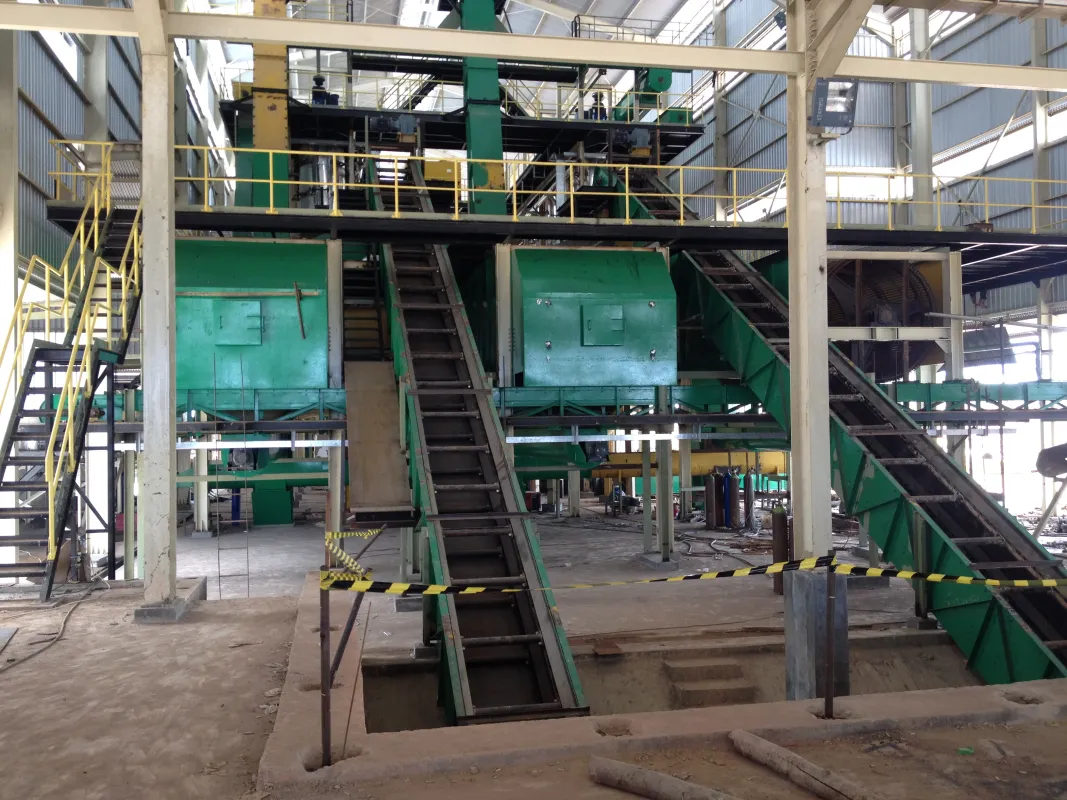
• Raw Material Pre-treatment: Cleaning and conditioning seeds to remove impurities, ensuring uniform moisture content around 8-10%. This prevents equipment blockage and optimizes extraction efficiency.
• Cold Pressing: Mechanically extracting oil at temperatures below 50°C to preserve natural nutrients and flavors. Precise control of pressure and temperature is essential to avoid oil degradation.
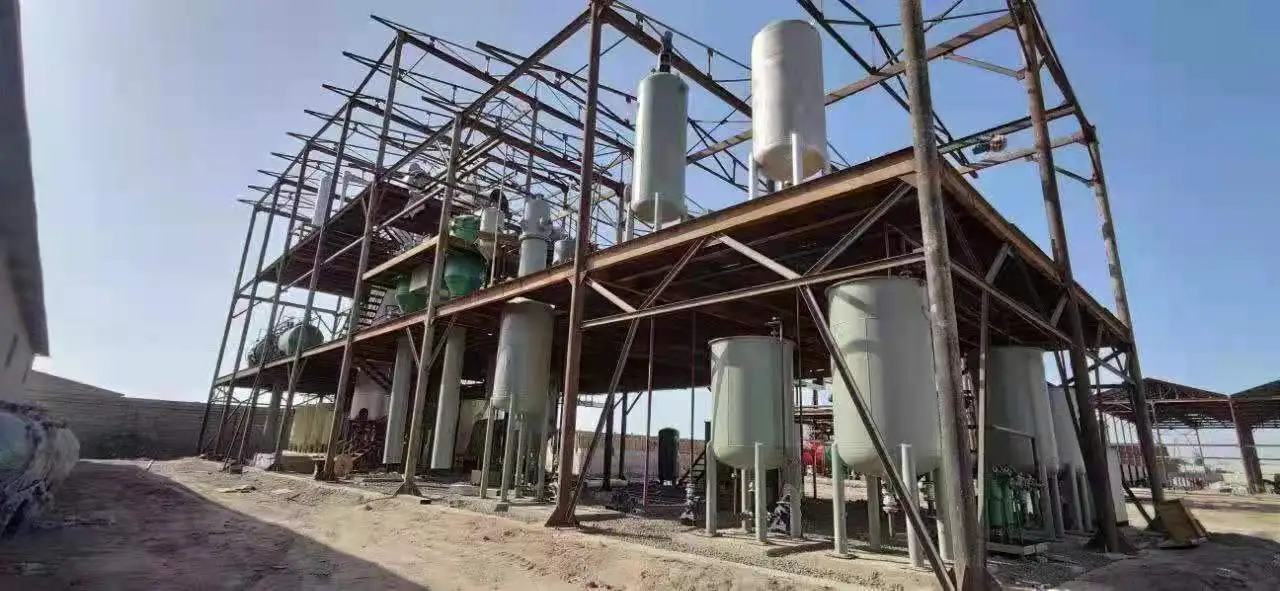
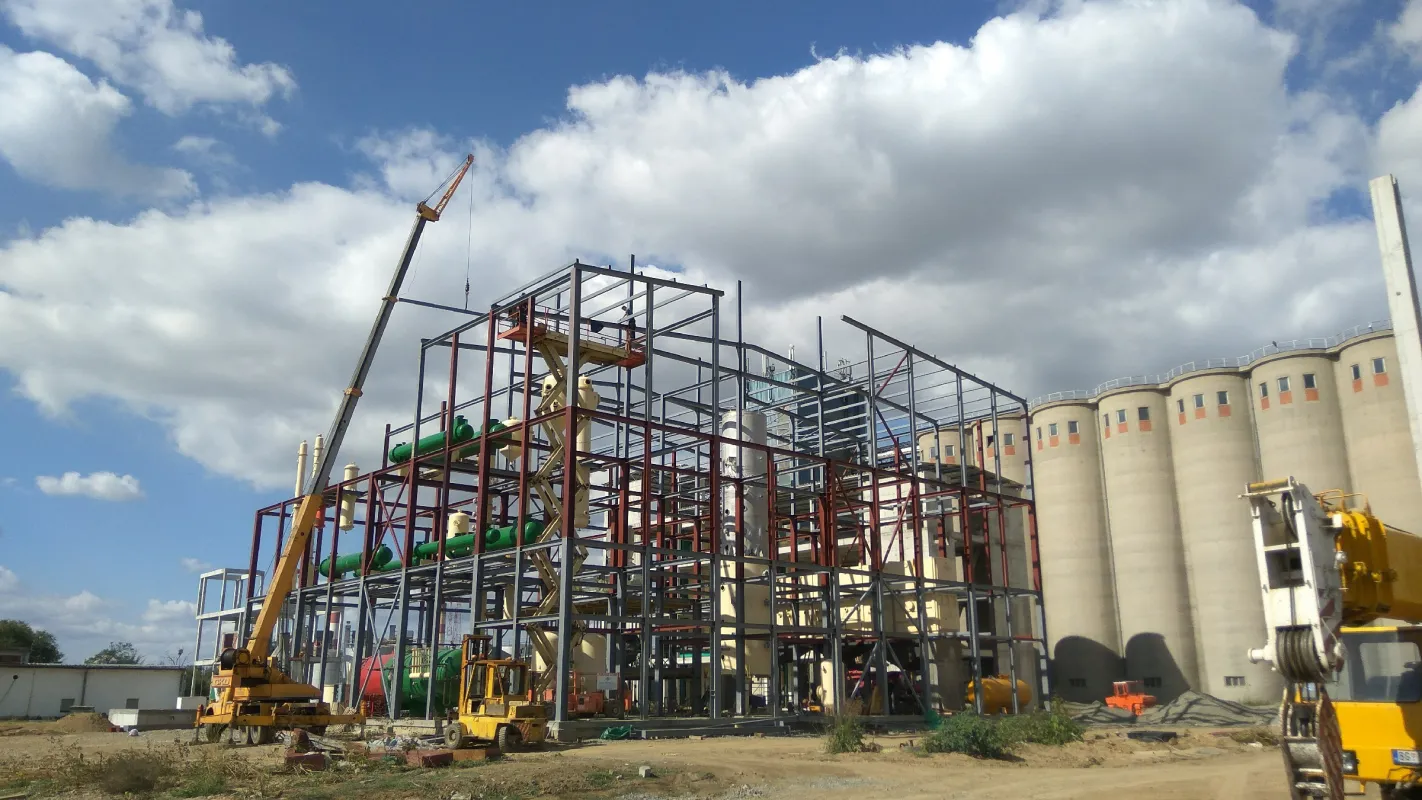
• Solvent Extraction: Using hexane or alternative solvents under tightly controlled temperatures and vacuum conditions to maximize oil recovery after pressing.
• Separation and Purification: Refining oil through degumming, neutralization, bleaching, and deodorization to remove impurities and enhance product stability.
Integrating advanced control systems into the canola oil production line introduces precise, automated regulation and continuous real-time data feedback. These systems deploy sensors, programmable logic controllers (PLCs), and human-machine interfaces (HMIs) to monitor critical parameters such as temperature, pressure, solvent concentration, and motor status.
Such intelligent systems align operations with international food safety and quality standards, assuring compliance while enhancing market competitiveness.
Equipment longevity and stable production demand rigorous and scheduled maintenance supported by the control system’s diagnostic capabilities. Key practices include:
Following these best practices reduces unexpected downtime by up to 30% and optimizes throughput, contributing to sustained profitability.
With solvent use and high-pressure equipment, safety standards are non-negotiable. Modern control systems integrate safety interlocks and automatic shutdown protocols to manage hazardous conditions immediately. Moreover, they streamline compliance with regulations such as ISO 22000 for food safety management and environmental emissions standards.
Standardizing production workflows via automation also supports traceability, a critical factor for export-oriented manufacturers targeting demanding markets in Europe and North America.
QIE Group production lines exemplify the integration of cutting-edge control systems tailored for canola oil processing excellence. Their solutions come equipped with customizable HMIs, remote monitoring capabilities, and predictive maintenance modules, enabling operators to maximize uptime and oil quality effortlessly.
Beyond hardware, QIE Group offers comprehensive after-sales service packages, including on-site training, 24/7 technical support, and rapid spare parts delivery worldwide, ensuring uninterrupted production cycles and long-term client satisfaction.
Embracing modern control systems throughout the canola oil production workflow is a strategic imperative for manufacturers dedicated to operational excellence and product superiority. These technologies not only elevate process precision and stability but also enhance safety, reduce costs, and boost profitability in an increasingly competitive global marketplace.