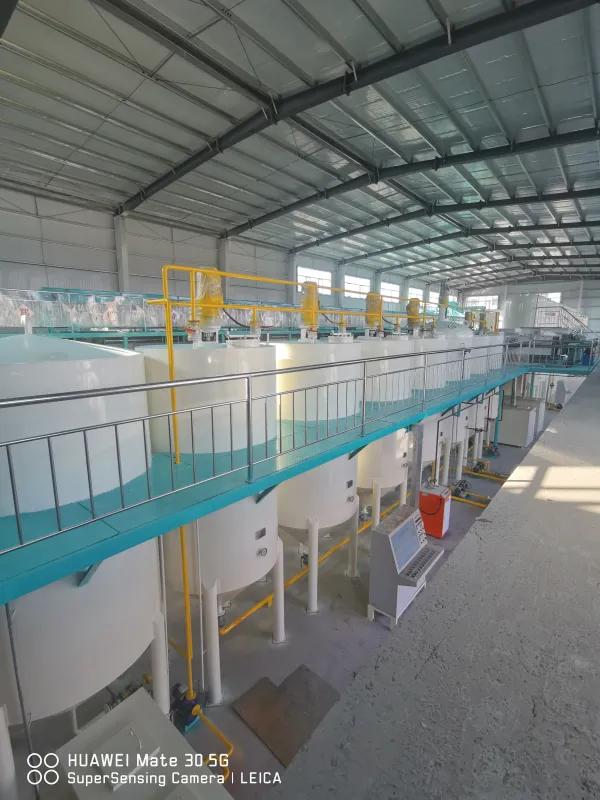
When it comes to rapeseed oil processing equipment, there are two mainstream types: cold - pressing and solvent extraction. Understanding their technical principles, advantages, and disadvantages is crucial for B2B procurement decision - makers.
The cold - pressing process involves pressing rapeseed at low temperatures without the use of chemical solvents. This method retains more nutrients and natural flavors in the oil. For example, it can preserve up to 90% of the original nutrients in rapeseed, making the oil healthier. However, the cold - pressing method usually has a lower oil yield, typically around 25% - 35%, which may not meet the high - volume production needs of large - scale enterprises.
In contrast, the solvent extraction process uses chemical solvents to extract oil from rapeseed. This method can achieve a much higher oil yield, often reaching 40% - 50%. But it requires more complex equipment and processes, and there may be some solvent residues in the oil, which requires additional refining steps to meet food safety standards.
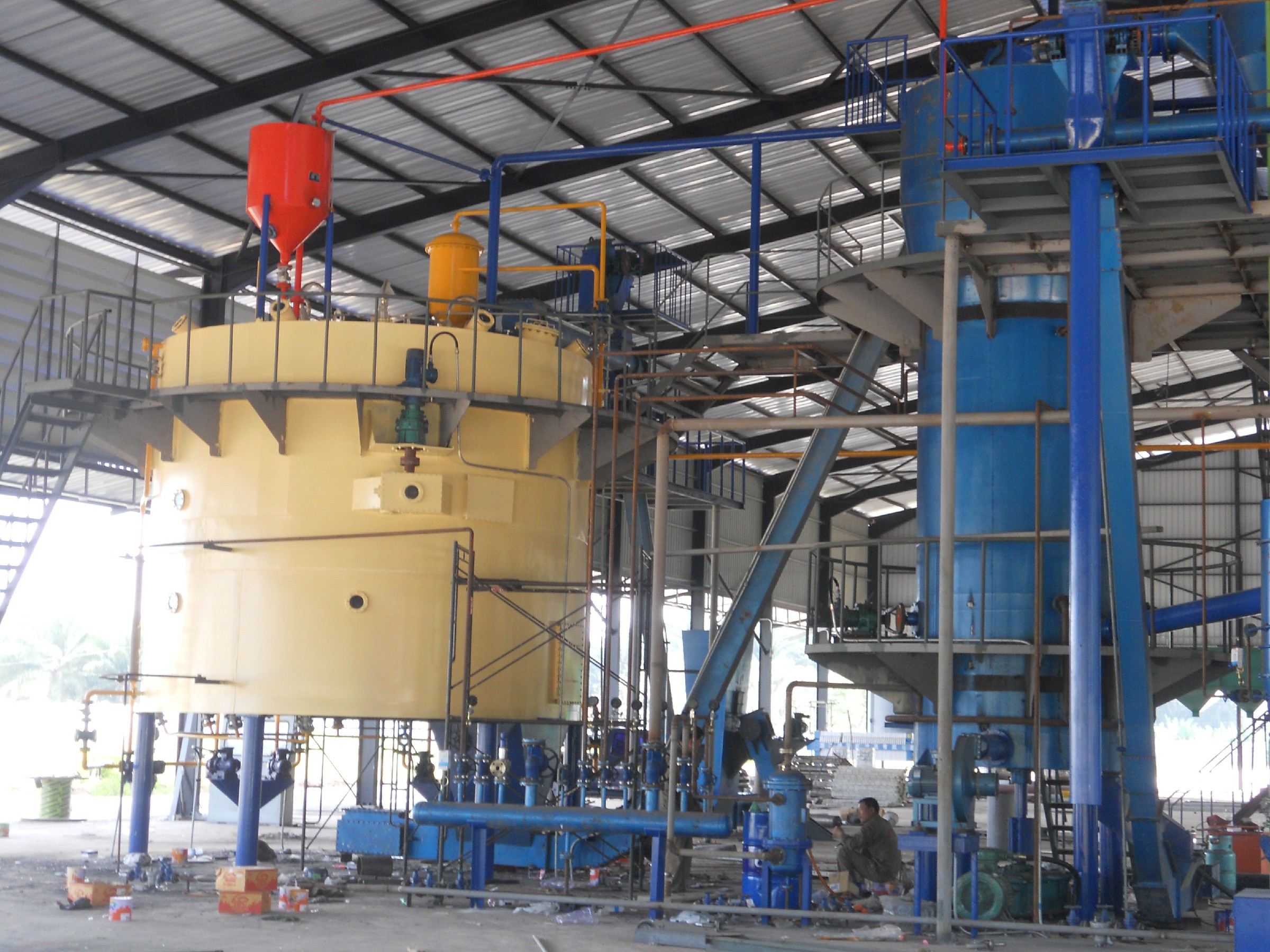
Oil yield is one of the most important performance indicators. A high - yield equipment can significantly increase the production efficiency and profitability of enterprises. As mentioned before, solvent extraction generally has a higher oil yield than cold - pressing. But when evaluating oil yield, it is also necessary to consider the quality of the oil and the cost of subsequent refining processes.
Energy consumption is a major cost factor in the long - term operation of rapeseed oil processing equipment. Modern equipment is designed to be more energy - efficient. For example, some advanced equipment can reduce energy consumption by 20% - 30% compared with traditional models. This not only saves costs but also conforms to the trend of environmental protection.
Regular cleaning and maintenance are essential to ensure the normal operation of equipment and the quality of oil. Equipment with good cleaning and maintenance convenience can save a lot of time and labor costs. For instance, some equipment has a detachable structure, which allows operators to easily clean the internal components.
Food safety is of utmost importance in the rapeseed oil processing industry. Equipment must meet strict food safety standards. This includes using food - grade materials in the production process, having a reasonable design to prevent cross - contamination, and meeting relevant hygiene regulations. For example, equipment that meets ISO 22000 food safety management system standards can provide more reliable food safety guarantees.
Operational convenience is an important factor that affects the user experience and production efficiency. Here are some aspects to consider:
A well - designed human - machine interaction interface can make it easier for operators to control the equipment. For example, a clear and intuitive touch - screen interface can display various operating parameters and status information at a glance, reducing the learning cost for operators.
The one - key start function can simplify the startup process of equipment, saving time and reducing the probability of human - error. With just one button, the equipment can automatically complete a series of startup operations, such as pre - heating, checking system status, etc.
A fault self - diagnosis system can quickly detect and locate equipment faults, providing timely repair suggestions. This can significantly reduce the downtime of the production line and improve production efficiency. For example, when a fault occurs, the system can display the fault code and relevant information on the interface, guiding operators to solve the problem.
| Operational Convenience Aspect | Cold - Pressing Equipment | Solvent Extraction Equipment |
|---|---|---|
| Human - Machine Interaction Interface Design | Generally simple, may lack advanced display functions | Often more advanced, with rich parameter display |
| One - Key Start Function | Some models have basic one - key start | More common and may have more comprehensive startup sequences |
| Fault Self - Diagnosis System | May be relatively simple | Usually more sophisticated |
International certification standards, such as the ISO system, play a vital role in the manufacturing and operation of rapeseed oil processing equipment. For example, an ISO 9001 - certified equipment manufacturer can ensure the quality and stability of the equipment. According to relevant statistics, enterprises using ISO - certified equipment have a 15% - 20% lower probability of equipment failure in the first year of operation.
Here is a real - world example: A rapeseed oil processing enterprise in Europe purchased equipment that met ISO 22000 food safety management system standards. Thanks to the strict quality control in the equipment manufacturing process, the enterprise was able to quickly obtain local food safety certifications and expand its market share.
Modern control systems, such as PLC (Programmable Logic Controller) and SCADA (Supervisory Control and Data Acquisition) systems, can effectively reduce the risk of manual intervention. These systems can automatically control various parameters of the production line, such as temperature, pressure, and flow rate, ensuring the stability and consistency of product quality.
For example, in a rapeseed oil production line with a modern control system, the temperature of the solvent extraction process can be accurately controlled within ±1°C, which can improve the oil yield and quality. At the same time, the system can also record and analyze production data, providing a basis for production optimization and decision - making.
A good after - sales service support system can significantly reduce the long - term operating costs of enterprises. For example, timely maintenance and repair services can prevent small faults from developing into major problems, reducing the downtime of the production line. Some equipment manufacturers provide 24/7 after - sales service, which can quickly respond to customer needs and solve problems.
Moreover, a complete after - sales service system also includes technical training for operators. Well - trained operators can better operate and maintain the equipment, improving production efficiency and reducing the probability of equipment damage.
"Choosing the right rapeseed oil processing equipment is not only about the initial investment but also about long - term production efficiency and product quality. A comprehensive evaluation of equipment performance and after - sales service is essential." - Industry Expert
Let every investment be transformed into quantifiable production benefits. Don't miss the opportunity to enhance your enterprise's market competitiveness. Explore Our Advanced Rapeseed Oil Processing Equipment Now