Selecting the right rapeseed oil processing equipment is a crucial decision for B2B enterprises. There are two mainstream technologies in the market: cold pressing and solvent extraction. Each has its own unique principles and application scenarios.
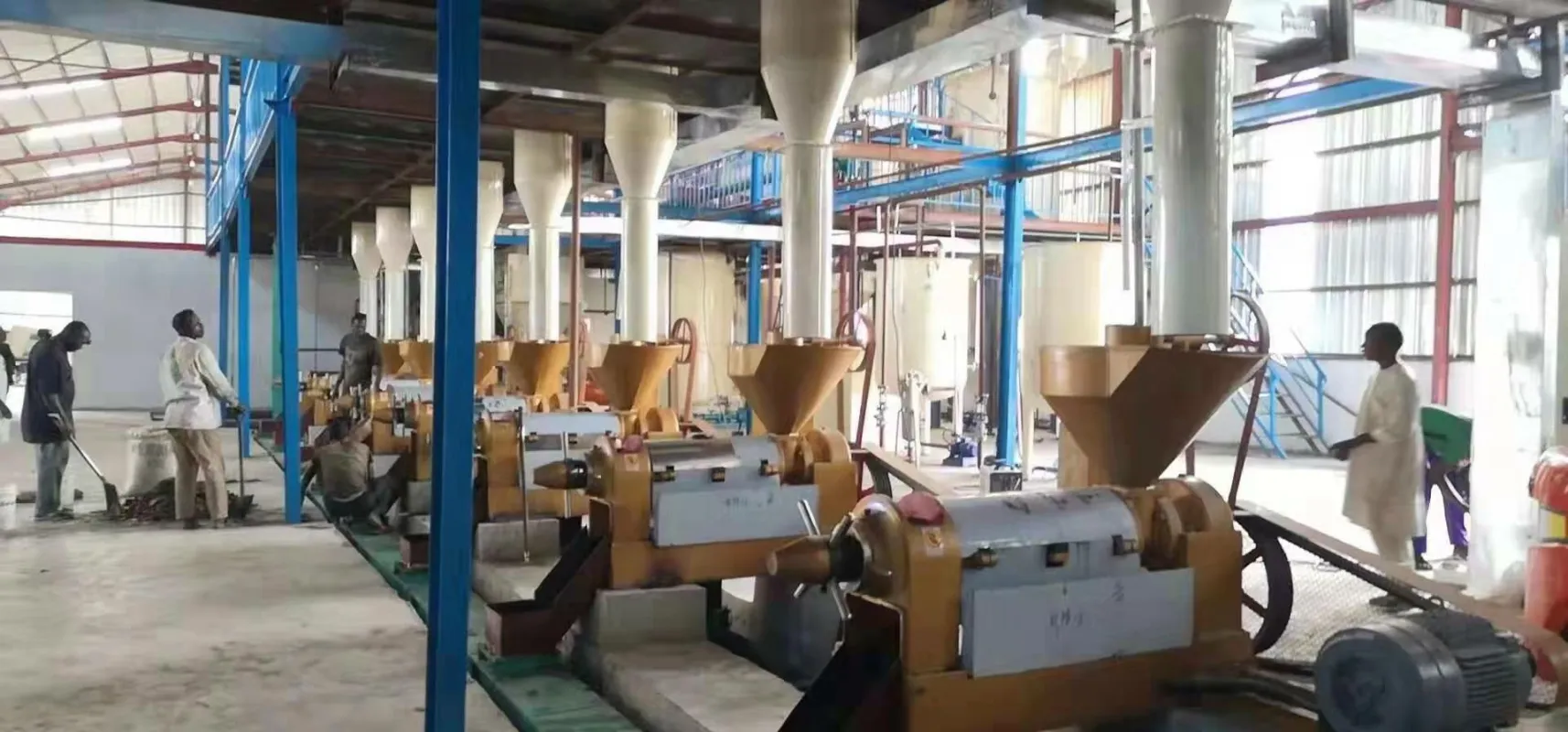
Cold pressing is a mechanical method that uses physical pressure to extract oil from rapeseeds at a relatively low temperature (usually below 60°C). This process retains more nutrients in the oil, such as vitamins and antioxidants. It is suitable for producing high - end, premium rapeseed oil, especially for markets that value natural and healthy food products.
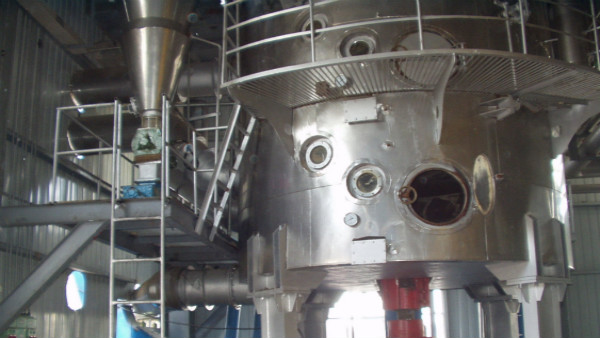
On the other hand, solvent extraction uses a chemical solvent (usually hexane) to dissolve the oil from the rapeseeds. This method has a higher oil extraction rate, which can reach up to 95% or more. It is more suitable for large - scale production where cost - efficiency is a key concern. However, the solvent needs to be removed thoroughly from the final product to meet food safety standards.
When choosing rapeseed oil processing equipment, several key performance indicators should be considered. These include oil extraction rate, energy consumption, cleaning difficulty, and operational convenience.
As mentioned above, solvent extraction generally has a higher oil extraction rate. For example, in a well - designed solvent extraction plant, the oil extraction rate can be as high as 95 - 98%. In contrast, cold pressing usually has an extraction rate of around 80 - 85%, but the quality of the oil is often higher.
Cold pressing is a relatively energy - efficient method because it mainly relies on mechanical pressure. The energy consumption of cold pressing equipment is about 30 - 50 kWh per ton of rapeseeds. Solvent extraction, however, requires more energy for processes such as solvent evaporation and recovery. The energy consumption can be around 100 - 150 kWh per ton of rapeseeds.
Cold pressing equipment is relatively easy to clean because there is no chemical solvent involved. Regular cleaning with water and mild detergents is usually sufficient. Solvent extraction equipment, on the other hand, requires more complex cleaning procedures to remove the residual solvent and ensure food safety.
Cold pressing equipment is generally simpler to operate and requires less technical expertise. It is more suitable for small and medium - sized enterprises or those new to rapeseed oil processing. Solvent extraction equipment is more complex and requires trained operators to ensure safe and efficient operation.
ISO certification is an important standard in the food processing industry. ISO 9001 certification ensures that the equipment manufacturer has a quality management system in place, which can guarantee the consistency and reliability of the equipment. ISO 22000 certification is related to food safety management systems, which is crucial for rapeseed oil processing to ensure that the final product is safe for consumption.
"Certification such as ISO is not just a label but a guarantee of product quality and safety," said a well - known industry expert. "In the international market, B2B buyers are increasingly demanding certified equipment to ensure compliance with local regulations and meet consumer expectations."
Modern rapeseed oil processing equipment is often equipped with advanced control systems, which can significantly improve the degree of automation. With an automated control system, the equipment can operate continuously and stably, reducing the need for manual intervention. This not only improves production efficiency but also enhances product quality stability.
For example, an automated cold pressing system can precisely control the pressure and temperature during the extraction process, ensuring consistent oil quality. In a solvent extraction plant, the control system can monitor and adjust the solvent flow rate, evaporation temperature, and other parameters to optimize the extraction process.
A small rapeseed oil processing factory in Europe chose cold pressing equipment. They focused on producing high - quality, organic rapeseed oil for the local market. By using cold pressing technology, they were able to retain the natural flavor and nutrients of the oil, which was well - received by consumers. Although the production capacity was relatively limited, the high - end positioning of their products brought them a good profit margin.
A large grain and oil group in Asia invested in a solvent extraction plant. With the high oil extraction rate and large - scale production capacity of the solvent extraction technology, they were able to meet the huge market demand. They also adopted strict quality control measures and obtained ISO certifications, which helped them expand their market share both domestically and internationally.
Many B2B buyers may make mistakes when choosing rapeseed oil processing equipment. One common misunderstanding is blindly pursuing low - price equipment. Low - price equipment may have lower quality, less reliable performance, and higher maintenance costs in the long run. Another mistake is relying on a single processing technology without considering the specific market demand and production requirements.
"Making a hasty decision based on price alone can lead to long - term losses," warned the industry expert. "Buyers should comprehensively evaluate multiple factors to make a scientific and reasonable purchasing decision."
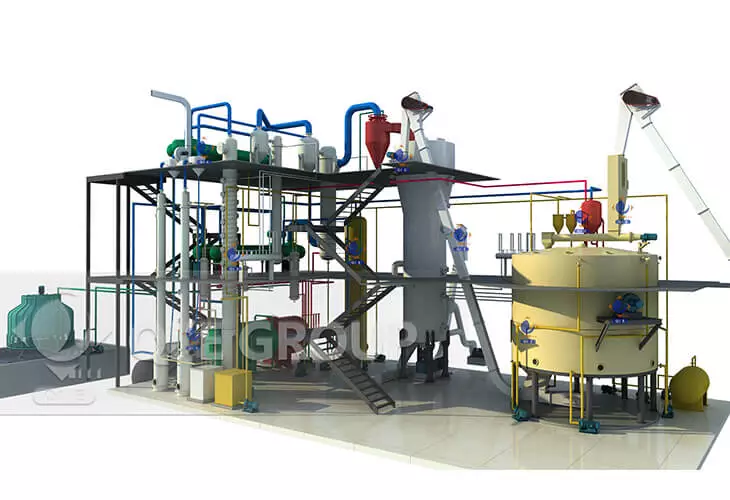
In conclusion, choosing the right rapeseed oil processing equipment requires a comprehensive consideration of various factors, including processing technology, performance indicators, international certifications, control systems, and real - world cases. By making a scientific decision, B2B enterprises can achieve a balance between quality and efficiency, and ensure the long - term success of their rapeseed oil production business.
Get the Equipment Manual / Schedule a Technical Demo