In the process of selecting rapeseed oil processing equipment, one of the most critical decisions B2B enterprises face is choosing between cold pressing and solvent extraction processes. This guide aims to offer in - depth insights into these two main processes, their key differences, suitable scenarios, and performance advantages, empowering B2B decision - makers to make informed choices.
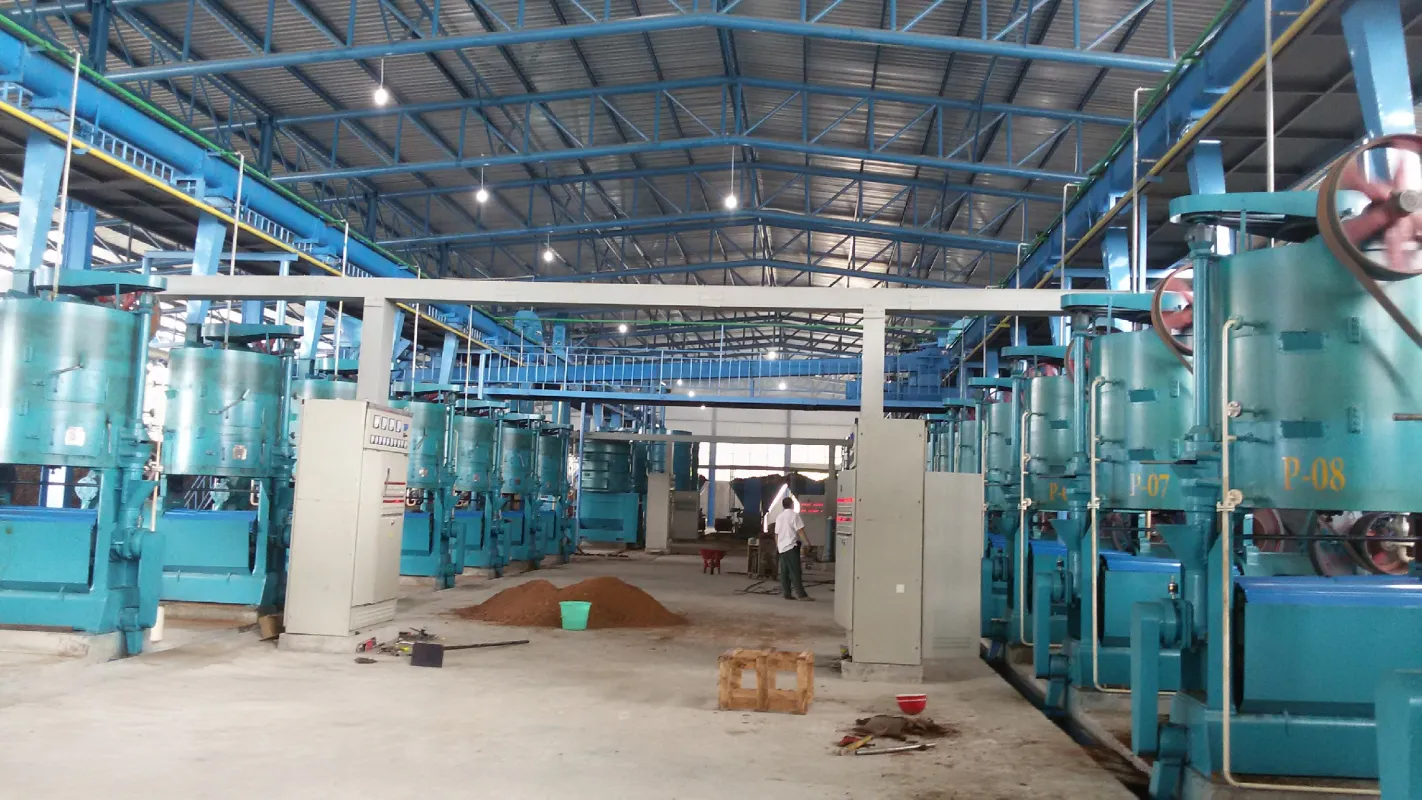
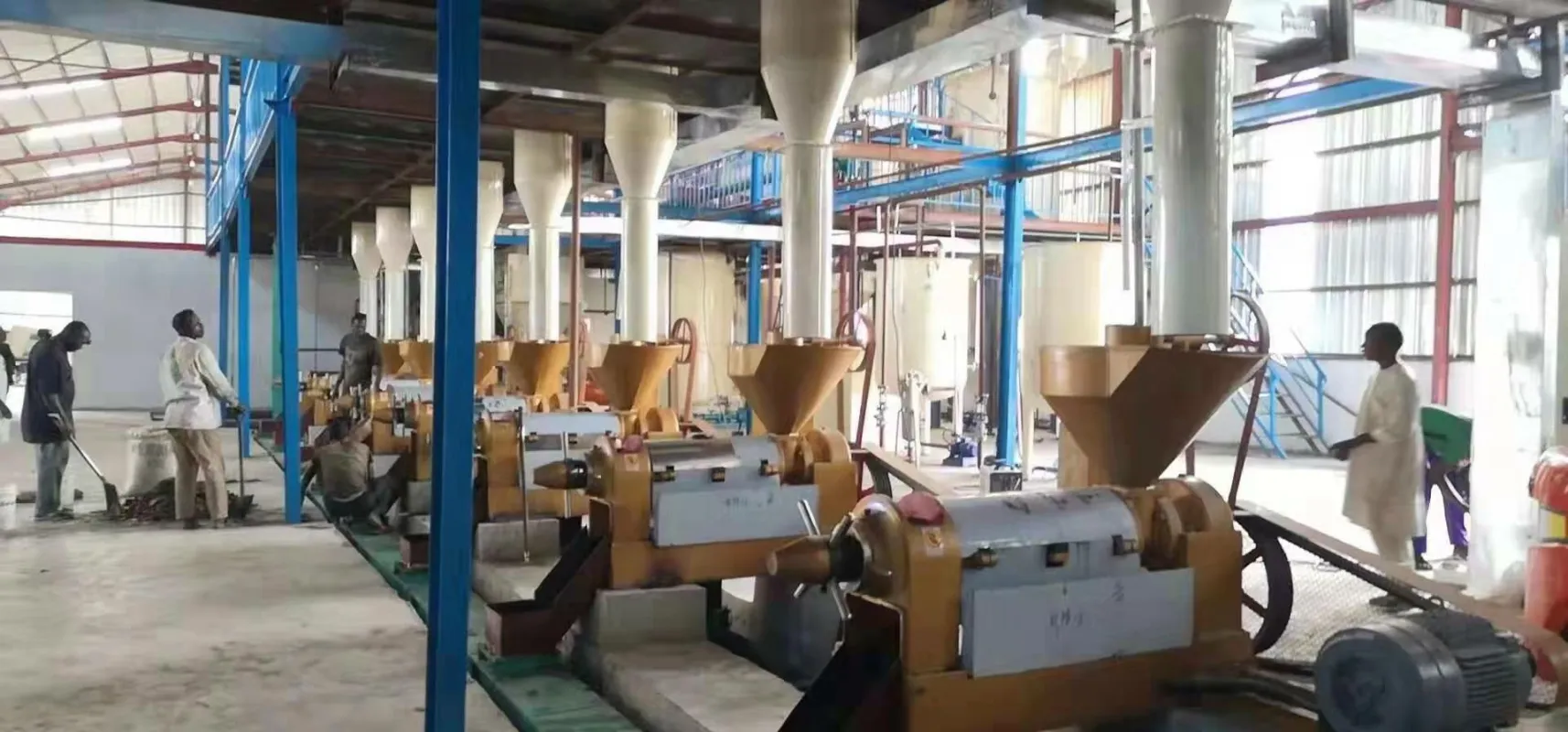
Cold pressing is a mechanical extraction method that involves squeezing rapeseeds at low temperatures, typically below 60°C. This gentle process ensures minimal damage to the oil's nutritional profile. The technical principle behind it is simple and straightforward: physical pressure is applied to the seeds to force out the oil. The oil yield of cold - pressed rapeseed oil is generally around 30% - 40%. However, it retains a high level of nutrients such as vitamin E, phytosterols, and unsaturated fatty acids, which are beneficial for human health. In terms of cost structure, cold - pressing equipment usually has a lower initial investment, but the production capacity is relatively limited, resulting in higher unit production costs.
On the other hand, solvent extraction is a chemical extraction method that uses solvents (usually hexane) to dissolve the oil from rapeseeds. The technical principle is based on the solubility of oil in the solvent. After extraction, the solvent is removed through evaporation. Solvent extraction has a significantly higher oil yield, reaching 40% - 50%. However, the high - temperature evaporation process may cause some loss of nutrients. The initial investment in solvent - extraction equipment is relatively high, but due to its high production capacity, the unit production cost is lower in large - scale production.

The intelligent level of the control system is a crucial factor in enhancing production efficiency. Modern rapeseed oil processing equipment is increasingly equipped with advanced control systems that can monitor and adjust various parameters in real - time, such as temperature, pressure, and flow rate. For example, an automated control system can reduce human error and ensure stable production quality. Some high - end equipment can even achieve remote monitoring and control, which is very convenient for large - scale production management.
Maintenance convenience also affects production efficiency. Equipment with a simple structure and easy - to - replace components can significantly reduce downtime during maintenance. For instance, some equipment has modular designs, allowing for quick replacement of faulty parts without complex disassembly. Additionally, regular preventive maintenance can extend the service life of the equipment and improve its overall performance.
Energy consumption is another important consideration. High - energy - consuming equipment not only increases production costs but also goes against the trend of environmental protection. New - generation rapeseed oil processing equipment is designed to be more energy - efficient. For example, some cold - pressing machines use advanced motor technology to reduce power consumption, while solvent - extraction equipment has optimized evaporation systems to save energy.
International certifications, such as ISO standards, play a central role in ensuring food safety and compliance. ISO 9001 certification indicates that the equipment manufacturer has a sound quality management system, which can guarantee the stability and reliability of product quality. ISO 22000 certification is related to food safety management, ensuring that the equipment meets strict hygiene and safety requirements during the production process.
Having these international certifications can significantly enhance customer trust. When B2B customers are considering purchasing rapeseed oil processing equipment, they often prioritize suppliers with recognized international certifications, as it provides them with greater confidence in the product's quality and compliance.
"In our experience, choosing equipment with ISO certifications has greatly reduced our quality control risks and enabled us to meet the strict requirements of international markets," said a customer from a large - scale rapeseed oil processing company.
To illustrate the practicality and reliability of different rapeseed oil processing equipment, let's look at some real - world applications. A small - scale organic rapeseed oil producer in Europe chose cold - pressing equipment. By using cold - pressed technology, they were able to produce high - quality organic rapeseed oil, which was highly sought after in the local health food market. Although the production volume was limited, the high - end positioning of the product brought them good profits.
In contrast, a large - scale commercial rapeseed oil processing plant in Asia adopted solvent - extraction equipment. The high oil yield and large - scale production capacity allowed them to meet the huge market demand at a relatively low cost. Through strict quality control and compliance with international standards, their products were exported to many countries and regions.
In conclusion, selecting the right rapeseed oil processing equipment requires a comprehensive consideration of various factors, including the process type, production efficiency, and international certifications. By making an informed choice, B2B enterprises can achieve a balance between high - efficiency production and quality improvement.