In the realm of rapeseed oil processing, achieving both high - efficiency production and quality assurance is a top priority for B2B enterprises. This article delves into the key aspects of rapeseed oil processing equipment, offering valuable insights for procurement decision - makers and technical evaluation experts.
There are two primary types of rapeseed oil processing methods: cold - pressing and solvent extraction. Cold - pressing is a mechanical process that extracts oil from rapeseeds at low temperatures, which helps retain the natural nutrients and flavors of the oil. Solvent extraction, on the other hand, uses solvents to dissolve the oil from the seeds, resulting in a higher oil yield. Typically, cold - pressing has an oil yield of around 30% - 35%, while solvent extraction can achieve an oil yield of up to 90%.
When selecting rapeseed oil processing equipment, several key technical indicators need to be considered. Production capacity is a crucial factor, which can range from small - scale equipment with a daily production of 1 - 5 tons to large - scale industrial equipment with a daily production of over 100 tons. Energy consumption is also important, as lower energy - consuming equipment can significantly reduce operating costs. Additionally, the oil yield directly affects the economic benefits of the enterprise. High - quality equipment can ensure a stable and high oil yield.
| Technical Indicator | Range |
|---|---|
| Production Capacity (tons/day) | 1 - 100+ |
| Energy Consumption (kWh/ton) | 50 - 200 |
| Oil Yield (%) | 30 - 90 |
The modern automated control system plays a vital role in rapeseed oil processing equipment. PLC (Programmable Logic Controller) control enables precise operation of the equipment, reducing human errors and improving production efficiency. The human - machine interface allows operators to easily monitor and control the production process. Remote monitoring function enables managers to keep track of the equipment status in real - time, even from a distance. For example, through remote monitoring, potential problems can be detected and solved in a timely manner, reducing downtime by up to 30%.
International certification systems such as ISO 22000 and HACCP are essential for rapeseed oil processing equipment. These certifications ensure the product's compliance with international food safety and quality standards, which can enhance market trust and competitiveness. For instance, products with ISO 22000 certification are more likely to enter the international market, as they demonstrate a high level of food safety management.
"ISO 22000:2018 specifies requirements for a food safety management system where an organization in the food chain needs to demonstrate its ability to control food safety hazards in order to ensure that food is safe at the time of human consumption."
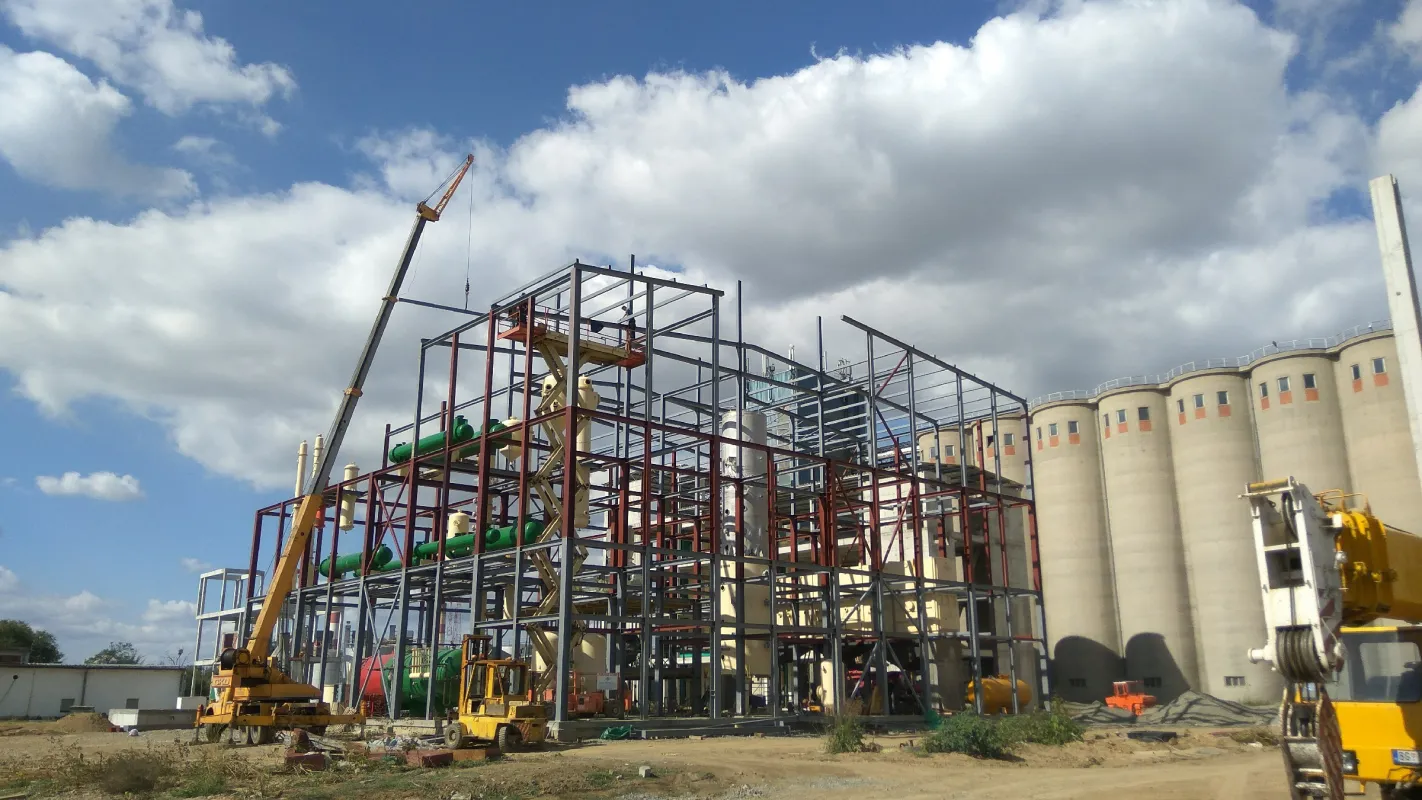
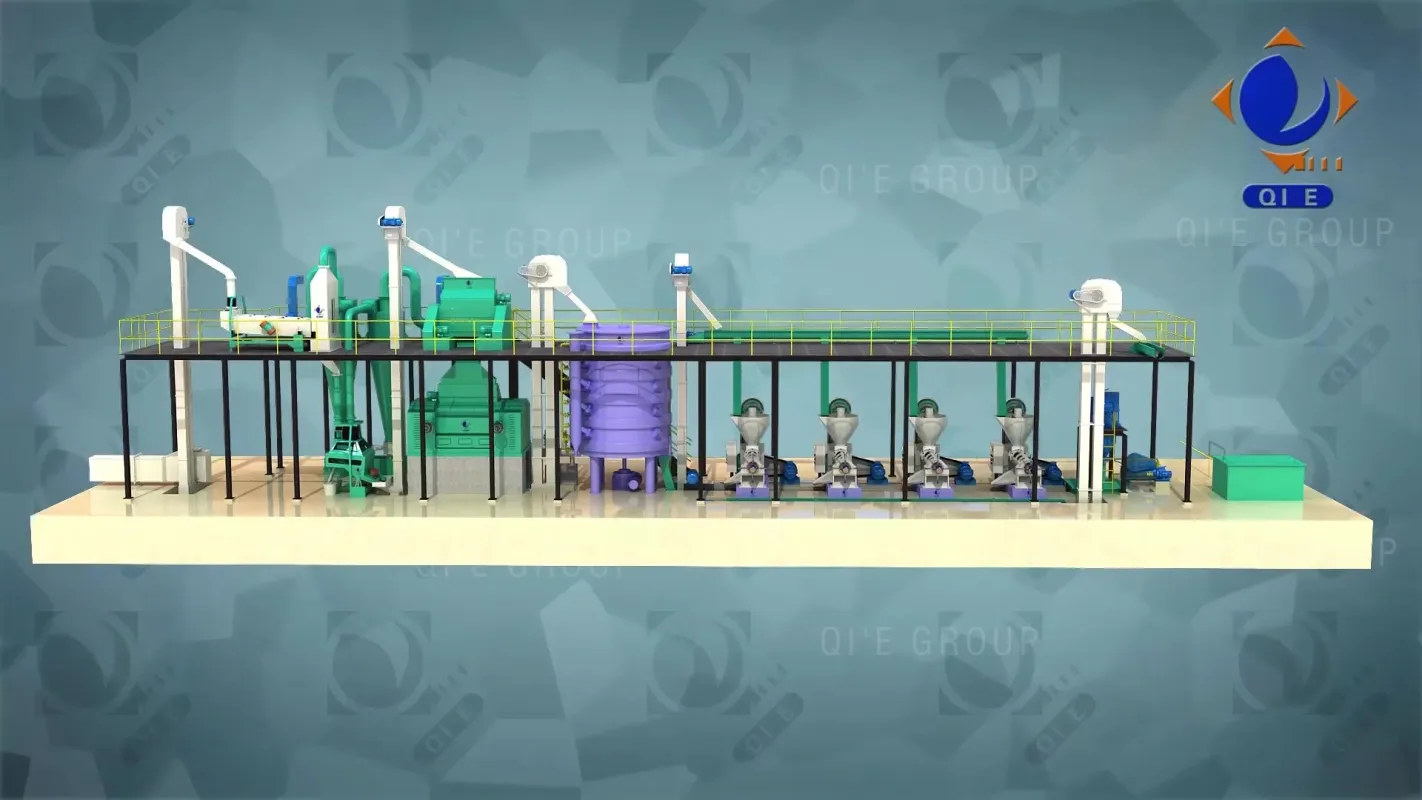
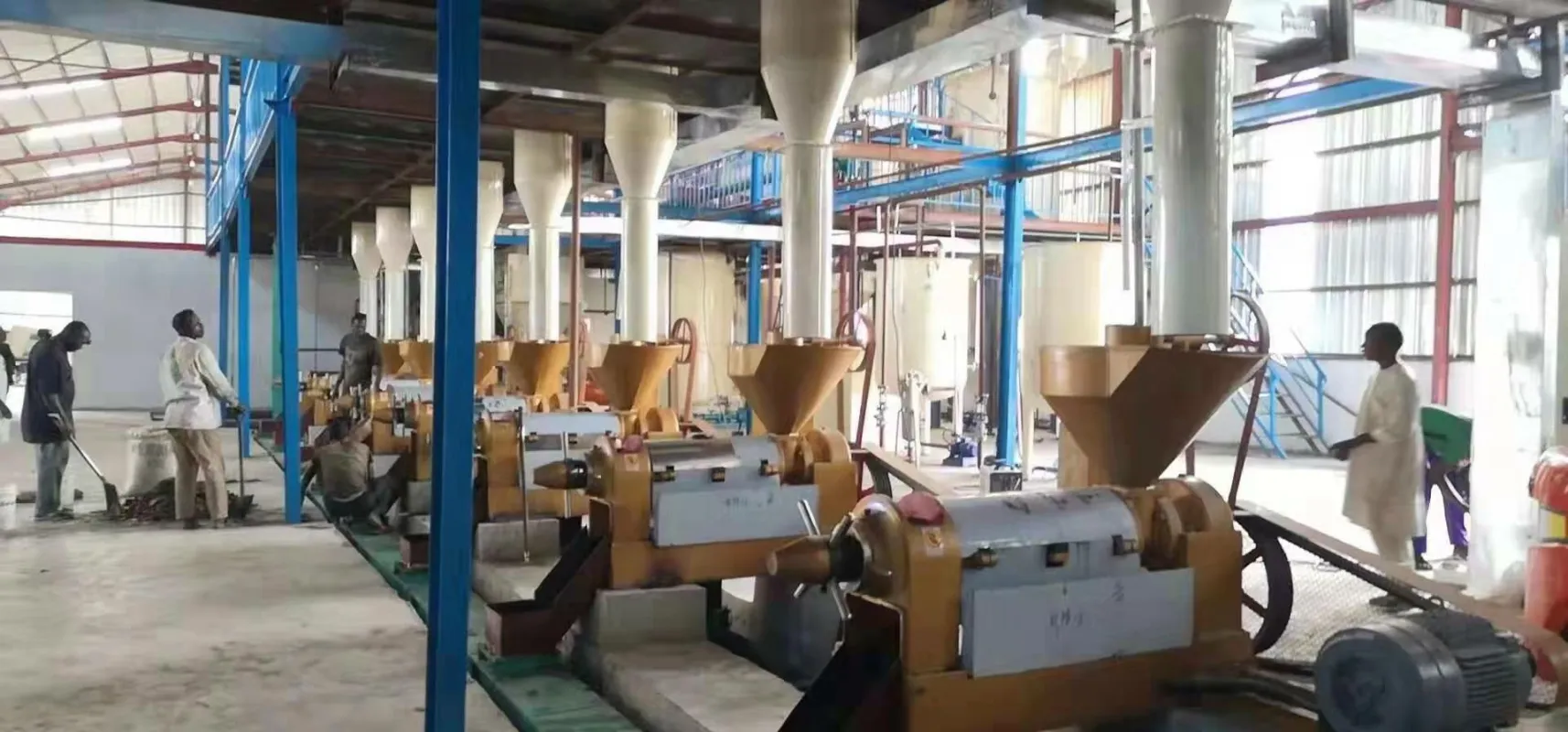
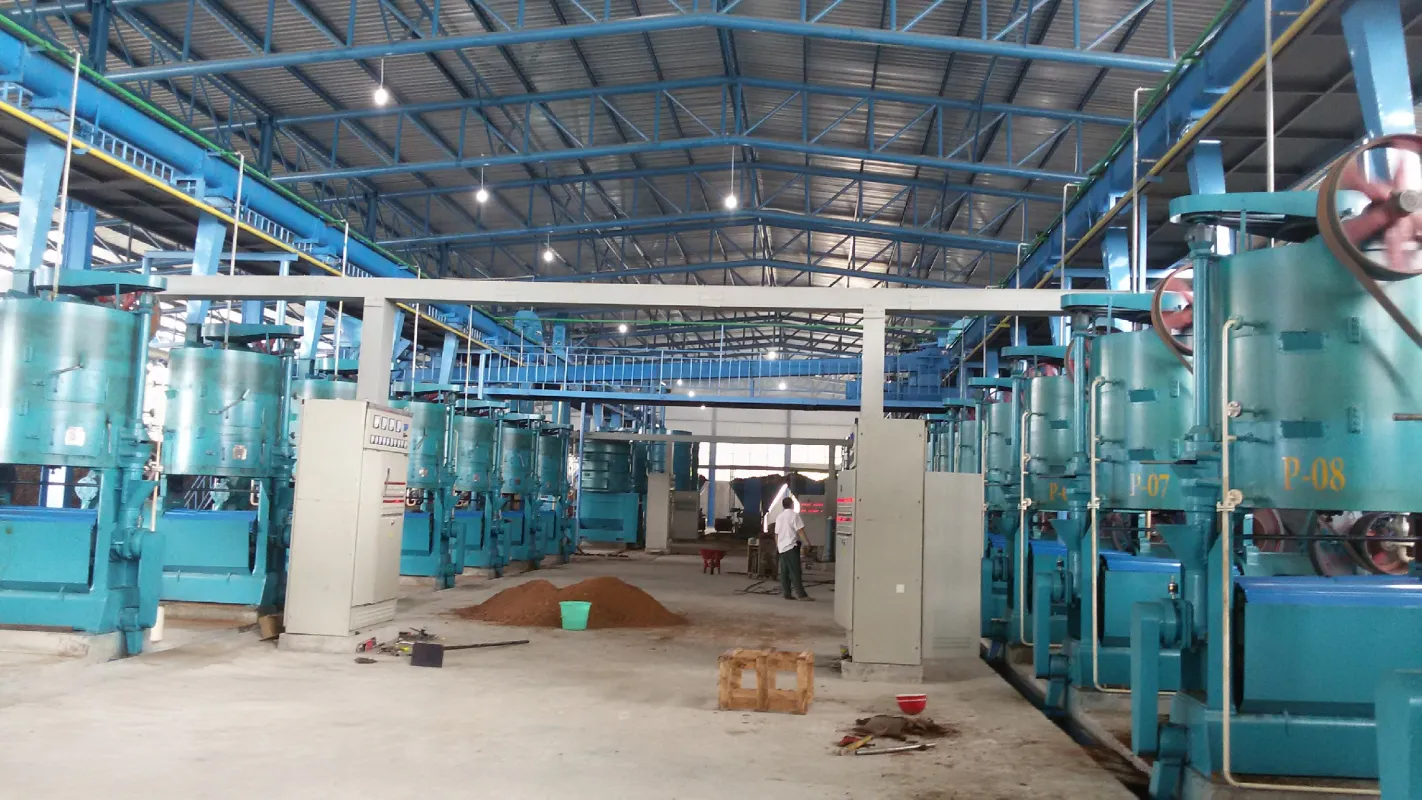
QIE Group rapeseed oil production line has comprehensive advantages in terms of stability, ease of use, and nutrient retention. Its equipment is designed with advanced technology and high - quality materials, ensuring stable operation over a long period. The user - friendly interface makes it easy for operators to learn and operate. Moreover, the production line can effectively retain the nutrients in the rapeseed oil, providing high - quality products for consumers.
Whether you are a small - scale enterprise or a large - scale industrial company, choosing the right rapeseed oil processing equipment can significantly improve your production efficiency and product quality. QIE Group equipment can help enterprises reduce costs and increase efficiency, making every drop of oil trustworthy.
Download the technical manual or book a on - site demonstration now!