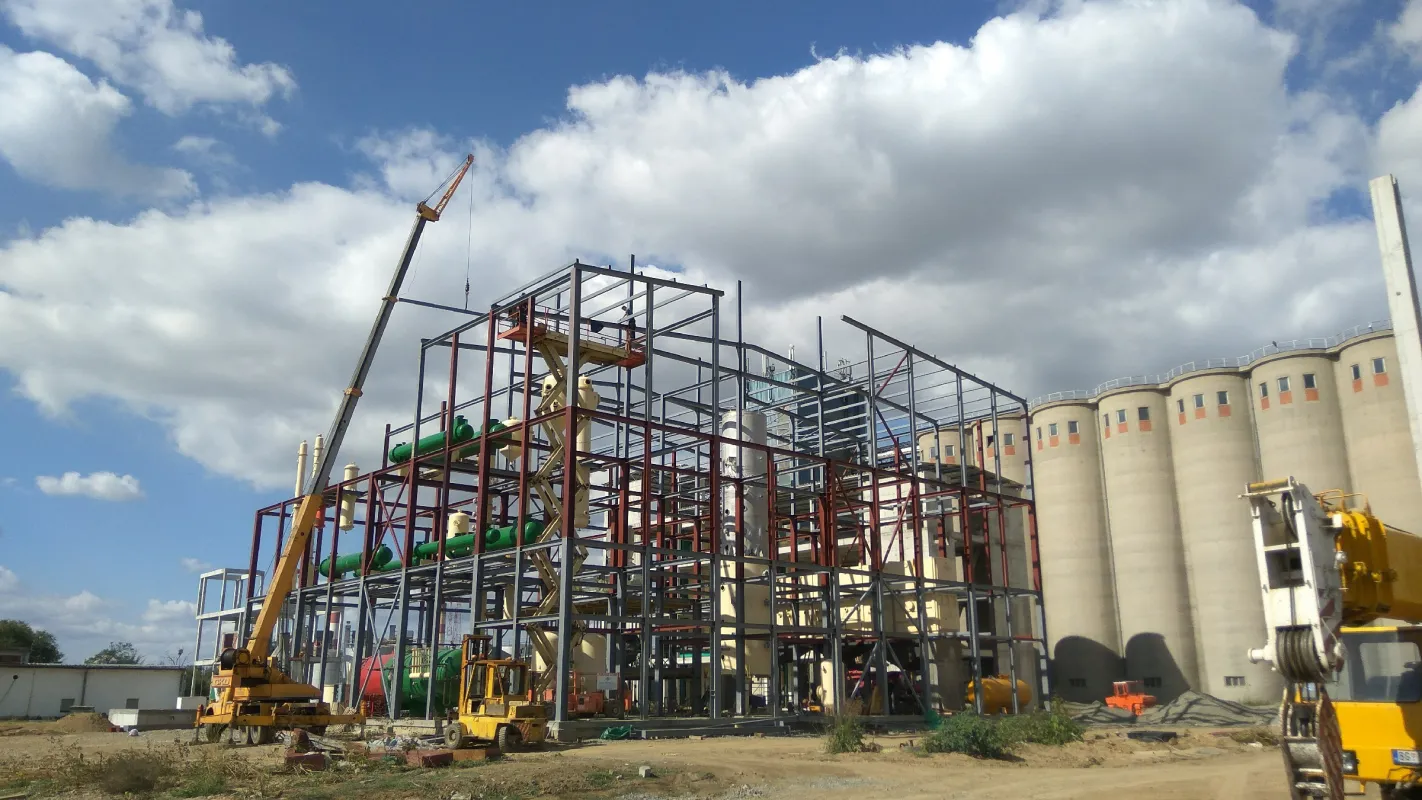
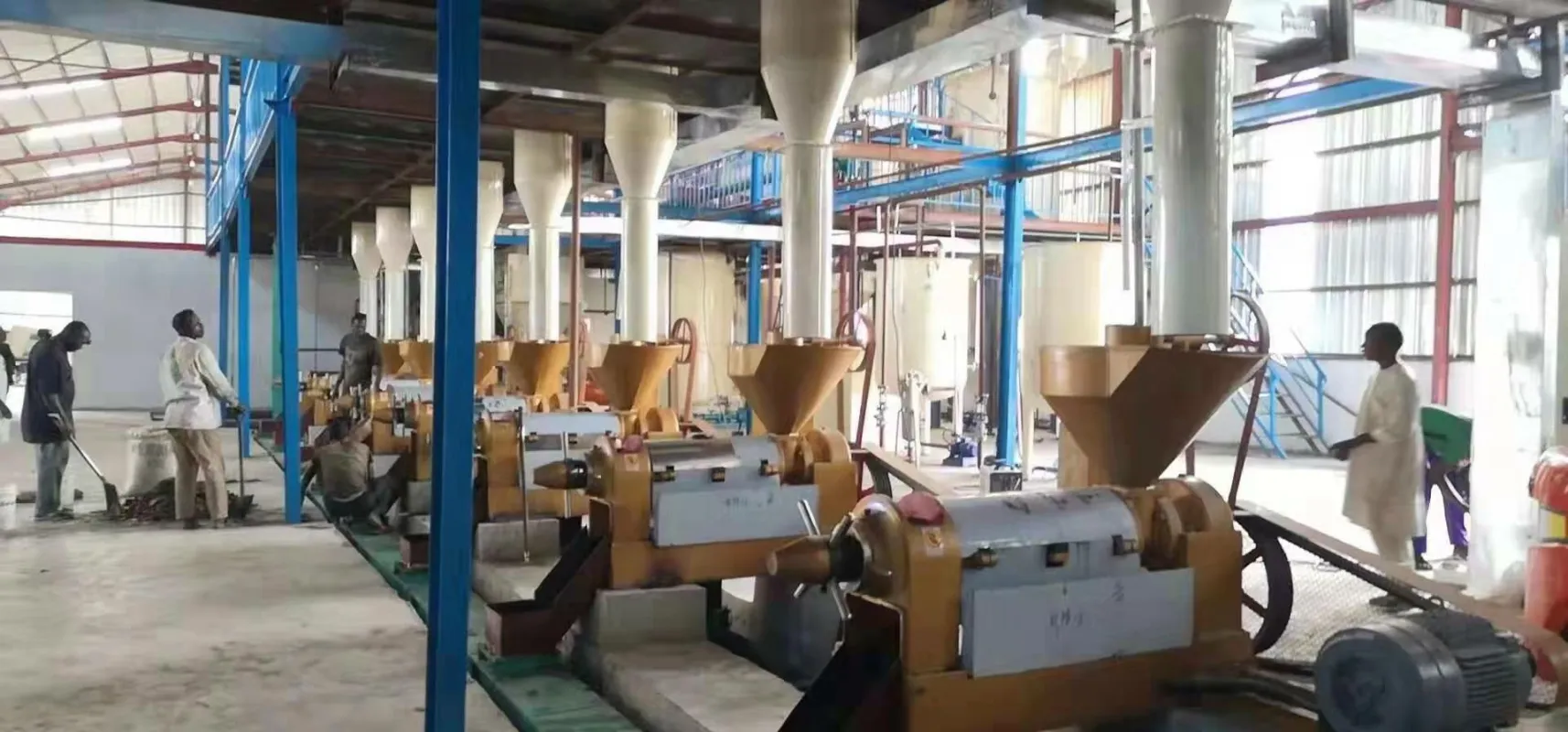
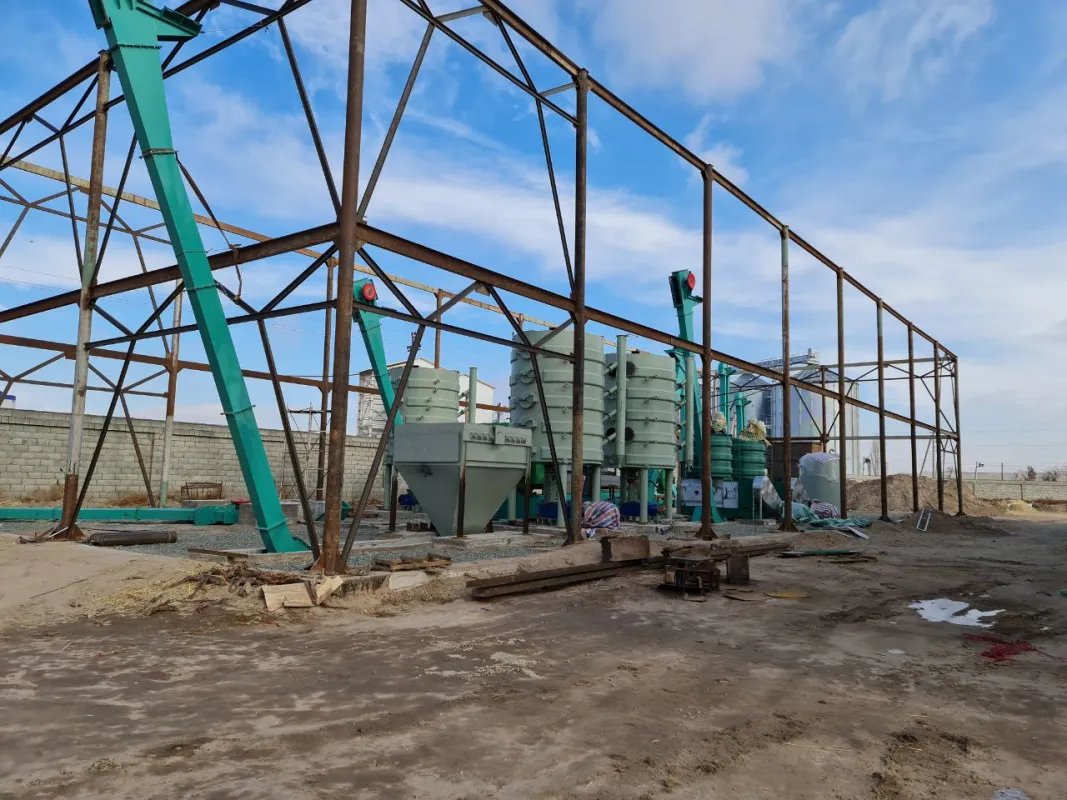
Solvent extraction technology stands as a cornerstone in the B2B oil - production industry, especially in rapeseed oil production. At the molecular level, this technology can efficiently extract oil. The solvent has a strong affinity for oil molecules, enabling it to penetrate the rapeseed cells and dissolve the oil. Moreover, it has excellent protective effects on active ingredients such as vitamin E and phytosterols. Research shows that compared with some traditional methods, solvent extraction can retain up to 90% of vitamin E in rapeseed oil, which is crucial for maintaining the nutritional value of the oil.
When it comes to rapeseed oil production, cold - pressing and solvent extraction are two commonly used methods. Let's take a look at the differences between them through data:
| Comparison Items | Solvent Extraction | Cold - pressing |
|---|---|---|
| Extraction Rate | Up to 95% | Around 70 - 80% |
| Energy Consumption | Relatively low | High |
| Impurity Content | Low | High |
Based on these differences, cold - pressing is more suitable for high - end edible oils, where consumers value the natural flavor and a small - scale production process. In contrast, solvent extraction is ideal for large - scale industrial oil production due to its high efficiency and low cost.
Modern solvent extraction equipment is designed with safety and environmental protection in mind. These devices can achieve a closed - loop solvent circulation. The solvent is continuously recycled within the system, greatly reducing the risk of solvent volatilization. In fact, modern equipment can reduce solvent volatilization by up to 98%, meeting ISO certification standards. This not only ensures the safety of the production process but also reduces environmental pollution.
In the actual production process, there are often some problems. For example, excessive residual solvent and unstable oil output are common issues. In a certain large - scale rapeseed oil production plant, they once faced the problem of excessive residual solvent. By upgrading the solvent recovery system and adjusting the operating parameters, they successfully reduced the residual solvent content to within the standard range. Another company had unstable oil output, which was solved by optimizing the pre - treatment process of rapeseed and adjusting the extraction time.
From raw materials to finished products, the nutritional indicators of rapeseed oil change significantly. By using solvent extraction technology, we can clearly see an upward trend in the content of beneficial substances such as vitamin E and phytosterols. This shows that the technology has a positive impact on the final product quality, ensuring that the rapeseed oil produced is not only high - yielding but also rich in nutrition.
Whether you are a technical engineer looking to optimize the production process or a procurement decision - maker aiming to select the most suitable technology, solvent extraction technology offers a series of advantages. And QIE Group advanced production line is equipped with intelligent control systems and supports customized parameter settings, which can further enhance your production efficiency and product quality.
Click here to learn more about QIE Group advanced rapeseed oil production line!