Selecting the right oil processing production line equipment is a critical decision that directly impacts your operational efficiency, product quality, and return on investment. As a leading provider of oil machinery solutions with extensive experience serving clients across Asia, Africa, and South America, Qi'e Grain and Oil Machinery Co., Ltd. understands the complexities involved in this process. This guide outlines a systematic approach to equipment selection, addressing key considerations from raw material analysis to capacity planning.
Different oilseeds possess unique properties that significantly influence equipment selection. Understanding these characteristics is foundational to building an efficient production line:
For example, sesame seeds—with their high oil content (45-60%) and valuable nutrients—require specialized handling to preserve their unique flavor and nutritional profile. Our sesame oil production line incorporates gentle processing technologies that maintain product integrity while maximizing yield.
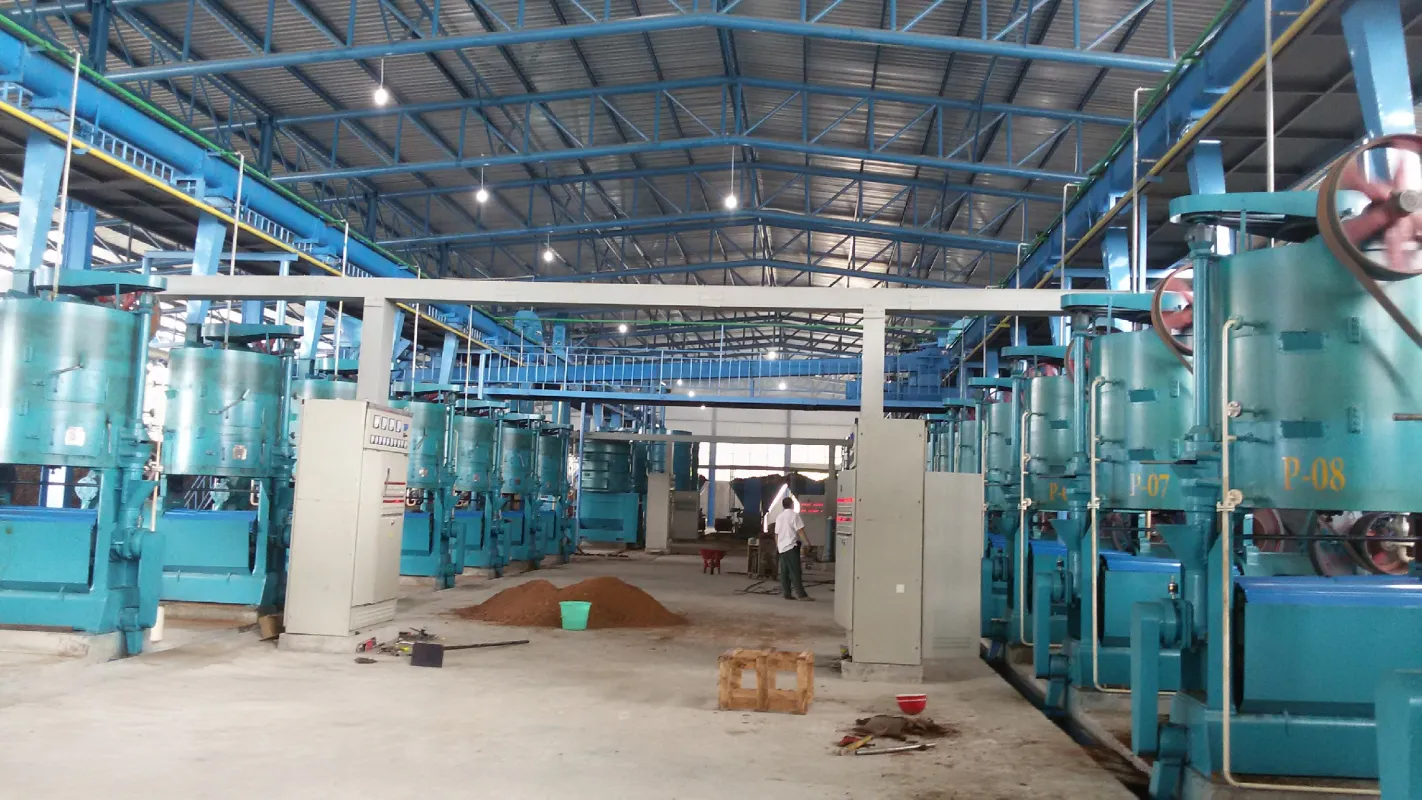
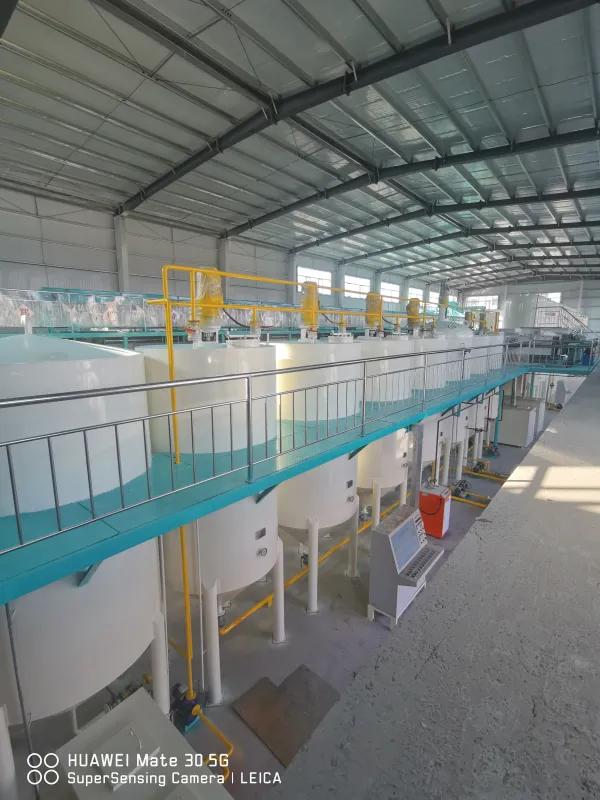
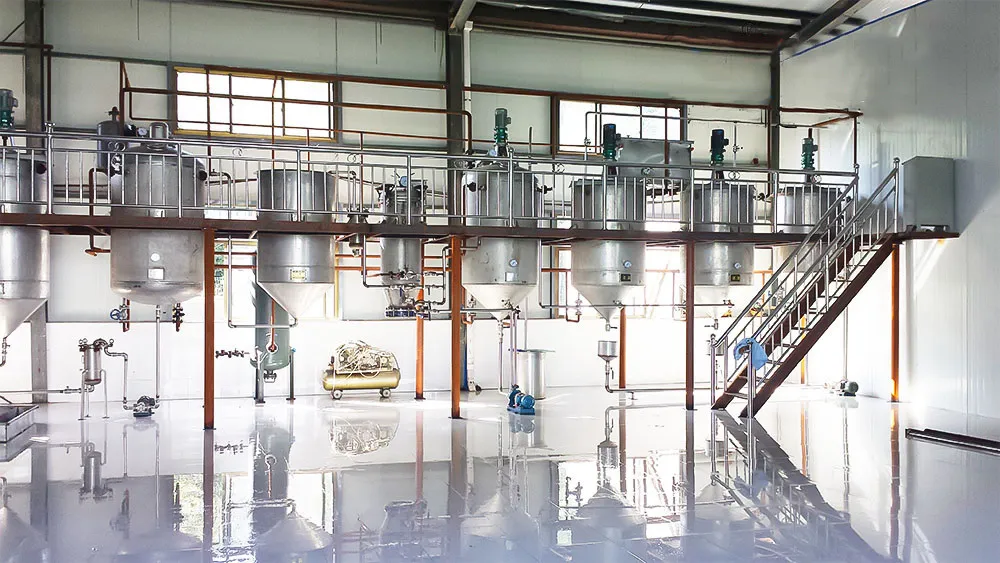
Oil processing involves multiple stages, each requiring specific equipment tailored to your production goals. The primary processing technologies include:
| Processing Stage | Key Equipment | Selection Considerations |
|---|---|---|
| Pre-treatment | Cleaners, dryers, hullers, crushers | Raw material purity requirements, contamination levels |
| Extraction | Oil presses, solvent extractors | Oil yield targets, product quality standards, operating costs |
| Refining | Degumming, neutralization, bleaching, deodorization units | End-product specifications, market requirements |
| Packaging | Filling machines, labeling equipment | Package sizes, production speed, automation level |
Accurately determining your production capacity needs is essential for selecting appropriately sized equipment. Consider both current requirements and future expansion plans:
Equipment selection must align with your target market's quality standards and regulatory requirements. This includes:
"Our sesame oil production line incorporates advanced filtration systems and closed processing environments to ensure product purity and safety. Each component is designed to meet international food safety standards, providing our clients with the confidence to enter global markets."
A comprehensive cost evaluation should consider both capital expenditure and operational costs:
At Qi'e Grain and Oil Machinery Co., Ltd., we don't just provide equipment—we deliver comprehensive solutions tailored to your specific needs. Our approach includes:
In-depth analysis of your raw materials, production goals, and market requirements
Tailored equipment configurations for optimal performance and efficiency
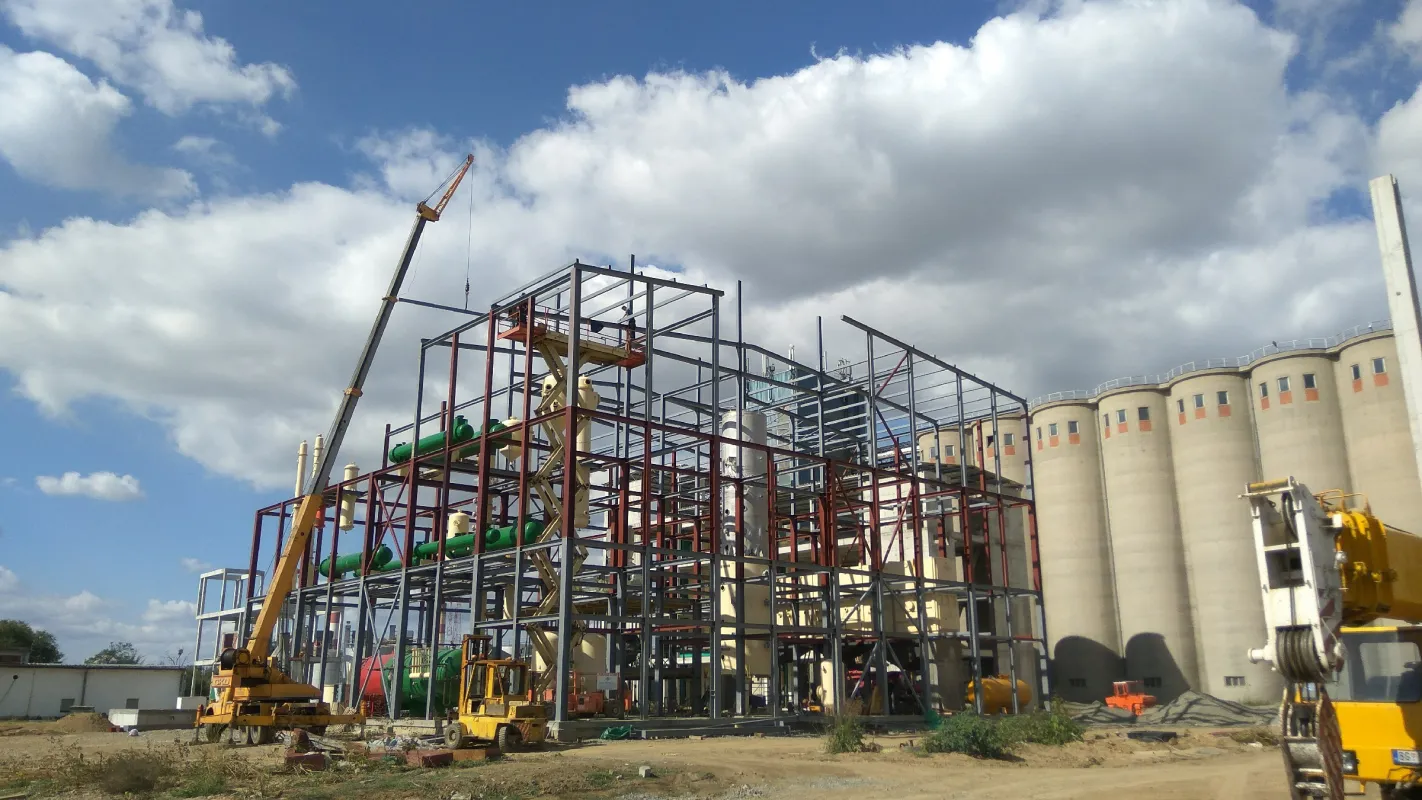
Complete project management from design to installation and commissioning
Comprehensive training, maintenance, and technical assistance
Whether you're establishing a new mini oil mill plant or expanding an existing production facility, our team of experts is dedicated to helping you make informed equipment selection decisions that maximize your investment returns. With our global presence and commitment to quality, Qi'e Grain and Oil Machinery Co., Ltd. is your trusted partner in the edible oil processing industry.