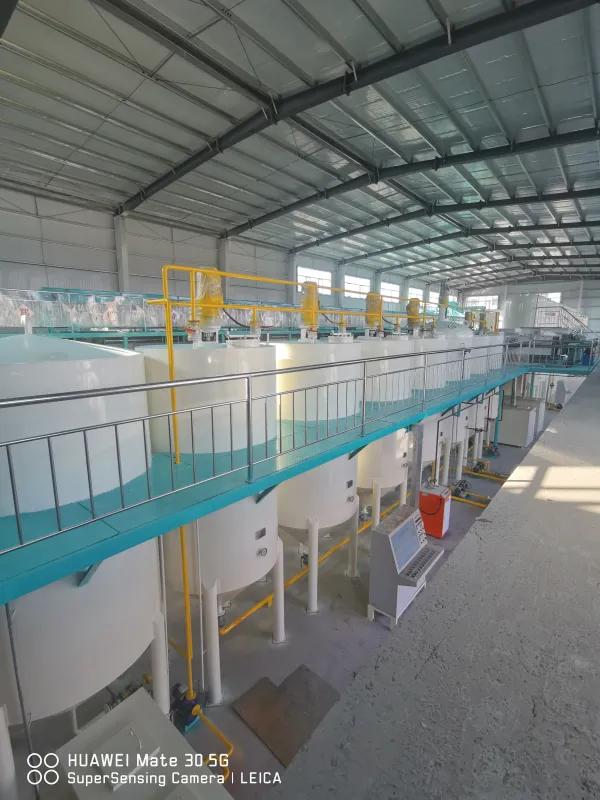
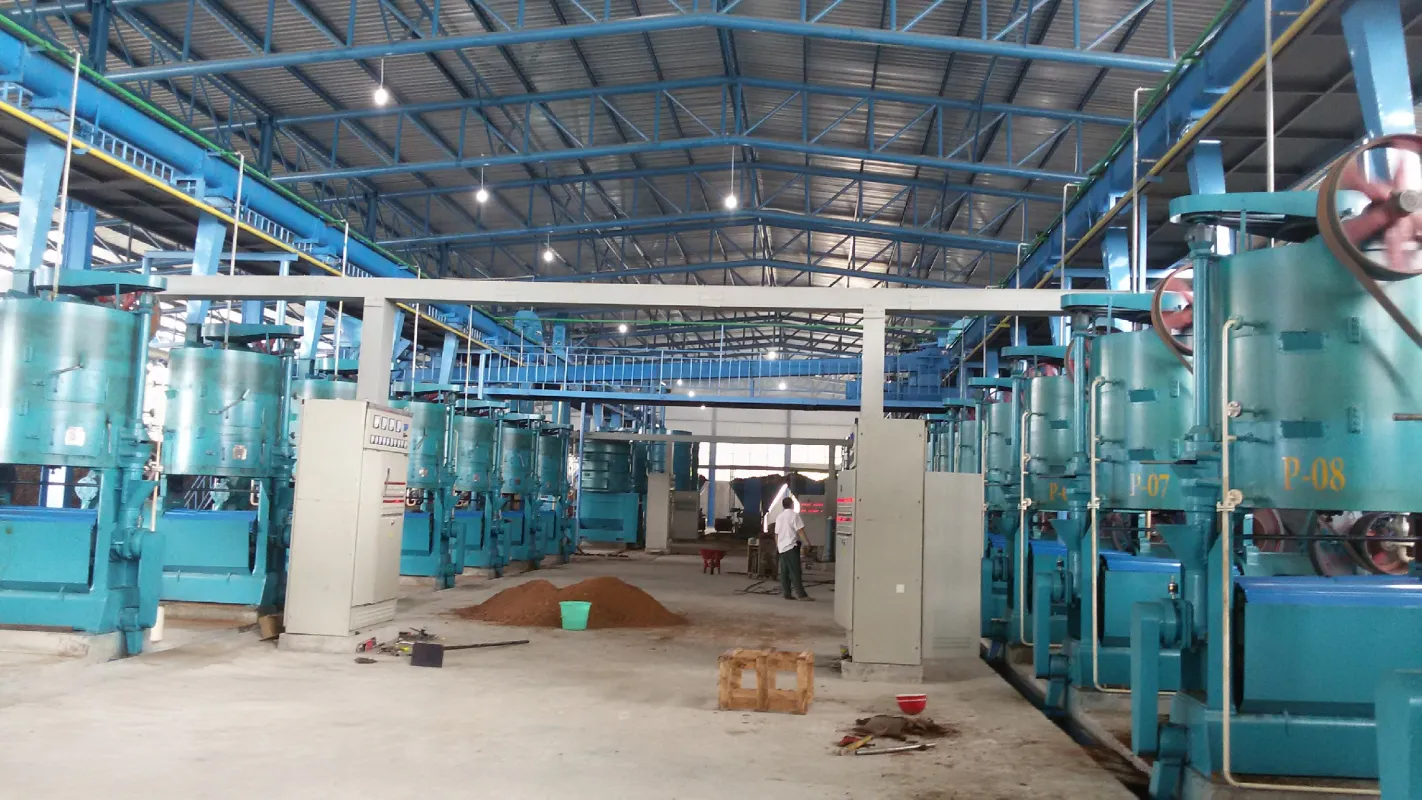
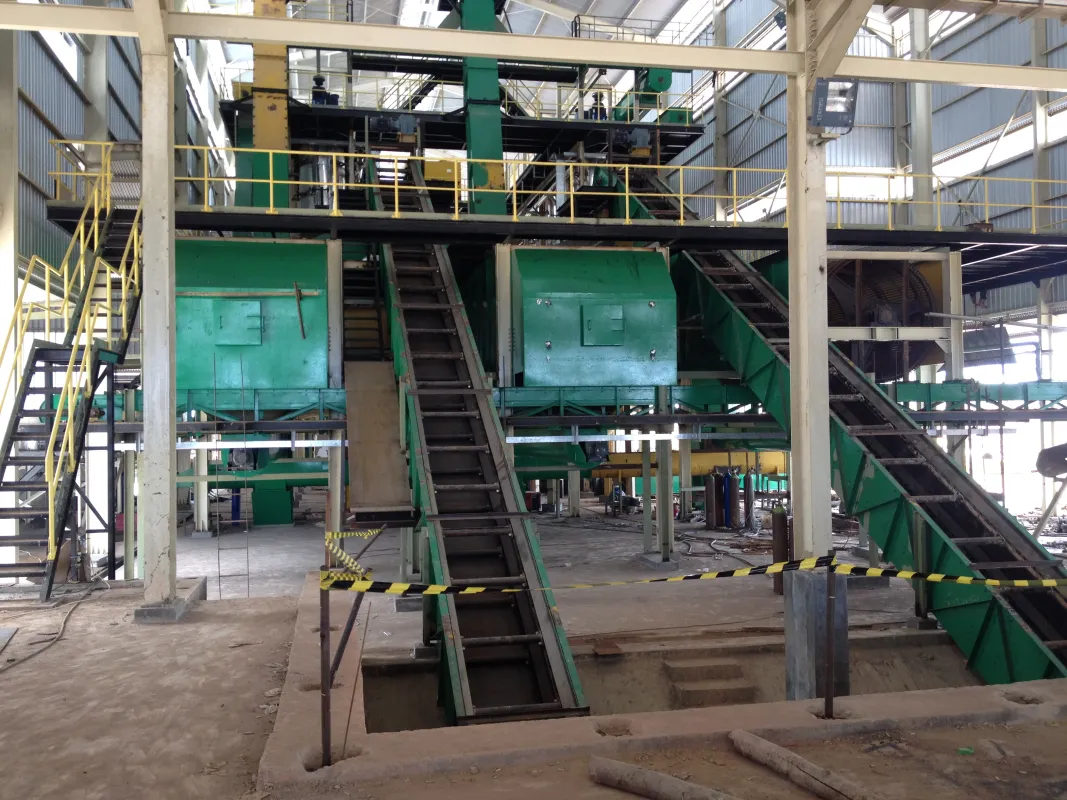
As global demand for high-quality edible oils rises, rapeseed oil processing equipment has become a strategic asset for producers and exporters worldwide. Industrial buyers grapple with the challenge of maximizing production efficiency while ensuring product safety, hygiene, and export compliance. Understanding the technology nuances and the value of international certification, especially ISO standards, empowers procurement decision-makers to elevate their production lines and secure competitive advantage.
Two principal methods dominate rapeseed oil extraction: cold pressing and solvent extraction. The cold pressing technique mechanically crushes seeds at controlled temperatures, preserving the nutritional profile and flavor while generating lower yields (~75-80%). It boasts reduced energy consumption and minimal chemical involvement, perfect for organic and premium markets demanding natural purity.
Conversely, solvent extraction employs hexane or similar solvents to maximize oil recovery, achieving extraction rates beyond 95%. While delivering higher throughput and cost efficiency for large-scale processing, it introduces complex safety and environmental controls, requiring advanced equipment automation to mitigate solvent residues and ensure compliance.
| Feature | Cold Pressing | Solvent Extraction |
|---|---|---|
| Oil Yield | 75-80% | 95%+ |
| Nutritional Retention | High | Moderate |
| Energy Consumption | Low | High |
| Operational Complexity | Low | High |
| Applicable Market | Premium, Organic | Mass Production, Commodity |
According to FAO reports, rapeseed oil processing equipment compliant with ISO standards can reduce raw material losses by over 30%, boosting overall efficiency and product integrity.
International Organization for Standardization (ISO) certifications, such as ISO 9001 (Quality Management) and ISO 22000 (Food Safety Management), represent globally recognized benchmarks that guarantee equipment manufacturing excellence. For rapeseed oil processing machinery, such certifications are indispensable — ensuring the equipment meets strict hygiene protocols, operational safety, and traceability demanded by global export regulations.
Equipment bearing ISO certification demonstrates rigorous adherence to quality controls throughout design, material sourcing, assembly, and testing phases. This reliability translates into reduced downtime, predictable maintenance cycles, and sustained product consistency — critical factors for B2B buyers targeting highly regulated markets like the EU, North America, and Japan.
The integration of automated control systems in rapeseed oil production lines elevates operational precision and usability. Modern programmable logic controllers (PLCs), real-time monitoring sensors, and SCADA systems enable traceability of parameters such as pressure, temperature, and extraction timings — minimizing human errors and ensuring standardized product quality.
Automation reduces labor intensity, enhances safety by controlling hazardous solvent handling, and streamlines production data collection for quality audits. Enterprises investing in such systems benefit from lower operational risks, easier compliance with evolving food safety standards, and higher throughput stability.
QIE Group, a market leader in vegetable oil exports, upgraded to ISO-certified cold pressing and solvent extraction equipment incorporating advanced automation. After implementation, they reported a 20% increase in overall oil yield and a 15% reduction in downtime. Export customer complaints related to product contamination dropped by 40% within one year.
This strategic investment also unlocked preferential access to demanding export markets and justified premium pricing based on enhanced traceability and safety assurances. Such real-world evidence underscores the tangible brand equity and market expansion opportunities attributable to certified production equipment.
Selecting rapeseed oil processing equipment should go beyond upfront cost considerations. B2B buyers are advised to adopt a multi-dimensional assessment framework:
Making investments with these parameters in mind guarantees long-term operational excellence and risk mitigation.