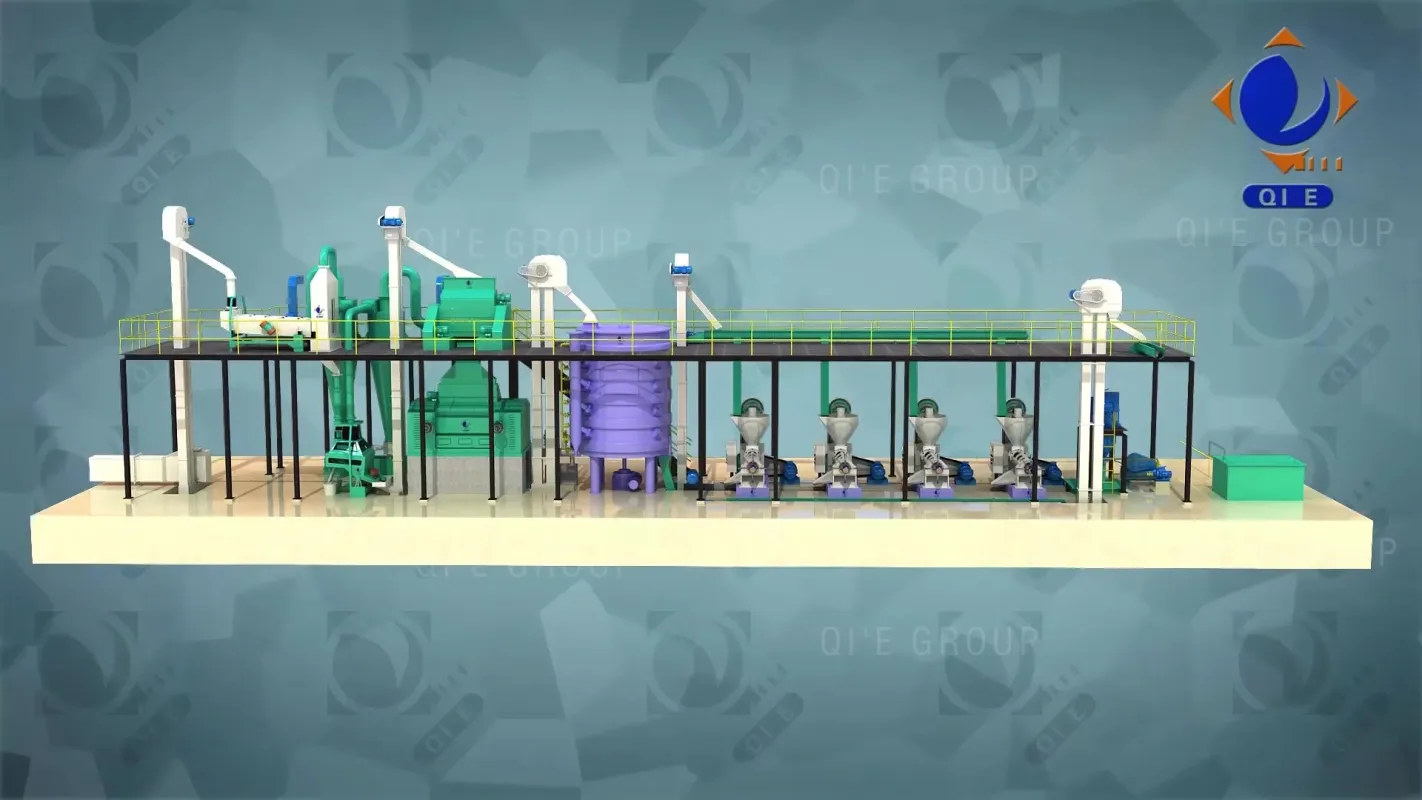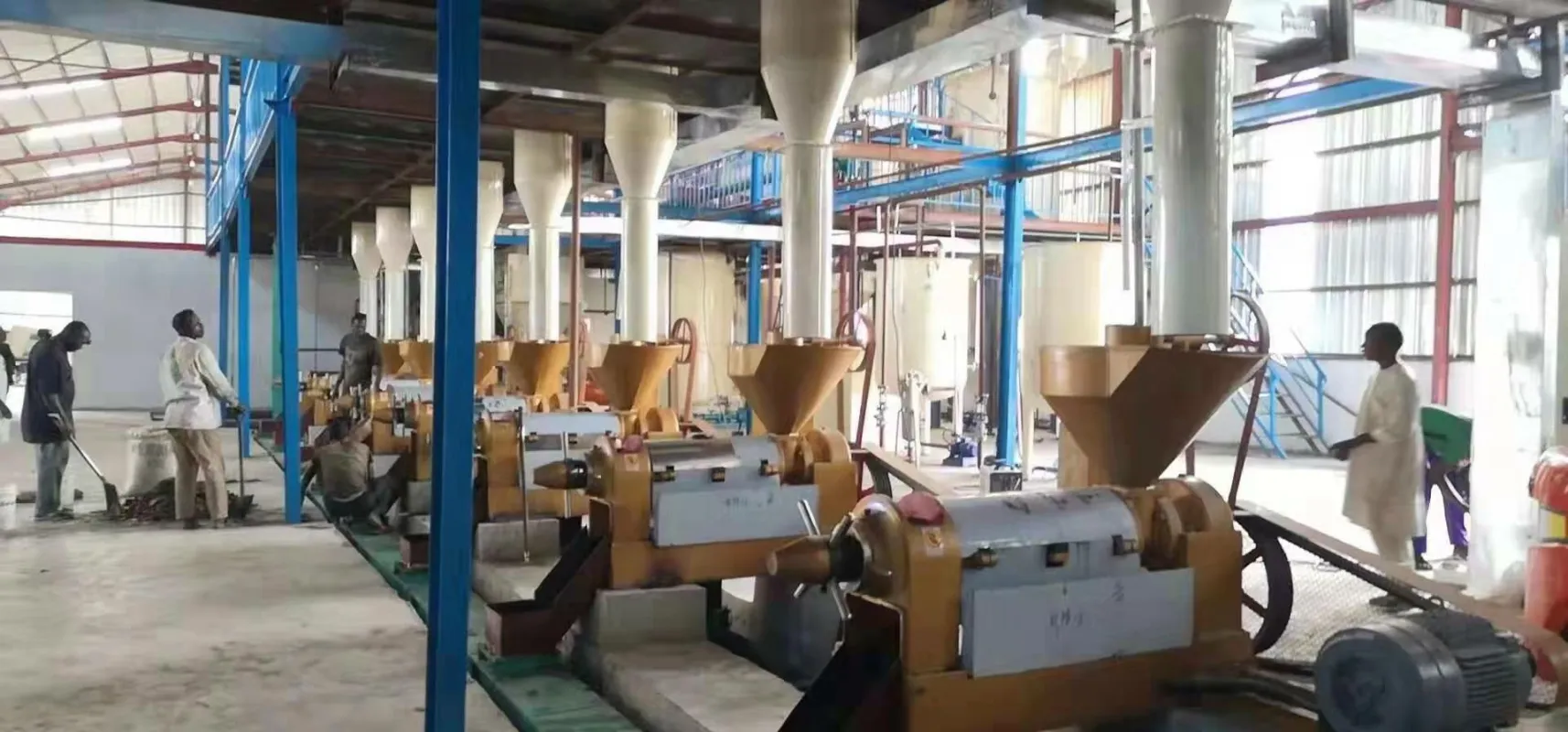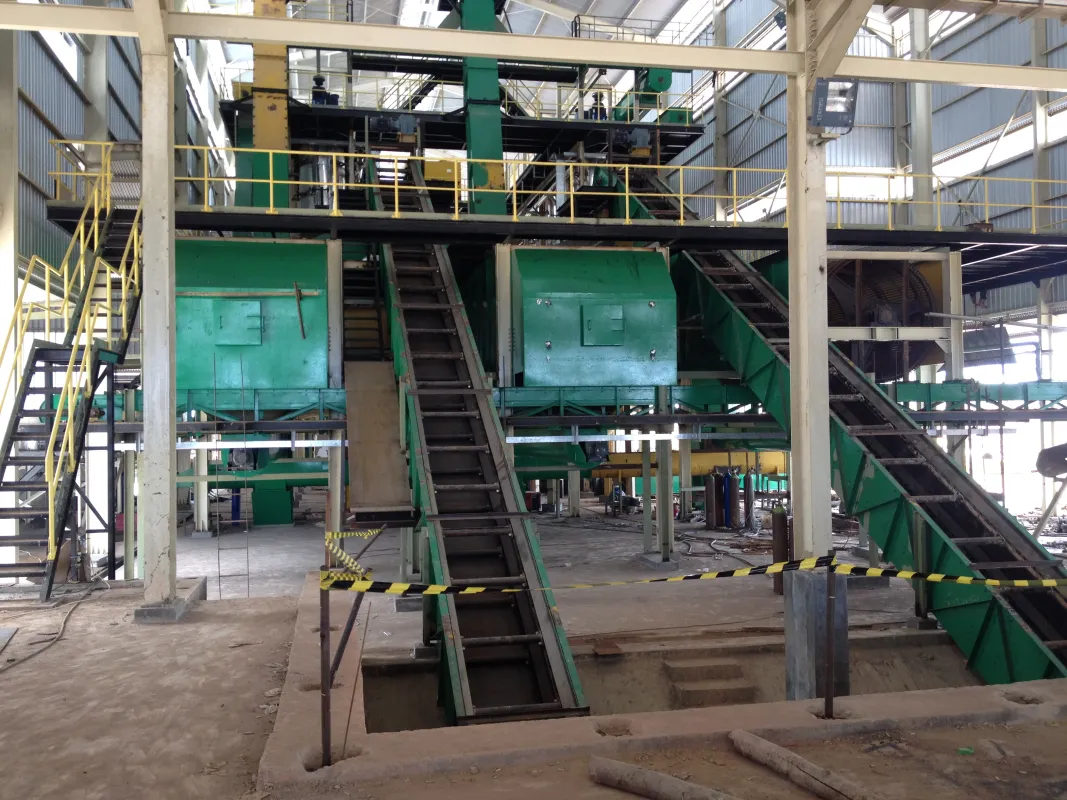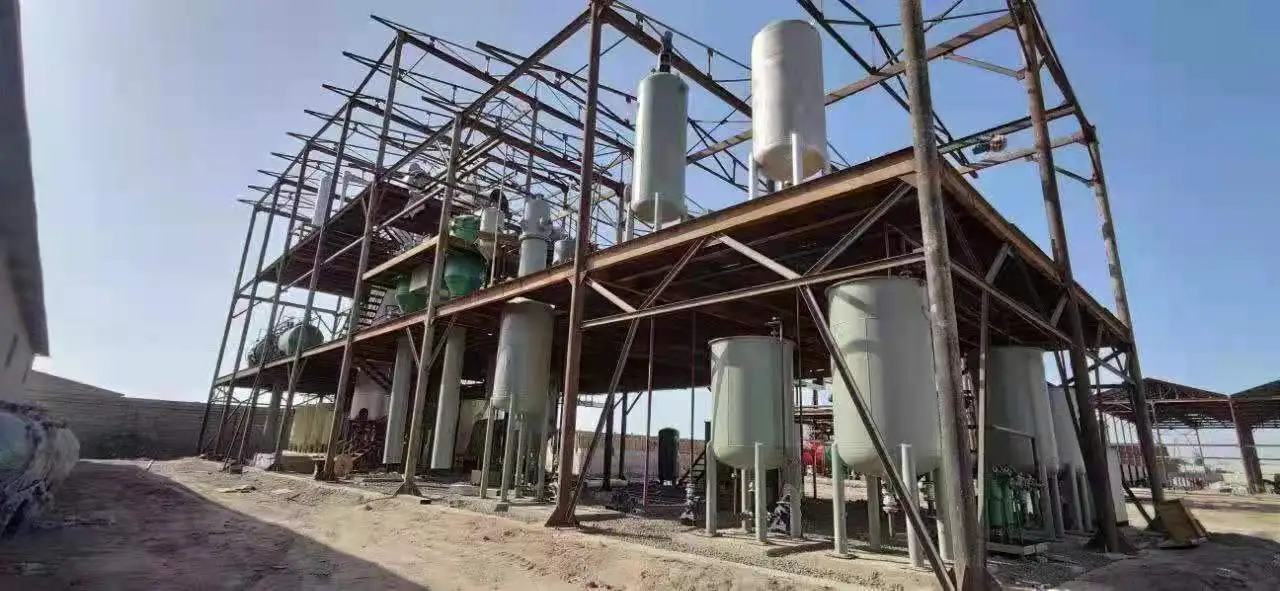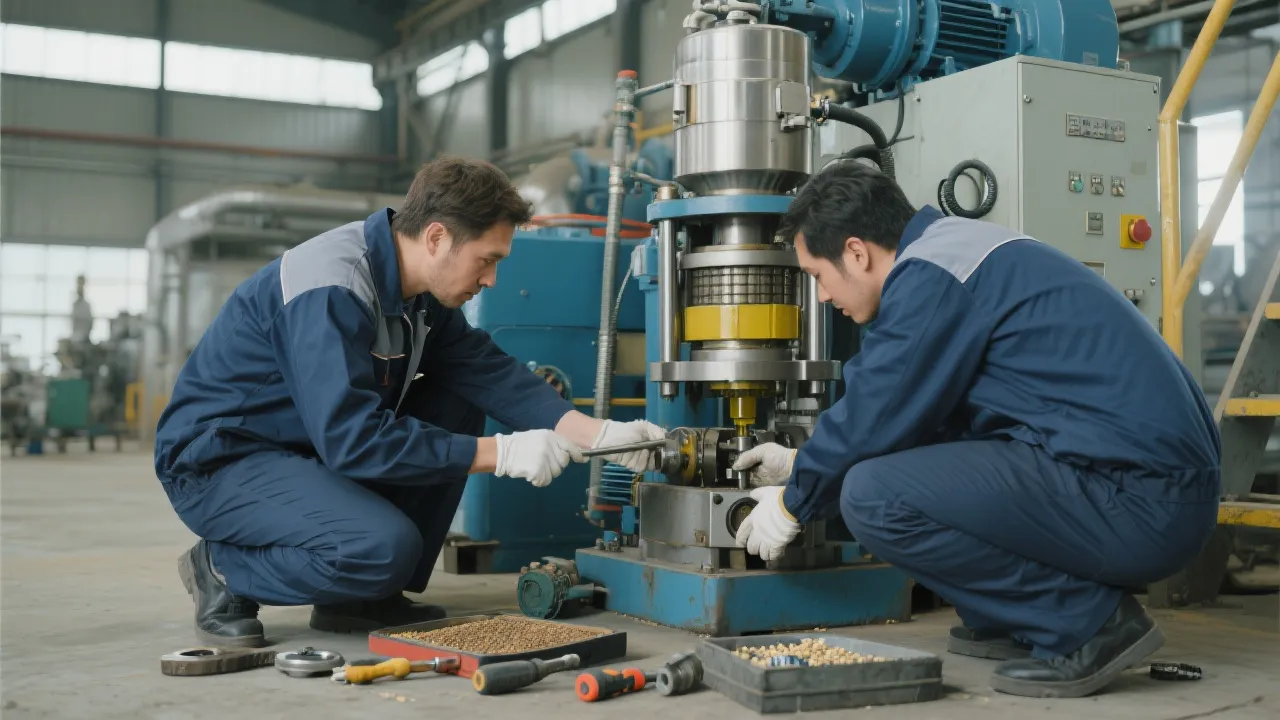
Small and medium-sized sesame oil processors face acute challenges in maintaining hygiene standards that prevent cross-contamination and microbiological overgrowth. This is pivotal not only for complying with international food safety standards but also for enhancing brand equity and reaping sustained market advantage. This paper unpacks a practical hygiene management system centered on advanced equipment design, operation protocols, and risk mitigation strategies tailored for mid-scale sesame oil production.
Material selection is foundational to maintaining product integrity and food safety. 304 stainless steel is globally acknowledged for its corrosion resistance, non-porous surface, and ease of cleaning, making it the preferred material for food-grade equipment. In sesame oil processing, 304 stainless steel minimizes microbial adhesion and prevents chemical leaching, which substantially lowers contamination risks. Studies show that facilities with 304 stainless steel systems reduce microbial loads by up to 75% compared to traditional carbon steel setups.
A critical innovation for quality control is the implementation of a fully enclosed extraction system. This design seals the production environment from direct exposure to airborne contaminants, dust, and pests through airtight seals and precision-engineered gaskets. The airtight configuration drastically reduces cross-contact between raw and finished materials during the process, effectively blocking pathogen ingress.

Manual cleaning in sesame oil plants is error-prone, and inconsistent cleaning leads to dangerous biofilm formation. The integration of CIP cleaning systems automates the sanitation process through programmed cycles involving detergents, rinsing, and sanitizers. CIP systems reduce labor costs by 30% and improve cleaning uniformity, ensuring that all internal equipment surfaces — including pipes, tanks, and filters — are sterilized without partial disassembly. Typical CIP success metrics show a bacterial reduction rate exceeding 99.9%.
Operational hygiene hinges on consistent cleaning cycles aligned with daily, weekly, and monthly schedules that incorporate critical control points:
| Cleaning Frequency | Primary Actions | Verification Method |
|---|---|---|
| Daily | CIP cycle, wipe surfaces, air filter check | Visual inspection & ATP bioluminescence swab test |
| Weekly | Deep CIP intensification, gasket replacement check | Surface ATP testing and microbial culture sampling |
| Monthly | Full system disassembly & sanitation, air quality analysis | Lab microbial load quantification & air particle count |
A mid-sized sesame oil plant in Jiangsu province documented a >40% contamination spike due to gasket aging and poor cleaning schedules, resulting in a costly product recall. Post-implementation of CIP and replacing carbon steel piping with 304 stainless steel, microbiological counts plummeted by 85%, and downtime was curtailed by 20%. Such evidence underscores how proactive risk management through equipment modernization and rigorous sanitation protocols ensures compliance and fosters consumer trust.
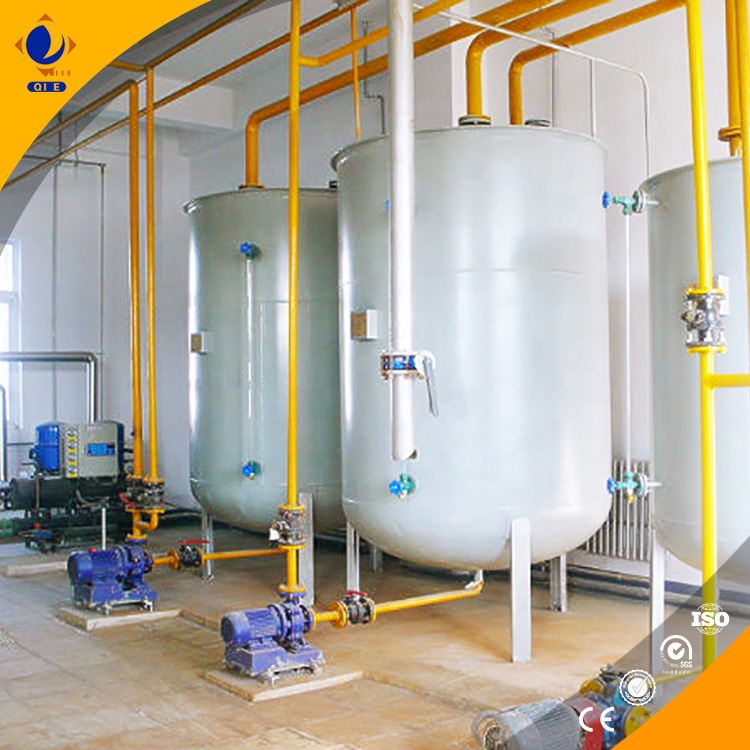
Implementing a full-enclosure 304 stainless steel system combined with CIP cleaning automation and tiered sanitation protocols is your gateway to guaranteeing product safety, meeting global regulatory demands, and capturing premium market positioning.
Discover Our Advanced Sesame Oil Processing Solutions & Boost Your ROI