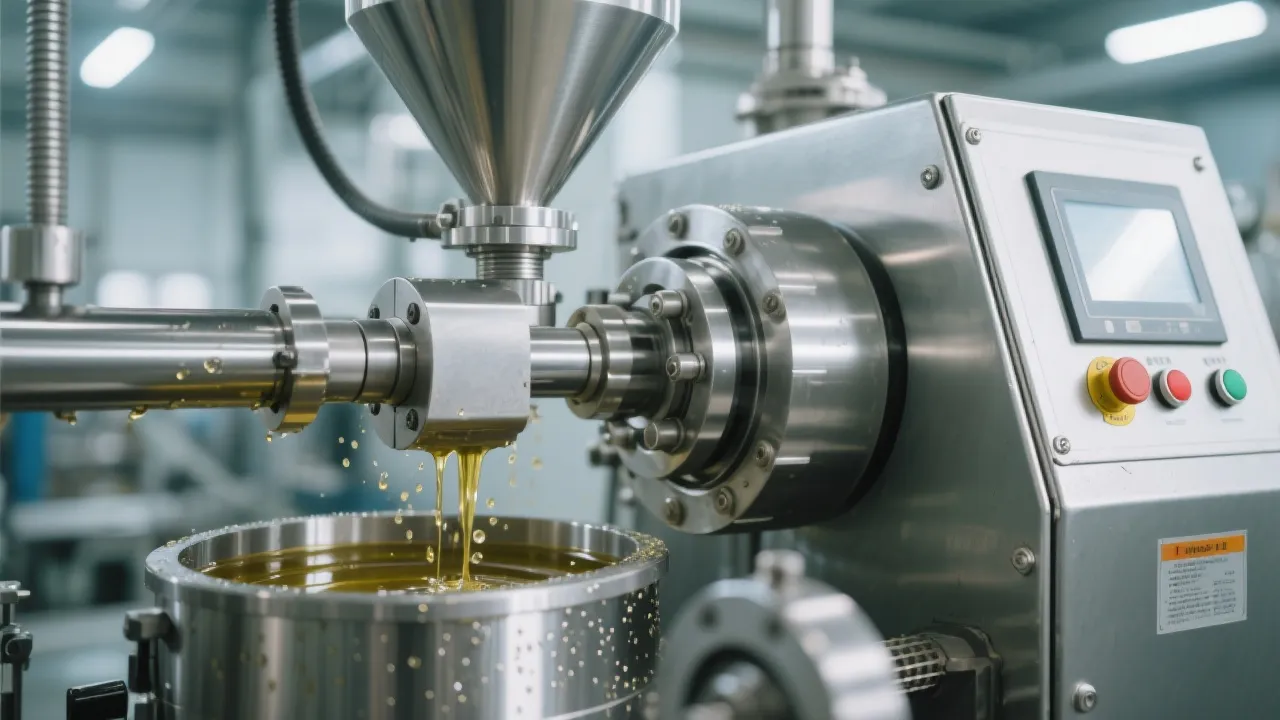
Producing high-purity sesame oil at a small factory scale requires a meticulous integration of advanced extraction technologies, optimized equipment, and precise process control. This specialized report delves into the critical stages—from raw material cleaning, drying, pressing, filtration, to bottling—highlighting how water content management, cold pressing versus hot pressing techniques, and cutting-edge filtration systems collectively enhance sesame oil quality and yield. Designed specifically for small- and medium-sized food processing enterprises, the recommended machinery emphasizes energy efficiency, space-saving layouts, and operational ease to stabilize product quality while boosting production capacity.
The sesame oil extraction process begins with thorough seed cleaning to remove impurities, followed by precise moisture control—maintaining seed moisture content within 6-8% optimizes oil yield and prevents spoilage during drying. The drying phase uses indirect thermal drying systems, ensuring uniform moisture reduction to approximately 4%, essential for efficient pressing.
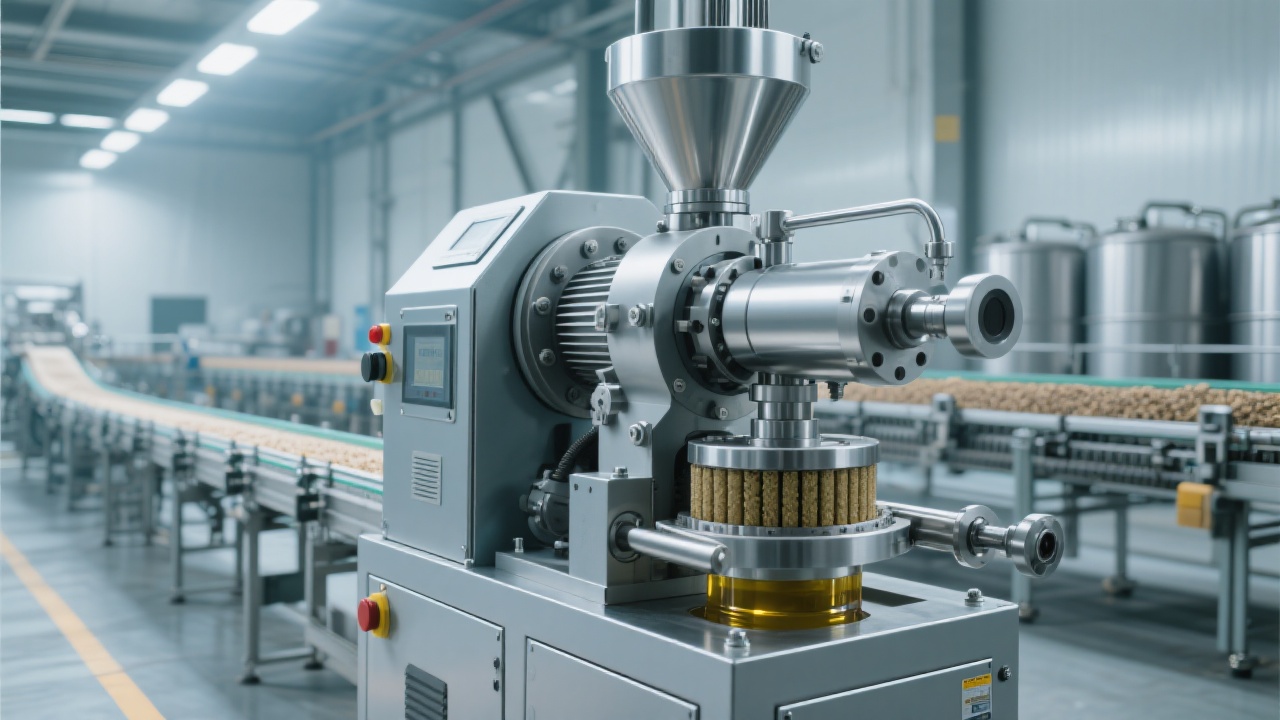
Cold pressing preserves natural antioxidants and flavor compounds but produces slightly lower yields (~35-38%). In contrast, hot pressing employs heat (approx. 70-90°C) before mechanical extraction, increasing yield to 42-45% while sacrificing some nutritional qualities. Selecting the appropriate pressing technology hinges on market demands for oil quality versus volume.
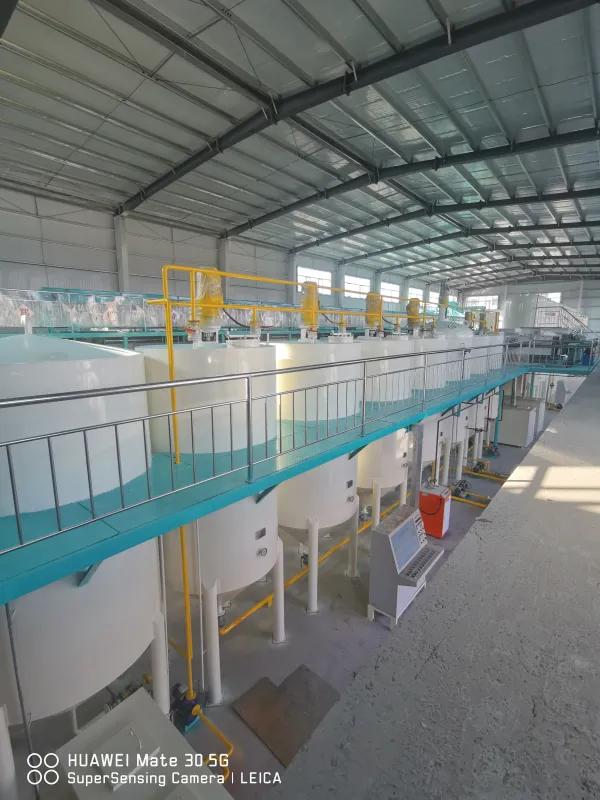
Filtration implements multi-stage stainless-steel mesh and vacuum filtering systems to eliminate particulate matter and free fatty acids, thereby boosting oil purity above 98.5%. The final bottling stage utilizes automated filling and sealing lines with hygiene-grade materials to ensure consistent packaging quality and shelf-life stability.
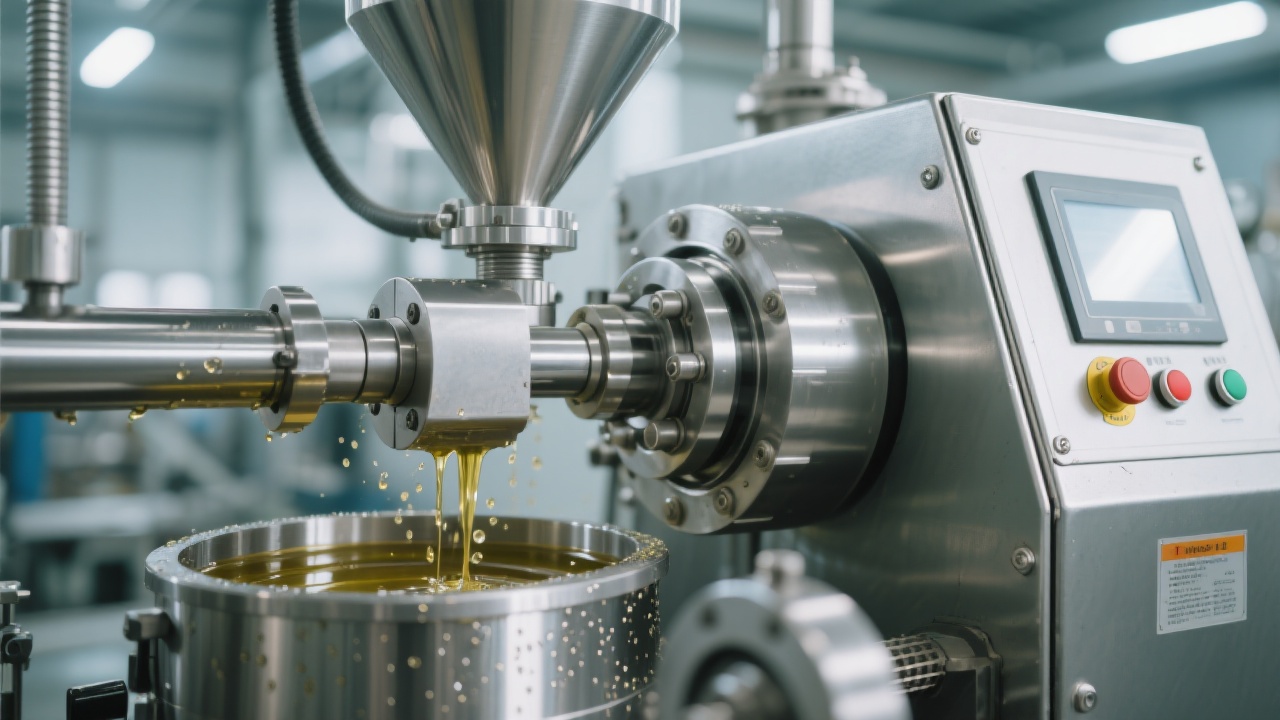
Factoring in limited floor space and capital constraints, the recommended production line features modular, energy-saving equipment prioritizing compact footprints (typically under 60 m²). For example, rotary screw compressors with inverter drives reduce power consumption by up to 20%, contributing to annual energy savings in the range of 15,000-25,000 kWh.
The selection guideline includes:
| Equipment | Key Features | Benefits |
|---|---|---|
| Seed Cleaning Machine | Multi-layer sieves & air aspiration | Ensures raw material purity, reduces equipment wear |
| Thermal Dryer (Indirect Heat) | Uniform drying, temperature control | Optimum moisture, consistent pressing results |
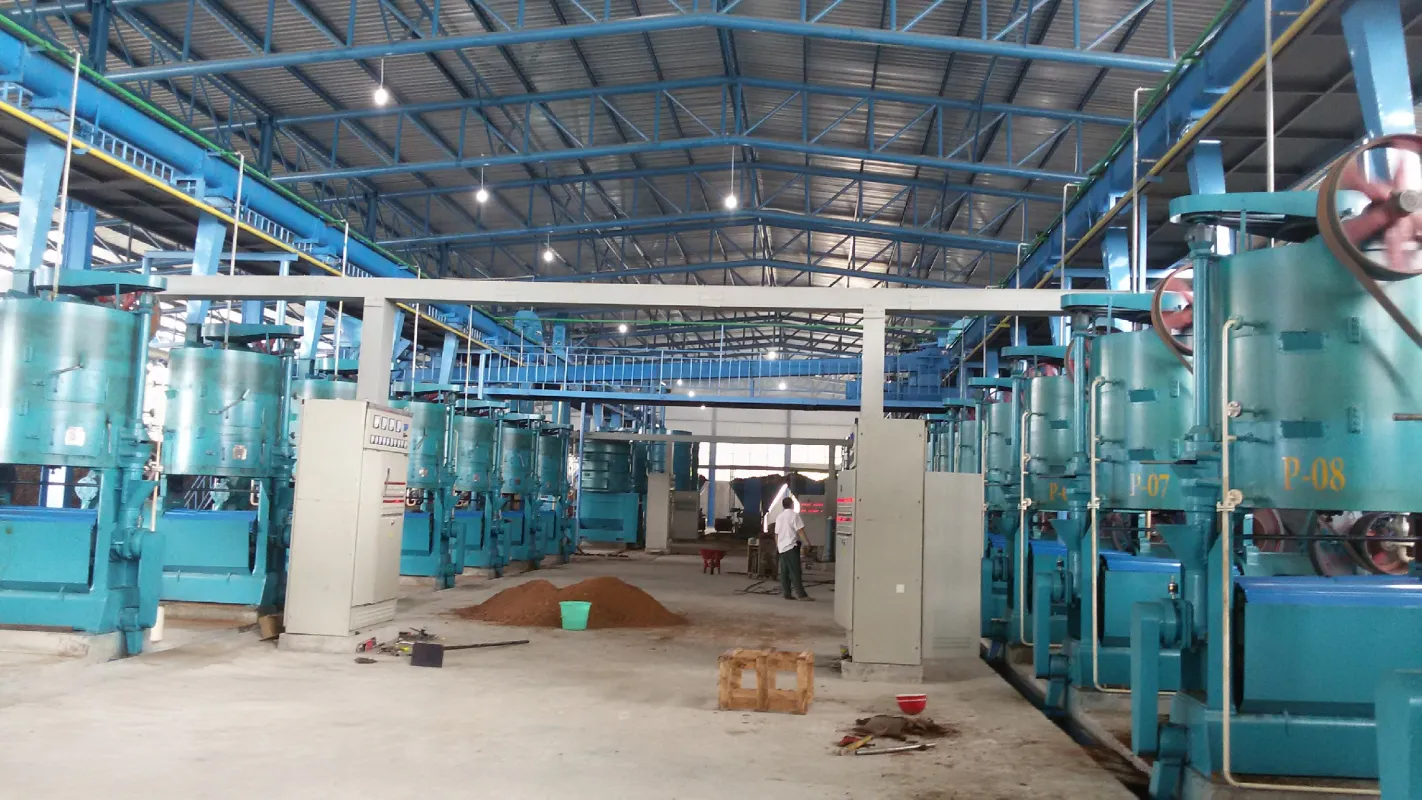
| Cold/Hot Pressing Machine | Adjustable temperature & pressure control | Flexibility for yield vs quality balance |
| Vacuum Filtration System | Multi-stage filtration with vacuum suction | Superior oil clarity and shelf stability |
| Automated Filling and Capping Line | Hygienic, precise volume control | Consistent packaging quality and appearance |
Maintaining continuous production while controlling energy consumption demands vigilant monitoring of key parameters. Utilizing automated sensors for seed moisture, pressing temperature, and filtration throughput can reduce manual errors and allow timely interventions to uphold oil quality.
Production data from pilot testing shows:
| Metric | Before Optimization | After Optimization |
|---|---|---|
| Oil Yield (%) | 38 | 43 |
| Energy Consumption (kWh / 100L oil) | 52 | 41 |
| Oil Purity (%) | 97.2 | 98.8 |
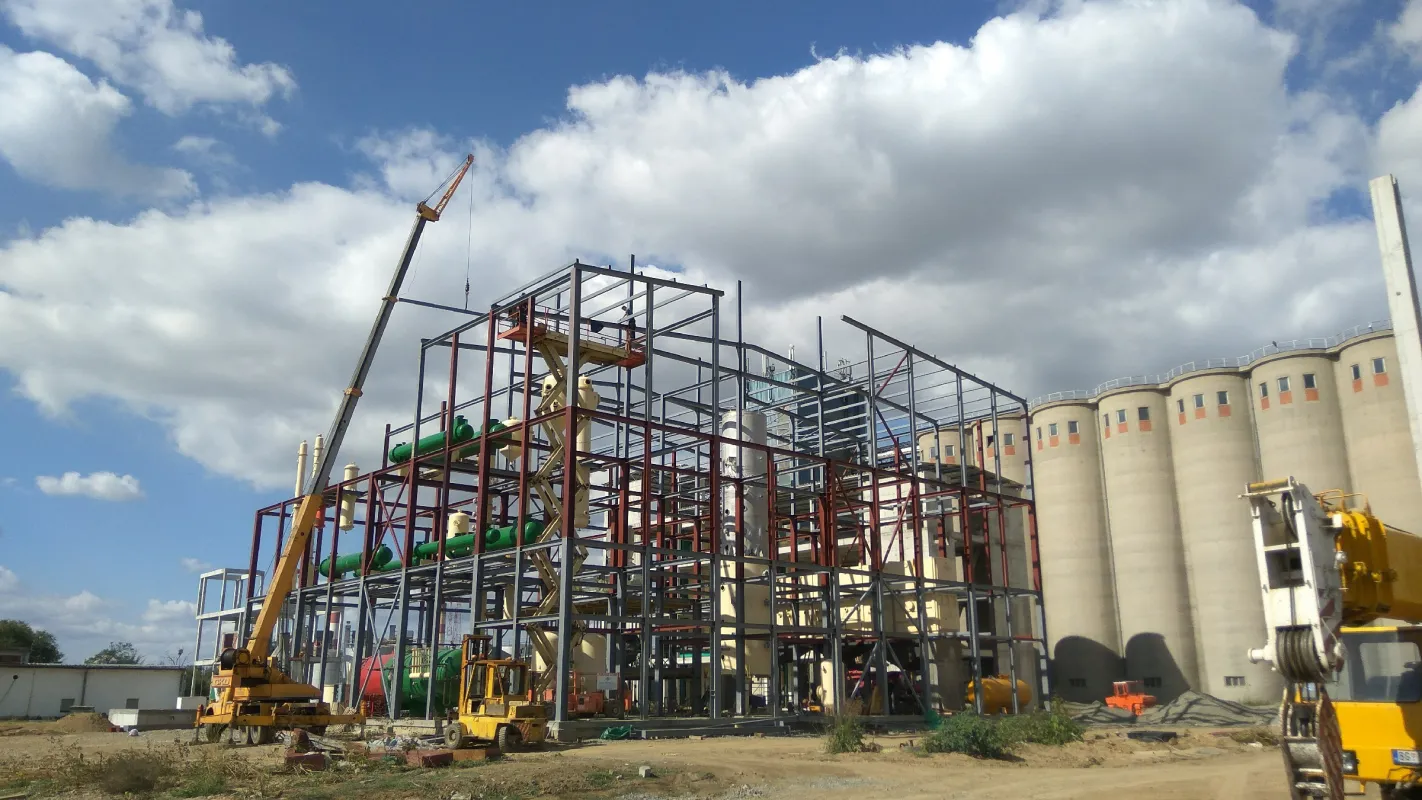
These efficiency gains were supported by case studies with mid-size plants equipped with our recommended systems and expert consultancy interventions. Preventive maintenance schedules and systematic process audits further minimize downtime and sustain output quality over time.
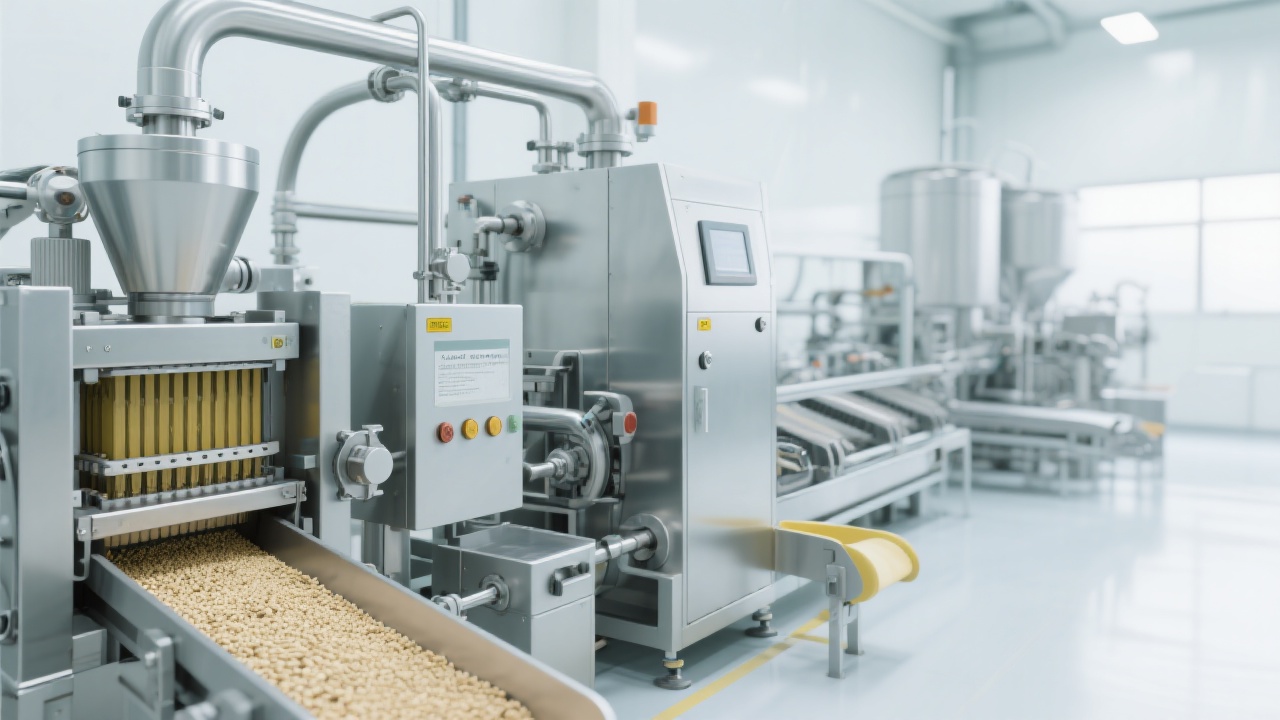
To deepen knowledge transfer, integrating online Q&A sessions and webinars centered on troubleshooting common issues such as seed moisture fluctuations or machine calibration challenges can help operators enhance their skill set practically. Additionally, interactive flowcharts and decision trees assist hands-on personnel in optimizing process parameters on-site in real time.