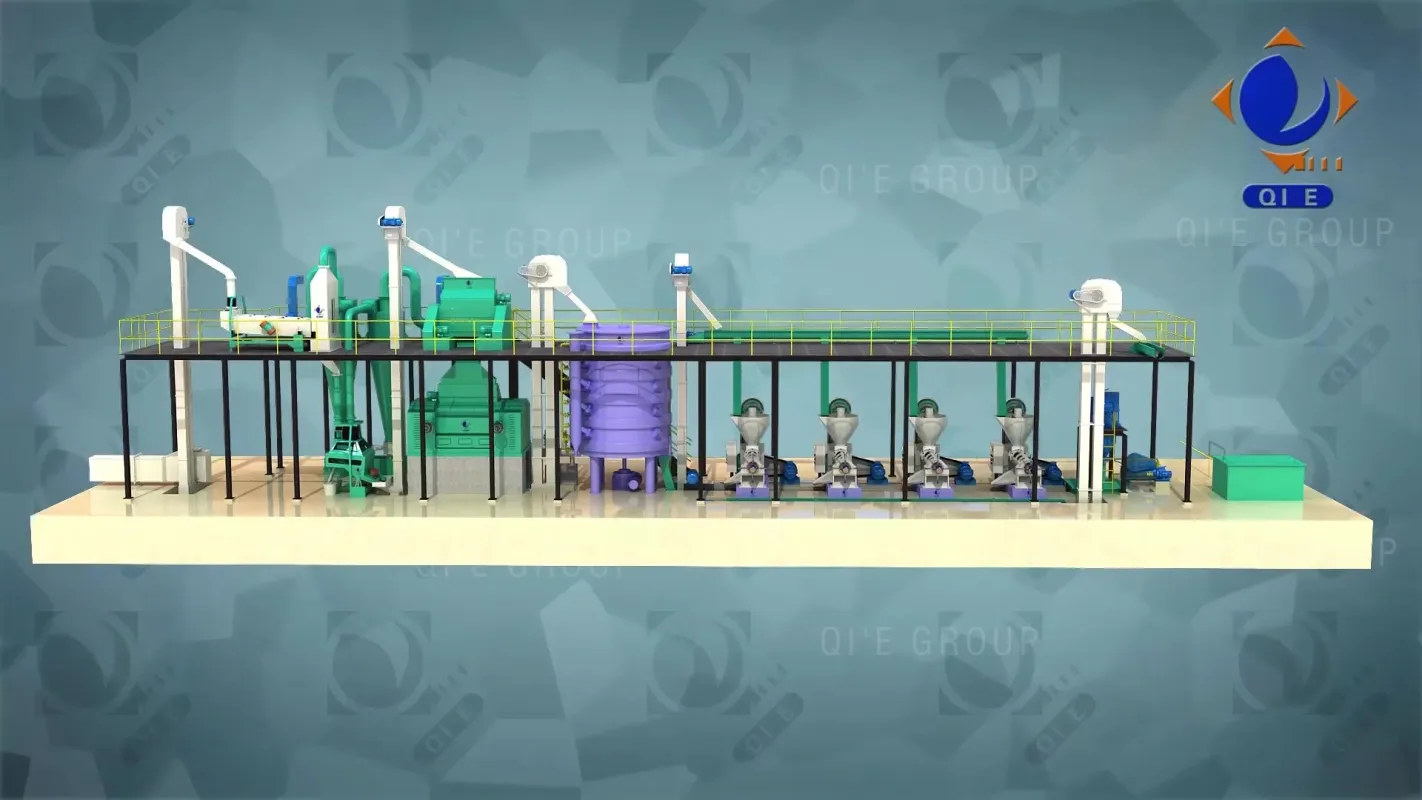
For small and medium-sized food processing plants aiming to produce high-purity sesame oil, understanding the core processes is crucial. The sesame oil processing flow mainly includes cleaning, drying, pressing, filtering, and filling. Each stage has a significant impact on the final product purity.
During the cleaning process, removing impurities from raw sesame seeds is the first step to ensure product quality. Any remaining dirt or debris can affect the taste and purity of the oil. After cleaning, proper drying is essential to control the moisture content. Excessive moisture can lead to oxidation and spoilage during storage, reducing the purity of the oil. Usually, the moisture content of sesame seeds should be controlled below 8% to ensure high-quality oil production.
When it comes to the pressing stage, there are two main methods: cold pressing and hot pressing. Cold pressing, also known as low-temperature cold pressing technology, can better preserve the nutrients and flavor of sesame oil. It operates at a lower temperature, typically below 60°C, which helps maintain the natural properties of the oil. In contrast, hot pressing uses higher temperatures, which can increase the oil yield but may also cause some nutrient loss. For high-purity sesame oil production, cold pressing is often the preferred choice.
The filtering system plays a key role in improving the purity of sesame oil. A high - efficiency filtering system can remove fine particles, gums, and other impurities, ensuring a clear and pure oil product. Different filtering materials and methods can have different effects on purity. For example, using multi - layer filter paper can effectively remove impurities of different sizes.

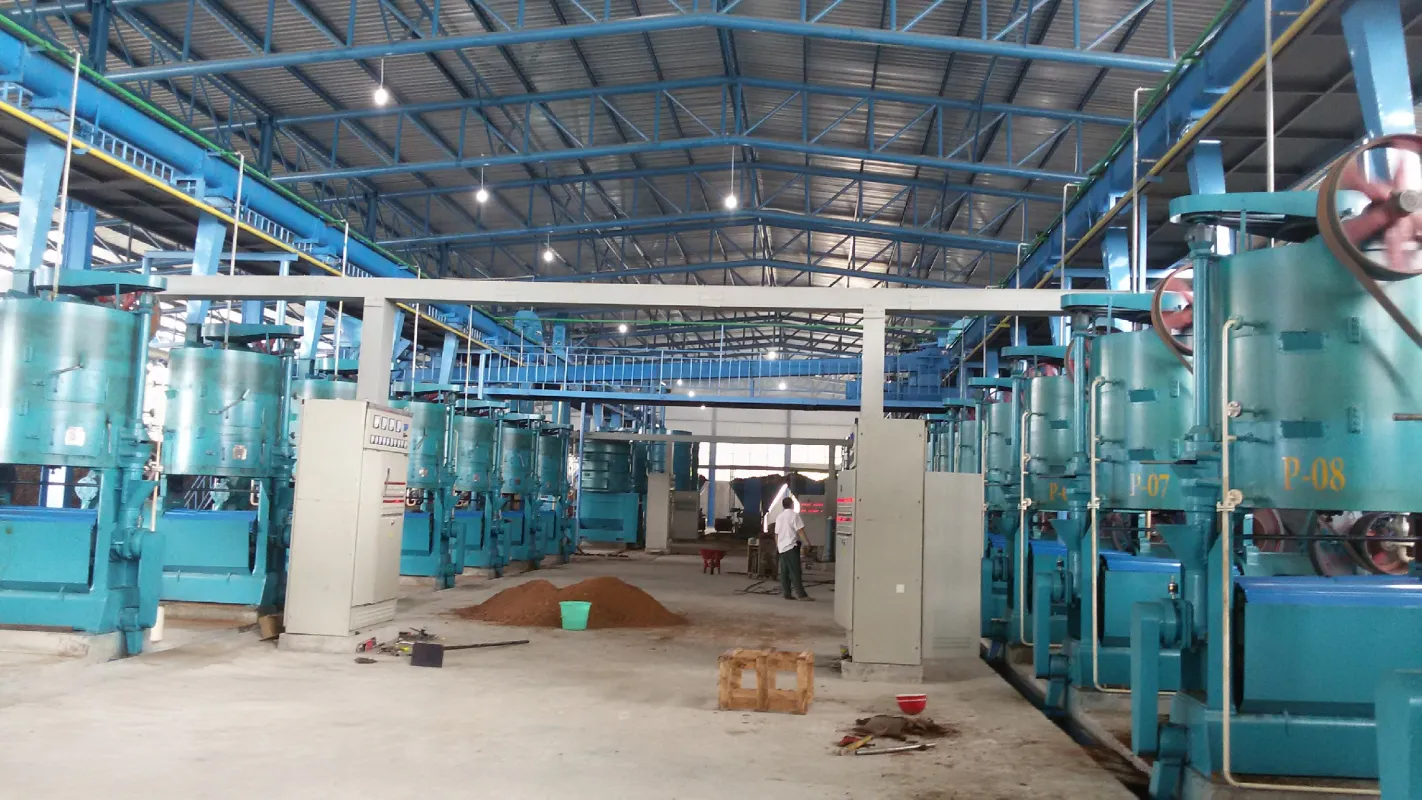
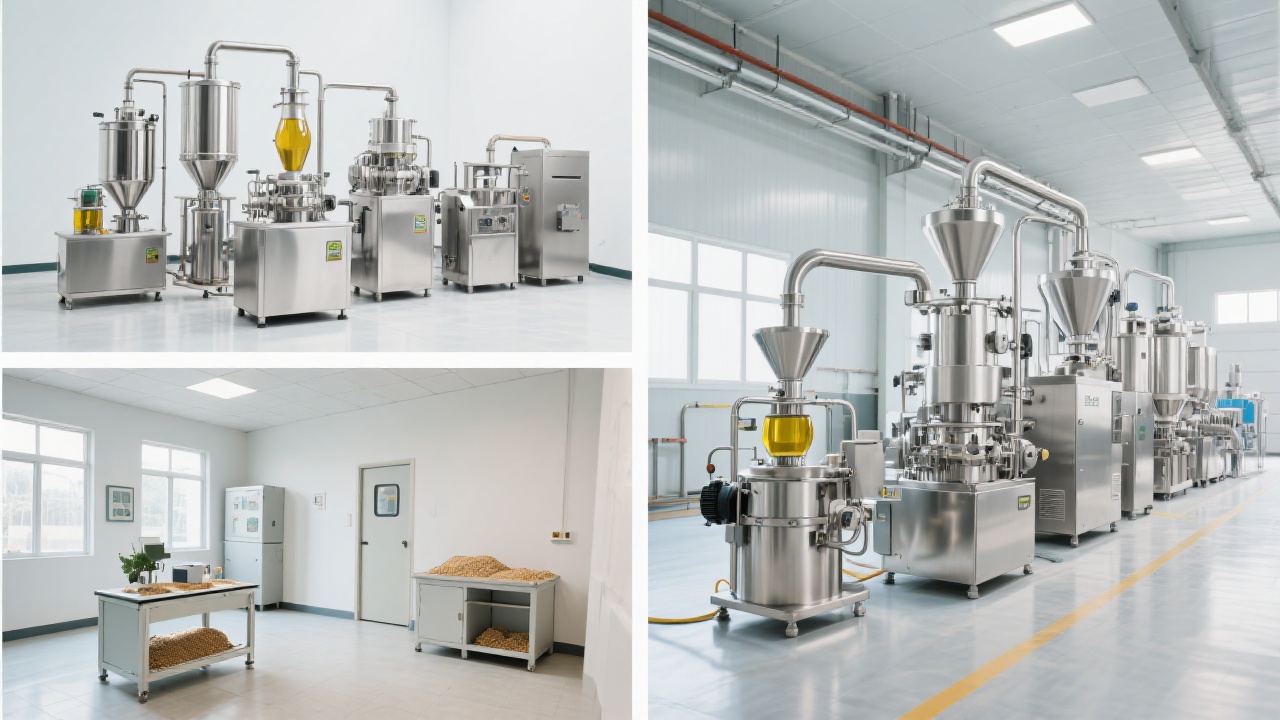
For small - batch production scenarios, energy - saving, space - saving, and easy - to - maintain integrated equipment combinations are highly recommended. The QIE Group system has many advantages in this regard. Their equipment is designed to be compact, taking up less floor space in the factory. At the same time, it is energy - efficient, which can significantly reduce production costs for small and medium - sized factories.
For example, their integrated pressing and filtering equipment can complete the two key steps of pressing and filtering in one machine, improving production efficiency. And the equipment is easy to operate and maintain, which is very suitable for small - scale production lines with limited manpower and resources.
In actual production, there are many practical skills to improve continuity, reduce energy consumption, and ensure product quality consistency. For instance, in the drying process, using a continuous drying system can improve the drying efficiency and ensure the stability of the moisture content of sesame seeds. By adjusting the air volume and temperature of the drying equipment, the drying time can be controlled within 30 - 60 minutes, which not only saves energy but also ensures the quality of the raw materials.
When it comes to the pressing process, optimizing the pressing parameters can improve the oil yield and quality. According to some case studies, by adjusting the pressure and speed of the pressing machine, the oil yield can be increased by about 5 - 10%. Additionally, in the filtering process, regularly replacing the filter materials can ensure the filtering effect and maintain the purity of the oil.
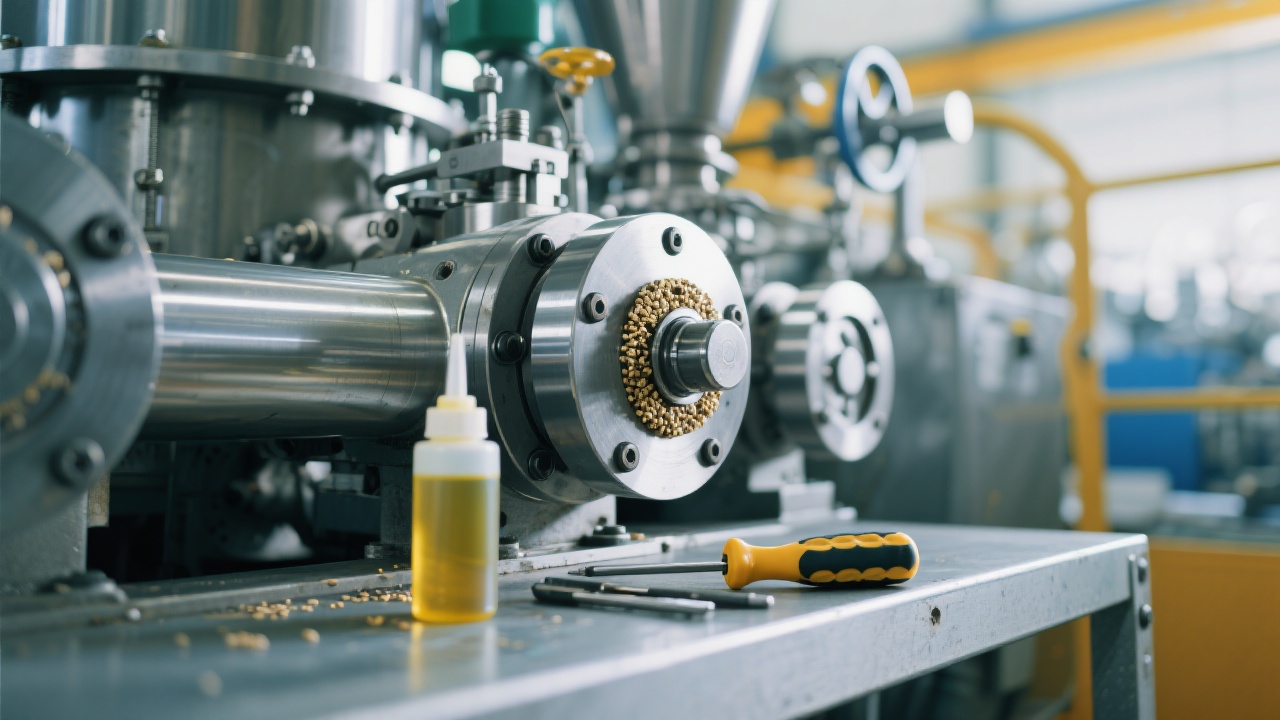
Let's take a look at a real - world application case. An export - oriented sesame oil factory adopted the above - mentioned processing solutions and equipment. Before the implementation, the factory's daily production capacity was about 5 tons, and the production cost per ton was relatively high. After applying the new solution, the daily production capacity increased to 8 tons, an increase of 60%. At the same time, the production cost per ton decreased by about 20% due to energy - saving equipment and optimized operation methods.
This case clearly shows that by choosing the right equipment and optimizing the operation process, small and medium - sized food processing plants can achieve high - quality, high - efficiency, and cost - effective production of high - purity sesame oil.
Are you ready to enhance your sesame oil production? Get a customized solution now