In the sesame oil extraction industry, small and medium - sized factories are constantly seeking ways to improve product purity and production efficiency. This article delves into the key technological aspects of sesame oil extraction, offering practical solutions for small sesame oil factories.
The first step in sesame oil extraction is raw material pretreatment, which includes cleaning and drying. Cleaning can remove impurities such as dust and stones. According to industry data, effective cleaning can reduce impurity content in raw sesame seeds from about 5% to less than 1%. Drying is crucial for moisture control. Sesame seeds with a moisture content of around 7 - 8% are ideal for subsequent processes. High moisture can lead to lower oil yield and affect the purity of the final product. For example, in a small factory in Shandong, after optimizing the drying process, the oil yield increased by about 3%.
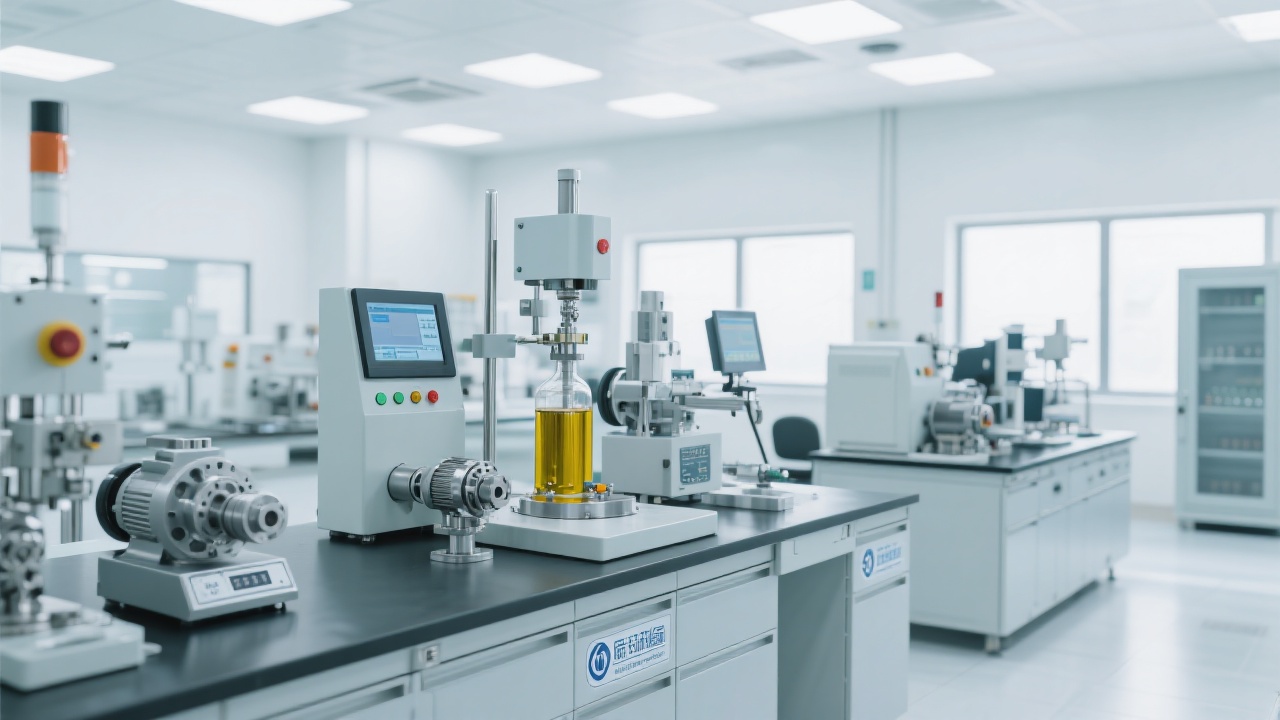
There are two main pressing methods: low - temperature cold pressing and high - temperature hot pressing. Cold pressing, usually carried out at temperatures below 60°C, can preserve more nutrients in sesame oil, such as vitamin E and unsaturated fatty acids. However, the oil yield is relatively low, typically around 35 - 40%. On the other hand, hot pressing at temperatures around 120 - 180°C can increase the oil yield to 45 - 50%, but it may cause some nutrient loss. A factory in Henan found that by using a combination of cold and hot pressing, they could achieve both a relatively high oil yield and good product quality.
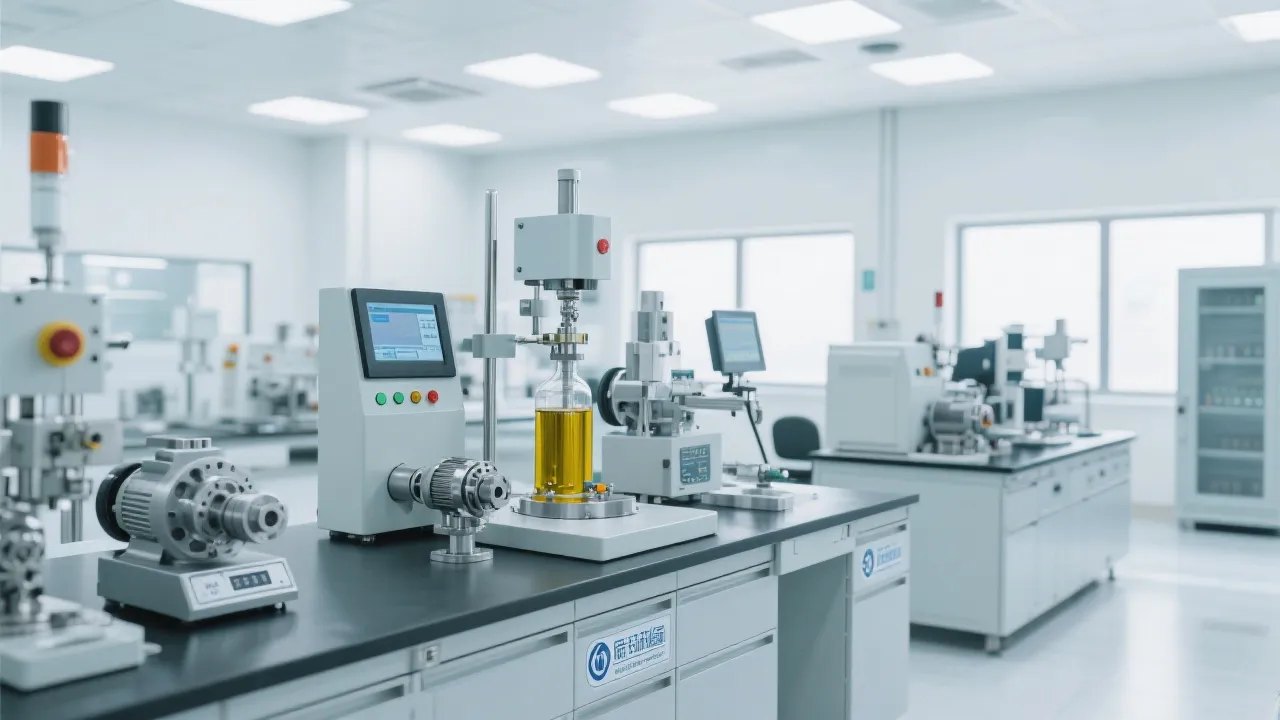
Filtration is a key step in ensuring the purity of sesame oil. Advanced filtration technology can remove fine particles and impurities, improving the clarity and quality of the oil. For example, using a multi - stage filtration system can reduce the impurity content in the oil to less than 0.1%. Filling also needs to be efficient to ensure production continuity. Automatic filling equipment can fill up to 60 - 80 bottles per minute, greatly improving production efficiency.
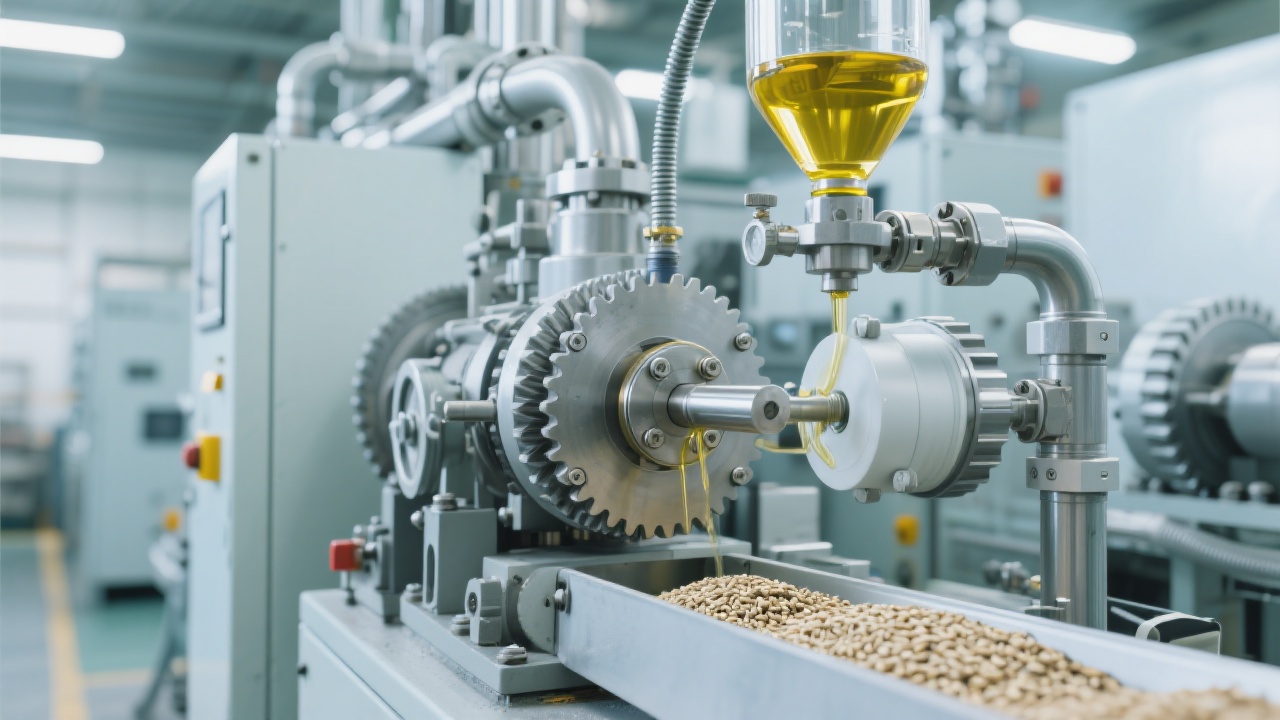
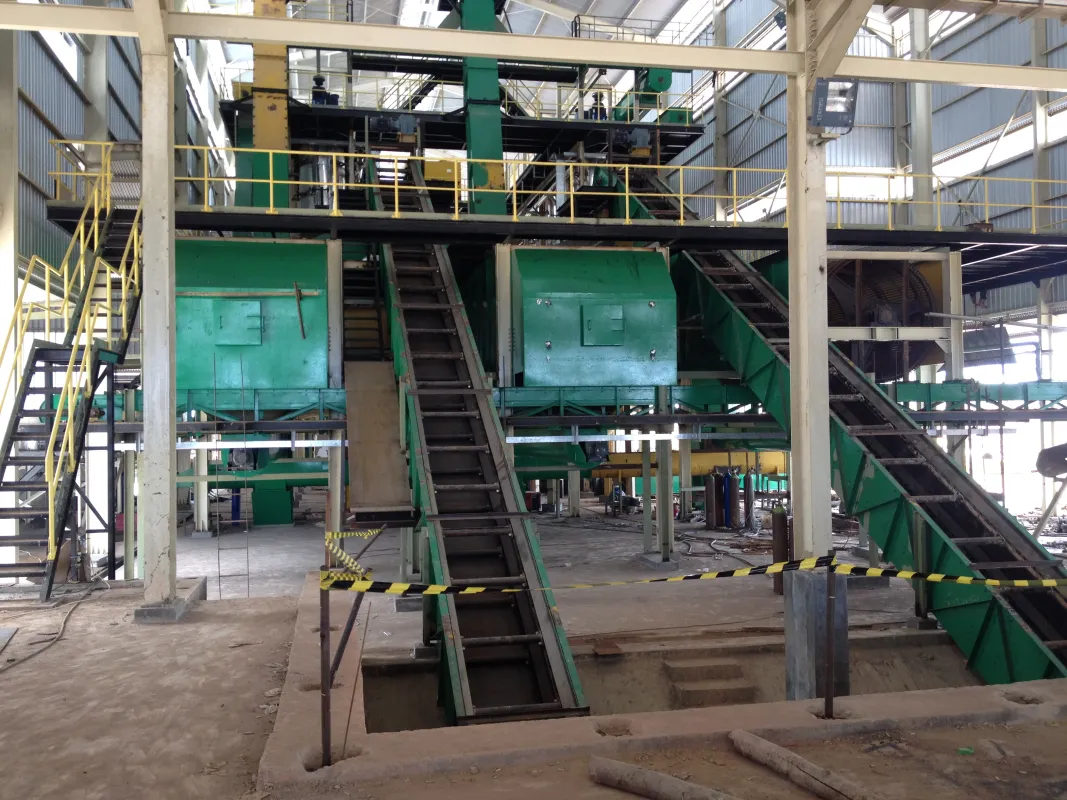
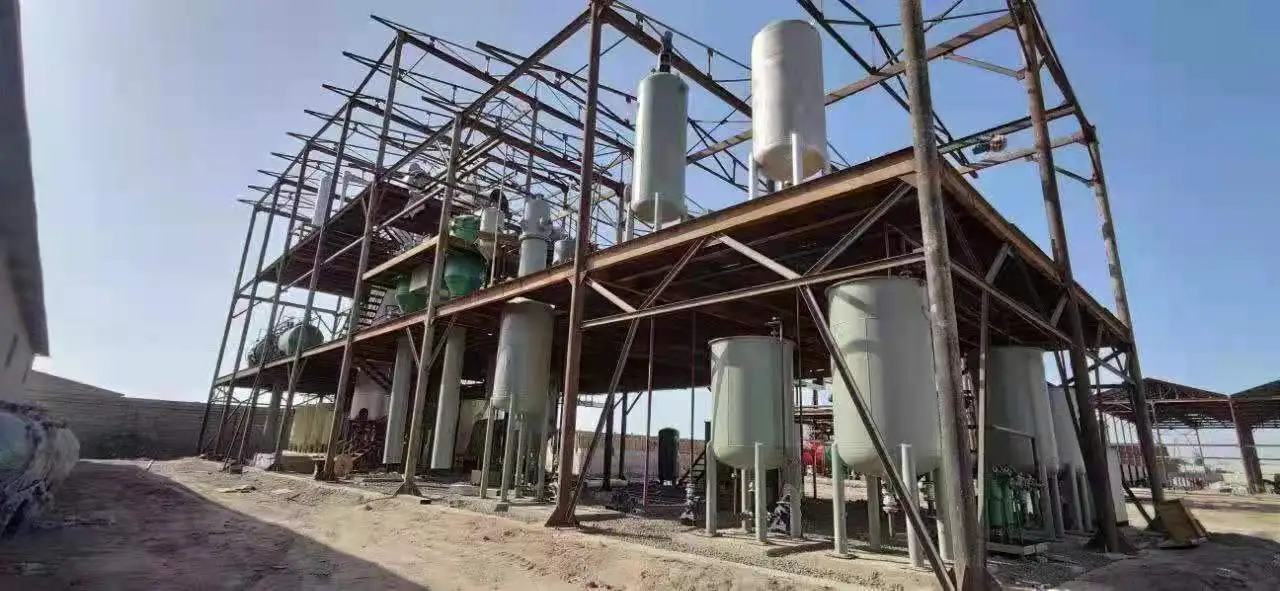
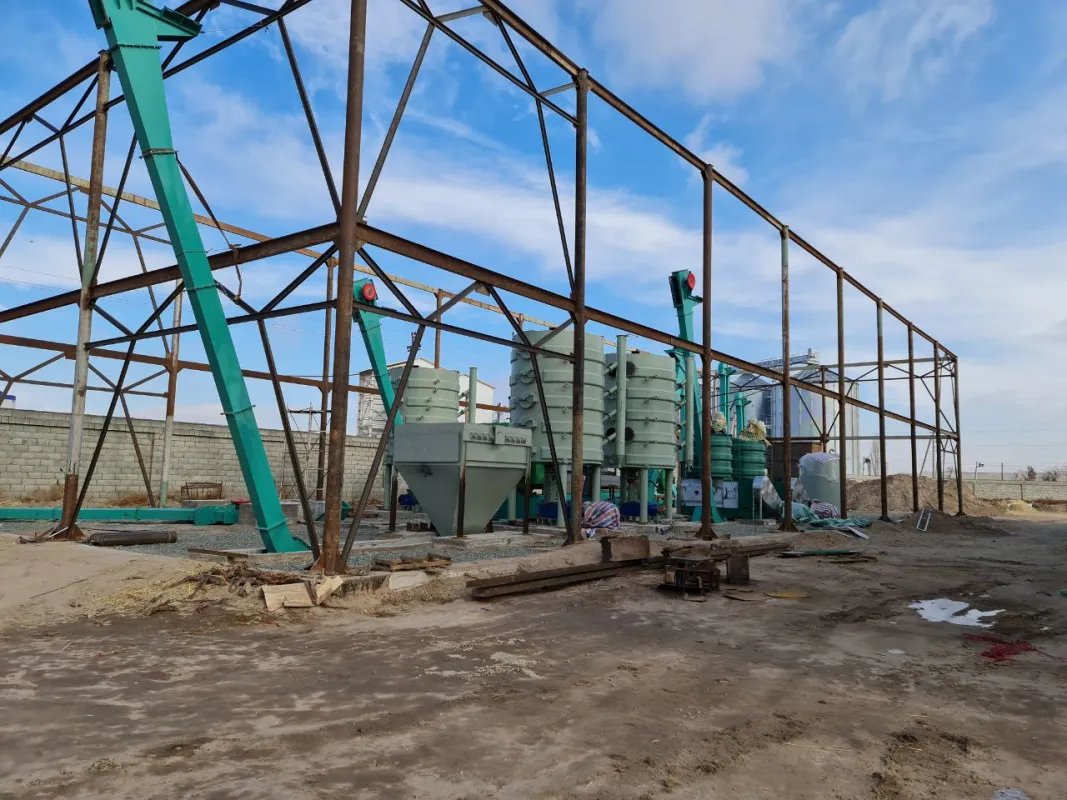
When it comes to equipment selection, small factories need to consider factors such as energy conservation, space utilization, and cost - effectiveness. Energy - efficient equipment can reduce energy consumption by 20 - 30%. For example, some new - type filtration and filling equipment can operate with lower power consumption. In terms of space utilization, compact equipment that can be arranged in a small area is preferred. A small factory in Jiangsu optimized its equipment layout, saving about 30% of the floor space.
To ensure production continuity, factories can adopt a continuous feeding and production system. For energy consumption control, regular equipment maintenance and optimization of production processes can be carried out. For example, adjusting the temperature and pressure in the pressing process can reduce energy consumption. Quality monitoring should be carried out at every stage of production to ensure the stability of product quality.
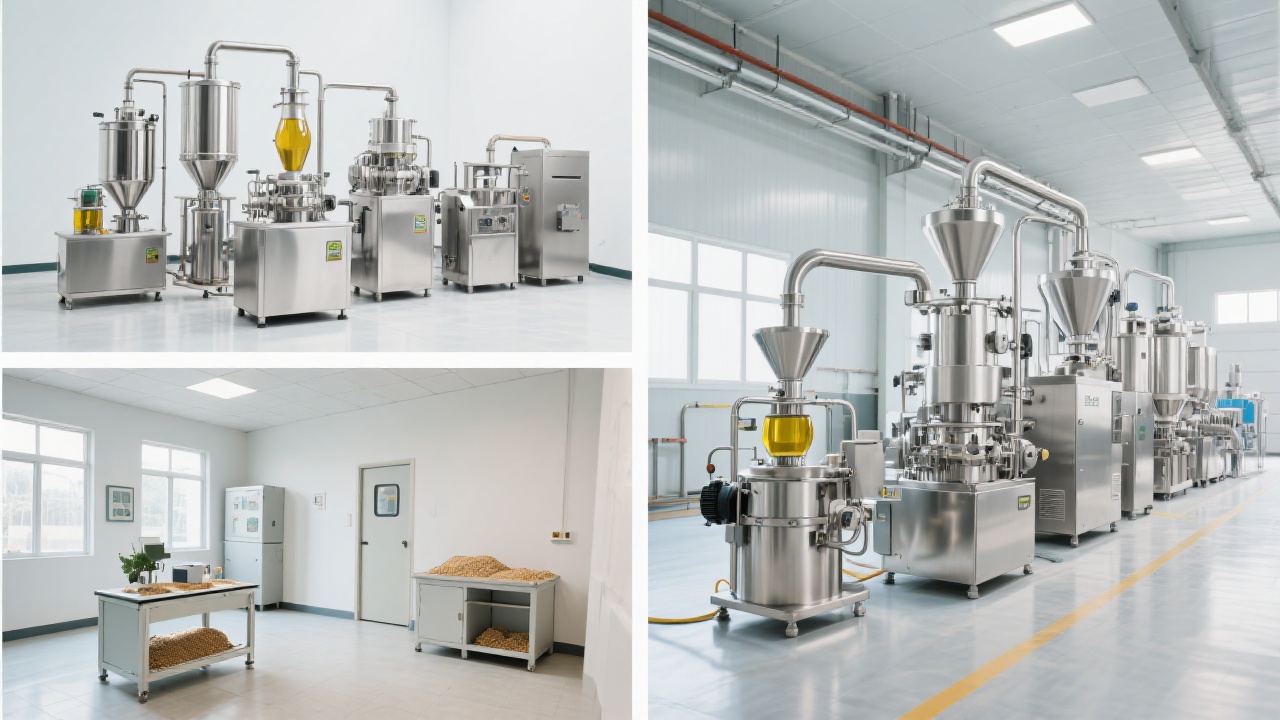
We also offer technical lectures and online Q&A sessions to help you better understand and apply these technologies. If you are interested in improving your sesame oil production process, don't miss this opportunity! Click here to get more information about our recommended equipment and services.