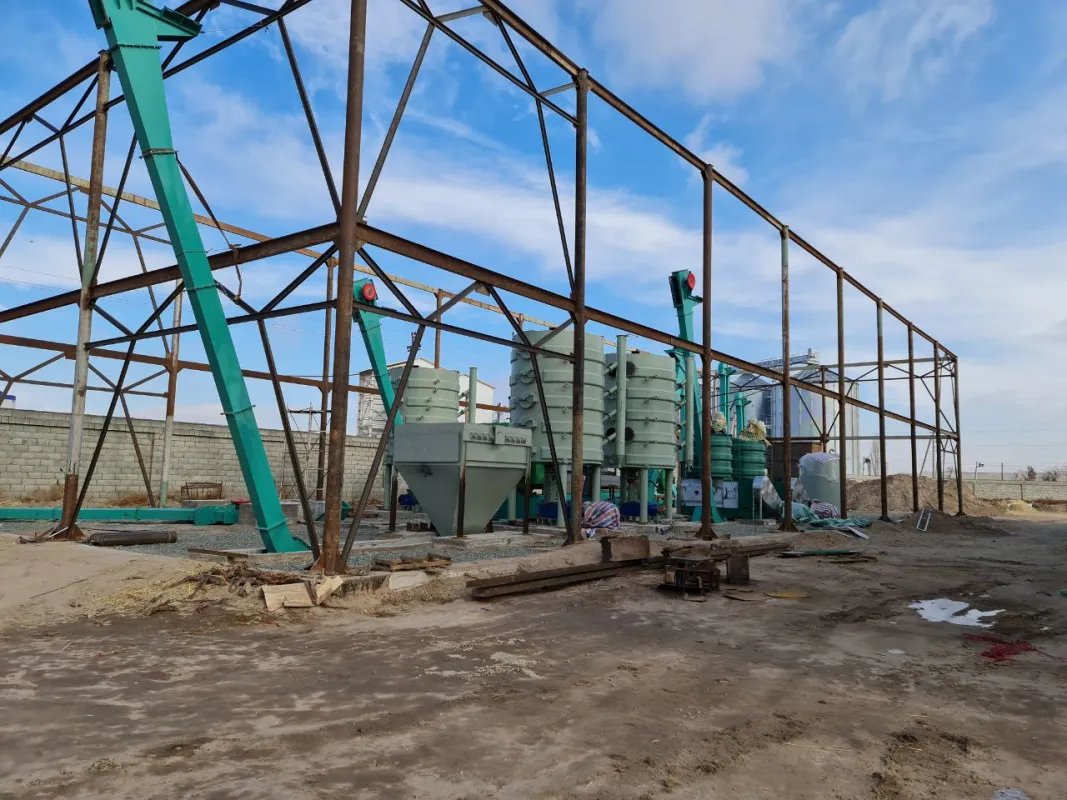
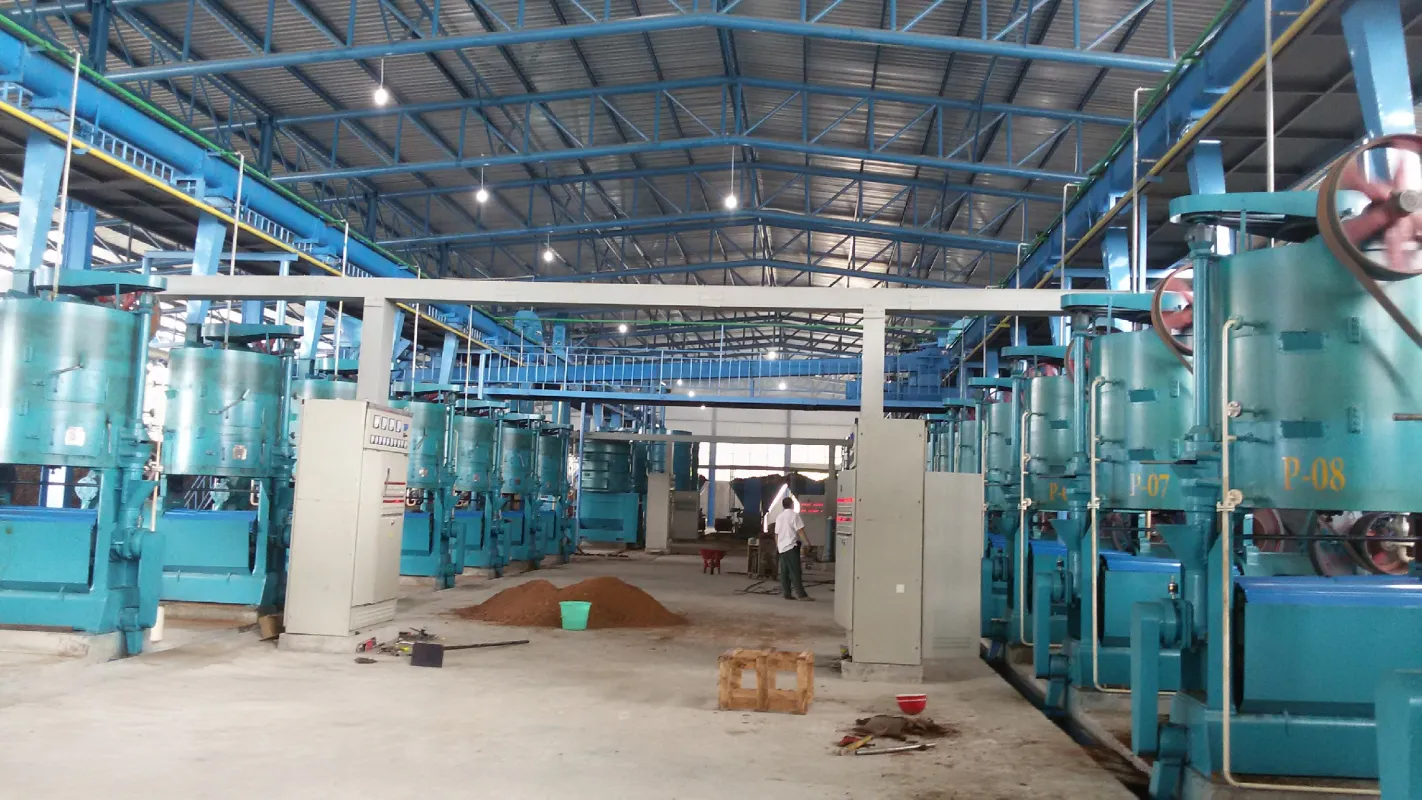
Embarking on a grain and oil machinery project represents a significant investment decision that requires careful planning and strategic foresight. As a leading provider of oil pressing equipment, oil production line equipment, and oil refining equipment, Qi'e Grain and Oil Machinery Co., Ltd. has assisted numerous clients across Asia, Africa, and South America in establishing successful粮油加工 operations. A critical lesson from our extensive experience is the vital importance of clarifying three fundamental parameters before selecting equipment or designing production lines.
Many project initiators make the mistake of focusing solely on equipment specifications or price points without first establishing clear project parameters. This approach often leads to mismatched configurations, inefficient production processes, and ultimately, reduced return on investment. Proper project planning begins with defining:
Grain and oil processing is inherently material-specific. Different oilseeds—such as palm kernels, soybeans, sunflower seeds, or rapeseed—possess unique properties that directly impact equipment requirements. Factors including oil content, moisture levels, hardness, and fiber structure necessitate specialized processing approaches.
| Oilseed Type | Key Processing Considerations | Typical Equipment Requirements |
|---|---|---|
| Palm Kernel | High oil content, hard shell, requires efficient cracking | Specialized kernel crushers, palm kernel oil生产线设备 |
| Soybean | Lower oil content, requires pre-treatment and solvent extraction | Soybean oil生产线, solvent extractors |
| Sunflower Seeds | Variable oil content, thin hull, requires careful cleaning | Sunflower oil浸出机, dehulling equipment |
Without clear raw material definition, purchasers risk investing in equipment that cannot efficiently process their specific oilseeds, resulting in lower yields, higher energy consumption, and increased maintenance requirements. At Qi'e Grain and Oil Machinery Co., Ltd., our technical team begins every project consultation by analyzing the client's raw material characteristics to ensure optimal equipment matching.
Defining target production capacity is equally critical for project success. Capacity requirements directly influence equipment sizing, production line configuration, facility layout, and overall investment scale. Capacity planning must consider both current market demand and future expansion potential.
An undersized plant may fail to meet market demand and miss revenue opportunities, while an oversized facility can lead to excessive capital expenditure, increased energy costs, and inefficient operation at partial capacity. Our experts at Qi'e Grain and Oil Machinery Co., Ltd. help clients conduct comprehensive market analysis to determine the optimal capacity that balances investment with projected returns, whether for a 小型榨油厂 or a large-scale production facility.
The intended quality of the finished oil significantly impacts processing requirements and equipment selection. Different markets and applications demand varying quality standards, which directly influence the complexity of the production process.
"The quality requirements for edible oil destined for local consumption may differ substantially from oil intended for export markets or specialized industrial applications."
Quality considerations include:
For example, producing high-quality refined edible oil requires additional processing steps and specialized 食用油精炼机 equipment compared to producing crude oil for industrial use. Similarly, 冷榨油机 technology is required when preserving natural nutrients and flavor is prioritized over maximum yield.
These three parameters—raw materials, capacity, and oil standards—are not independent considerations but interconnected elements that form the foundation of project design. A change in one parameter necessarily affects the others, creating a complex decision matrix that requires expert navigation.
For instance, selecting palm oil as a raw material with high capacity requirements and premium quality standards would lead to a different equipment configuration than planning a small-scale cold-pressed sunflower oil operation. This interconnectedness is why Qi'e Grain and Oil Machinery Co., Ltd. emphasizes a holistic planning approach rather than piecemeal equipment selection.
At Qi'e Grain and Oil Machinery Co., Ltd., we follow a structured consultation process to help clients define their project parameters:
This comprehensive approach ensures that our clients receive not just equipment, but complete解决方案 tailored to their specific needs and market conditions.
By clearly defining raw materials, capacity requirements, and oil quality standards before beginning your grain and oil machinery project, you establish a solid foundation for equipment selection, process design, and investment planning. This upfront work minimizes the risk of costly modifications, production inefficiencies, and market mismatches.
With decades of experience serving clients in over 120 countries, Qi'e Grain and Oil Machinery Co., Ltd. combines technical expertise with practical market knowledge to help you navigate these critical planning decisions. Our commitment to "科技创新、品质至上、服务至上" (technological innovation, quality first, service paramount) ensures that your project is built on a foundation of sound planning and industry best practices.
Whether you're considering a 多功能榨油机 for small-scale operation or a complete 棕榈油生产线设备 for large-scale production, clarifying these fundamental parameters is the essential first step toward project success.