More than 60% of small sesame oil producers face microbial contamination issues during processing—often due to poor hygiene practices and outdated equipment. The result? Lost batches, failed audits, and damaged brand trust.
But here's the good news: a fully enclosed production line isn’t just a luxury—it’s a necessity for food safety compliance and operational efficiency. Let’s break down how modern systems prevent cross-contamination at every stage—from raw material intake to final packaging.
Most failures start with one overlooked detail: material choice. Stainless steel grade 304 is now the industry standard—not just because it resists corrosion, but because it doesn't harbor bacteria like plastic or carbon steel can.
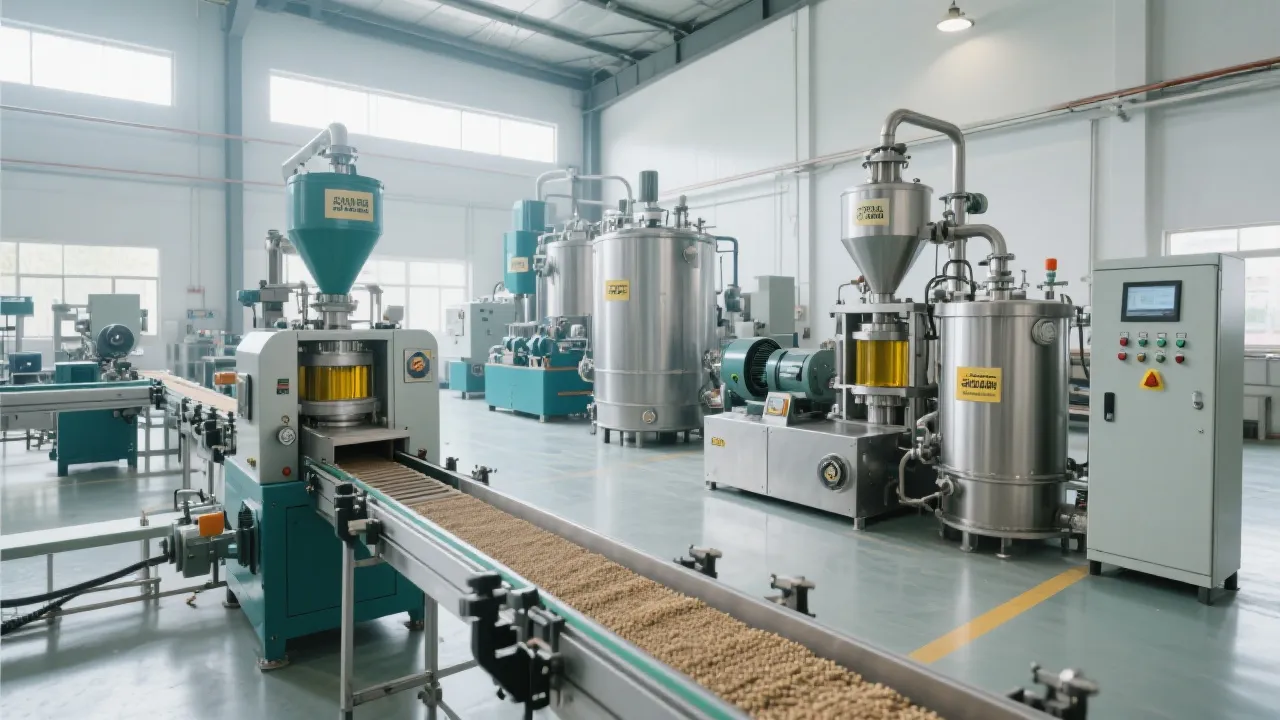
Next comes sealing design. Open conveyors or exposed tanks are major entry points for airborne particles and moisture. Fully sealed systems—especially those with double-gasketed valves and positive air pressure zones—create a physical barrier that keeps contaminants out.
And then there’s automation. Manual cleaning leaves gaps. CIP (Clean-in-Place) systems, when properly configured, reduce human error by up to 75%, according to a 2023 study by the International Association of Food Safety.
| Maintenance Frequency | Action Required | Expected Outcome |
|---|---|---|
| Daily | Visual inspection + quick rinse | Prevents residue buildup |
| Weekly | Full CIP cycle + filter check | Eliminates biofilm risk |
| Monthly | Sanitizer validation + gasket replacement | Ensures long-term integrity |
“After switching to a closed-loop system, our lab tests showed a 92% drop in total plate count within three months. We passed ISO 22000 certification on the first try.”
—— Mr. Ahmed, Owner, Nile Valley Sesame Oil Co., Egypt
Real-world examples show that even small factories can implement these strategies without massive capital investment. One case from India—a 5-person team producing 2 tons/day—used a modular CIP setup with pre-programmed cycles. Within six weeks, they reduced downtime from 12 hours/month to under 2 hours.
Pro tip: Many companies miss the simplest step: documenting each cleaning cycle. Use a digital checklist (we provide a free template!) to track what was cleaned, who did it, and when. It’s not just about compliance—it builds internal accountability.
Download our Free Cleanliness Audit Checklist and get instant access to a proven CIP setup guide used by over 120+ SMEs worldwide.
Get Your Free Whitepaper Now →