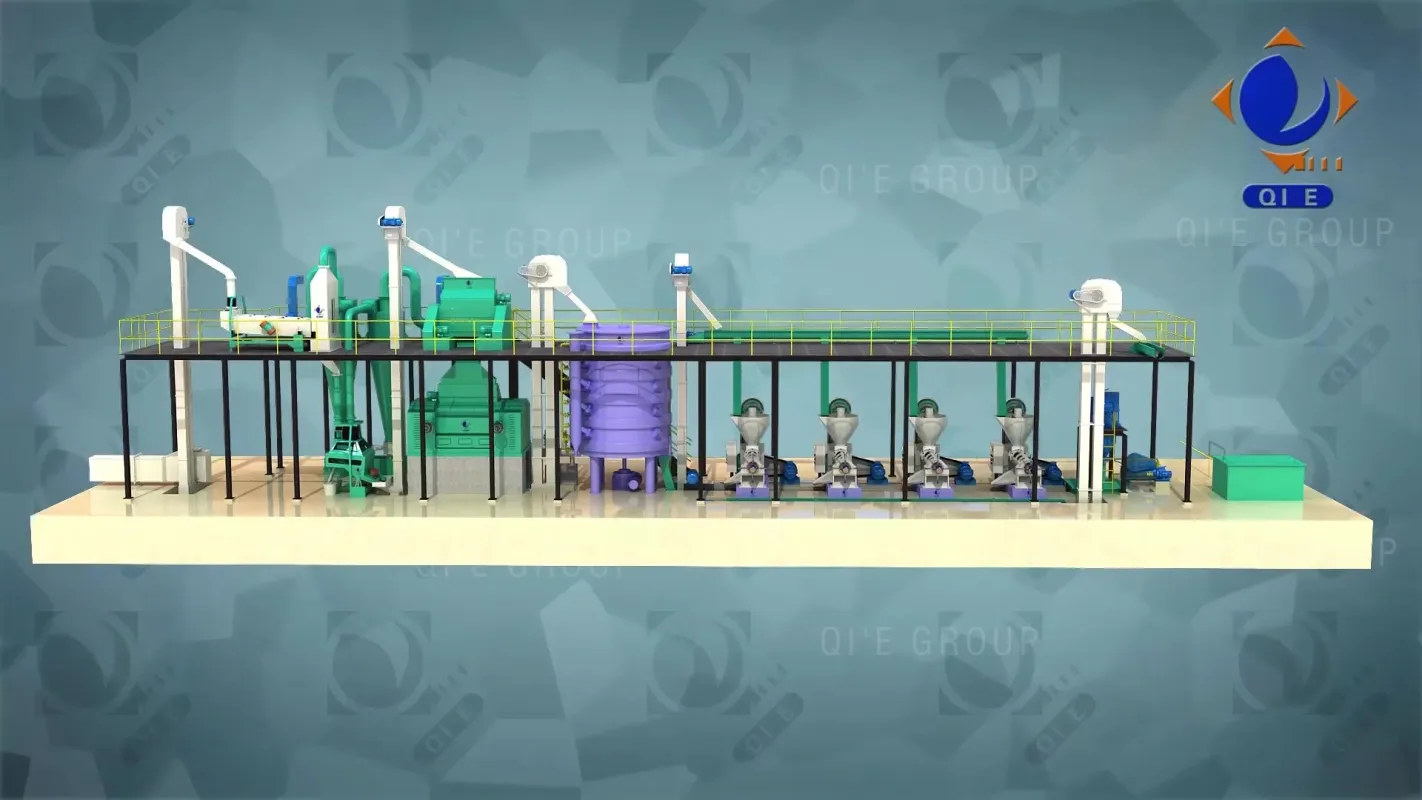
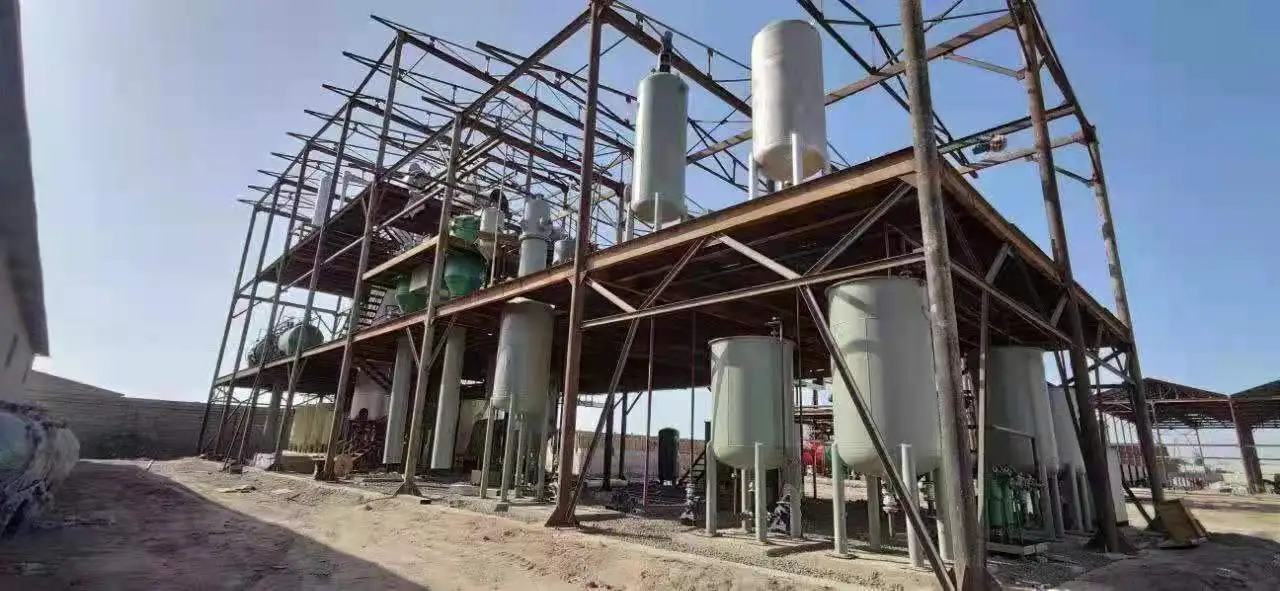
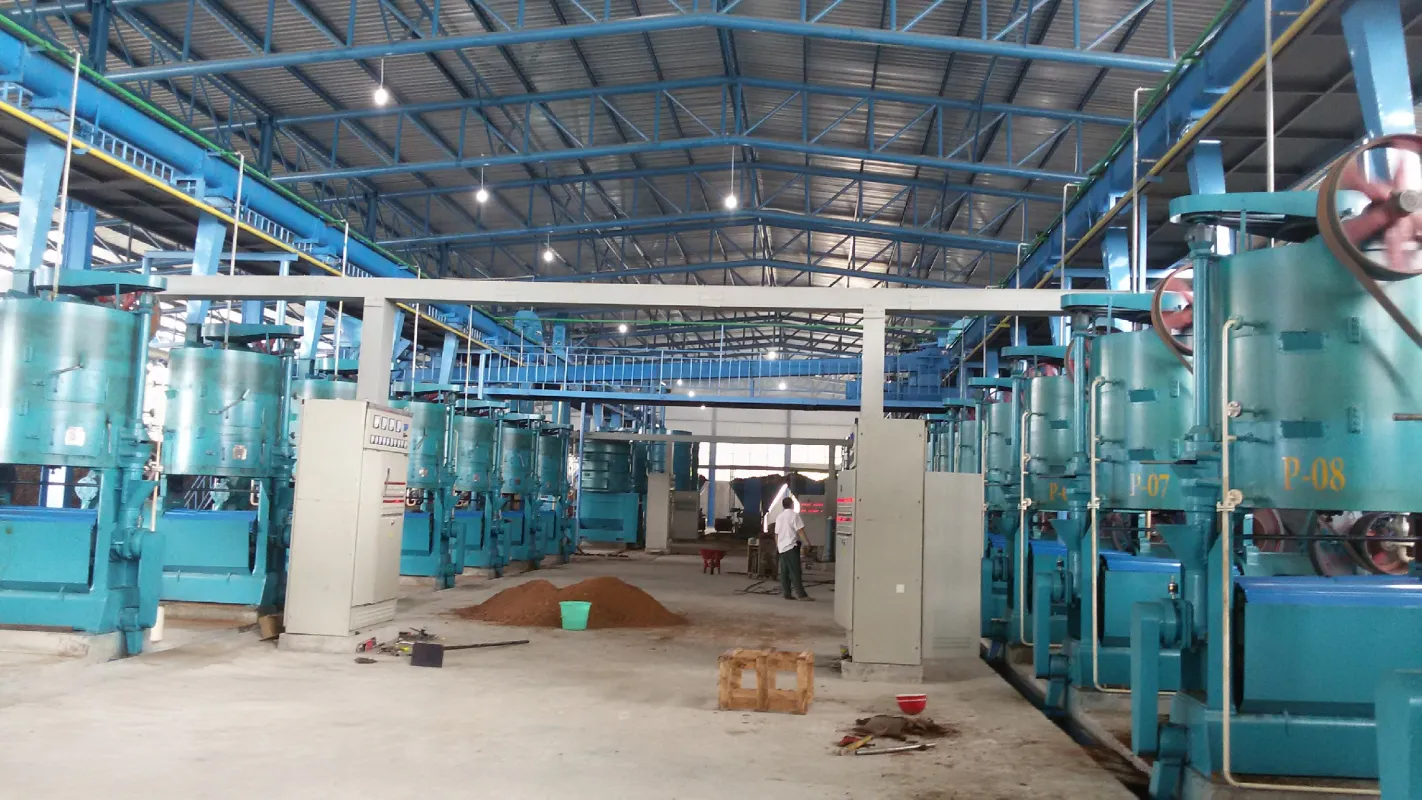
In the realm of rapeseed oil processing, there are two core types of production lines: cold - pressing and solvent extraction. Understanding their technical characteristics and application scenarios is crucial for B2B procurement decision - makers.
Cold - pressing is a physical extraction method that retains the natural flavor and nutrients of rapeseed oil. It is suitable for high - end markets that demand pure and healthy products. The cold - pressed oil has a better taste and is rich in antioxidants. However, its production capacity is relatively low, usually around 5 - 10 tons per day for small to medium - sized cold - pressing equipment.
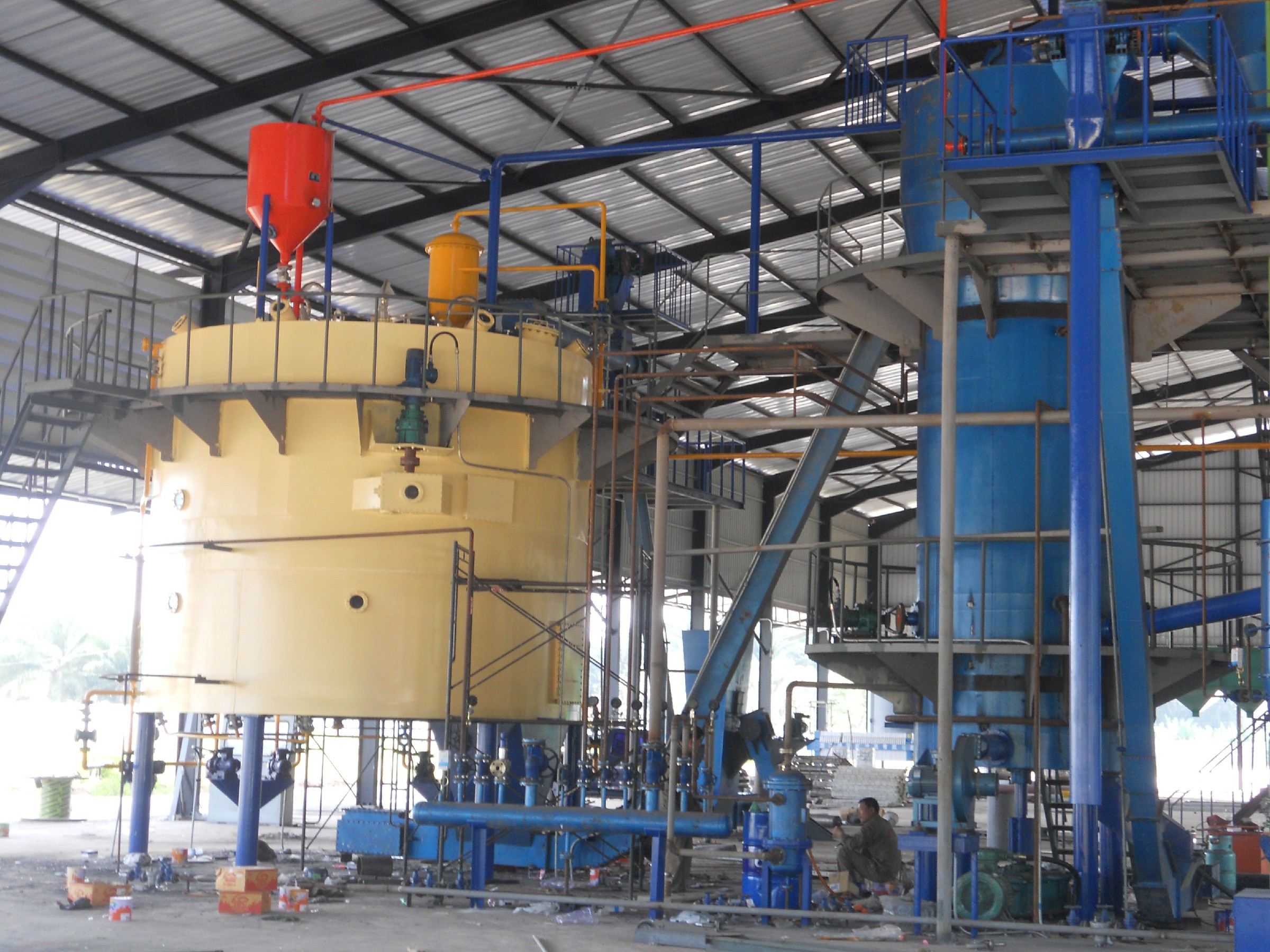
On the other hand, solvent extraction is a chemical process that can achieve higher yields. It is more suitable for large - scale production, with a daily production capacity of 50 - 200 tons or even more for large - scale solvent extraction equipment. But the oil obtained may require more refining steps to meet the quality requirements.
When choosing rapeseed oil processing equipment, several key performance indicators should be considered. Firstly, production capacity is a top concern. It is essential to match the equipment's capacity with the actual production demand. For example, if a company plans to export a large volume of rapeseed oil, a high - capacity solvent extraction line may be more appropriate.
Secondly, the ability to maintain product quality is vital. Cold - pressing can better preserve the natural nutrients and flavor of rapeseed oil, while solvent extraction needs to pay more attention to the refining process to ensure product quality. Additionally, the ease of operation is also an important factor. Modern equipment with simple operation interfaces can reduce labor costs and improve production efficiency.
International certification standards such as ISO play a key role in ensuring the safety, hygiene, and quality control of rapeseed oil processing equipment. ISO standards cover various aspects, including equipment design, manufacturing, and operation. Equipment that meets ISO standards can guarantee the safety of operators, the hygiene of the production environment, and the quality of the final product.
For example, ISO 22000 focuses on food safety management, which is crucial for rapeseed oil processing. By using ISO - certified equipment, companies can enhance their credibility in the international market and meet the strict requirements of overseas customers.
Modern control systems can significantly improve the automation level of rapeseed oil processing equipment. They can monitor and adjust various parameters in real - time, such as temperature, pressure, and flow rate, to ensure stable production and consistent product quality. Moreover, these systems can reduce human errors and risks, improving the overall safety of the production process.
For instance, an automated control system can detect abnormal conditions in the production line and send out alarms immediately, allowing operators to take timely measures. This not only improves production efficiency but also reduces maintenance costs.
Are you still confused about choosing the right rapeseed oil processing equipment? Our professional team is ready to provide you with in - depth consultation and guidance. We can also offer you a free technology demonstration to show you the advanced features of our equipment. Click here to book a consultation or a technology demonstration now!