For export - oriented rapeseed oil mills, selecting the right equipment is crucial. There are two core types of processing equipment: cold - pressing production lines and solvent extraction production lines.
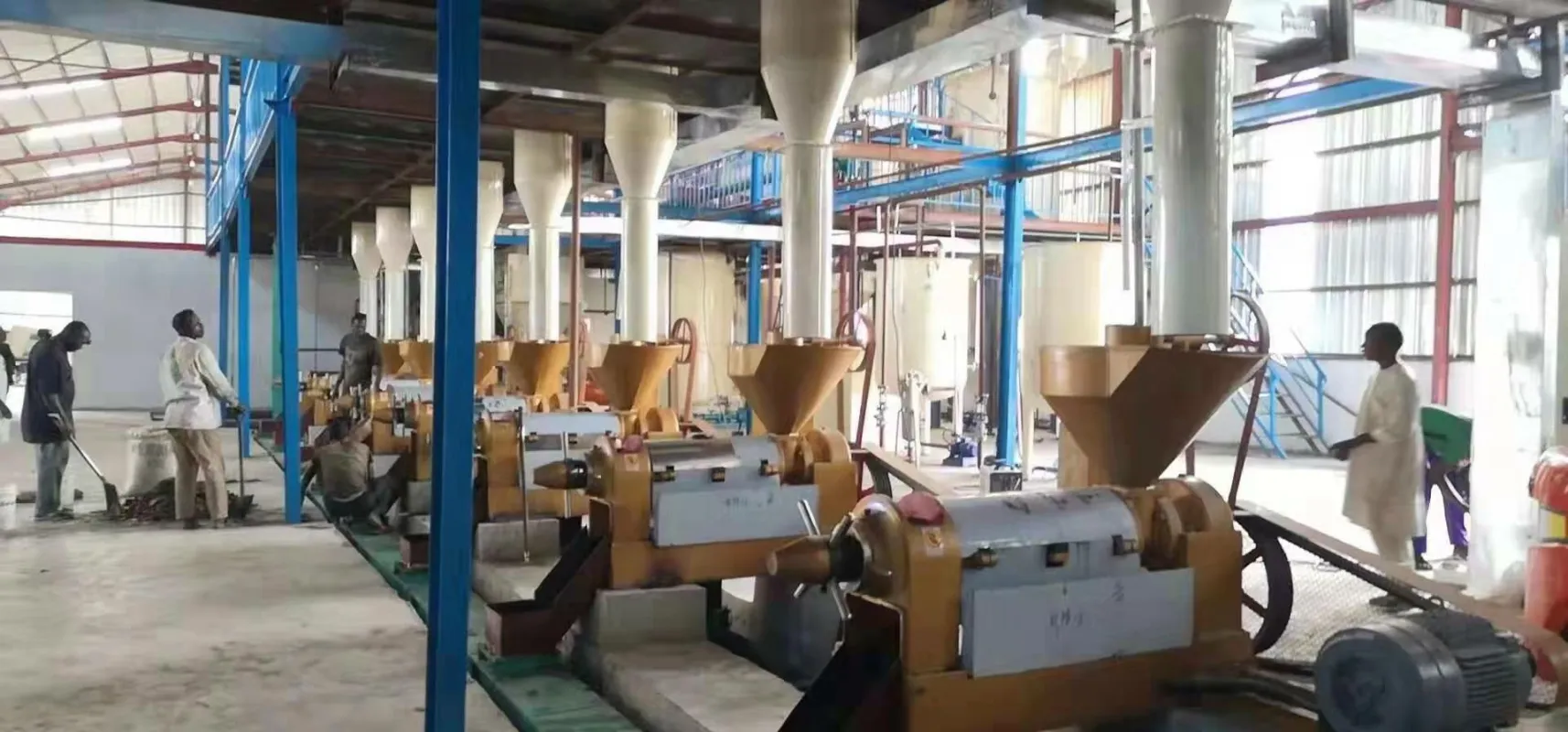
Cold - pressing is a physical method of extracting oil. It operates at relatively low temperatures, usually below 60°C. This process preserves the natural nutrients and flavors of rapeseed oil. For example, it retains more vitamins and antioxidants. The cold - pressing method is suitable for high - end rapeseed oil production, targeting consumers who value natural and healthy products. The production capacity of a typical cold - pressing machine can range from 1 - 10 tons per day, depending on the model and design.
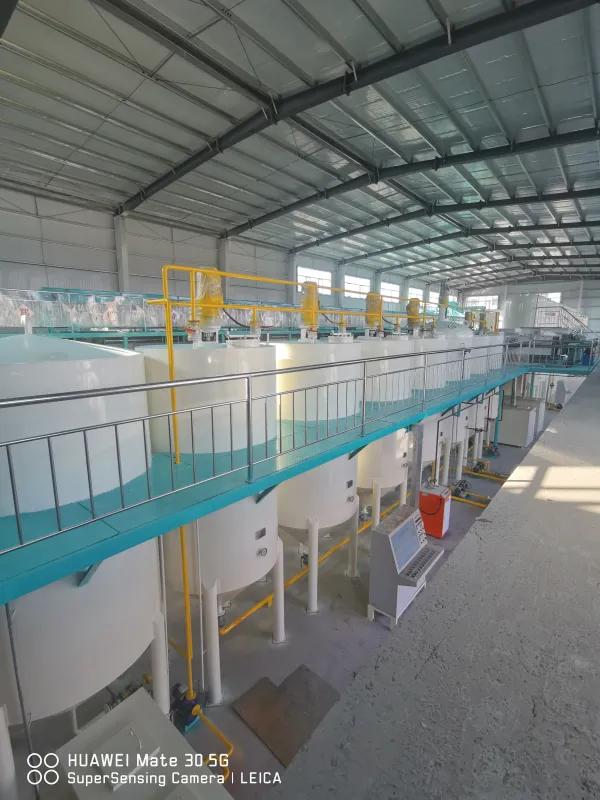
Solvent extraction uses chemicals to extract oil from rapeseed. It has a higher oil extraction rate compared to cold - pressing, usually achieving an extraction rate of 95% - 98%. This method is more suitable for large - scale production due to its high efficiency. The production capacity of solvent extraction production lines can be very large, with some capable of processing over 100 tons of rapeseed per day. However, it requires more complex post - processing to remove the solvent residues.
When selecting rapeseed oil processing equipment, several key performance indicators should be considered.
The capacity of the equipment should match the mill's production plan. For small - scale export - oriented factories, a production capacity of 5 - 20 tons per month may be sufficient. Medium - sized factories may require 20 - 100 tons per month, while large - scale factories may need over 100 tons per month. It is important to consider future expansion plans as well.
User - friendly equipment can reduce the training time for operators and improve work efficiency. Equipment with intuitive control panels and easy - to - follow operation procedures is highly recommended. For example, some modern machines come with touch - screen control systems, which can significantly simplify the operation process.
A higher automation level can reduce human error and labor costs. Automated production lines can monitor and adjust production parameters in real - time, ensuring stable product quality. For instance, equipment with automated temperature control can ensure the extraction process is carried out at the optimal temperature.
Equipment should meet strict safety and hygiene standards. For example, it should be made of food - grade materials to ensure the safety of the final product. In addition, proper safety protection devices should be installed to prevent accidents during operation.
International certification standards, such as ISO, play a critical role in ensuring equipment safety and product quality. ISO - certified equipment indicates that it meets international quality management requirements. This can enhance the credibility of the equipment and the product in the international market. For example, ISO 9001:2015 focuses on quality management systems, while ISO 22000:2018 is related to food safety management. Having these certifications can help rapeseed oil mills meet the stringent requirements of different export markets.
Modern control systems can significantly improve the automation level of rapeseed oil production. Programmable Logic Controllers (PLCs) are widely used in modern equipment. They can control various parts of the production line, such as conveyors, pumps, and valves. By using PLCs, the production process can be precisely controlled, reducing the risk of human error. For example, a PLC - controlled system can adjust the flow rate of solvents according to the production requirements, ensuring a consistent oil extraction rate.
Let's look at some industry case studies. Company A, a medium - sized export - oriented rapeseed oil mill, selected a solvent extraction production line with high - level automation and ISO certification. After the implementation, their production capacity increased by 30% within a year, and the product quality improved significantly. The oil extraction rate reached 97%, and the product passed the strict quality inspections of the European market. Company B, on the other hand, chose a cold - pressing production line for its high - end product line. By focusing on natural and healthy oil production, they were able to target a niche market and achieve a 20% increase in profit margins.
We provide a complete solution for rapeseed oil mills, from equipment procurement to after - sales service. Our team of experts can help you with equipment selection based on your specific production requirements, including capacity planning and quality control. We also offer comprehensive after - sales support, such as operation training, equipment maintenance, and spare parts supply.
If you are an export - oriented rapeseed oil mill looking for the right equipment, our professional team is ready to assist you. We can provide in - depth consultations, detailed technical demonstrations, and personalized solutions. Don't miss this opportunity to enhance your production efficiency and product competitiveness.
Schedule a Technical Demonstration