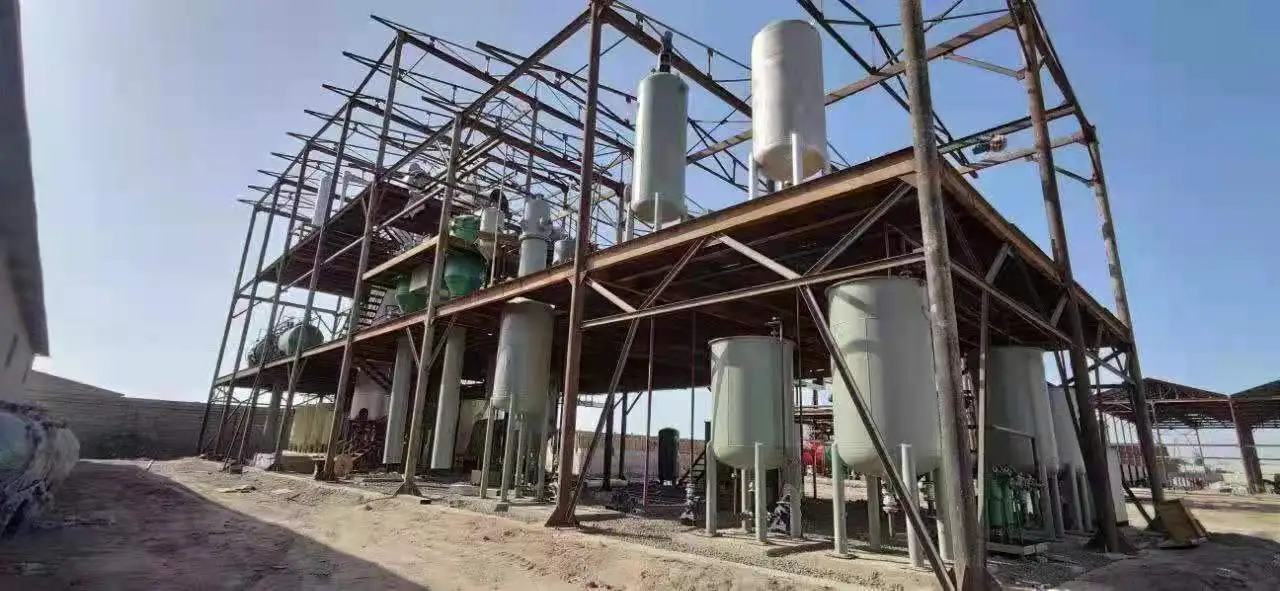
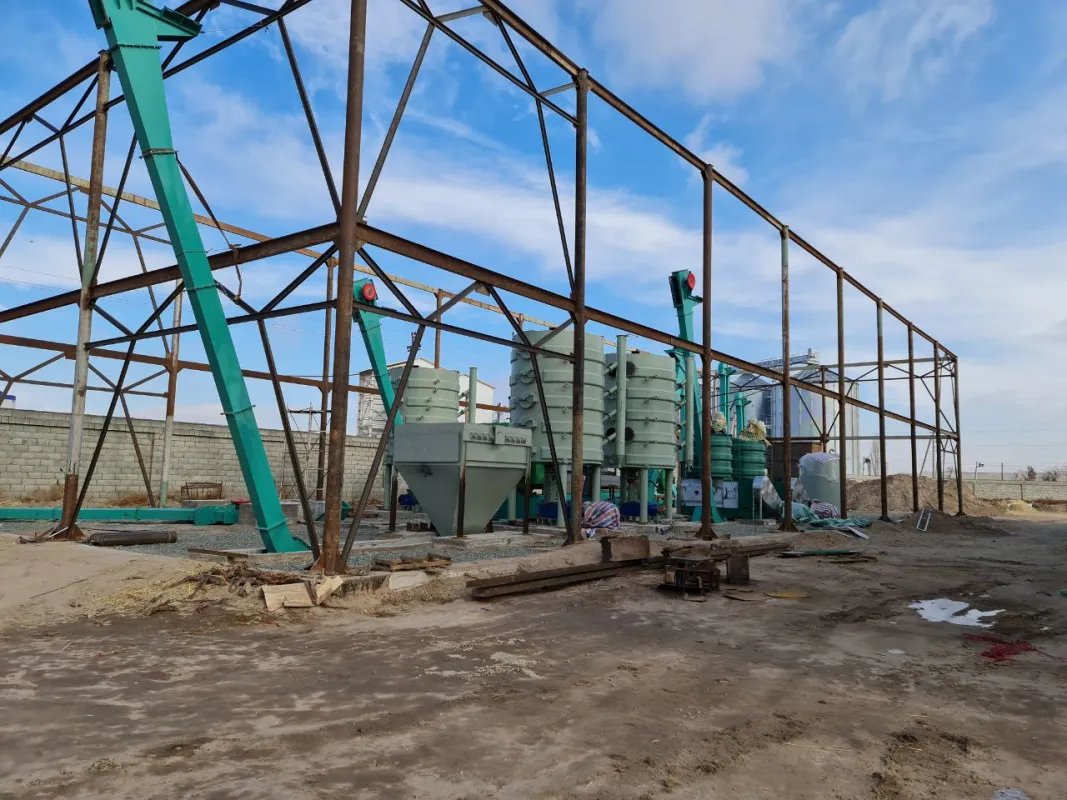
Designing a sesame oil production line from the ground up requires strategic planning that balances productivity and energy efficiency. This article delves into the essentials of equipment selection, capacity matching, and energy-saving tactics to optimize operations for small and emerging grain and oil processing enterprises. Key machinery—including washers, dryers, screw oil presses, filters, and filling lines—are examined to reveal how their functional synergy and modular assembly contribute to enhanced output while minimizing energy waste.
Choosing appropriate equipment is pivotal for achieving operational efficiency in sesame oil production. The washing units must efficiently clean raw seeds with minimal water usage, while drying machines should provide uniform moisture reduction without excessive heat consumption. Screw press machines, which are vital for oil extraction, need to be sized precisely to the upstream throughput capacity to avoid bottlenecks or underutilization. Filters and filling lines must synchronize seamlessly, ensuring continuous operation and consistent oil quality.
Modular configurations allow flexible scaling according to demand fluctuations or future expansions. For instance, installing multiple smaller screw presses instead of a single large unit can enhance system reliability and simplify maintenance. Capacity matching across units prevents energy overuse caused by idling or overstraining any single machine, thereby contributing to steady-state power consumption profiles.
Advanced energy-saving features integrated into modern production lines significantly reduce operational costs. Three major components stand out:
These technologies, when combined, offer compounded energy savings and improve production consistency. Incorporating real-time energy consumption monitoring enables plant managers to identify inefficiencies and fine-tune processes dynamically.

A comparative study of small-scale sesame oil factories demonstrates significant reductions in energy use after retrofitting or new setups employing the above technologies. For example, factories without heat recovery or VFD systems typically consume 1.5 to 1.8 kWh per liter of oil produced. In contrast, optimized lines average around 1.1 to 1.2 kWh/L—a 30-35% reduction.
Additionally, production consistency improved due to automation, reducing process downtimes by approximately 12%. Factories applying modular assemblies reported enhanced maintenance turnaround, further stabilizing energy usage patterns.

Consider a start-up aiming for a daily capacity of 500 liters. Employing a modular layout with two screw presses rated at 300 liters/day each ensures balanced throughput. Integrating a heat recovery unit reduces thermal energy requirements by roughly 18%, while VFD motors on conveyor belts and pumps cut electrical consumption by around 22%.
Using the provided decision support tool, investors can dynamically simulate various equipment configurations and energy-saving options. This data-driven approach supports optimized capital allocation and operational deployment, minimizing financial risks.
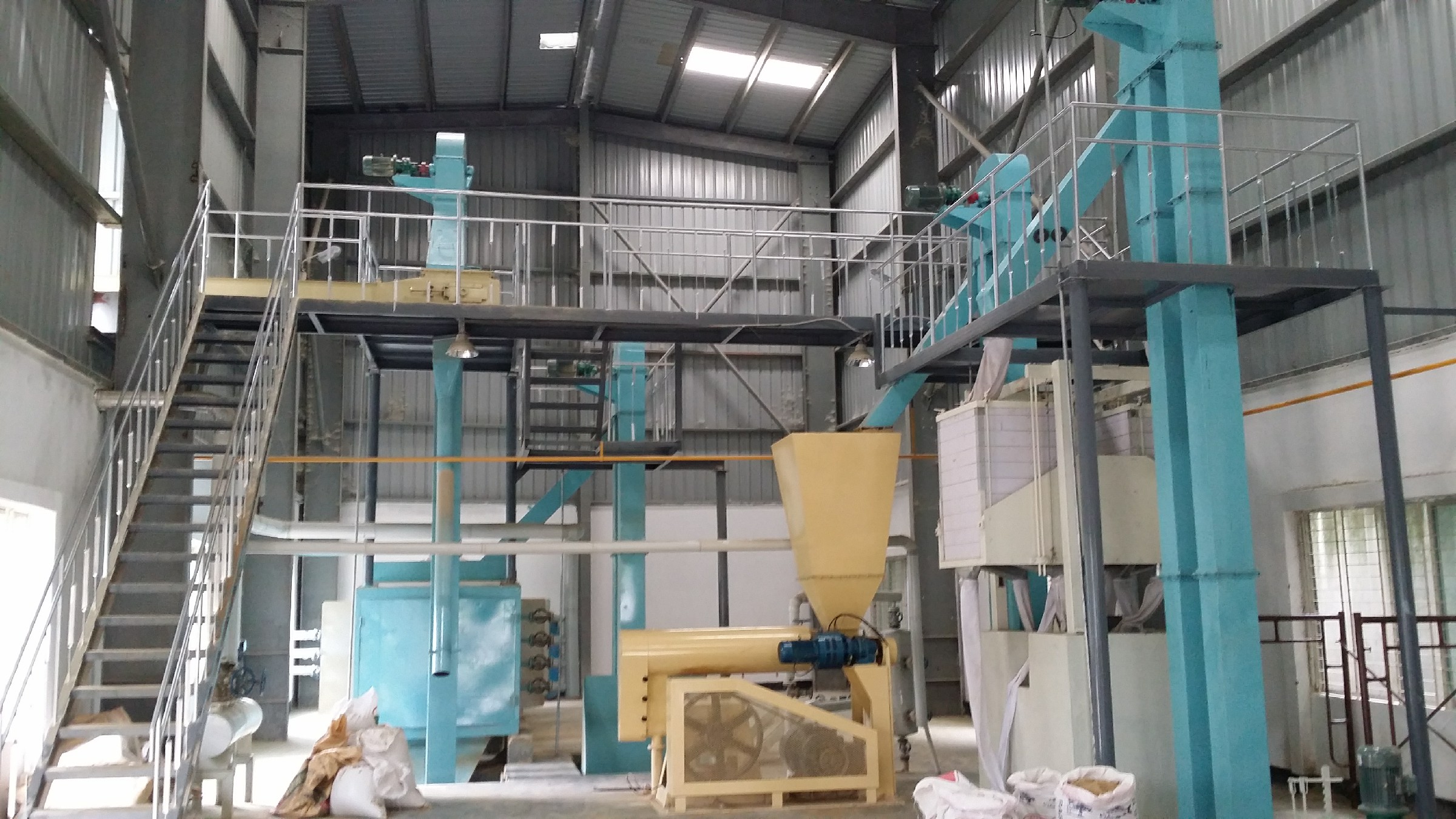
Importantly, sound after-sales service is critical for maintaining energy-efficient operations. Routine calibration and technical support ensure that automated and variable frequency components function at peak efficiency over time.