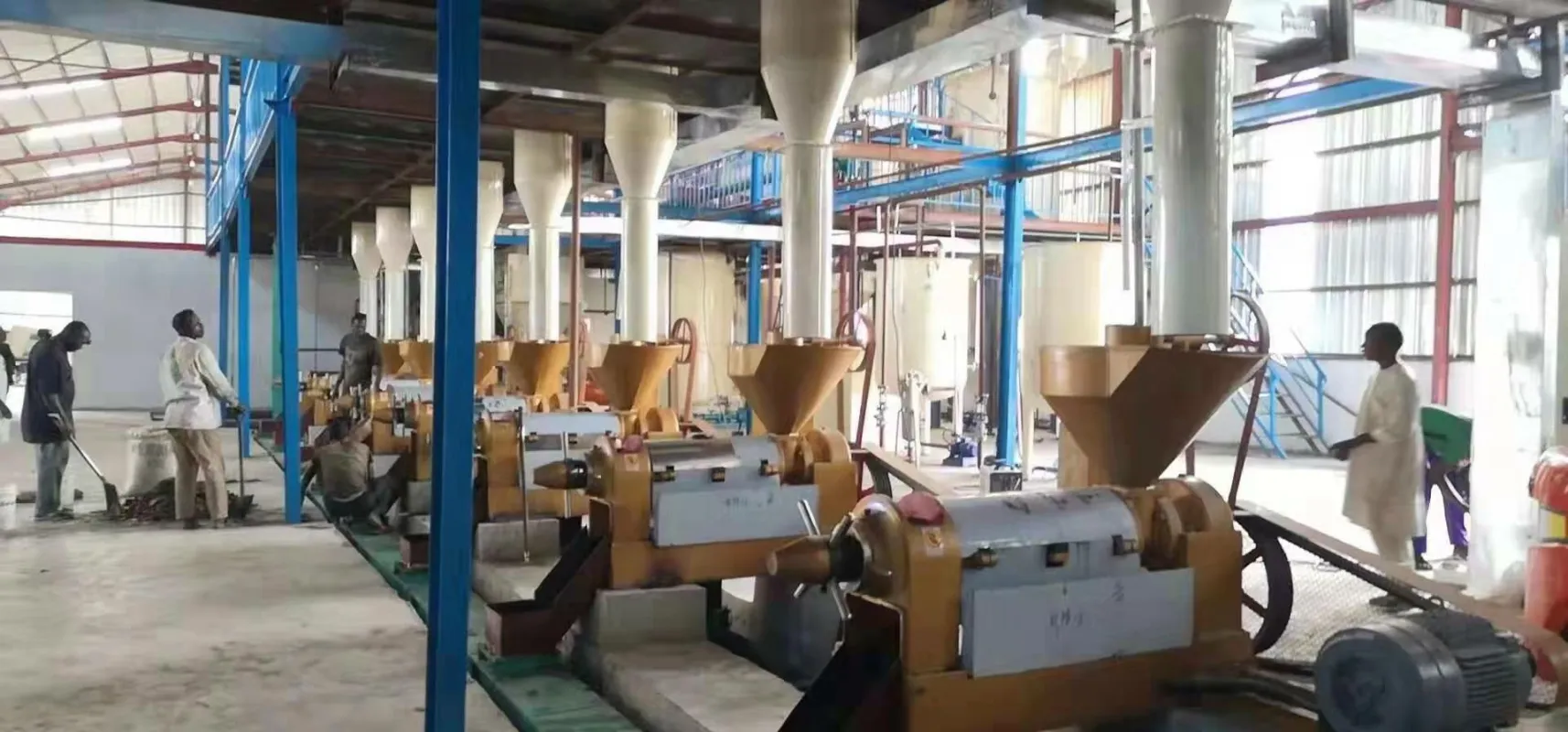
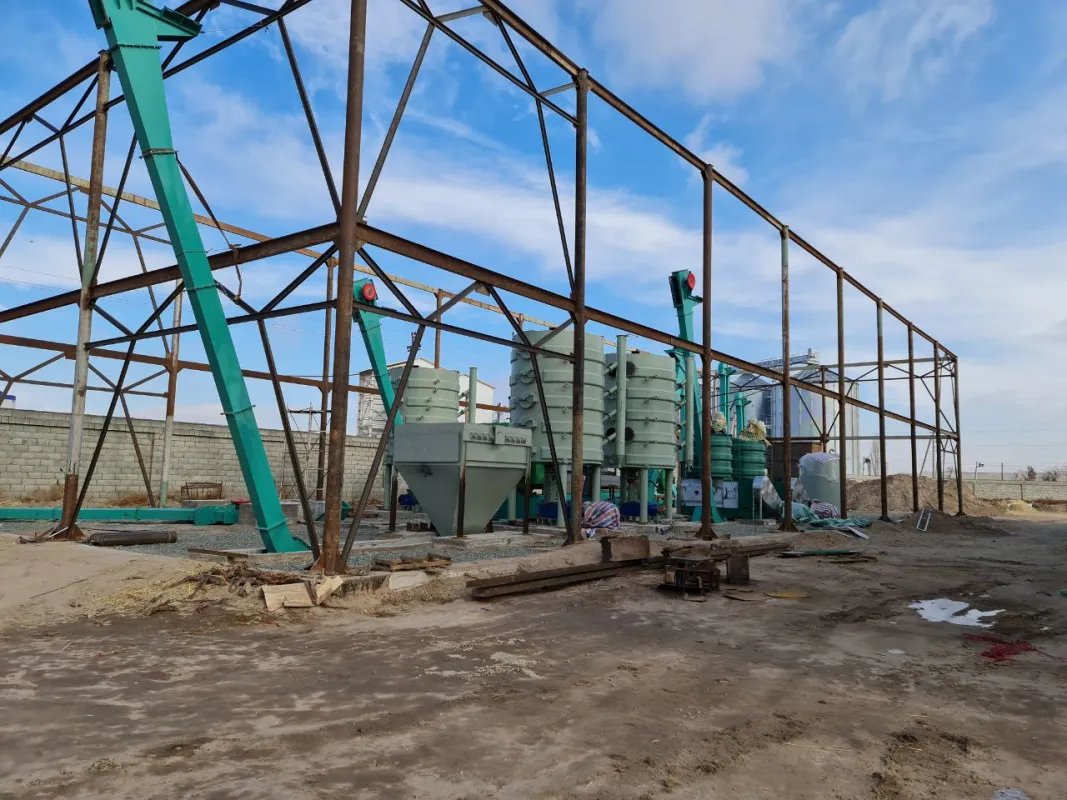
For global investors and food processors looking to enter the sesame oil market—especially in regions like Southeast Asia, the Middle East, and North America—the foundation of success lies not just in product quality but in smart production planning. A well-designed sesame oil line doesn’t only boost yield—it reduces energy costs, ensures consistency, and builds brand trust with international buyers.
Many new entrants overlook the importance of matching equipment capacity with actual demand. For example, a small-scale plant (50–100 kg/hour output) using oversized presses often sees up to 30% wasted energy due to inefficient load balancing. Our data from pilot facilities shows that selecting a screw press with variable speed control (like those in the Penguin Group’s high-purity extraction system) can reduce motor power consumption by 18–22% compared to fixed-speed models.
The key? Seamless integration across five stages: cleaning → drying → pressing → filtering → bottling. Each step must be optimized—not in isolation, but as part of an interconnected workflow. Automation at critical points (e.g., automated oil level sensors in filters) minimizes human error and increases throughput by up to 25%, especially important when targeting export markets where consistency is non-negotiable.

In today’s carbon-conscious global trade environment, sustainability isn’t just ethical—it’s economic. Consider this: a typical sesame oil plant without heat recovery uses ~12 kWh/kg of oil produced. With a modern thermal recuperation system (such as the one used in Penguin Group’s systems), energy use drops to ~8.5 kWh/kg—a 30% improvement. That’s not just savings—it’s a competitive edge when bidding for contracts in Europe or Japan.
Additionally, variable frequency drives (VFDs) on motors allow precise speed adjustments based on real-time load. In practice, this means no more “overworking” pumps or conveyors during low-volume periods. One client in Malaysia reported saving over $4,200 annually per machine after switching to VFD-controlled systems.
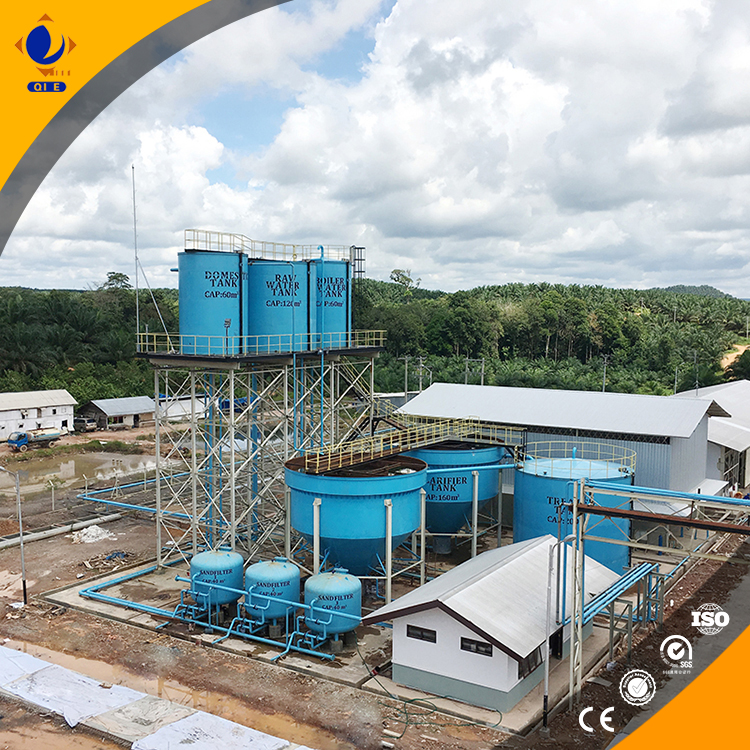
A family-run processor in Nigeria started with a 70 kg/hour setup using outdated machinery. After retrofitting with Penguin Group’s modular system—including automated pre-cleaning, efficient drying, and integrated filtration—they increased daily output from 1.2 tons to 2.1 tons while cutting electricity bills by 27%. Within six months, they secured their first EU export order—a testament to how technical upgrades translate into commercial wins.
What made the difference? Not just better machines—but structured support. That’s why we emphasize post-installation training, remote diagnostics, and 24/7 spare parts availability. Whether you're in Egypt, Brazil, or Vietnam, our team ensures your line runs smoothly from day one—and beyond.
Let us help you design a future-proof production line tailored to your volume, budget, and export goals—with proven efficiency gains and full-service support.
Explore Penguin Group's High-Purity Sesame Oil Extraction Systems*All figures are based on field-tested results from clients in 2023–2024. Actual performance may vary depending on local conditions and usage patterns.