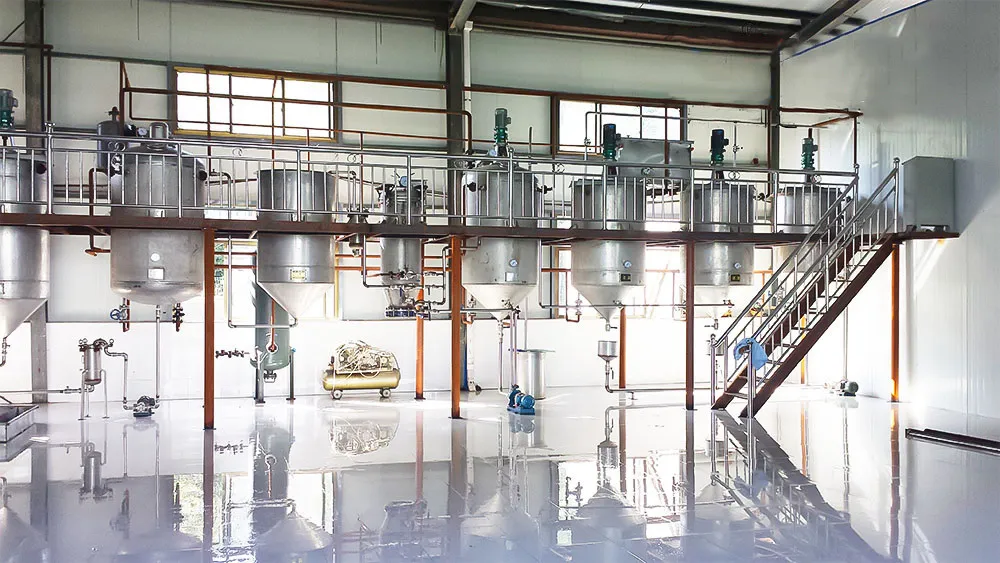
Edible Oil Processing Project Planning
Planning an edible oil production line requires more than selecting individual machines. The configuration should match the oilseed characteristics, required product quality, target capacity, available utilities, environmental conditions, and investment plan. Qi'e Grain and Oil Machinery Co., Ltd. supports international oil processing projects with oil pressing equipment, oil production line equipment, oil refining equipment, installation, commissioning, and technical service.
A reliable equipment configuration begins with a clear understanding of the project. The following factors influence the design of an edible oil production line and help prevent unnecessary equipment investment:
Identify the seed or kernel, moisture condition, impurity level, oil content, storage characteristics, and seasonal availability.
Clarify whether the target is crude oil, filtered edible oil, refined oil, or a bottled finished product.
Define the expected processing volume, operating schedule, automation level, available labor, and future expansion plans.
Review the factory layout, power and water availability, storage requirements, ventilation, waste handling, and local compliance conditions.
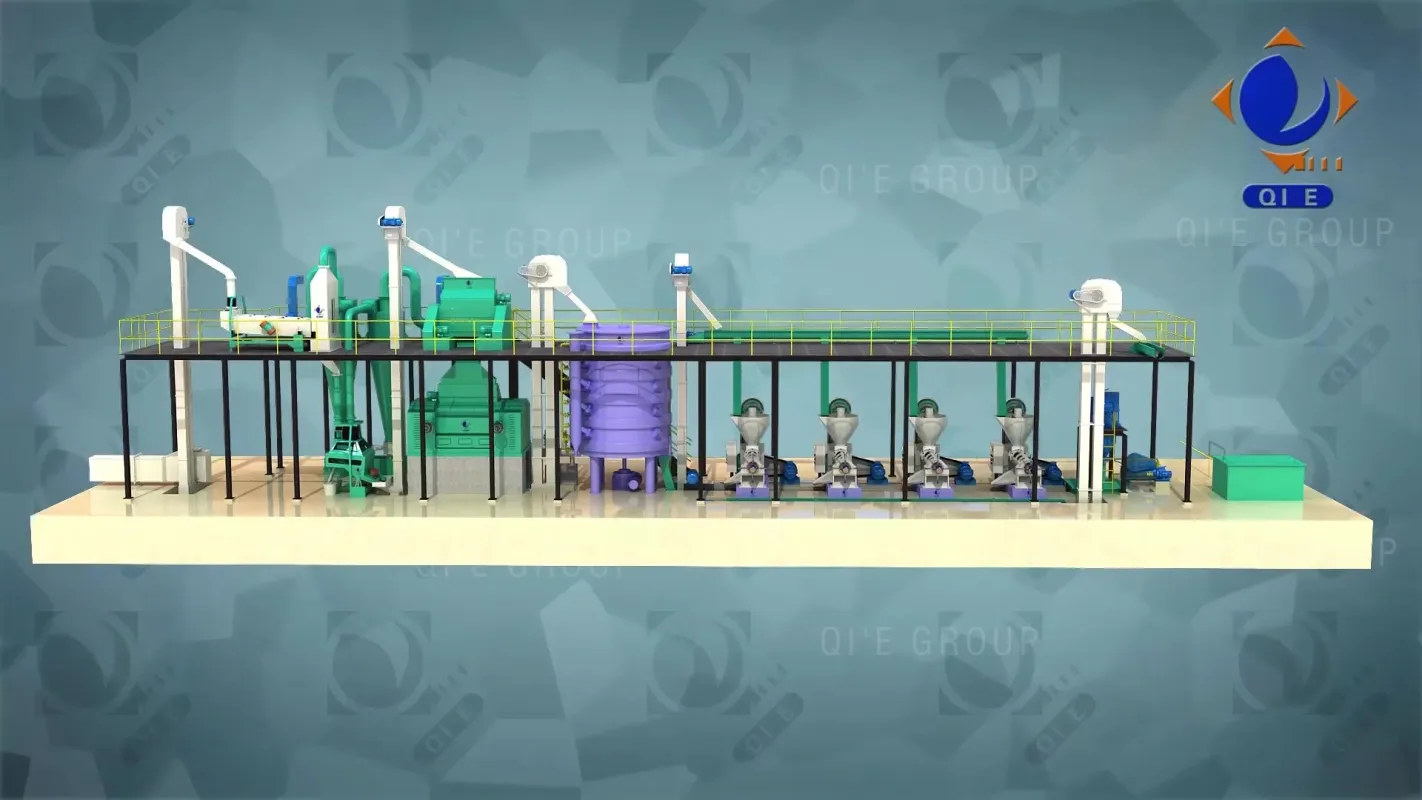
Sesame oil processing is one example of how raw material characteristics determine line configuration. A sesame oil production line can integrate the following core stages:
These stages can be planned as an integrated, enclosed processing system to support hygienic production and consistent handling. The final configuration should be confirmed according to the desired capacity, product specification, raw material condition, and local operating requirements.
| Module | Planning Purpose | Key Considerations |
|---|---|---|
| Pretreatment | Prepare the raw material for stable downstream processing. | Cleaning, drying, raw material condition, and process continuity. |
| Pressing or Extraction | Separate oil from the prepared oilseed using a suitable processing method. | Oilseed type, required output, operating method, and automation level. |
| Filtration | Reduce impurities and support the required appearance and quality of the oil. | Oil characteristics, filtration requirements, maintenance access, and product destination. |
| Refining | Provide additional treatment when the project requires refined edible oil. | Product specification, process route, utilities, environmental systems, and investment scope. |
| Bottling and Handling | Connect processed oil with storage, packaging, and delivery operations. | Packaging format, hygiene management, storage arrangement, and market requirements. |
A production line should be sized for the actual project objective rather than selected only by headline capacity. Oversized equipment may increase the initial investment and utility requirements, while an undersized line can restrict production continuity and future growth.
Product quality is influenced by every stage of the process, from raw material receiving to final filtration and packaging. For sesame oil and other edible oils, planning should include controlled material flow, suitable equipment materials, enclosed handling where appropriate, and clear inspection points.
Cleaning, drying, pressing, filtration, and refining requirements should be connected into a consistent process sequence.
The use of quality materials and accessible maintenance points supports dependable operation and practical maintenance management.
Energy consumption, emissions, waste handling, ventilation, and local environmental requirements should be reviewed during the design stage.
A standard equipment combination may not fit every oil processing project. Customization is especially useful when the customer has a specific sesame oil product, different raw material conditions, a defined factory footprint, or a plan to combine pressing, filtration, refining, and bottling.
Qi'e Grain and Oil Machinery Co., Ltd. develops and supplies oil pressing equipment, oil production line equipment, and edible oil refining equipment for customers in Asia, Africa, South America, and other international markets. Its sesame oil production solutions can cover cleaning, drying, pressing, filtration, and bottling, with equipment selection adapted to the project’s requirements.
Beyond machinery supply, Qi'e provides project-oriented support including line design, equipment installation, commissioning, personnel training, and technical service. This approach helps customers evaluate the relationship between process design, product quality, energy use, maintenance, and investment before implementation.
Planning principle: the most suitable edible oil production line is the one that fits the raw material, product specification, capacity objective, factory conditions, and long-term operating plan as a complete system.