Optimizing Cottonseed Oil Purity: Enhancing Crude Oil Quality Through Automated Cleaning and Dehulling
Unstable crude cottonseed oil purity often stems from pre-treatment challenges. This article provides an in-depth analysis of how automated cleaning and dehulling systems improve process consistency by efficiently removing impurities, precisely controlling moisture, and mechanically dehulling cottonseeds. These advancements contribute to a significant increase in oil yield (+3% to 5%) while reducing reliance on manual labor. Drawing on practical industry cases, common issues such as clogging and material flow regulation are addressed, offering actionable solutions to help establish a stable and efficient cottonseed oil production line.

Cracking the Code of Cottonseed Oil Pretreatment: How Automated Cleaning & Dehulling Boost Crude Oil Purity
In the competitive realm of cottonseed oil processing, the purity and consistency of crude oil are paramount. Often, fluctuations in oil quality trace back to hiccups within the pretreatment phase. This article explores how automated cleaning and dehulling systems revolutionize pretreatment by efficiently removing impurities, optimizing moisture content, and delivering high dehulling rates—directly impacting oil yield and quality.
Why Pretreatment Matters in Enhancing Cottonseed Crude Oil Purity
Pretreatment serves as the frontline of refining cottonseed before pressing. It sets the stage for oil extraction by cleansing seeds of physical impurities, balancing moisture content, and extracting hulls efficiently. A refined pretreatment line can increase crude oil purity by reducing contaminants such as dirt, sticks, stones, and broken seed shells that otherwise degrade oil quality and complicate downstream processes.
Three Core Steps of Automated Cleaning and Dehulling Systems
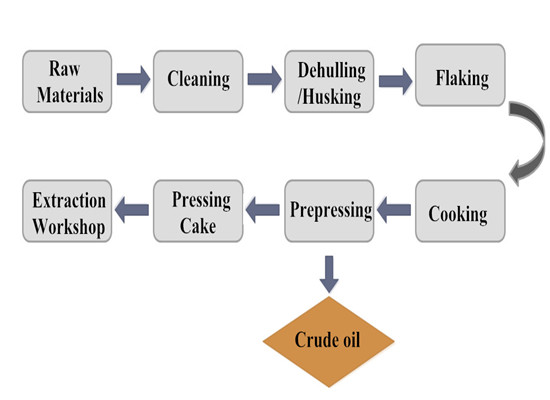
The highly integrated automated systems combine mechanical precision and smart controls into three sequential phases:
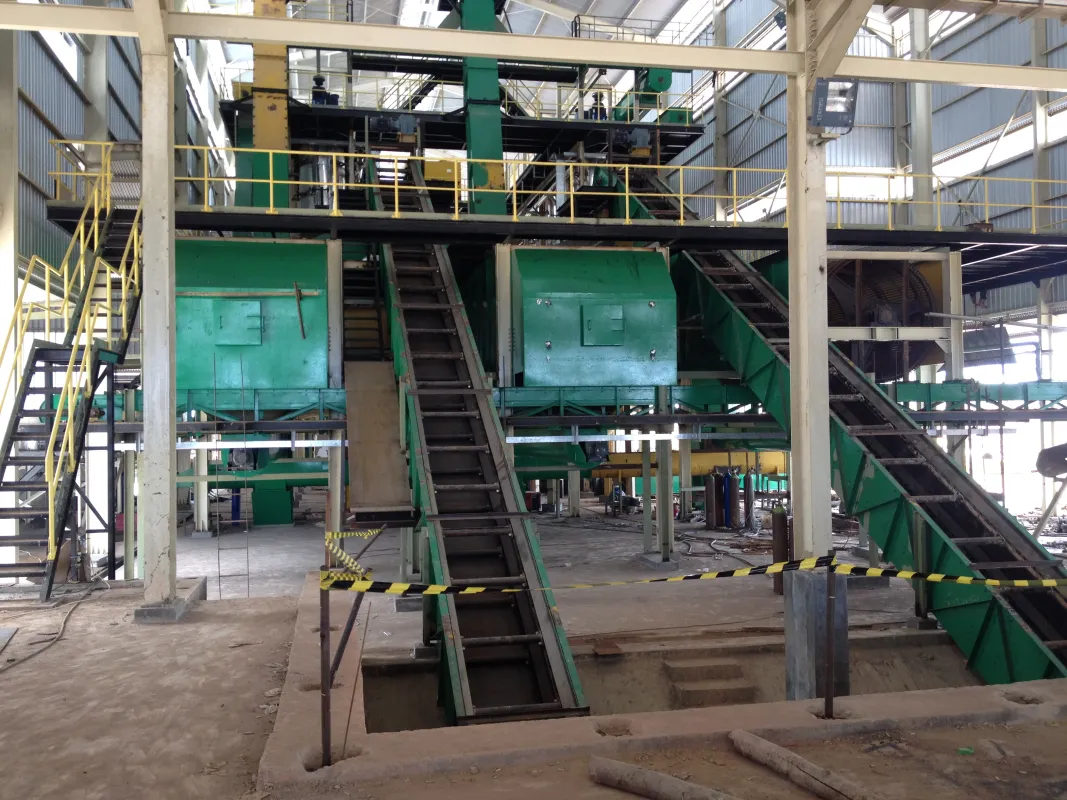
- Impurity Removal: Utilizing vibratory screens, aspirators, and magnetic separators, the system rapidly filters out foreign materials and oversized debris to ensure a clean seed feed.
- Moisture Management: Precise moisture adjustments stabilize seed conditions within 7-9% humidity—optimal for efficient pressing and hull separation. Automated dryers or conditioning modules maintain consistent water content, reducing kernel damage.
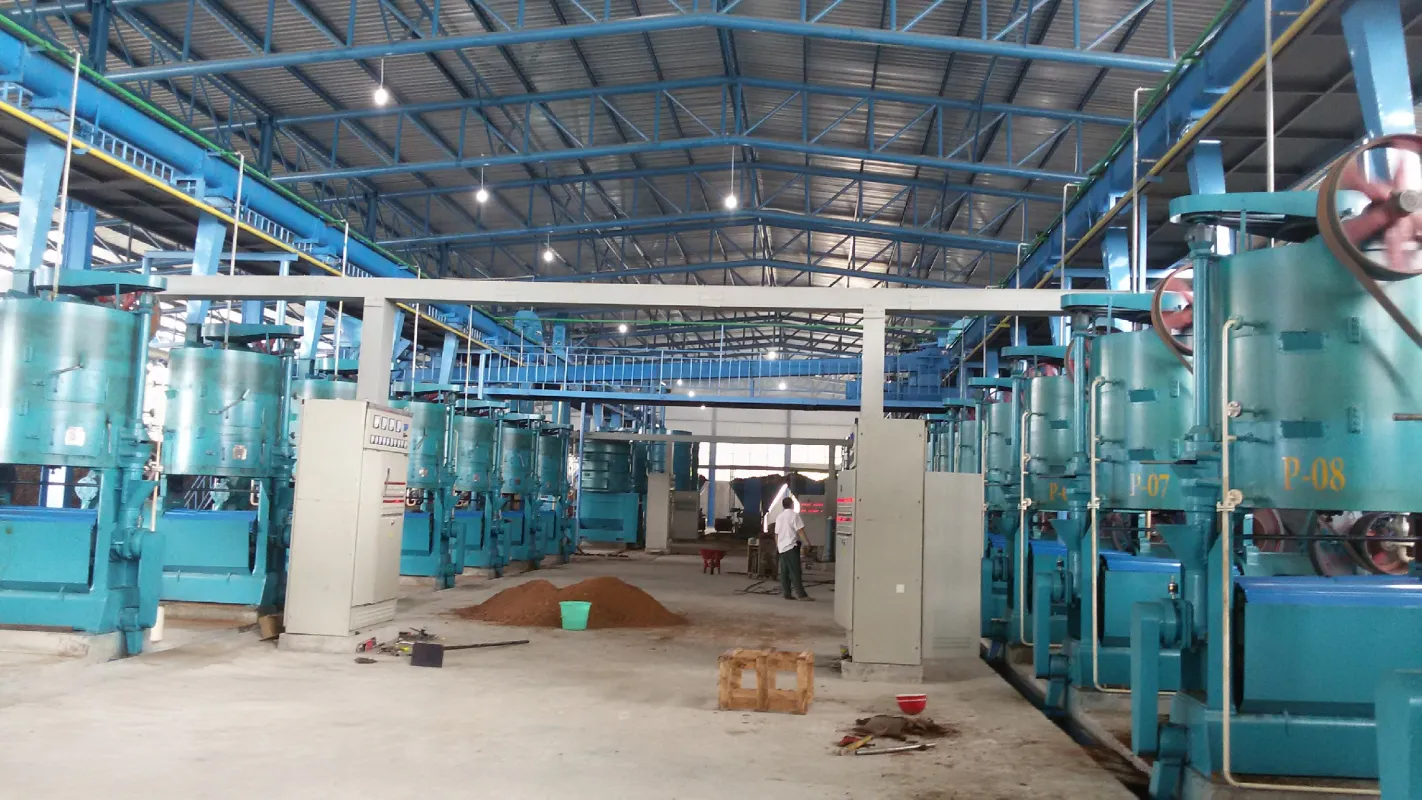
- High-Efficiency Dehulling: Mechanical dehullers equipped with adjustable rollers and abrasion surfaces remove seed hulls effectively without excessive kernel breakage, elevating dehulling rates beyond 85%, significantly better than manual methods.
These processes synergize to raise crude oil purity by an estimated 3% to 5% and improve oil yield, directly translating to higher operational profitability.
Traditional Manual vs. Automated Pretreatment: Data-Backed Advantages
Manual pretreatment often suffers from inconsistent impurity removal: up to 10-15% residual foreign matter remains, leading to gum formation and reduced oil clarity. Conversely, automated systems limit this to under 2%, ensuring stable downstream processing.
Moreover, manual methods rely heavily on labor input, averaging 15-20 workers per shift to maintain throughput, compared to automated systems that reduce labor needs by over 60%. This reduction lowers operational costs and human error risk.
Tackling Common Operational Challenges: From Blockages to Flow Rate Control
Even the best automated lines are not immune to challenges. Common issues include machine clogging, inconsistent material feed, and wear of abrasion-resistant parts. Strategies to mitigate these include:
- Proactive Blockage Prevention: Implementing sensors to detect pressure changes enables early blockage alerts, allowing timely cleaning cycles without halting production.
- Material Flowrate Optimization: Using adjustable vibratory feeders and real-time monitoring ensures uniform seed feed, avoiding bottlenecks and maintaining stable throughput.
- Scheduled Wear-Part Replacement: Adhering to manufacturer-recommended intervals for roller and screen maintenance minimizes unplanned downtime. Typical wear cycles range between 1,200 to 1,800 operational hours.
Real-World Case Insight: Automated Pretreatment in Action
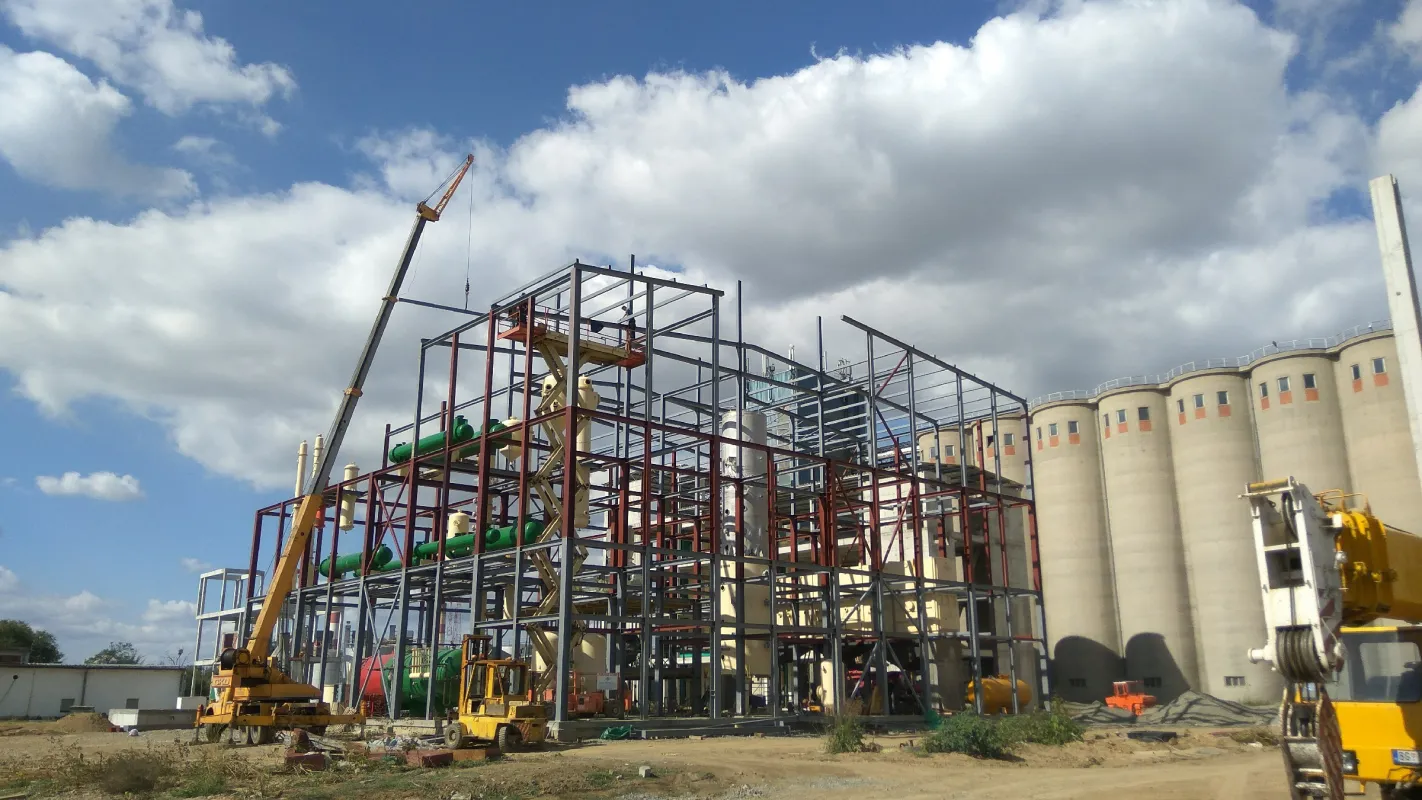
A leading cottonseed oil producer integrated a turnkey automated cleaning and dehulling line that resulted in a consistent 4% increase in crude oil yield within the first 6 months. Operational labor dropped by 65%, while product purity stabilized, reducing refining costs by 8%. This success underscored the tangible ROI of upgrading pretreatment infrastructure.
Practical Tips for Maximizing Your Pretreatment Performance
- Regularly calibrate moisture sensors to ensure precision in water content management.
- Train operators in quick troubleshooting techniques for mechanical dehullers.
- Implement an automated data logging system to monitor impurity levels and machine efficiency trends daily.
- Prioritize OEM components for durability and compatibility to extend equipment lifespan.
Wondering how your facility can overcome existing bottlenecks and boost cottonseed oil quality through automation? What specific pretreatment challenges are you facing today?
 Discover Advanced Automated Pretreatment Solutions → Download Technical Whitepaper