Home > News > Optimizing Continuous Sesame Oil Production for Small and Medium Food Processing Plants

Optimizing Continuous Sesame Oil Production for Small and Medium Food Processing Plants

2025-11-30
How can small to medium sesame oil producers achieve efficient, consistent, and high-quality output? This guide breaks down the entire sesame oil production process—from raw material cleaning to final filling—highlighting critical control points like moisture management, cold-press vs. hot-press techniques, and advanced filtration methods that boost purity. Real-world case studies and data-driven insights (e.g., 12% higher yield with optimized drying) support practical equipment selection and operational strategies tailored for limited space and budget. Learn how automation, energy efficiency, and process consistency can transform your facility’s performance.
营销主题配图_1752547291877.jpg

How to Optimize Continuous Sesame Oil Production for Small & Medium Food Processing Plants

If you're running a small or mid-sized sesame oil production line, achieving consistent quality, high yield, and energy efficiency is no small challenge — especially when space and budget are tight. But here’s the good news: with the right process control, equipment selection, and operational habits, even limited facilities can produce premium-grade sesame oil at scale.

Step-by-Step Process Optimization: From Raw Material to Final Packaging

Let’s break down each stage of your sesame oil workflow:

  • Raw Material Cleaning: Remove dust, stones, and moisture using a vibrating screen + air blast system. Moisture above 8% leads to lower extraction efficiency — aim for ≤6%.
  • Drying: Use low-temperature drum dryers (60–70°C) to preserve aroma compounds. Over-drying (>10%) causes oil degradation and increases energy use by up to 15%.
  • Pressing: For continuous operation, cold-pressing yields higher purity (up to 95%) but slower throughput. Hot-pressing (~120°C) boosts yield by ~12%, ideal for bulk output.
  • Filtration: A multi-stage filter press (mesh size 5–10 μm) removes solids and improves shelf life. One factory reported a 30% reduction in sediment after switching from cloth filters to ceramic cartridges.
  • Fill Line: Automated filling machines reduce waste and ensure uniform volume — critical for export compliance.
Process Step Key Metric Target Improvement
Moisture Control Water Content (%) From 9% → 6%
Filtration Method Oil Clarity (NTU) From 50 → 20 NTU
Energy Usage kWh/kg Oil From 0.8 → 0.5 kWh/kg
“In our experience, the biggest gains come not from expensive upgrades, but from mastering basic parameters like temperature control during pressing and consistent filtration cycles.” — Dr. Ahmed El-Sayed, Food Engineering Consultant, Egypt

Smart Equipment Selection for Smaller Facilities

For plants under 500 kg/h capacity, look for compact systems that integrate multiple functions — such as a combined drying + pressing unit — reducing footprint by up to 40%. Prioritize full-seal designs to prevent oxidation and contamination. Automation isn’t just about saving labor; it ensures repeatability, which is essential for meeting international food safety standards (like ISO 22000 or HACCP).

Real-world example: A Nigerian processor increased daily output from 80kg to 120kg by installing an automated cold-press system with integrated cooling loops — all within their existing 12m² workshop.
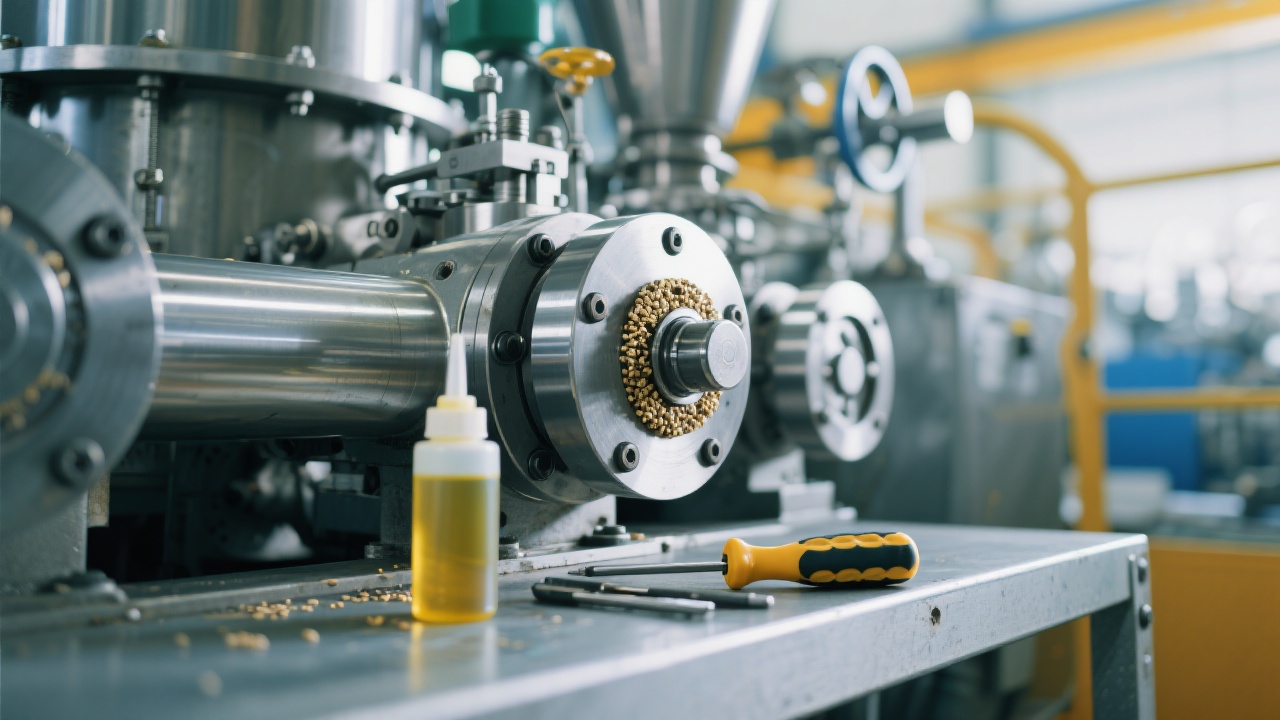
Simplified flowchart showing key stages in sesame oil production: cleaning, drying, pressing, filtering, and packaging

You don’t need a massive factory to run efficiently — you just need smart choices. Whether it's optimizing your drying time, choosing the right filter media, or automating the fill line, every improvement compounds over time.

Ready to Turn Your Small Plant into a High-Performance Operation?

Explore how Penguin Group’s modular, high-purity sesame oil extraction systems help small producers achieve consistent quality, reduced energy costs, and faster turnaround — without compromising on space or investment.

Get Your Customized Solution Today
Name *
Email *
Message*
Recommended Products