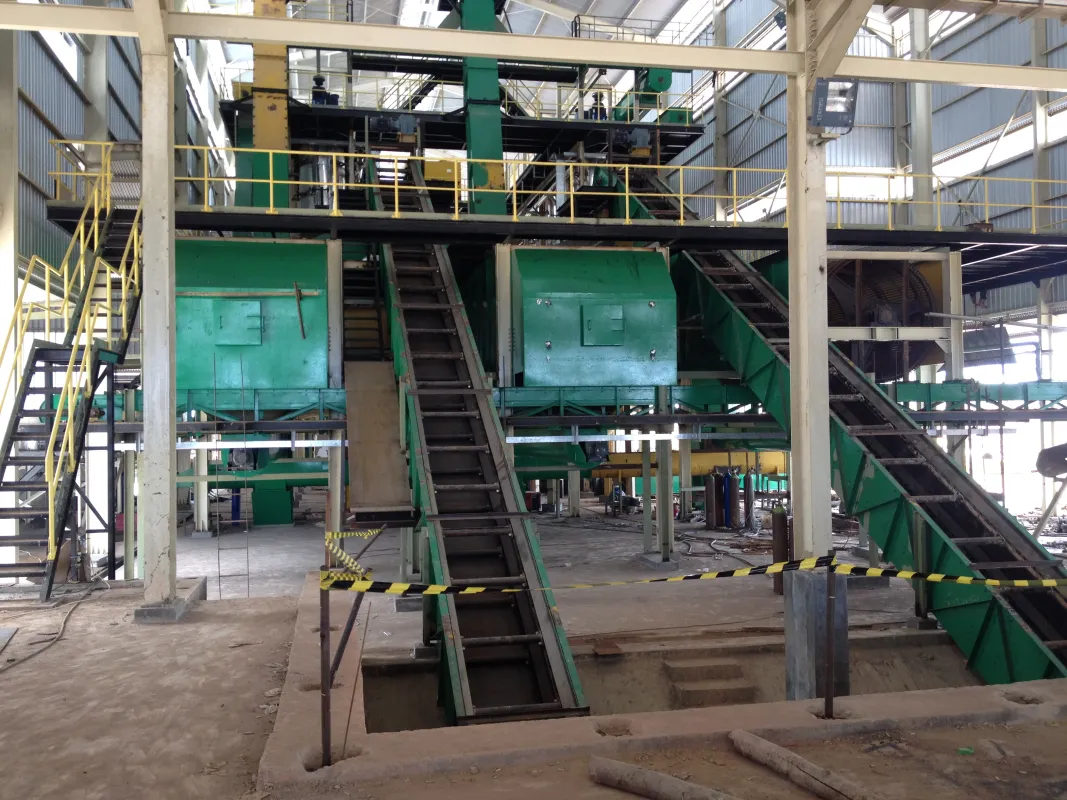
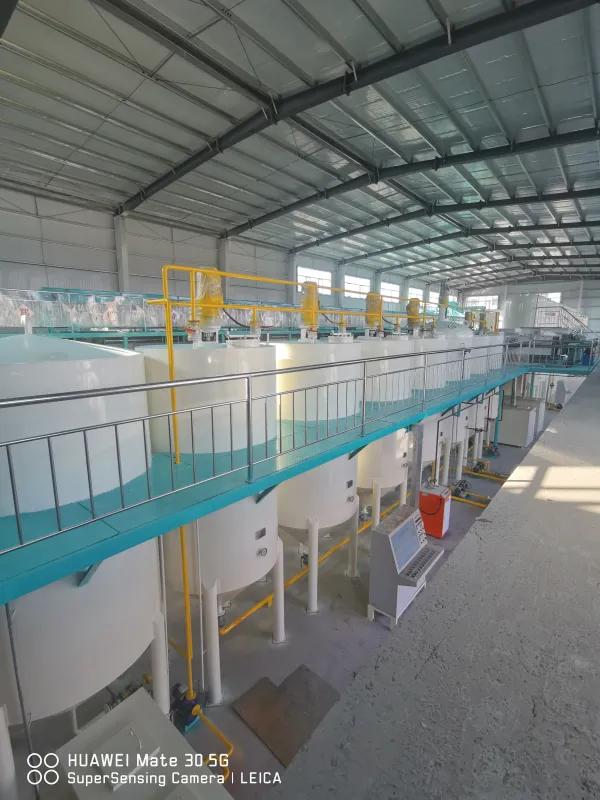
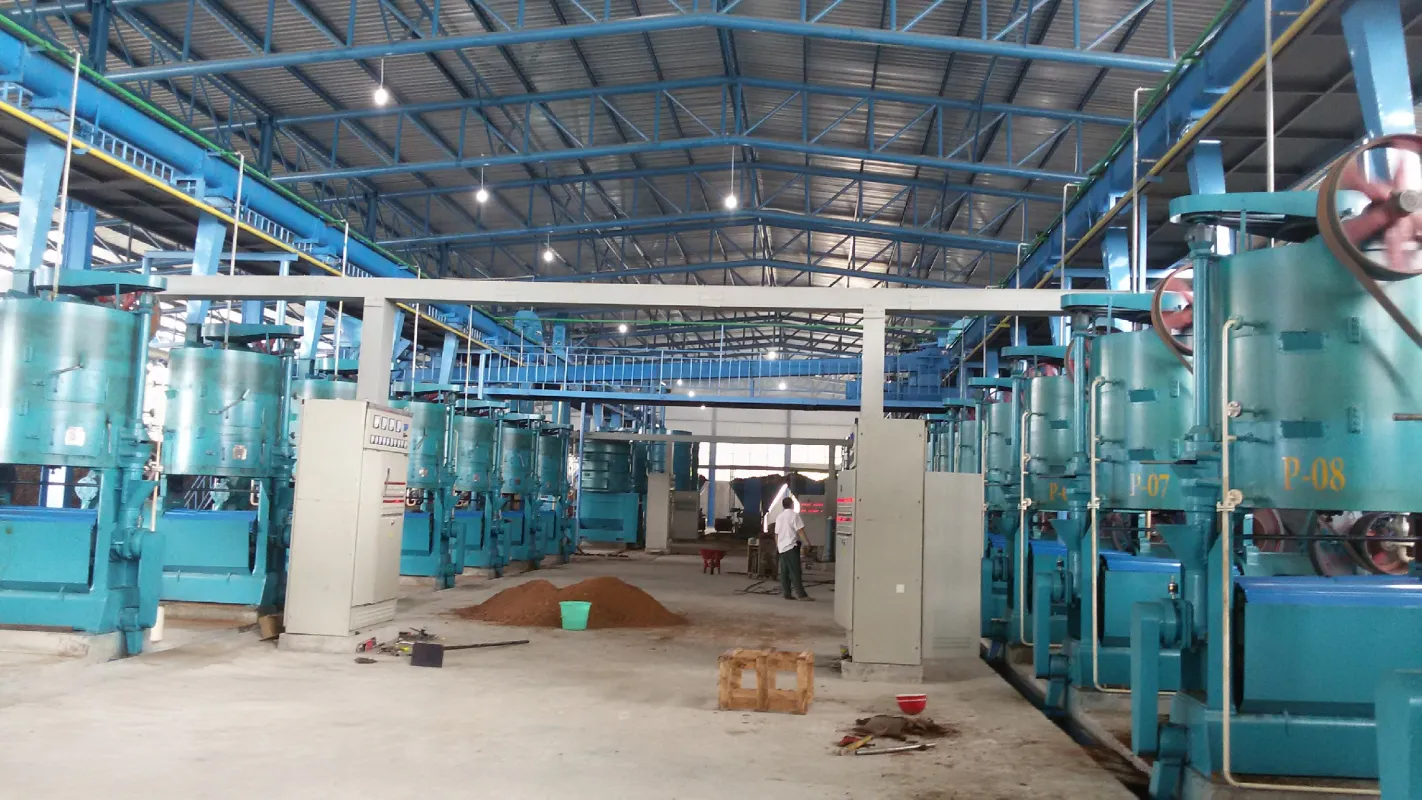
In the realm of rapeseed oil production, two prominent methods stand out: solvent extraction and traditional cold - pressing. This article dives deep into the application and advantages of solvent extraction technology, offering a thorough comparison with the traditional cold - pressing method.
Solvent extraction technology operates on a well - defined principle. It involves using a specific solvent to dissolve the oil from rapeseed. The choice of solvent is crucial, as it directly impacts the extraction efficiency and product quality. Commonly used solvents include hexane, which has a high solubility for oil and can achieve an extraction rate of up to 95% in ideal conditions. The process begins with the preparation of rapeseed, followed by the addition of the solvent. After a series of mixing and separation steps, the oil - solvent mixture is obtained. Then, through evaporation and distillation, the solvent is recovered, leaving behind pure rapeseed oil.
When comparing solvent extraction with traditional cold - pressing, several key factors come into play. In terms of extraction efficiency, cold - pressing typically has a lower extraction rate, usually around 70 - 80%. This means that a significant amount of oil remains in the rapeseed cake after pressing. On the other hand, solvent extraction can extract almost all the oil, maximizing the yield. Regarding product purity, solvent - extracted oil generally has fewer impurities and a more consistent quality. Cold - pressed oil, while often considered more "natural," may contain small amounts of solids and other substances.
Safety is a top priority in rapeseed oil production. Solvent extraction requires strict adherence to safety operation regulations. The solvents used are often flammable and volatile, so proper storage, handling, and ventilation are essential. Additionally, an efficient solvent recovery process is crucial not only for cost - effectiveness but also for environmental protection. Modern solvent recovery systems can achieve a recovery rate of over 90%, reducing waste and environmental pollution.
In the industry, many companies have faced common problems during the production process. For example, some may encounter issues with solvent residue in the final product or low extraction efficiency due to improper solvent selection. By analyzing real - world case studies, we can find effective solutions. For instance, a company that adjusted its solvent ratio and improved its extraction process saw a 15% increase in oil extraction rate and a significant reduction in solvent residue.
One of the concerns in rapeseed oil production is the preservation of nutritional value. Solvent extraction technology, when properly implemented, can effectively protect the nutritional components of the oil, such as vitamins and unsaturated fatty acids. This makes the final product more suitable for the high - end market, where consumers value both quality and health benefits.
To meet the diverse learning needs of different audiences, we offer a variety of content forms, including technical whitepapers, professional articles, video tutorials, and common Q&A sections. These resources provide in - depth knowledge about rapeseed oil production technology.
QIE Group rapeseed oil production line integrates the latest solvent extraction technology, ensuring high - efficiency, high - quality production. Our production line is designed with safety and environmental protection in mind, and it has been proven to significantly improve production efficiency in multiple real - world applications. If you are a technical expert or a procurement decision - maker looking to enhance your rapeseed oil production, don't miss out on this opportunity. Contact us now to learn more about QIE Group advanced rapeseed oil production line!