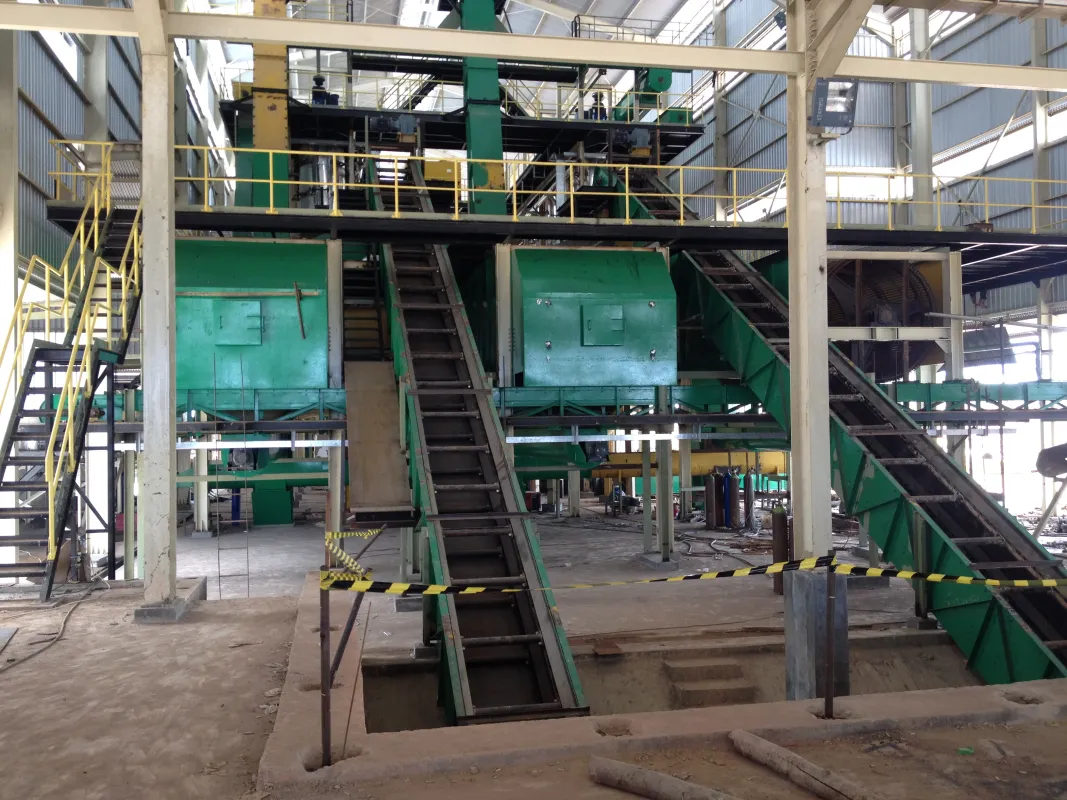
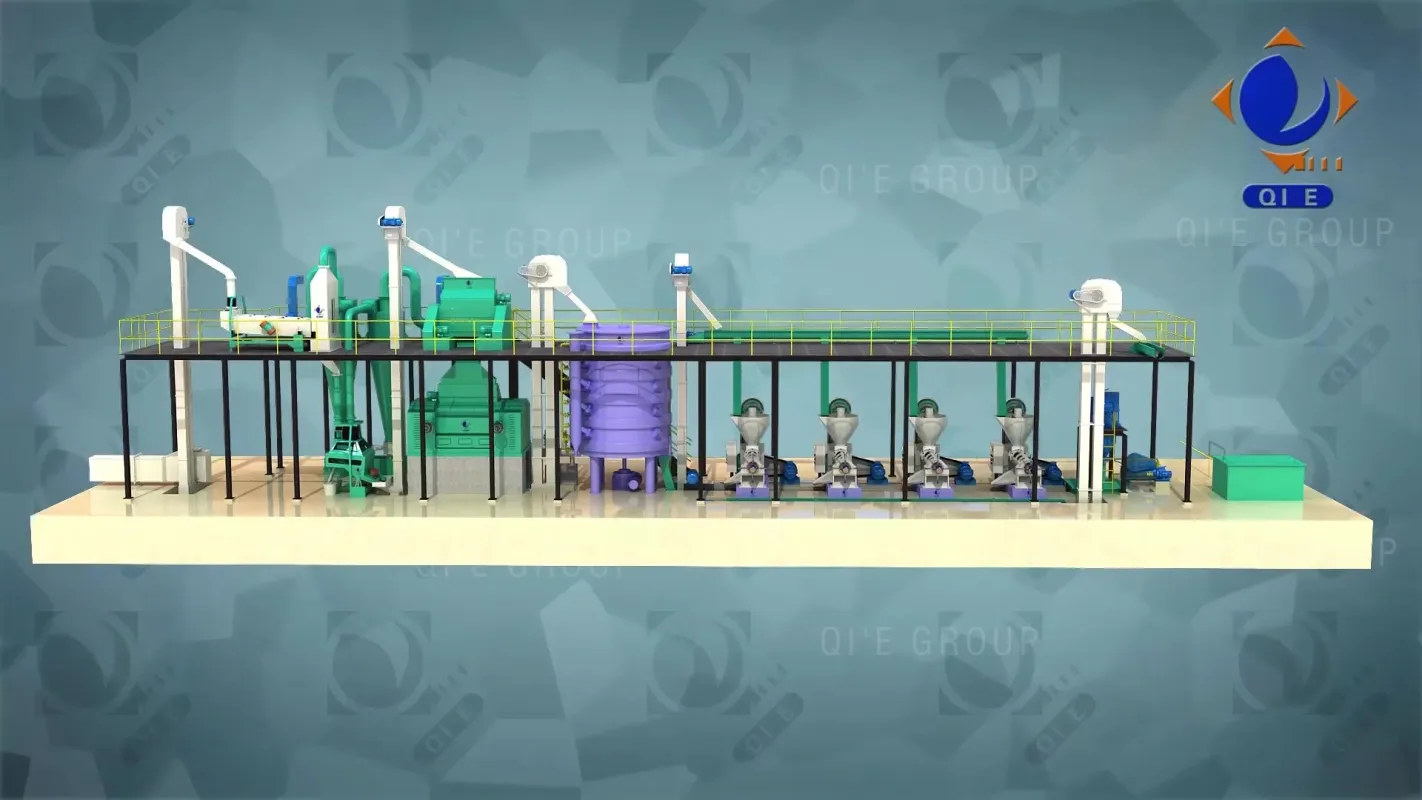
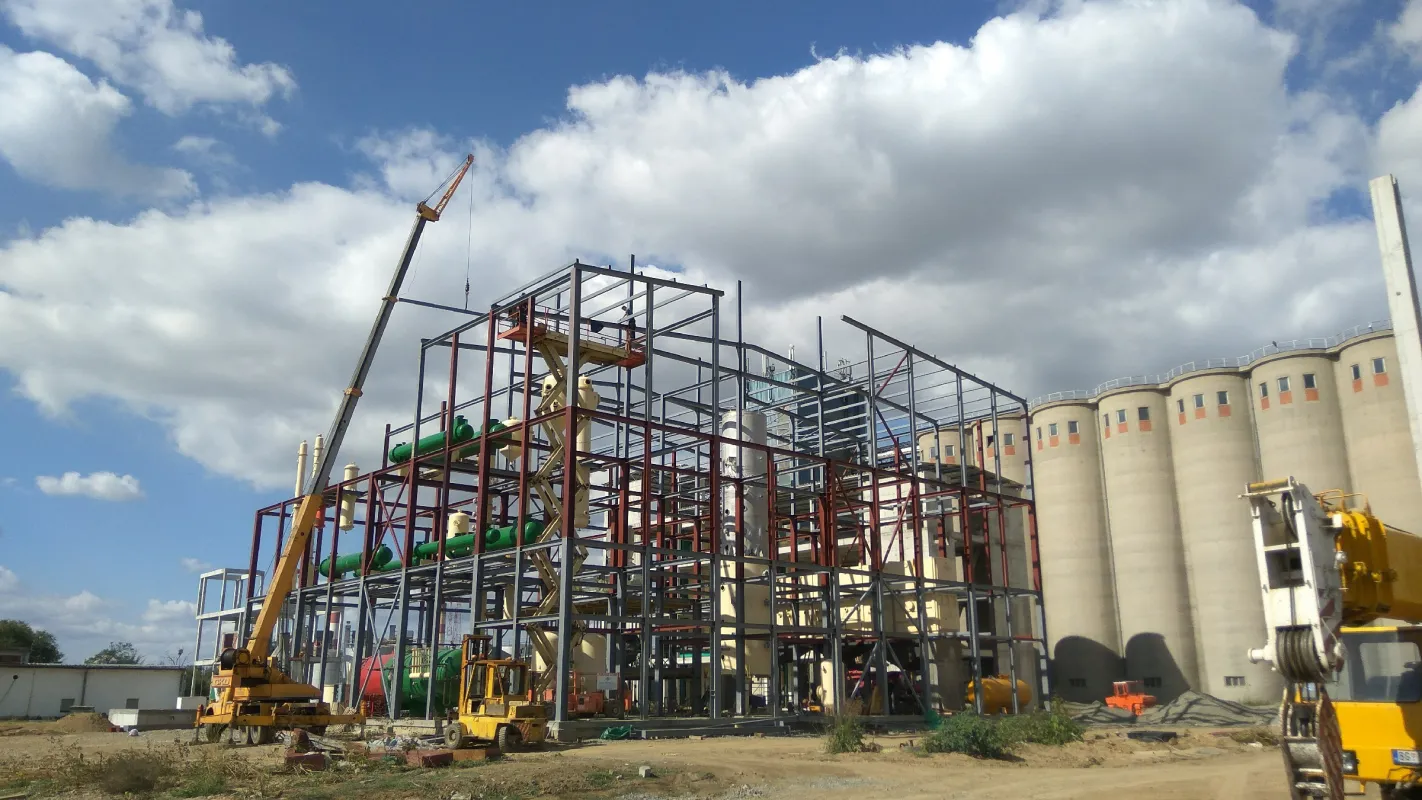
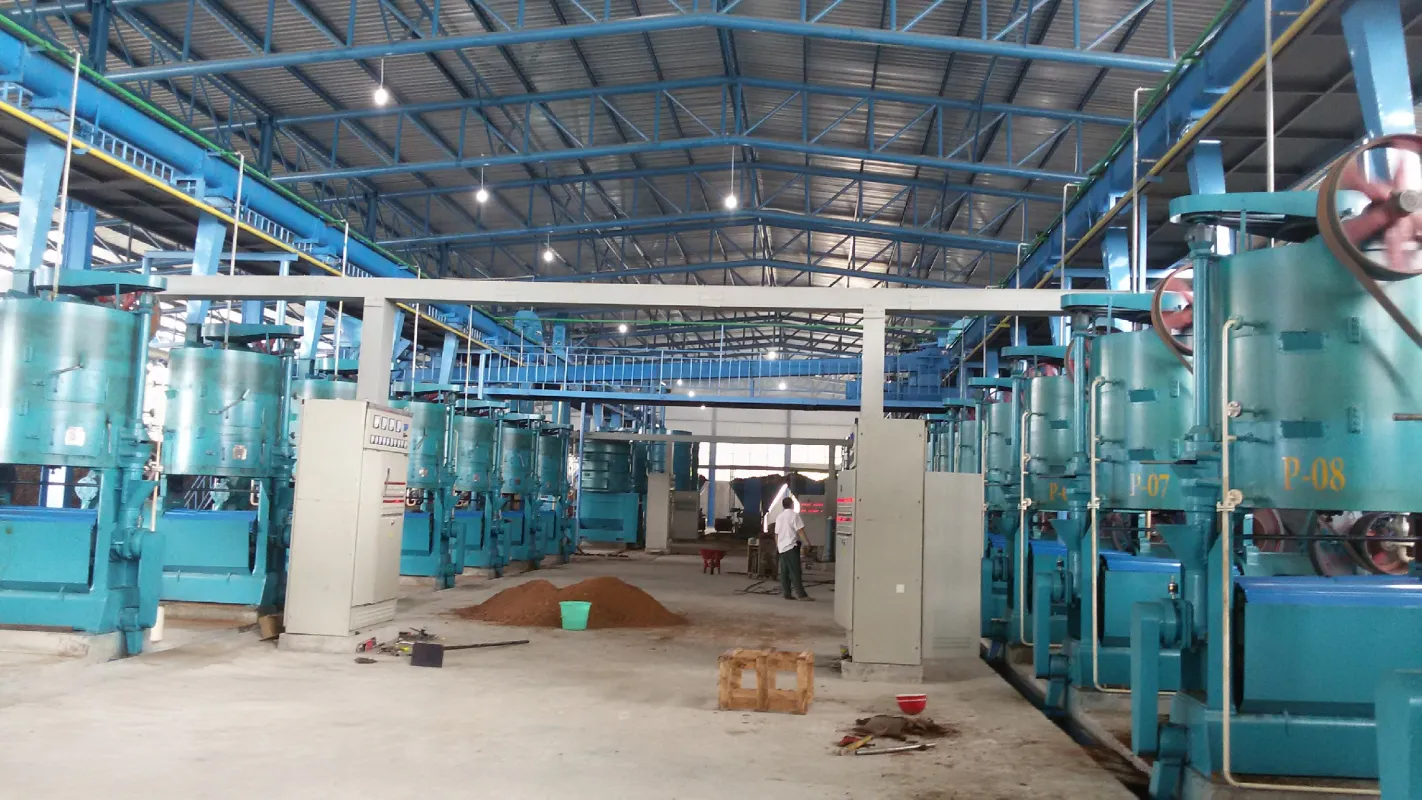
Solvent extraction is a sophisticated process in rapeseed oil production. The choice of solvent is crucial, as it directly affects the extraction efficiency and the quality of the final product. Commonly used solvents include hexane, which has excellent solubility for oil. The extraction process starts with the selection of high - quality solvents. After the solvent is mixed with the rapeseed, it dissolves the oil, forming a miscella. Then, through a series of separation processes, the oil is separated from the solvent. The solvent recovery process is also an important part of the whole system. Efficient solvent recovery can not only reduce production costs but also minimize environmental impact. For example, advanced distillation techniques can achieve a solvent recovery rate of up to 95%, which significantly reduces the consumption of new solvents.
| Comparison Items | Cold Pressing | Solvent Extraction |
|---|---|---|
| Oil Yield | Typically around 30 - 35%, depending on the quality of rapeseed | Can reach 90 - 95%, significantly higher than cold pressing |
| Energy Consumption | Relatively low, as it only requires mechanical pressure | Higher, due to the need for heating and solvent recovery processes |
| Nutrient Retention | Better at retaining nutrients, as there is no high - temperature or chemical treatment | With proper control, can also retain a certain amount of nutrients, but may be slightly lower |
| Equipment Cost | Lower, mainly for simple pressing equipment | Higher, due to the complexity of solvent extraction and recovery equipment |
When using solvents in rapeseed oil production, safety and environmental protection are of utmost importance. According to ISO standards, the use of solvents must comply with strict safety regulations. For example, the concentration of solvents in the working environment should be strictly controlled to prevent potential health risks to workers. To ensure risk - controllable solvent use, proper ventilation systems should be installed in the production area. Additionally, waste solvents should be properly treated to meet environmental protection requirements. Through advanced waste treatment technologies, the emission of harmful substances can be reduced to a minimum, ensuring that the production process is both safe and environmentally friendly.
In the actual production process, there are often some common problems. One of the most important issues is the control of residual solvents. Excessive residual solvents can affect the quality and safety of the oil. To solve this problem, advanced evaporation and purification processes can be used. For example, by using multi - stage evaporation, the residual solvent content can be reduced to less than 10 ppm, which meets the strictest food safety standards. Another common problem is raw material pretreatment. Proper pretreatment, such as cleaning and crushing, can improve the extraction efficiency and reduce the occurrence of subsequent problems.
Both cold pressing and solvent extraction can retain certain nutritional values in rapeseed oil. Cold pressing, due to its low - temperature and mechanical nature, can well preserve vitamins and plant sterols. In solvent extraction, through proper process control, such as low - temperature extraction and short - time contact, the loss of active ingredients can be minimized. For example, by controlling the extraction temperature below 50°C, the retention rate of vitamin E can reach more than 80%, and the retention rate of plant sterols can reach more than 75%.
In the high - end edible oil market, consumers are increasingly demanding high - quality and nutritious rapeseed oil. This drives the need for process upgrading in the industry. Solvent extraction technology, with its high efficiency and controllability, is gradually becoming the preferred choice for large - scale production. B2B procurement decision - makers need to choose the appropriate rapeseed oil production line technology solution according to their own needs. Whether it is to pursue high oil yield or high - quality nutritional retention, they can find the most suitable solution through a comprehensive understanding of these two processes.
If you are looking for a customized rapeseed oil production line solution, Click here to consult us immediately.