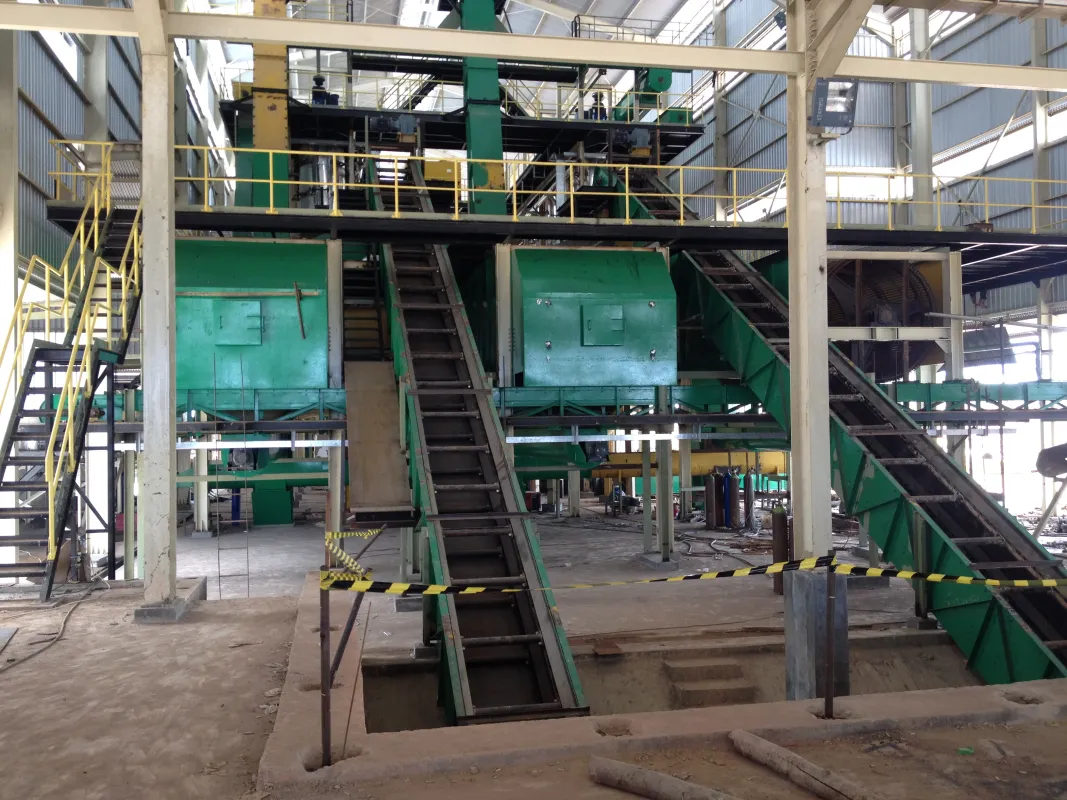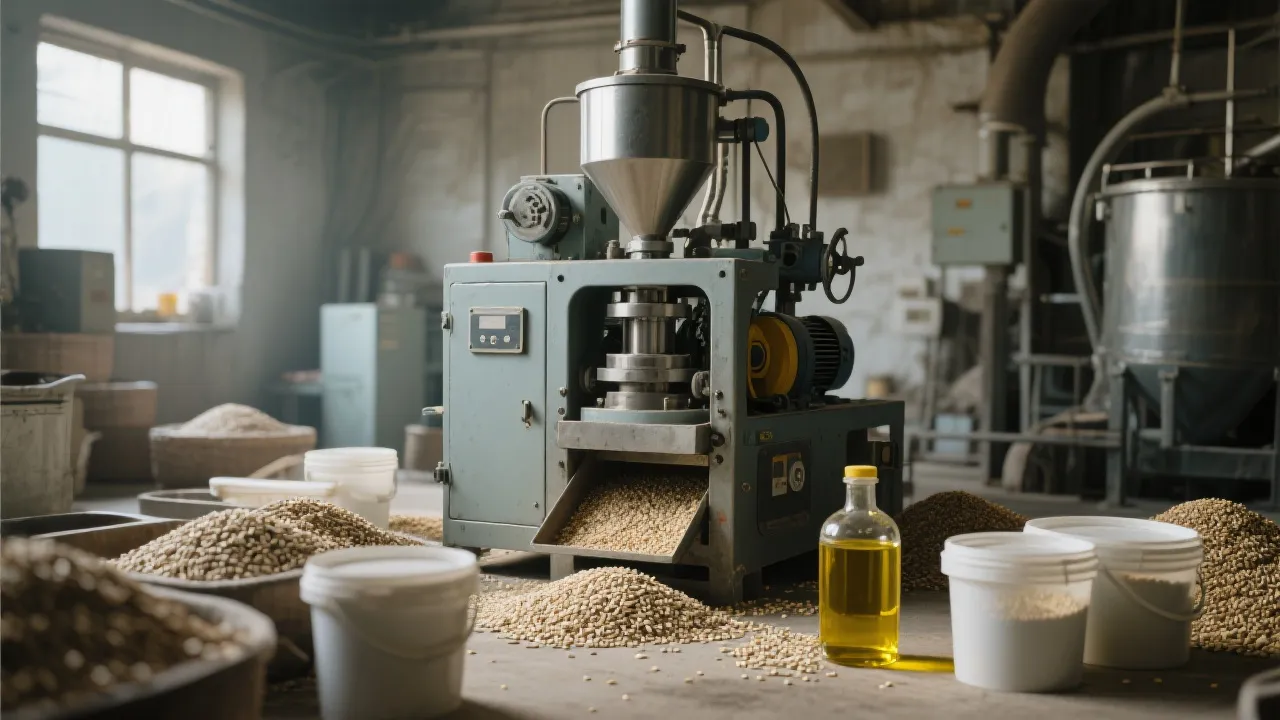
As a decision - maker in a small or medium - sized food processing enterprise, you're constantly seeking ways to efficiently extract high - purity sesame oil. This article will guide you through the entire process of sesame oil extraction, offering practical insights and solutions.
The extraction of sesame oil involves multiple steps, from cleaning and drying the raw materials to the final filling. Each step has its own key control points. For example, during the cleaning and drying process, ensuring the thorough removal of impurities and the appropriate moisture content of the sesame seeds is crucial. This directly affects the quality of the final product.
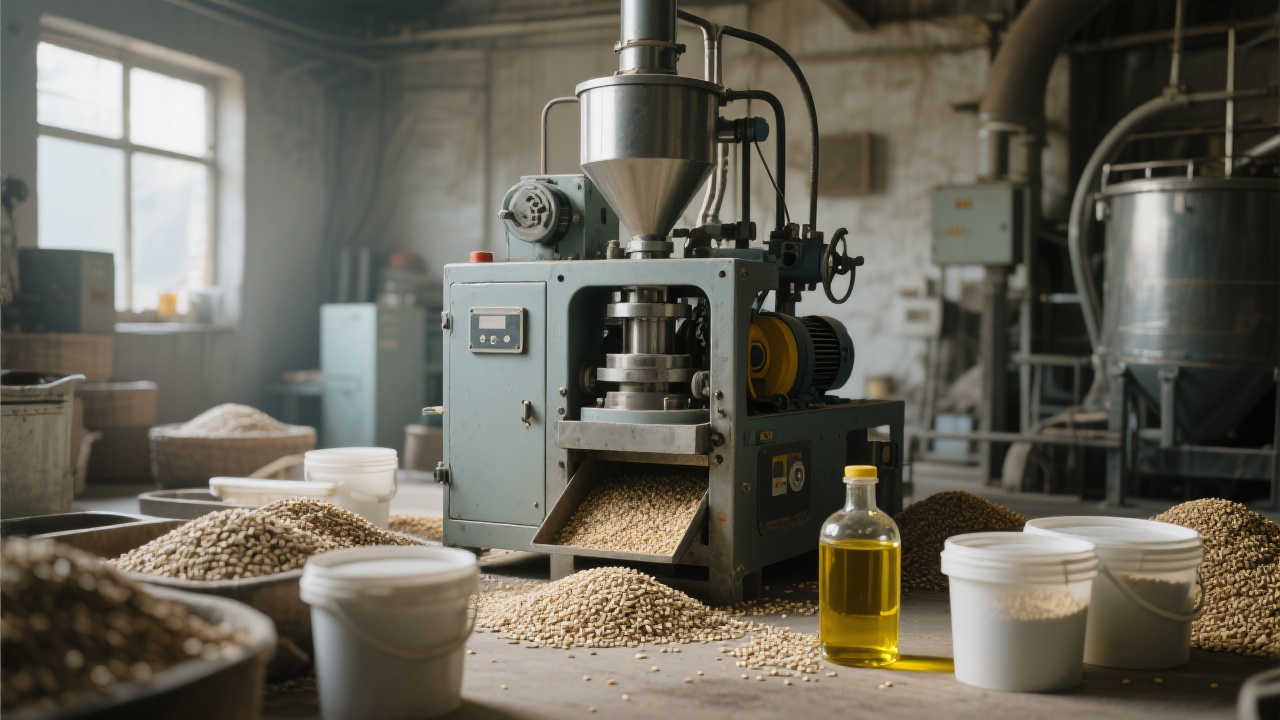
When it comes to extracting sesame oil, cold - pressing and hot - pressing are two common methods. These two processes have significant differences in flavor, nutrient retention, and oil yield, which in turn affect product positioning.
Flavor: Cold - pressed sesame oil has a milder and more natural flavor, as the low - temperature process doesn't destroy the delicate flavor compounds. In contrast, hot - pressed sesame oil has a stronger, more intense flavor due to the Maillard reaction during the high - temperature pressing.
Nutrient Retention: Cold - pressing better preserves the nutrients in sesame seeds, such as vitamin E and unsaturated fatty acids, because it operates at lower temperatures. Hot - pressing, however, may cause some nutrient loss due to the high heat.
Oil Yield: Generally, hot - pressing has a higher oil yield. For example, the oil yield of hot - pressing can reach about 45% - 50%, while cold - pressing usually has an oil yield of around 35% - 40%. But this also needs to be considered in combination with your product positioning. If you're targeting high - end, health - conscious consumers, cold - pressed oil with better nutrient retention might be a better choice.
| Process | Flavor | Nutrient Retention | Oil Yield |
|---|---|---|---|
| Cold - pressing | Milder, natural | Better | 35% - 40% |
| Hot - pressing | Stronger, intense | Some loss | 45% - 50% |
The filtration system plays a vital role in removing impurities and ensuring the purity of the finished product. A high - quality filtration system can effectively remove various impurities, such as residual solids and fine particles, from the crude oil. The better the filtration effect, the higher the purity of the final sesame oil.
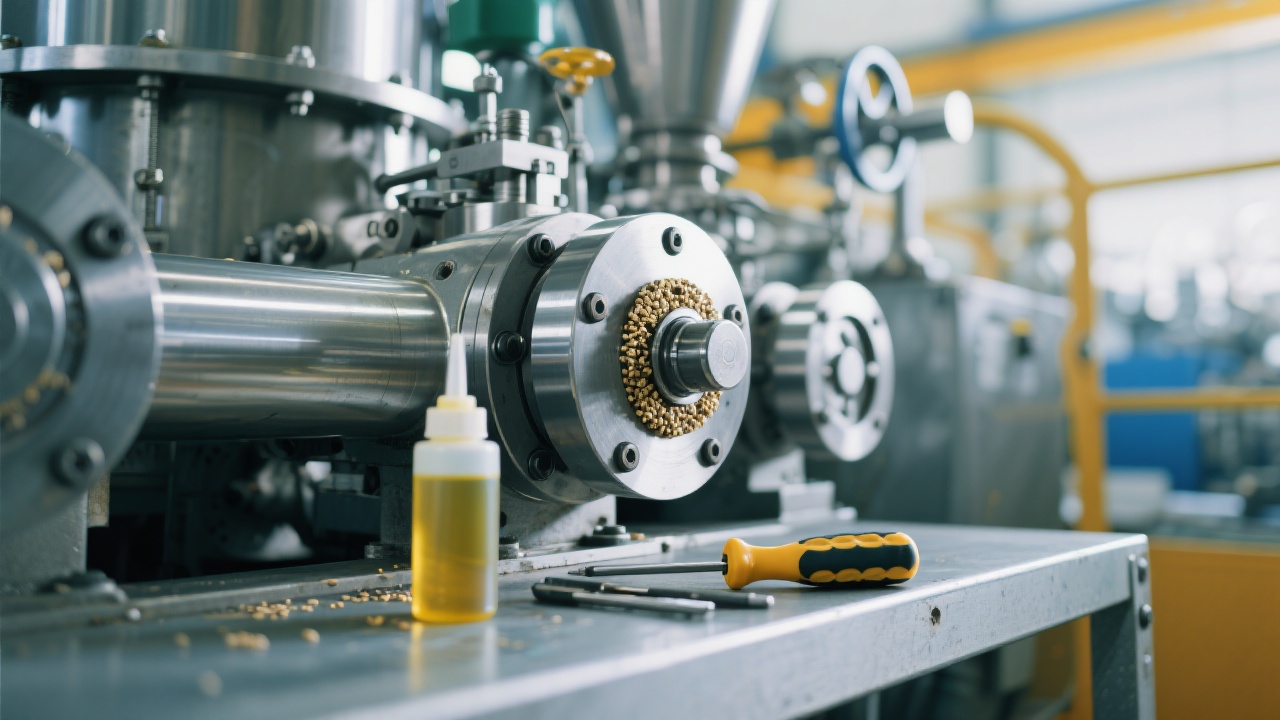
Considering the characteristics of small and medium - sized factories, such as limited space and budget, we recommend energy - saving, space - saving, and easy - to - maintain equipment configurations. For example, some compact and efficient oil presses and filters can meet the needs of small - batch production. These equipment not only have low energy consumption but also are easy to operate and maintain.
In practical production, energy consumption control and quality monitoring are crucial for continuous and consistent production. By studying real - world cases, we can learn some effective strategies. For example, some factories use intelligent control systems to adjust the operating parameters of equipment in real - time, thereby reducing energy consumption. At the same time, strict quality monitoring methods are used at each production stage to ensure the consistency of product quality.
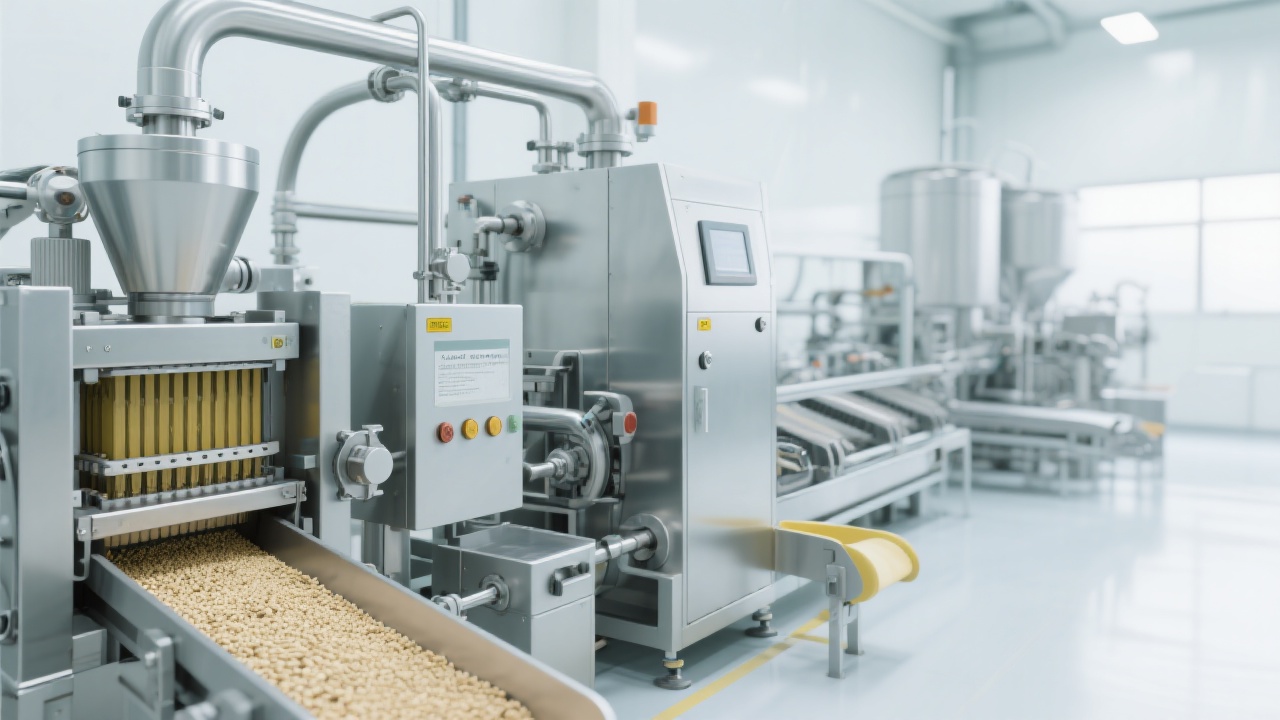
Industry experts have pointed out that "Proper selection of production processes and equipment is the key to improving the efficiency and quality of sesame oil production in small and medium - sized enterprises."
If you want to learn more about high - purity sesame oil extraction and are interested in optimizing your production process, the QIE Group high - purity sesame oil extraction system is worth exploring. Click here to get a free technical consultation or book an on - site demonstration, and take your sesame oil production to the next level!