For global food processors and oil manufacturers, choosing the right canola oil extraction method isn’t just about yield—it’s about preserving nutritional integrity, ensuring consistent quality, and meeting international safety standards. This article breaks down two dominant production techniques—cold pressing and solvent extraction—with real-world insights on how each impacts final product value, operational efficiency, and long-term equipment performance.
Before any extraction begins, raw canola seeds must undergo cleaning, drying, and conditioning. According to a 2023 study by the International Journal of Food Engineering, improper pre-treatment can reduce oil yield by up to 8% and increase oxidation risk in finished products. Proper moisture control (typically 6–8%) and temperature management (< 40°C) are critical for both methods but especially vital in cold-pressed systems where thermal degradation is avoided entirely.
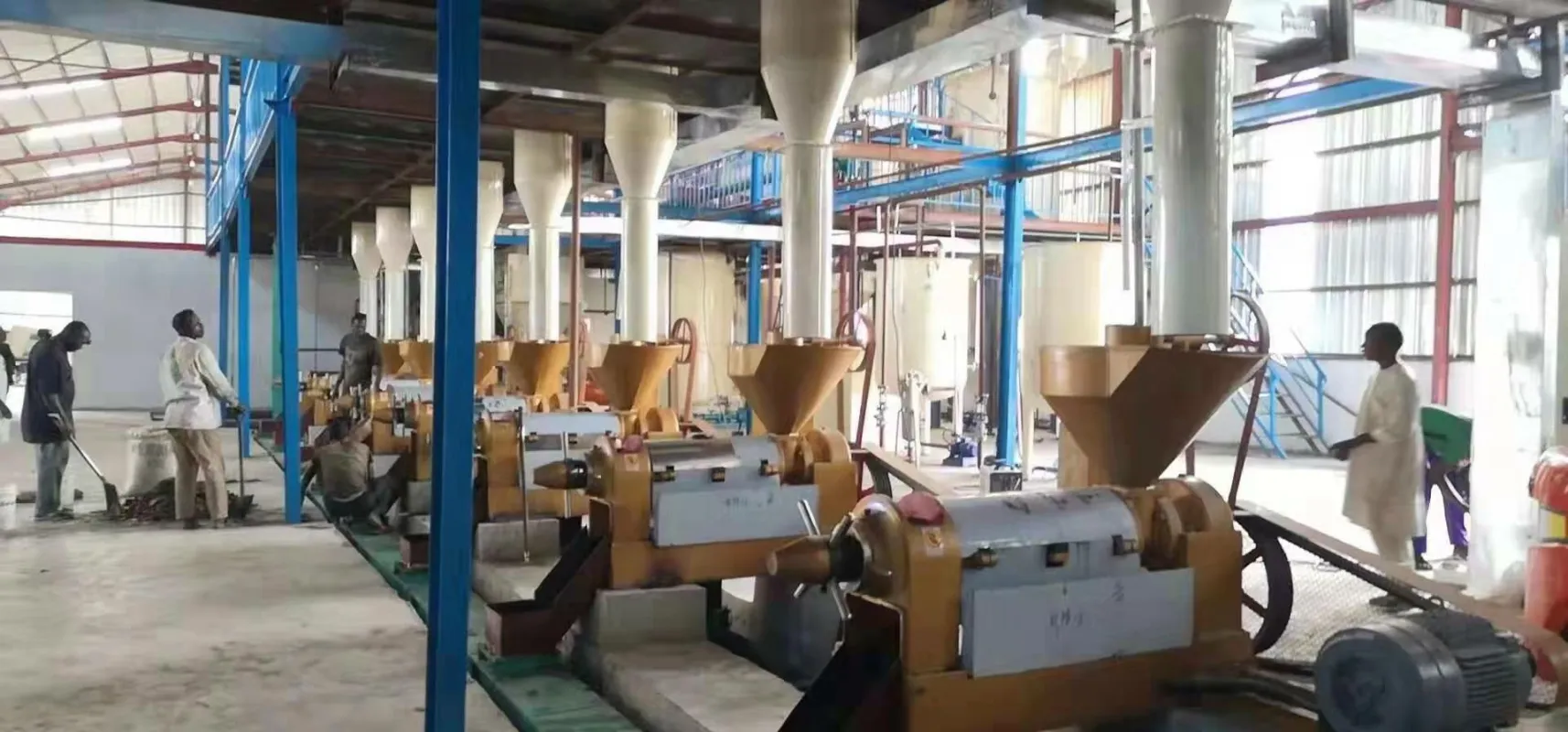
Cold pressing uses mechanical pressure at temperatures below 40°C to extract oil without heat or chemicals. It retains higher levels of natural antioxidants like vitamin E (tocopherols), omega-3 fatty acids, and phytosterols—key selling points for health-conscious markets such as North America and Western Europe. On average, cold-pressed canola oil retains 92–95% of its original tocopherol content compared to 75–80% in solvent-extracted versions.
However, cold pressing typically yields lower throughput (~65–70% oil recovery per ton of seed) and requires more frequent maintenance due to mechanical stress on screw presses and filters. Modern PLC-controlled systems now help stabilize output variability within ±3%, improving consistency across batches.
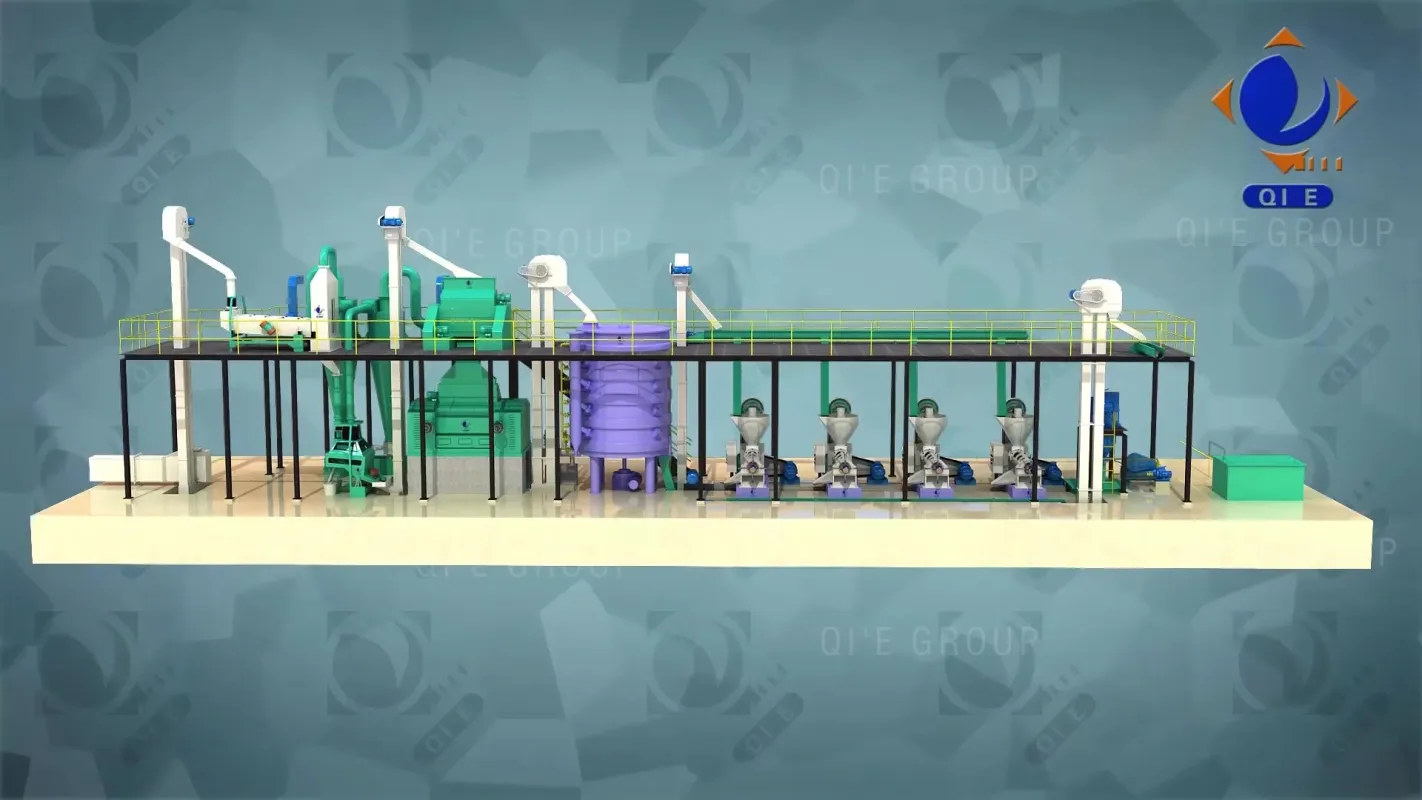
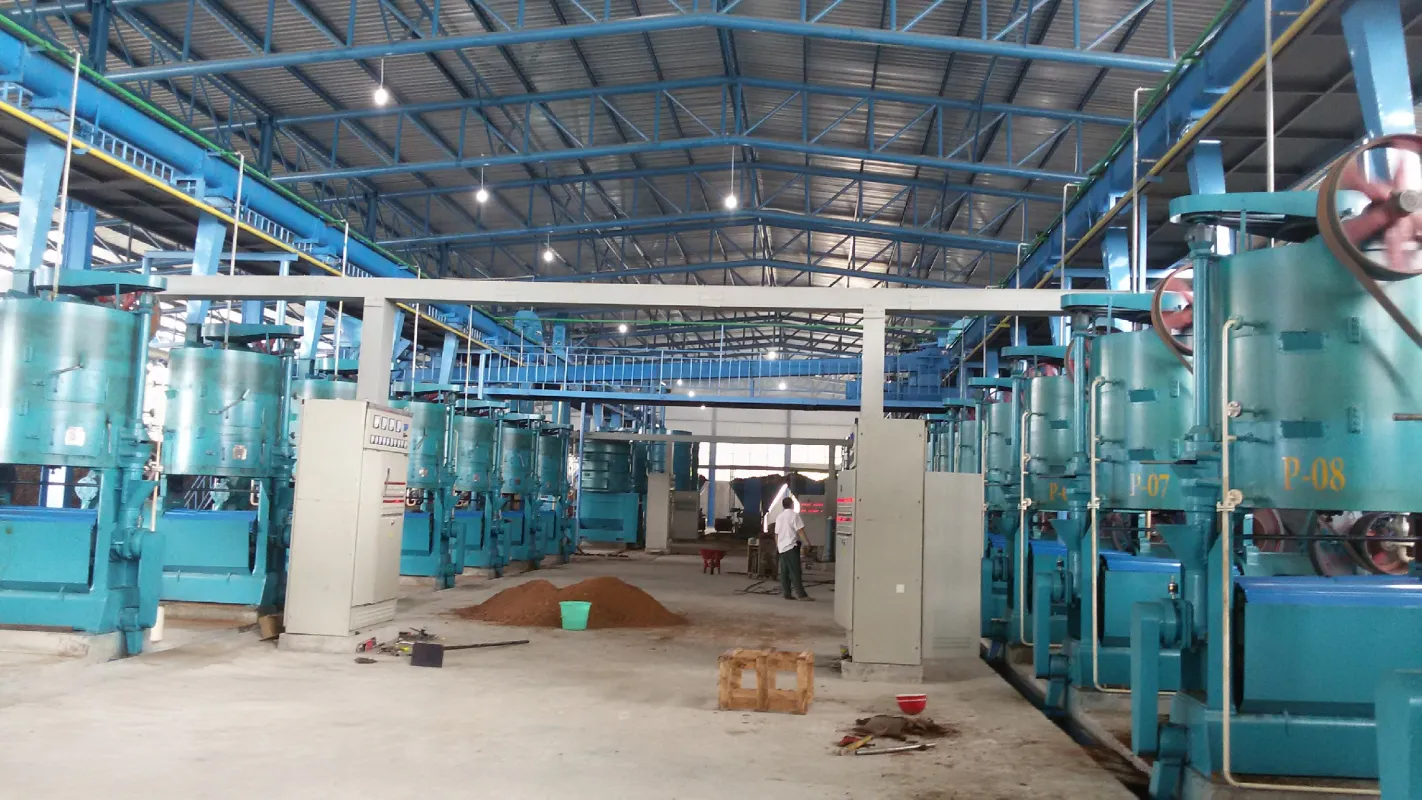
Solvent extraction, usually with hexane, achieves higher oil recovery rates—up to 95% from dehulled seeds—making it ideal for large-scale producers targeting cost-sensitive markets like Southeast Asia or Latin America. While efficient, this process involves multiple steps: delipidation, desolventization, and distillation, all of which require precise temperature control (typically 100–120°C).
Despite concerns over residual solvents, modern systems comply with ISO 22000 and HACCP standards, ensuring traceable removal of hexane to < 5 ppm—a level deemed safe by EFSA and FDA. With proper ventilation and automated monitoring, solvent plants can maintain consistent quality while reducing labor costs by up to 30% versus manual cold press operations.
Whether using cold press or solvent extraction, integrating SCADA or IoT-based monitoring tools improves process stability and reduces downtime. For example, one Malaysian processor reported a 15% reduction in rejected batches after installing real-time viscosity sensors and predictive maintenance alerts. These systems also support remote diagnostics, enabling faster resolution of issues like pump cavitation or filter clogging—common pain points in high-volume lines.
The final purification stage—settling, filtration, and degumming—is equally crucial. Cold-pressed oils benefit from minimal refining steps, preserving phytonutrients. In contrast, solvent-extracted oils often undergo full refining (neutralization, bleaching, deodorization), which may reduce antioxidant levels but ensures shelf life extension up to 12 months under ambient conditions.
Proper storage conditions (below 25°C, low humidity) further protect both types from rancidity. A 2022 case study from India showed that implementing nitrogen flushing during packaging extended shelf life by 30 days without altering sensory attributes.
Regular checks—daily visual inspections, weekly lubrication, monthly calibration—are non-negotiable for both processes. Common failure points include worn-out rollers in cold presses and inefficient heat exchangers in solvent units. One Indonesian manufacturer saved $18,000 annually by adopting a preventive maintenance schedule based on usage hours rather than fixed intervals.
ISO-certified facilities report fewer unplanned shutdowns and better compliance during audits. Tools like vibration analysis and thermographic imaging allow early detection of bearing wear or electrical faults before they escalate into costly repairs.
Discover how QIE Group’s integrated production solutions combine precision engineering, smart controls, and responsive service to ensure reliable, nutrient-rich canola oil output—every time.
Explore QIE Group Advanced Canola Oil Solutions