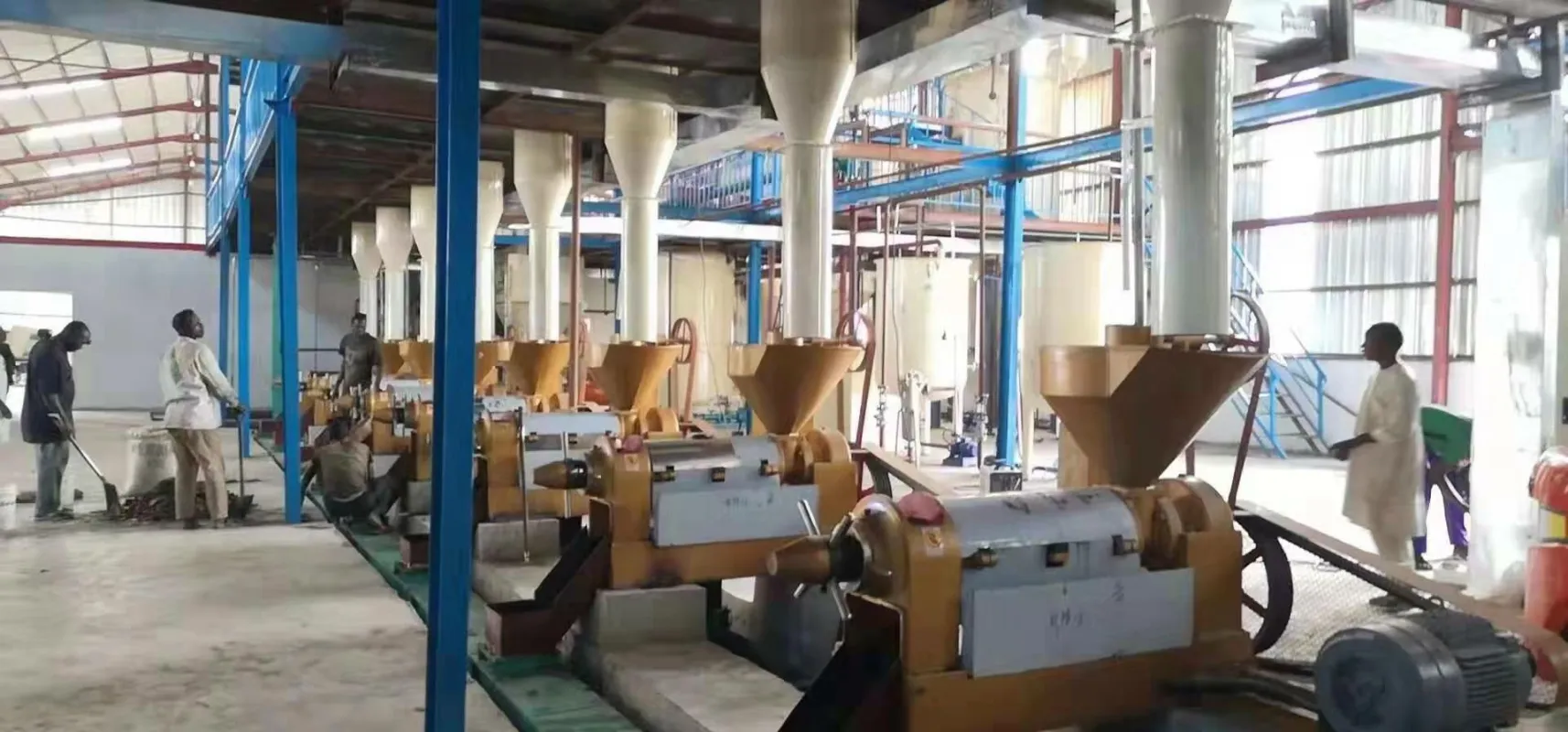
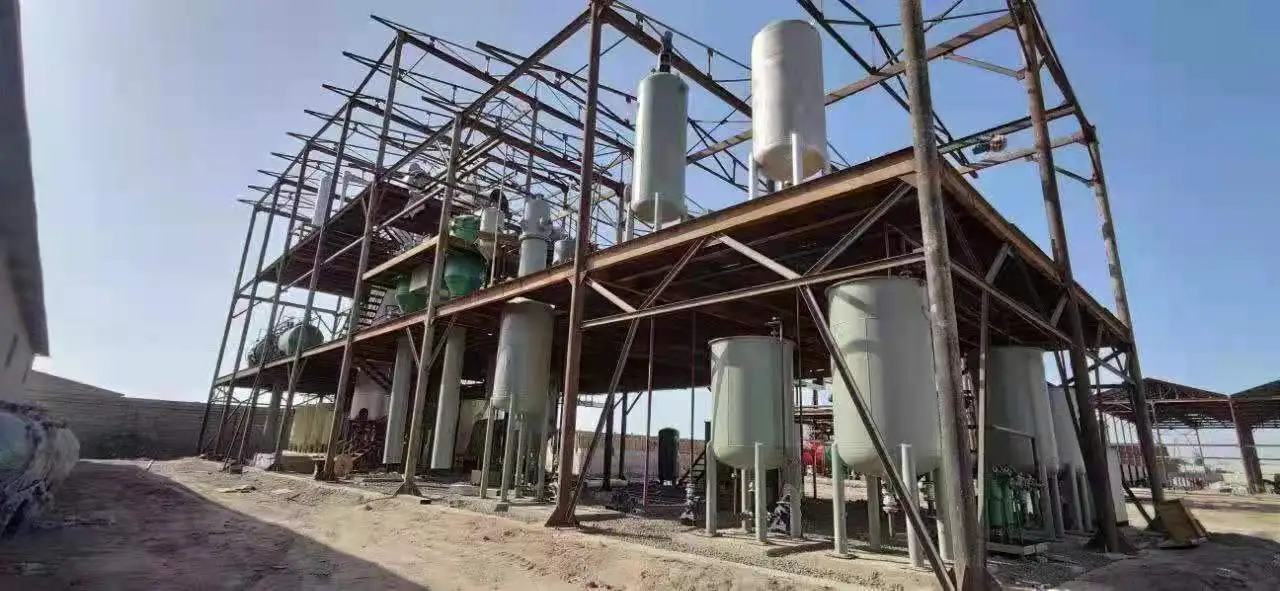
In the global edible oil market, where quality, consistency, and compliance are non-negotiable, choosing the right extraction method can make or break your brand’s credibility overseas. For producers targeting export markets—especially in Europe, North America, and Southeast Asia—the decision between cold pressing and solvent extraction isn’t just technical—it’s strategic.
According to a 2023 report by the International Oleochemical Association, solvent extraction achieves an average oil recovery rate of 98–99% from canola seeds, compared to only 70–85% for cold pressing. This efficiency translates directly into higher yield per ton of raw material—a critical factor when margins are tight and logistics costs are rising globally.
But it’s not just about volume. The purity achieved through solvent extraction (typically >99.5% triglyceride content) aligns better with international standards such as ISO 3656 and Codex Alimentarius. These certifications are essential for entry into regulated markets like the EU and Japan, where traceability and contaminant levels matter more than ever.
While cold-pressed oils retain more natural antioxidants like tocopherols, they often come with higher free fatty acid (FFA) levels—up to 3–4% versus 0.5–1% in solvent-extracted oils. In export contexts, this difference impacts shelf life and storage stability, especially in hot climates like those found in the Middle East or South Asia.
Modern solvent extraction systems now use food-grade hexane (recovered at over 99%) and closed-loop recycling technologies that meet EPA and REACH safety protocols. When properly managed, these processes ensure minimal residual solvent (< 5 ppm), making them compliant with even the strictest import regulations.
A leading Malaysian canola oil manufacturer switched from cold press to solvent extraction in 2022. Within six months, their export volumes increased by 42%, driven by improved consistency and faster certification turnaround time. Their clients—including major retailers in Germany and Canada—reported fewer complaints about off-flavors and packaging integrity issues.
This case shows how process optimization doesn’t just boost output—it builds trust. And trust is what turns one-time buyers into long-term partners.
Pro Tip: If you're aiming for B2B contracts with European food processors or Asian OEMs, prioritize solvent extraction for its scalability, regulatory alignment, and cost-efficiency—not just for today, but for future-proofing your production line.
Whether you’re scaling up from a small facility or upgrading existing equipment, integrating modern solvent extraction technology requires expertise—not just capital. That’s where Qingyuan Group comes in.
Our engineered canola oil production lines combine high-efficiency extraction, automated solvent recovery, and modular design for easy compliance upgrades. We’ve helped over 30 manufacturers across Africa, Asia, and Latin America achieve ISO 22000 and HACCP certification within 6 months of installation.
Get a free technical consultation + feasibility analysis tailored to your current setup.
Explore Our Canola Oil Processing Solutions →