In the global edible oil industry, choosing between cold pressing and solvent extraction is a strategic decision that impacts yield, cost, quality, and sustainability. While cold pressing appeals to health-conscious consumers with its "natural" branding, solvent extraction remains the gold standard for large-scale producers seeking efficiency and consistency.
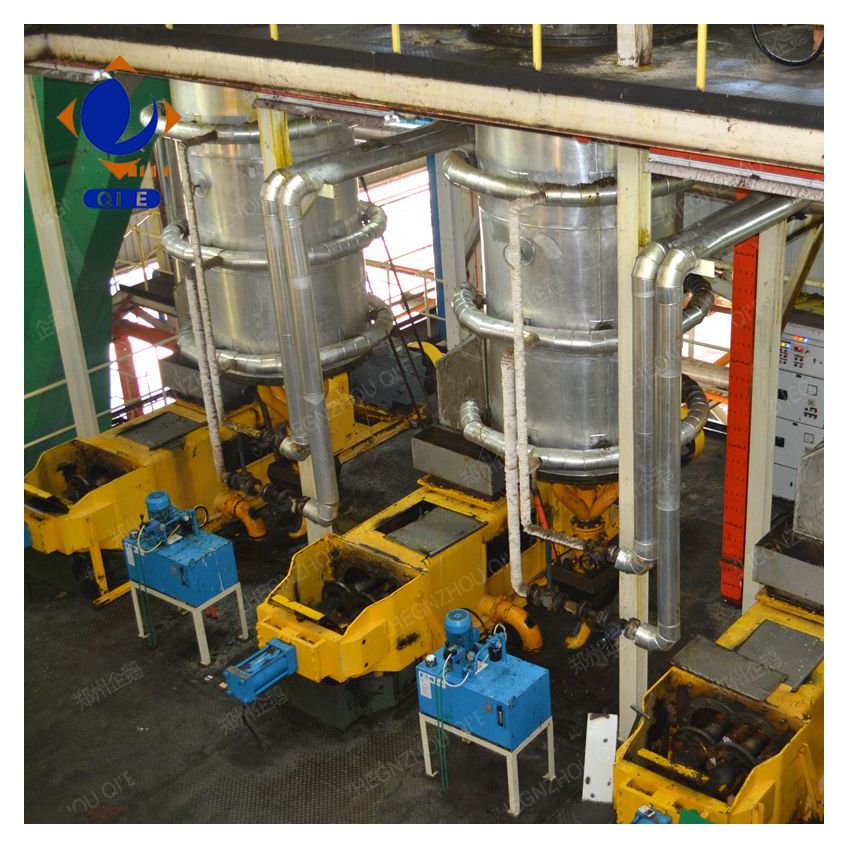
Unlike cold pressing—which physically squeezes oil from seeds—solvent extraction uses food-grade hexane to dissolve oils from crushed rapeseed meal. This method achieves an extraction rate of up to 98%, compared to only 75–85% for cold press systems. According to a 2023 study by the International Journal of Food Engineering, solvent-based processes reduce raw material waste by over 30% while maintaining consistent triglyceride profiles across batches.
| Factor | Cold Press | Solvent Extraction |
|---|---|---|
| Oil Yield (%) | 75–85% | 95–98% |
| Energy Consumption (kWh/kg) | ~2.5 | ~1.2 |
| Cost per kg (USD) | $1.80–$2.20 | $1.10–$1.40 |
One frequent concern about solvent extraction is residual hexane levels. However, modern industrial units—including those offered by QIE Group—use multi-stage vacuum distillation to recover >99% of the solvent, leaving trace amounts well below the FDA limit of 5 ppm. In fact, a 2022 report from the European Food Safety Authority (EFSA) confirms that properly operated solvent extraction lines produce oils with no detectable hexane residue.
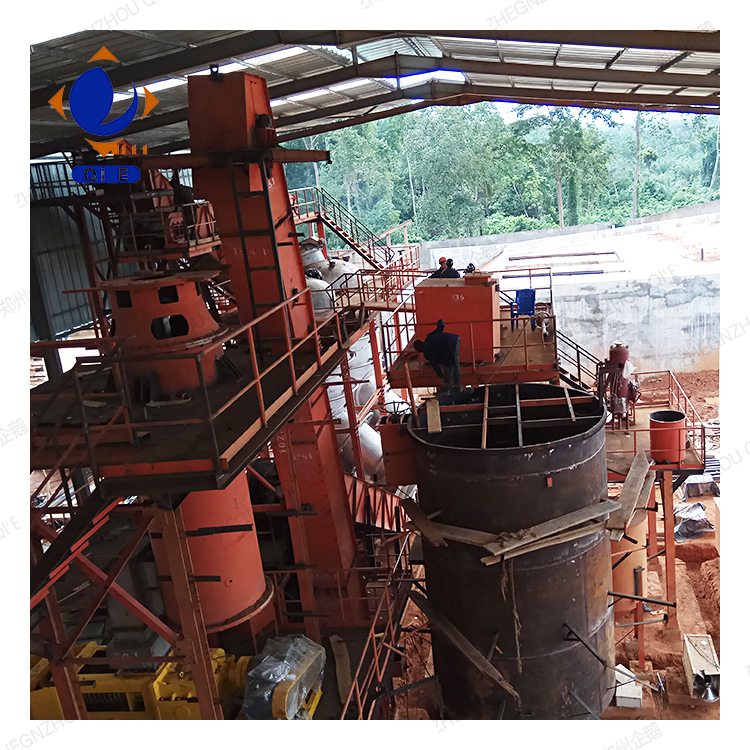
Moreover, solvent extraction allows better nutrient retention when combined with precise temperature control during refining—a key advantage for manufacturers targeting premium markets like North America and Europe where omega-3 and vitamin E content are critical selling points.
For new entrants or existing players upgrading their facilities, the transition from lab-scale trials to full production requires attention to feedstock moisture content, particle size distribution, and solvent-to-material ratio. A successful pilot run typically takes 4–6 weeks, followed by 2–3 months of optimization based on real-time data from PLC-controlled systems.
“When we switched from cold press to solvent extraction at our facility in Poland, we saw a 22% increase in daily output without compromising purity standards.” – Dr. Lena Müller, R&D Director, EuroOils GmbH
Explore how QIE Group’s modular solvent extraction systems can be tailored to your production needs—from small farms to industrial plants—with built-in safety, high recovery rates, and compliance-ready design.
Learn More About Smart Rapeseed Oil Solutions