B2B Project Planning Framework
Selecting a coconut oil production line for an international market requires more than comparing equipment prices. The right configuration should match the condition of the coconut raw material, planned capacity, processing objectives, product standards, available utilities, labor conditions, maintenance capabilities, and future expansion plans.
Qi'e Grain and Oil Machinery Co., Ltd. provides high-efficiency coconut oil production line solutions for global B2B projects. Our professional team can help customers evaluate the process requirements first and then determine a suitable combination of dehusking, pretreatment, pressing, filtration, and optional refining modules.
A coconut oil processing line should be selected according to the complete production process rather than a single machine. The following factors provide a practical basis for comparing different coconut oil production solutions.
The moisture content, maturity, size, cleanliness, and form of the coconuts influence pretreatment and oil extraction. The project may require different preparation steps depending on whether the raw material is fresh coconut, copra, or another processed coconut material. Raw material assessment helps determine the suitable dehusking, shelling, drying, grinding, and conditioning equipment.
Capacity planning should consider the expected daily raw material input, operating hours, seasonal supply, and possible future growth. Equipment configuration should be balanced across each stage so that dehusking, pretreatment, pressing, filtration, and refining can operate as an integrated system.
Some projects focus on mechanical oil extraction, while others require a more complete coconut oil processing line. Depending on the target product, the line may include oil pressing, filtration, and optional refining functions such as bleaching and deodorization.
The desired oil quality, packaging format, customer specifications, and destination-market requirements affect the process design. Product standards should be confirmed before selecting filtration, refining, storage, and quality-control arrangements.
Electricity supply, available heat sources, water conditions, factory layout, local labor resources, spare-parts access, and maintenance capability should be reviewed in advance. These conditions influence automation level, equipment selection, installation planning, and long-term operation.
A modular design can make it easier to add refining capacity or improve automation as the business develops. Energy-efficient heat exchange, waste recovery, and appropriate process control can also support more responsible and stable production.
The final equipment configuration should be confirmed according to the raw material and project objectives. A typical line may include the following process sections:
| Process Section | Main Purpose | Selection Considerations |
|---|---|---|
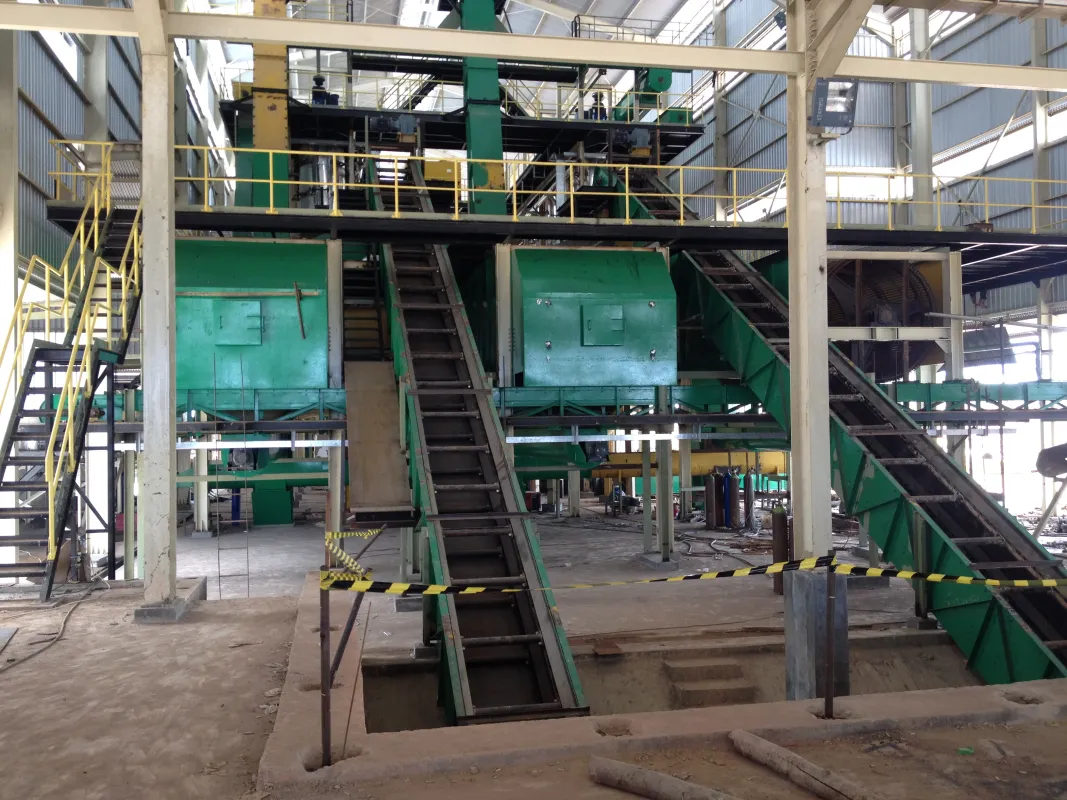
| Dehusking and Shelling | Separates unwanted outer materials and prepares coconut for further processing. | Raw material form, size variation, cleaning needs, and required throughput. |
| Grinding and Pretreatment | Prepares the coconut material for efficient oil release during pressing. | Moisture, particle size, heating or conditioning requirements, and process continuity. |
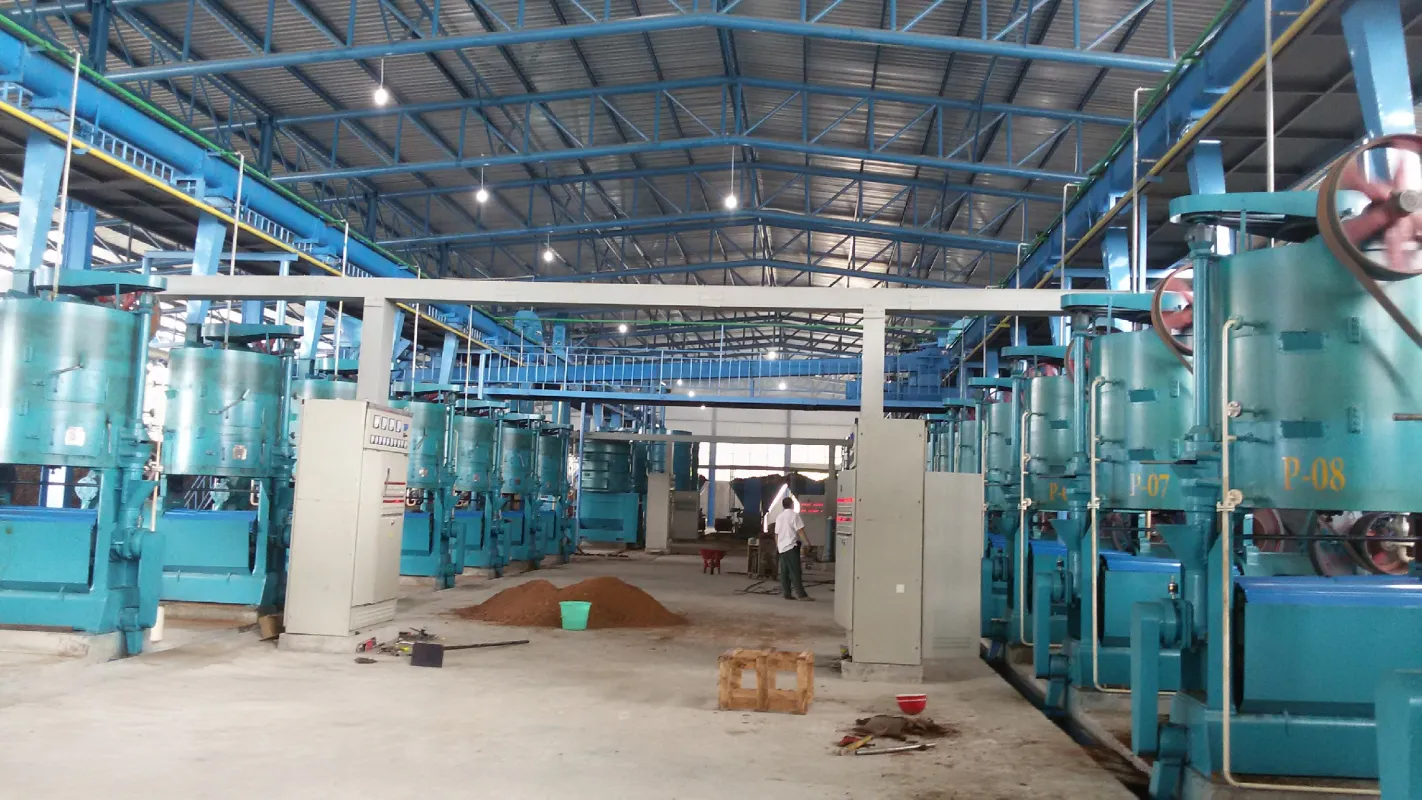
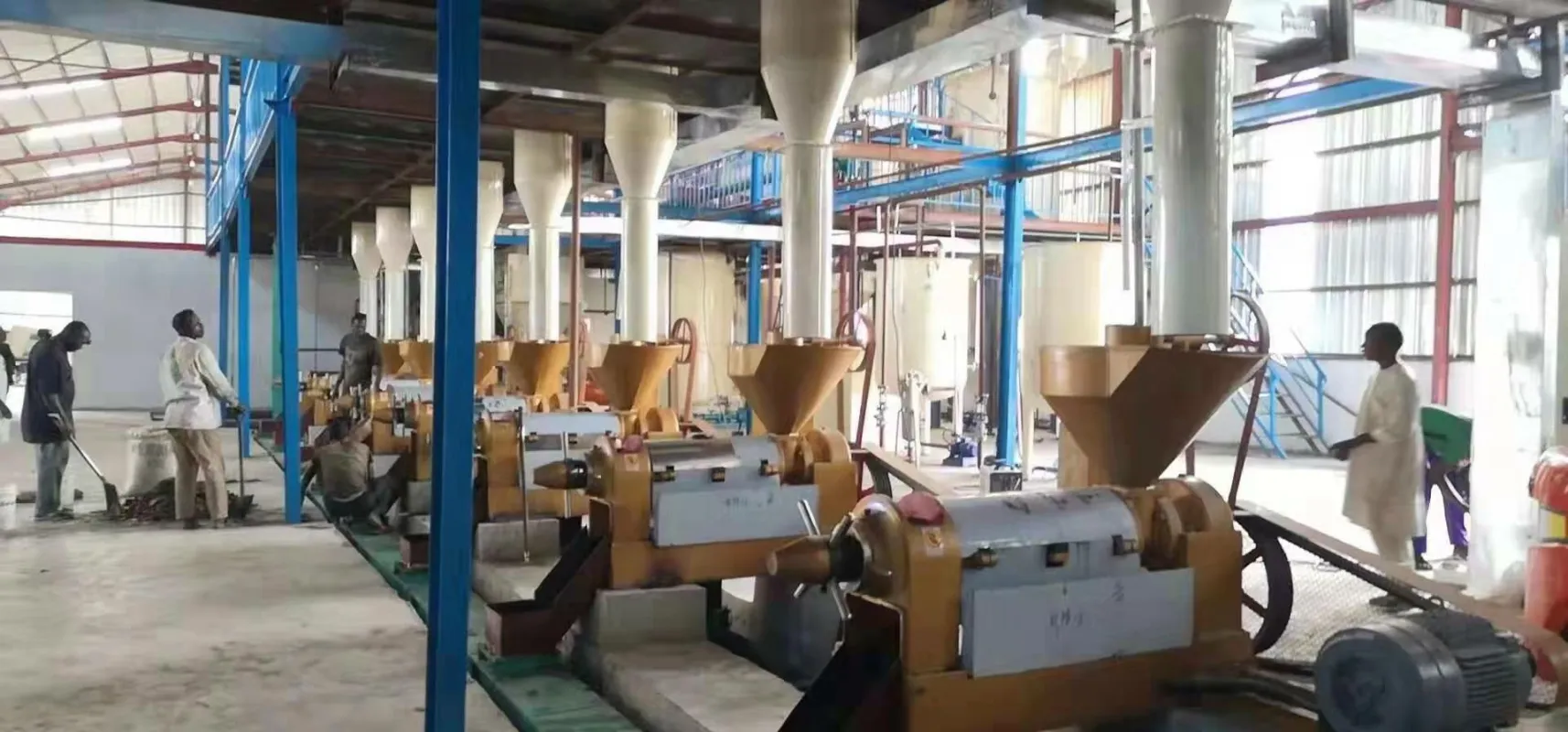
| Oil Pressing | Extracts coconut oil through mechanical pressing technology. | Required capacity, extraction objectives, feed consistency, and equipment operating conditions. |
| Filtration | Removes suspended particles from the pressed oil. | Target oil clarity, filtration method, cleaning requirements, and downstream processing. |
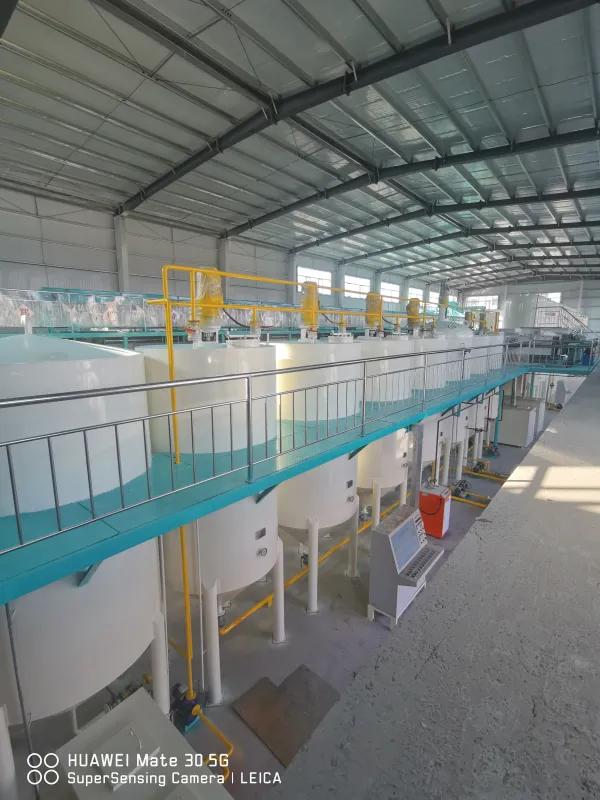
| Optional Refining | Supports further treatment through refining, bleaching, and deodorization. | Product specification, market requirements, utility availability, and desired level of process integration. |
Coconut oil production equipment should be sized according to the project’s actual operating plan. A smaller coconut oil production line may be appropriate for businesses entering the market or processing a limited and stable raw material supply. Larger integrated systems may be considered when the project requires continuous operation, higher throughput, more automation, or additional refining functions.
A high-efficiency coconut oil production line should be evaluated through its complete operating performance. Qi'e’s product concept emphasizes efficient extraction, automated control, optimized heat exchange, safe equipment design, and waste-recycling arrangements. These features can help project owners manage labor requirements, energy use, operating consistency, and environmental considerations while keeping the final configuration aligned with actual site conditions.
Qi'e Grain and Oil Machinery Co., Ltd. is a grain and oil machinery company specializing in oil pressing equipment, oil production line equipment, and edible oil refining equipment. The company provides equipment development, manufacturing, sales, installation support, technical service, and after-sales assistance for B2B customers.
For a coconut oil project, our role is not limited to supplying individual machines. We support customers in connecting the main process stages and reviewing the relationship between raw materials, capacity, product requirements, utilities, automation, and maintenance. This project-oriented approach is intended to provide a practical coconut oil processing solution for both new plants and existing facilities that require expansion or process improvement.
Before requesting a coconut oil production line proposal, prepare information about the raw material, expected capacity, target oil quality, desired processing stages, factory conditions, energy supply, automation preference, and future expansion plans. With these details, Qi'e Grain and Oil Machinery Co., Ltd. can help assess a suitable coconut oil production line configuration for your international B2B project.
The best equipment selection is the one that fits the complete production objective, not simply the lowest initial purchase cost.