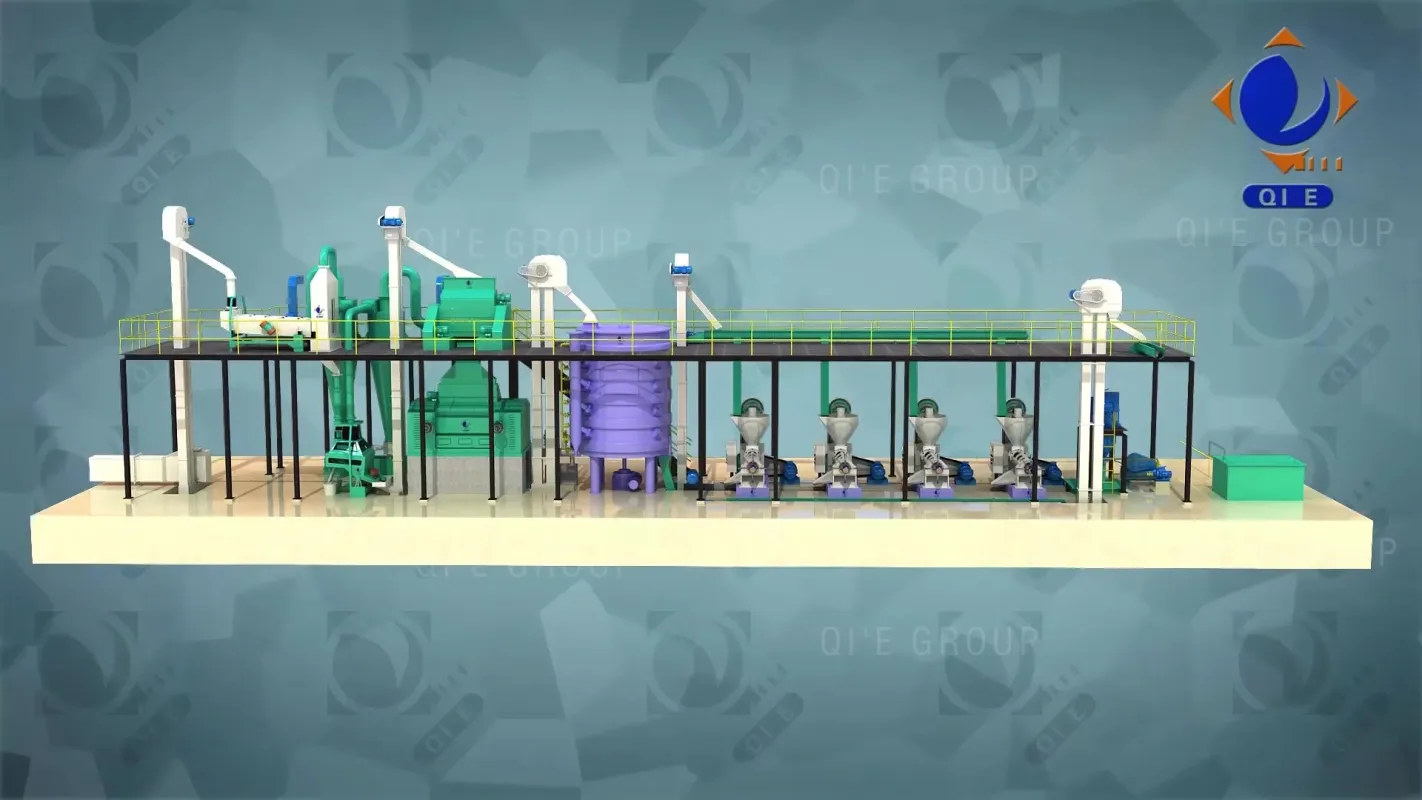
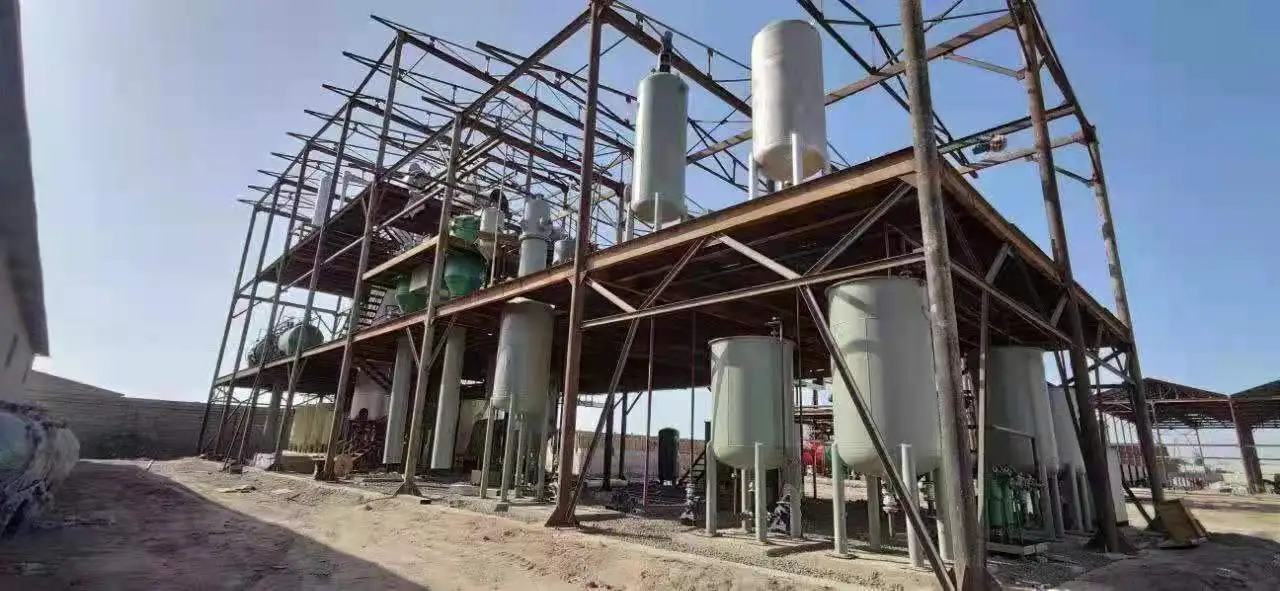
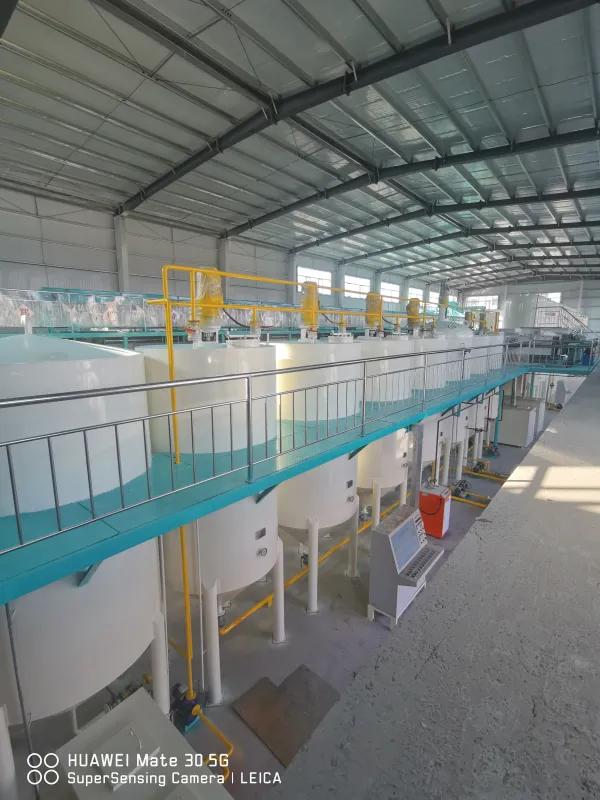
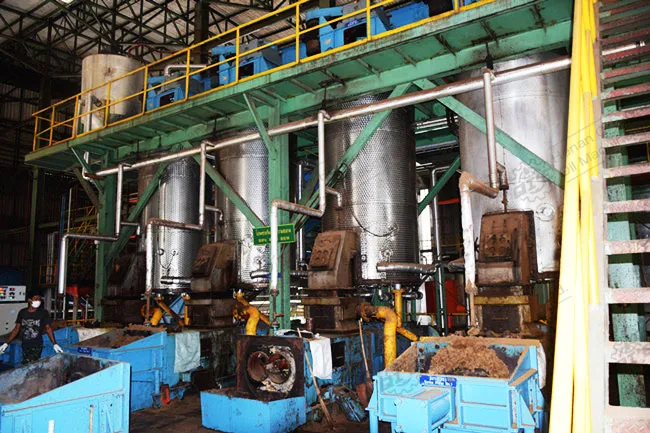
For a coconut oil processing plant, efficiency depends on more than the capacity of a single machine. It is influenced by how effectively raw material preparation, extraction, filtration, refining, energy use, safety controls, and technical support work together. Qi'e Grain and Oil Machinery Co., Ltd. provides high-efficiency coconut oil production lines for new projects and existing plants that require process expansion or equipment upgrades.
The production line is designed to coordinate key operations from coconut processing and size reduction through oil extraction, filtration, and refining. Actual configuration, production performance, energy consumption, and acceptance criteria should be confirmed according to coconut characteristics, processing targets, local energy conditions, and project requirements.
Automation improves efficiency when the main processing stages operate as a coordinated system rather than as isolated machines. A suitable control system can help manage material transfer, equipment sequencing, operating conditions, and process continuity while reducing unnecessary manual intervention.
A coordinated sequence links coconut preparation, grinding, extraction, filtration, and refining. This supports a more stable material flow and helps reduce interruptions caused by poorly matched process stages.
An automated control system can reduce the amount of routine manual operation required for equipment sequencing and monitoring. The appropriate level of automation depends on plant scale, staffing conditions, and operating objectives.
Stable transfer between process stages helps the plant maintain continuous operation and makes it easier for operators to identify abnormal conditions before they affect subsequent equipment.
The line uses an optimized heat exchange system to support thermal efficiency. Energy performance should be evaluated together with raw material moisture, processing temperature, plant utilities, and the selected refining requirements.
Controlled processing, filtration, and refining support consistent production conditions. Final oil quality remains dependent on raw materials, process settings, quality-control procedures, and the intended product specification.
The equipment is designed in accordance with international safety requirements. Control logic, protective devices, and operating procedures should be reviewed as part of the complete project design and commissioning process.
| Evaluation area | Points to confirm |
|---|---|
| Raw material conditions | Coconut type, moisture, cleanliness, particle characteristics, and expected material variation. |
| Process route | Required preparation, extraction, filtration, refining, deodorization, and bleaching functions. |
| Automation scope | Control requirements, equipment sequencing, monitoring needs, operator involvement, and expansion plans. |
| Energy and utilities | Local power supply, heating resources, water conditions, heat recovery opportunities, and plant layout. |
| Project support | Installation, commissioning, operator guidance, technical support, after-sales service, and performance acceptance requirements. |
Automation can improve process coordination, reduce routine labor requirements, support continuous operation, and strengthen control over energy and product quality. However, no single equipment configuration is suitable for every coconut oil project. Production targets, raw material properties, local infrastructure, product specifications, and investment plans must be assessed before the final design is confirmed.
Qi'e Grain and Oil Machinery Co., Ltd. combines oil pressing equipment, oil production line equipment, and edible oil refining equipment with project-oriented technical services. For a coconut oil plant, our support can cover process planning, equipment configuration, installation guidance, technical assistance, and after-sales service.
Whether the objective is to establish a new coconut oil processing plant or expand an existing production line, the most reliable evaluation starts with clearly defined raw materials, processing goals, energy conditions, automation expectations, and quality requirements. These inputs provide the basis for selecting an efficient and practical coconut oil production solution.